


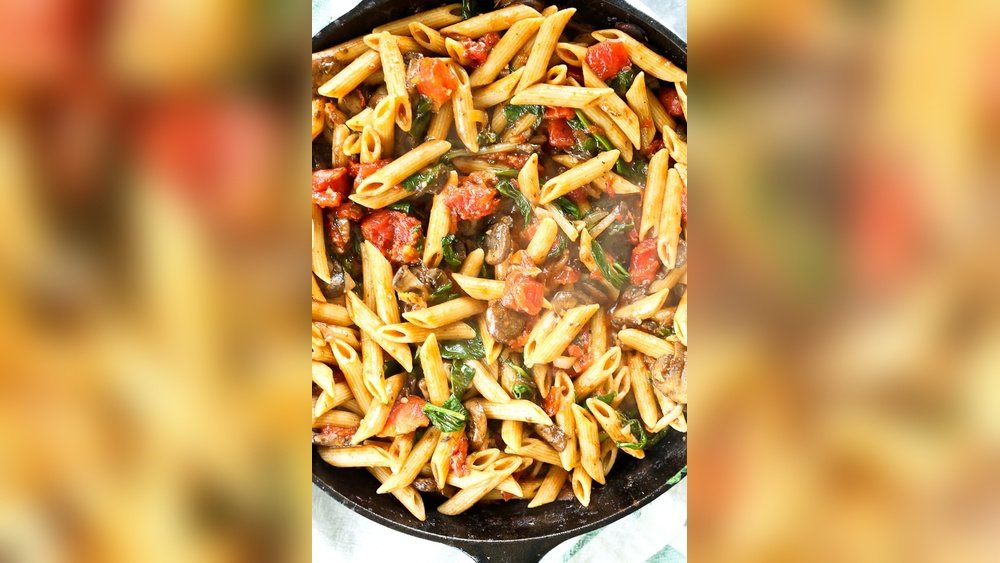
Are you looking for a tasty pasta dish that’s good for you and easy to make? Whole wheat penne pasta might just be your new favorite.
It’s packed with fiber and nutrients, yet still has that satisfying bite you love. Imagine a meal that fuels your body and delights your taste buds at the same time. In this recipe, you’ll discover simple steps to create a delicious whole wheat penne pasta dish that fits perfectly into your busy life.
Ready to upgrade your pasta game? Keep reading—you won’t want to miss these tips and tricks!
Choosing Whole Wheat Penne
Choosing the right whole wheat penne is key to a tasty and healthy meal. The quality of pasta affects the texture and flavor of your dish. Whole wheat pasta offers a richer taste and more nutrients than regular pasta.
Understanding the benefits and knowing how to pick good pasta makes cooking easier. This section explains why whole wheat pasta is a smart choice and how to select the best one.
Benefits Of Whole Wheat Pasta
Whole wheat pasta contains more fiber than white pasta. Fiber helps digestion and keeps you full longer. It also has more vitamins and minerals. These nutrients support overall health and energy. The natural nutty flavor adds depth to your meals. It is a healthier option for people managing blood sugar. Whole wheat pasta is a simple way to improve your diet.
How To Select Quality Pasta
Choose pasta made from 100% whole wheat flour. Check the ingredient list for no added fillers. Look for a firm texture and even color. Avoid pasta with cracks or broken pieces. Check the cooking time on the package. Good whole wheat pasta cooks evenly and stays firm. Store pasta in a cool, dry place to keep it fresh. Quality pasta makes your recipe taste better and cook well.
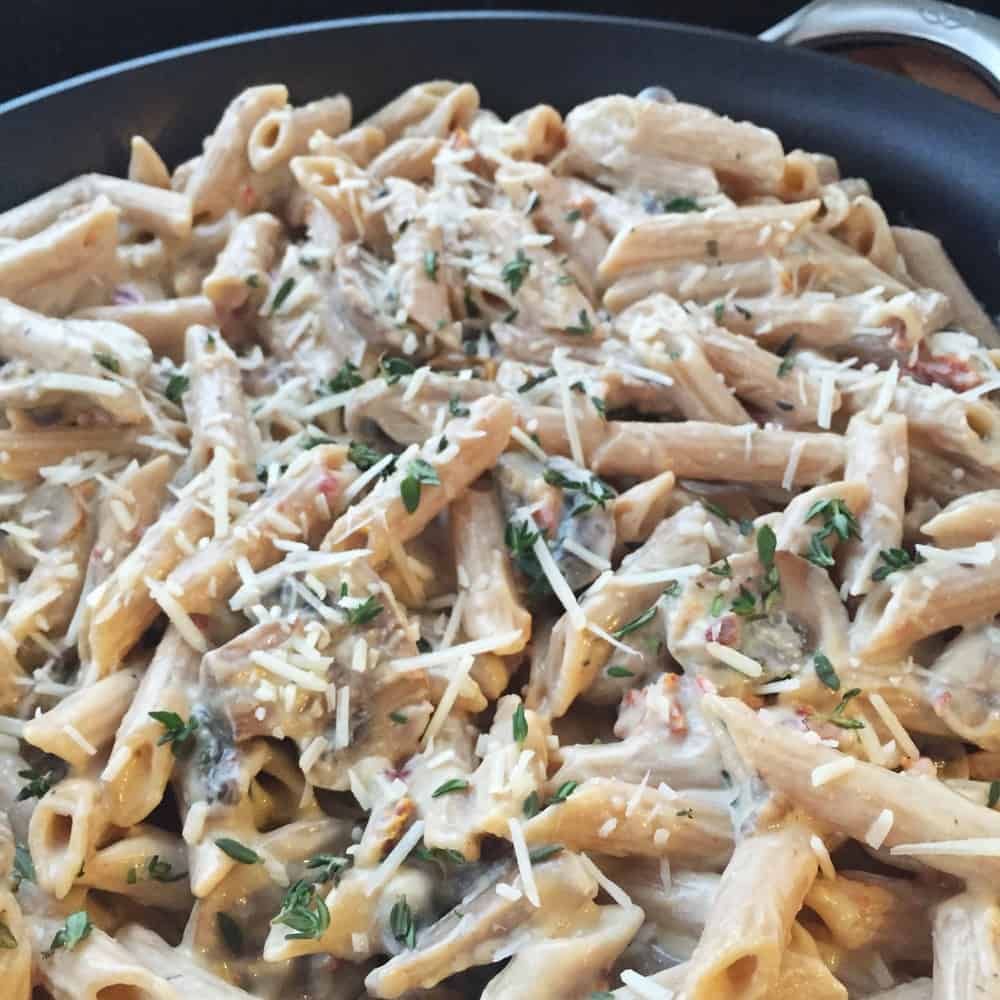
Credit: www.cleaneatsandtreats.com
Essential Ingredients
Creating a delicious whole wheat penne pasta starts with choosing the right ingredients. The quality of each component shapes the final taste and texture. Freshness and balance matter most. Fresh vegetables, healthy proteins, and tasty sauces bring the dish to life.
Fresh Vegetables And Herbs
Fresh vegetables add color and crunch to the pasta. Tomatoes, spinach, bell peppers, and zucchini work well. They provide vitamins and natural sweetness. Fresh herbs like basil, parsley, and oregano boost flavor. They make the dish vibrant and aromatic. Using fresh ingredients keeps the pasta light and healthy.
Healthy Protein Options
Protein makes the pasta more filling and nutritious. Grilled chicken, turkey, or shrimp are great choices. Plant-based options like chickpeas or tofu suit vegetarians. Protein balances the carbs in whole wheat penne. It helps build muscle and keeps you full longer.
Flavorful Sauces And Spices
Sauces bring the whole dish together. Tomato-based sauces offer tangy, rich flavor. Pesto or olive oil with garlic add freshness. Spices like black pepper, chili flakes, and Italian seasoning enhance taste. They create a bold, satisfying meal without extra fat or sugar.
Step-by-step Cooking Process
Cooking whole wheat penne pasta is simple and rewarding. Follow these clear steps for a tasty meal. Each part of the process builds flavor and texture. Enjoy the easy guide below.
Preparing The Pasta
Start by boiling water in a large pot. Add a pinch of salt to the water. Once boiling, add the whole wheat penne pasta. Stir gently to prevent sticking. Cook for 9 to 11 minutes until al dente. Drain the pasta and set it aside. Reserve a cup of pasta water for later use.
Cooking The Sauce
Heat olive oil in a pan over medium heat. Add chopped garlic and onions. Cook until soft and fragrant. Pour in your favorite tomato sauce or fresh tomatoes. Stir and let it simmer for 8 to 10 minutes. Season with salt, pepper, and herbs like basil or oregano. Adjust the taste as needed.
Combining Ingredients
Return the drained pasta to the pan with the sauce. Mix well to coat each piece. Add reserved pasta water little by little for a smooth texture. Cook together for 2 to 3 minutes. Turn off the heat and sprinkle with grated cheese or fresh herbs. Serve warm and enjoy your healthy meal.
Tips For Perfect Texture
Getting the perfect texture for whole wheat penne pasta can be simple. The right texture makes your dish more enjoyable. It means the pasta is neither too soft nor too hard. Follow these tips to cook whole wheat penne pasta just right every time.
Avoiding Overcooking
Start by boiling plenty of water. Use a large pot so pasta moves freely. Salt the water well for better taste. Add the pasta only when the water is at a rolling boil. Stir the pasta gently to stop it from sticking. Check the pasta a minute or two before the package time ends. Test by biting a piece; it should be firm but not hard. Drain the pasta immediately once it reaches the right texture. Avoid rinsing to keep the natural starches that hold sauce well.
Enhancing Flavor And Consistency
Cook the pasta in salted water for a richer taste. Save some pasta water before draining. Add this water to your sauce to improve consistency. Toss the pasta with the sauce while still hot to absorb flavors. Use olive oil or butter lightly to prevent sticking. Stir gently to coat each piece evenly. Serve right away for the best texture and flavor.
Nutritional Benefits
Whole wheat penne pasta offers more than just great taste. It provides strong nutritional benefits that support a healthy diet. Choosing whole wheat helps you get important nutrients that refined pasta lacks. These nutrients help keep your body active and full of energy.
Below are some key nutritional benefits of whole wheat penne pasta. Knowing these can help you make better food choices for your meals.
Fiber And Protein Content
Whole wheat penne pasta is rich in fiber. Fiber helps your digestion and keeps you full longer. It reduces hunger and supports weight control. This pasta also contains more protein than regular pasta. Protein builds muscles and repairs body tissues. It gives you energy and helps your body stay strong.
Vitamins And Minerals
This pasta contains important vitamins like B vitamins. These vitamins help your body make energy from food. They also support brain health and keep your nerves working well. Whole wheat penne pasta has minerals like iron and magnesium. Iron helps carry oxygen in your blood. Magnesium supports muscle and nerve function.
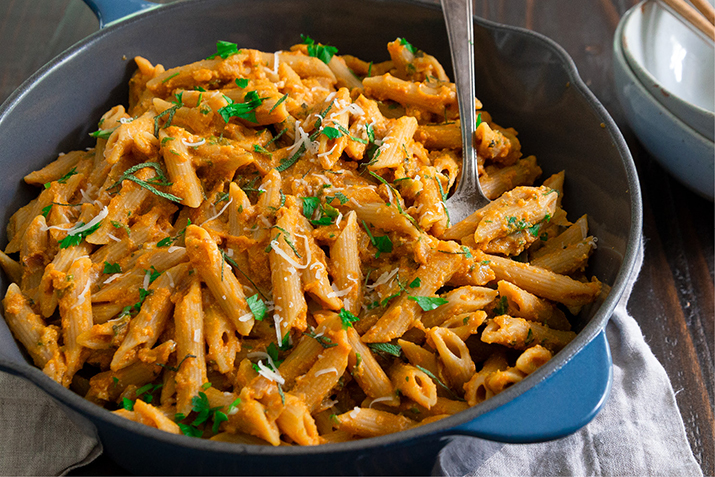
Credit: www.viroquafood.coop
Serving Suggestions
Serving whole wheat penne pasta is more than just plating. It is about creating a meal that excites the eyes and pleases the taste buds. Simple touches can make your pasta dish feel special and complete. Below are some ideas for pairing and presenting your pasta.
Pairing With Sides
Whole wheat penne pasta pairs well with fresh, light sides. A crisp green salad with lemon dressing adds brightness. Roasted vegetables like bell peppers and zucchini bring warmth and color. Garlic bread or whole grain rolls complement the pasta’s nutty flavor. These sides balance the meal without overpowering the main dish.
Presentation Ideas
Use a deep white plate to make the pasta colors pop. Sprinkle fresh herbs like basil or parsley on top for a fresh look. A drizzle of olive oil adds shine and richness. Arrange the pasta in a neat mound for a clean presentation. Add a small bowl of grated cheese on the side for guests to use.
Variations To Try
Whole wheat penne pasta is a healthy and tasty base for many dishes. You can change it up to keep meals exciting. Different ingredients and flavors can create new experiences. Here are some variations to try with your whole wheat penne pasta recipe.
Vegetarian Options
Use fresh vegetables like spinach, cherry tomatoes, and zucchini. Sauté them lightly to keep their crunch and color. Add beans or lentils for protein and texture. Top with a sprinkle of parmesan or nutritional yeast. This keeps the dish simple, healthy, and full of flavor.
Adding Meat Or Seafood
Include cooked chicken breast, turkey, or lean beef for more protein. Shrimp and scallops pair well with whole wheat penne. Cook seafood quickly to keep it tender. Use garlic and herbs to enhance the taste. These options make the dish hearty and satisfying.
Spicy And Mild Flavors
For a spicy kick, add crushed red pepper or chili flakes. Mix in spicy sausage or hot sauce for bold flavor. To keep it mild, use creamy sauces like Alfredo or a simple olive oil and garlic mix. Fresh herbs like basil or parsley add freshness and balance.
Storing And Reheating
Storing and reheating whole wheat penne pasta is easy and keeps it tasty. Proper storage keeps the pasta fresh and stops it from getting mushy. Reheating with care keeps the pasta moist and delicious. Follow these tips for best results.
Best Practices For Storage
Cool the pasta before storing. Warm pasta traps steam and causes sogginess. Use an airtight container to keep the pasta fresh. Store it in the fridge for up to 4 days. For longer storage, freeze the pasta in a sealed bag. Label the bag with the date to track freshness. Avoid storing pasta with sauce for too long. Keep sauce separate if possible. This helps maintain pasta texture.
Tips For Reheating Without Drying
Reheat pasta slowly to keep moisture. Use a microwave-safe bowl with a splash of water. Cover the bowl with a lid or plate. Heat in short bursts, stirring in between. On the stove, warm pasta in a pan with a little water or sauce. Stir gently to prevent sticking. Avoid high heat to stop pasta from drying out. Add extra sauce or olive oil for more flavor and moisture.
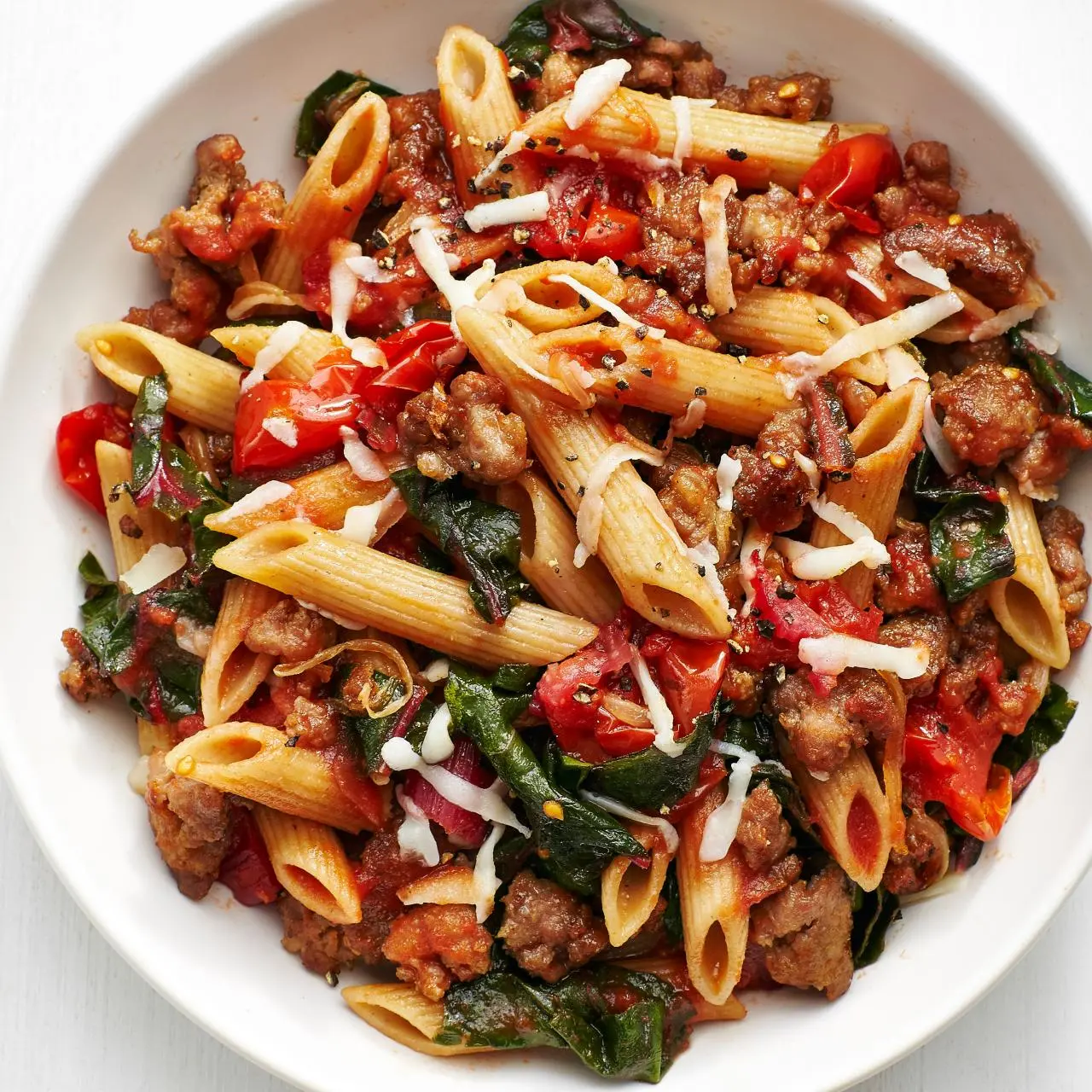
Credit: www.foodnetwork.com
Frequently Asked Questions
What Is Whole Wheat Penne Pasta Made Of?
Whole wheat penne pasta is made from whole grain wheat flour. It contains the entire wheat kernel, including bran, germ, and endosperm. This makes it richer in fiber and nutrients than regular pasta, promoting better digestion and overall health.
How Do You Cook Whole Wheat Penne Pasta Perfectly?
To cook whole wheat penne pasta, boil water with salt, add the pasta, and cook for 8-10 minutes. Stir occasionally to prevent sticking. Taste for desired firmness, then drain and rinse with cold water to stop cooking and keep texture firm.
Is Whole Wheat Penne Pasta Healthier Than Regular Pasta?
Yes, whole wheat penne pasta is healthier due to higher fiber, vitamins, and minerals. It has a lower glycemic index, helping control blood sugar. It supports digestion and keeps you fuller longer compared to refined white pasta.
Can Whole Wheat Penne Pasta Be Used In Traditional Recipes?
Absolutely, whole wheat penne pasta works well in most traditional pasta dishes. It absorbs sauces nicely and offers a nuttier flavor. You can substitute it directly for regular penne without changing cooking times significantly.
Conclusion
Whole wheat penne pasta offers a healthy and tasty meal option. It cooks quickly and pairs well with many sauces. You can enjoy it for lunch or dinner. This recipe is simple and good for your body. Try it today to feel the difference.
Cooking whole wheat pasta is easy and fun. Give your meals a nutritious twist with this recipe. A small change can make your food better and healthier. Enjoy every bite and stay healthy!
