


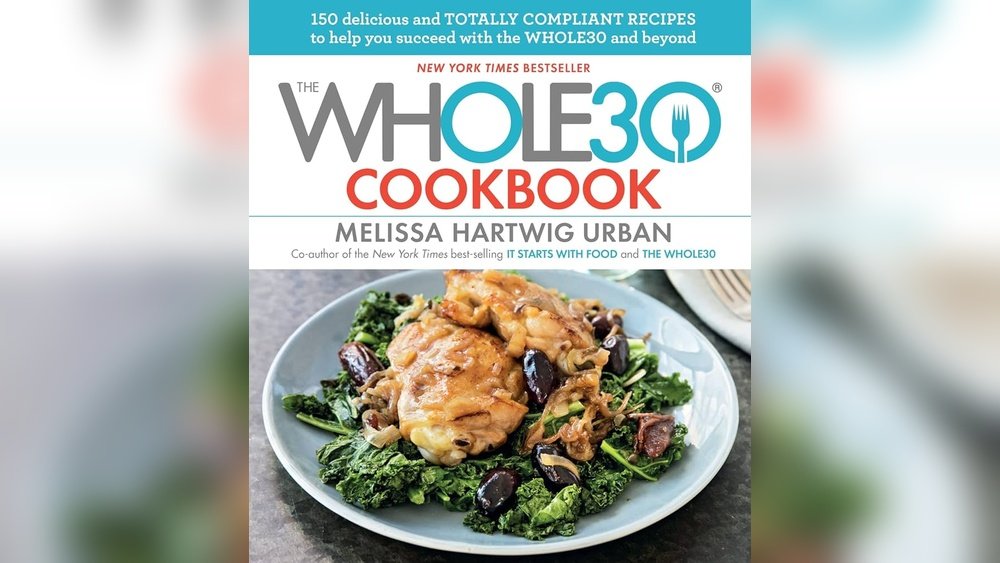
Are you ready to transform your eating habits without feeling overwhelmed? The Whole30 Recipe Book is exactly what you need to make healthy, delicious meals simple and enjoyable.
Imagine having a go-to guide that takes the guesswork out of meal planning while helping you feel energized and satisfied every day. Whether you’re new to Whole30 or looking for fresh ideas, this recipe book will become your best kitchen companion.
Keep reading to discover how it can change the way you eat—and how easy it is to stick with your goals.
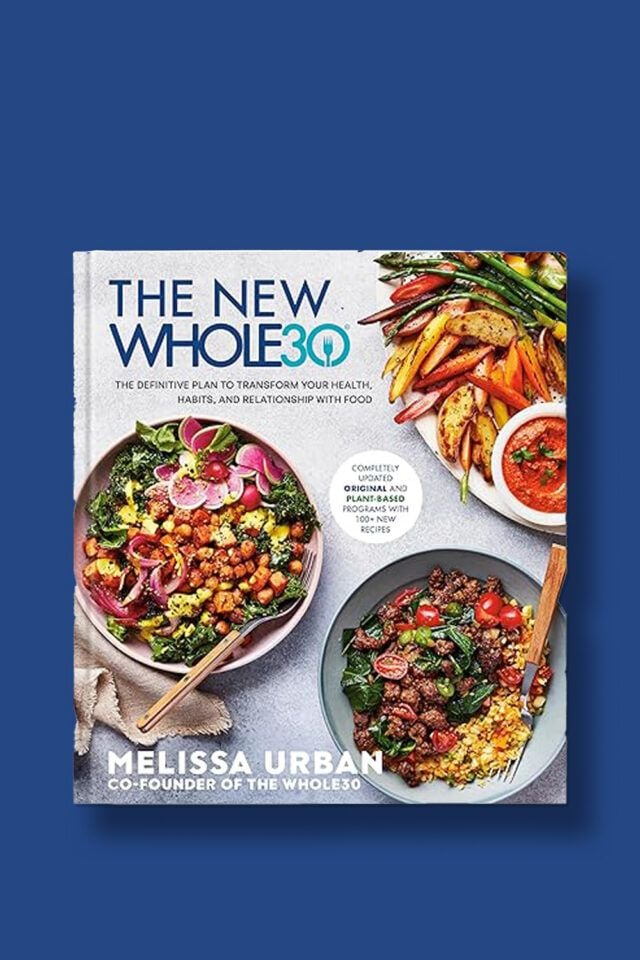
Credit: whole30.com
Whole30 Basics
The Whole30 program focuses on eating whole, natural foods for 30 days. It helps reset your body and habits. This simple plan removes many common food triggers. It aims to improve digestion, energy, and mood.
Understanding the basics is key to success. The rules guide your food choices. Knowing allowed ingredients and forbidden foods makes the process clear. These basics create the foundation for your Whole30 journey.
Core Rules
Eat only whole foods for 30 days. No sugar, real or artificial. Avoid alcohol and grains. No dairy except clarified butter. No legumes, including peanuts. No processed foods or preservatives. No weighing or measuring yourself. No cheats or slip-ups allowed. Focus on fresh, natural ingredients.
Allowed Ingredients
Fresh vegetables and fruits are staples. High-quality meats and seafood are encouraged. Eggs provide good protein. Healthy fats come from nuts, seeds, and oils. Herbs and spices add flavor. Use natural seasonings like garlic and lemon. Drink water, tea, or black coffee only.
Foods To Avoid
Sugar in all forms is banned. No grains like wheat, rice, or corn. Dairy products like milk and cheese are off-limits. Avoid legumes, including beans and soy. No processed snacks or baked goods. Artificial sweeteners and additives are prohibited. Alcohol and sugary drinks are excluded.
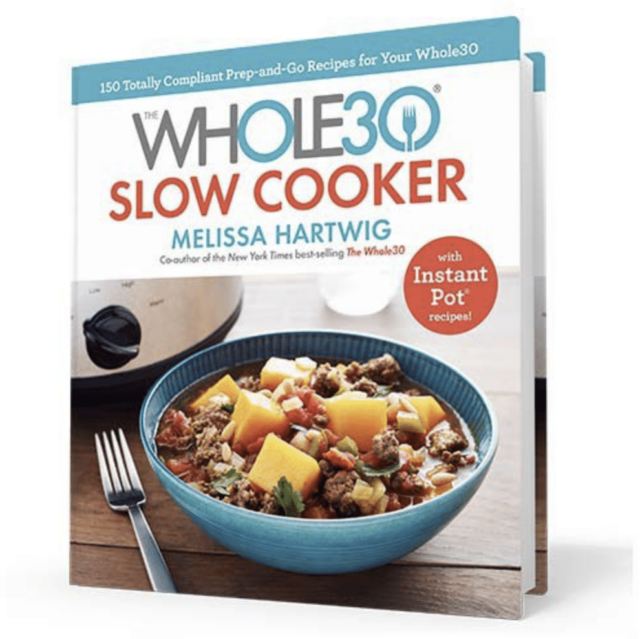
Credit: whole30.com
Meal Planning Tips
Meal planning helps keep Whole30 on track and stress-free. Planning meals ahead saves time and reduces food waste. It also ensures balanced, nutritious meals every day. Here are some useful tips to make meal planning easier and more effective.
Batch Cooking
Batch cooking means preparing large portions of food at once. Cook proteins, vegetables, and sauces in bulk. Store them in containers for quick meals later. This method saves time on busy days. It also helps avoid unhealthy last-minute choices.
Grocery Shopping List
Create a detailed grocery list before shopping. Include all Whole30-approved ingredients needed for the week. Organize the list by store sections to shop faster. Double-check pantry items to avoid buying duplicates. This practice saves money and reduces impulse buys.
Time-saving Hacks
Use simple cooking tools like slow cookers or instant pots. Prep ingredients in advance, like chopping vegetables or marinating meat. Freeze pre-portioned snacks and meals for busy days. Keep kitchen tools and spices organized for easy access. These small hacks save valuable cooking time.
Breakfast Recipes
Breakfast sets the tone for the whole day. Whole30 recipe books offer many tasty and healthy breakfast ideas. These recipes follow the Whole30 rules, which means no sugar, grains, dairy, or legumes. Each meal fuels your body with clean, real foods. Enjoy easy recipes that save time and satisfy your hunger.
Quick Morning Meals
Quick meals are perfect for busy mornings. Think scrambled eggs with spinach or a simple fruit bowl with nuts. Many recipes need just a few minutes to prepare. These dishes keep you full and energized. No need to skip breakfast or eat unhealthy fast food.
Hearty Protein Options
Protein helps build muscles and keeps you full longer. Whole30 recipes include eggs, bacon, and sausage made without additives. You can also try chicken or fish for variety. These hearty options make breakfast more satisfying. They give strength to start your day right.
Sweet And Savory Ideas
Some like sweet breakfast, others prefer savory. Whole30 recipes offer both. Try sweet potato hash with cinnamon for sweetness. Or enjoy avocado and tomato slices for a savory bite. Mixing flavors keeps breakfast exciting. You can enjoy a new taste every morning.

Credit: www.amazon.com
Lunch Ideas
Lunch is a key moment to refuel and stay energized. Whole30 recipes offer many tasty options that fit your healthy lifestyle. These lunch ideas are easy to prepare and full of flavor. They keep you satisfied without feeling heavy. Simple ingredients come together to create meals you enjoy every day.
Light And Fresh Salads
Salads make a perfect lunch choice. Use fresh vegetables like lettuce, cucumbers, and tomatoes. Add protein such as grilled chicken or boiled eggs. A splash of olive oil and lemon juice brings bright flavor. These salads keep you light but full of nutrients.
Filling Bowls
Bowl meals combine many ingredients in one dish. Start with a base like cauliflower rice or mixed greens. Add cooked vegetables, avocado, and a protein source. Season with herbs and spices for extra taste. These bowls are hearty and easy to eat.
Portable Options
Lunch on the go needs to be simple and mess-free. Whole30 wraps using lettuce leaves work well. Fill them with turkey, avocado, and crunchy veggies. Hard-boiled eggs and nuts also make great snacks. These options keep you fueled during busy days.
Dinner Favorites
Dinner is an important meal in the Whole30 plan. It should be simple, tasty, and full of good ingredients. The Whole30 recipe book offers many dinner favorites that follow these rules. These meals help you stay on track without feeling bored or hungry.
Each recipe focuses on fresh vegetables, lean proteins, and natural spices. These dinners are easy to prepare and perfect for busy evenings. You can enjoy healthy food that feels like comfort food.
Simple One-pot Meals
One-pot meals save time and reduce cleanup. The Whole30 recipe book has many options like stews, soups, and skillet dishes. These meals use fresh ingredients and simple spices. They are quick to make and very satisfying.
One-pot dinners often combine protein, vegetables, and healthy fats. This balance helps you feel full and energized. You do not need many cooking tools or skills to make these meals.
Grilled And Roasted Dishes
Grilling and roasting bring out strong flavors. The Whole30 recipe book includes many grilled meats and roasted vegetables. These methods keep food juicy and delicious without added sauces.
Roasted sweet potatoes, grilled chicken, and roasted Brussels sprouts are common favorites. These dishes are easy to prepare ahead of time. They work well for family dinners or meal prep.
Comfort Food Alternatives
Comfort food can be healthy on Whole30. The book offers recipes for mashed cauliflower, cauliflower rice, and zucchini noodles. These dishes replace traditional carbs but still feel satisfying.
Comfort meals use familiar textures and flavors. They help you enjoy dinner without breaking your food rules. These alternatives make staying on Whole30 easier and more enjoyable.
Snack And Appetizer Choices
Choosing the right snacks and appetizers can make Whole30 easier and more enjoyable. Snacks help keep energy up between meals. Appetizers add fun to any gathering. Both should follow Whole30 rules and taste great.
Nutritious Snacks
Whole30 snacks are simple and healthy. Nuts like almonds or walnuts are great. Fresh fruits such as apples or berries work well. Hard-boiled eggs offer protein and keep hunger away. Veggie sticks like carrots and celery add crunch and fiber.
Dips And Sauces
Dips make snacks exciting and tasty. Guacamole made from ripe avocados fits Whole30 perfectly. Salsa with fresh tomatoes and herbs brings zest. Mustard and olive oil dressings add flavor without guilt. These dips pair well with raw veggies or compliant chips.
Finger Foods
Finger foods are easy to eat and share. Meatballs with compliant spices are filling and tasty. Stuffed mushrooms with sausage or veggies offer variety. Bacon-wrapped dates provide a mix of sweet and savory. These choices keep snack time fun and compliant.
Desserts And Treats
Desserts and treats on the Whole30 plan prove that healthy eating can still be sweet and satisfying. These recipes skip added sugars and processed ingredients. They focus on natural flavors and wholesome foods.
Enjoying desserts does not mean breaking your healthy habits. Whole30 dessert recipes offer a perfect balance of taste and nutrition. They are easy to make and delightful to eat.
Fruit-based Sweets
Fresh fruits provide natural sweetness and vibrant flavor. Recipes often use berries, apples, or bananas as the main ingredient. Roasted or grilled fruits become soft and caramelized, perfect for a dessert.
Try simple fruit salads with a squeeze of lemon or cinnamon. Frozen fruit pops or smoothies offer a cool and refreshing treat. Fruit-based sweets satisfy sugar cravings without guilt.
Nut And Seed Treats
Nuts and seeds add crunch and healthy fats to desserts. Almonds, walnuts, and cashews are popular choices. They can be ground into flour or used whole for texture.
Nut butter balls mixed with coconut or cocoa create bite-sized snacks. Seed crackers paired with fruit spreads make a tasty combo. These treats provide energy and keep hunger away.
Creative Alternatives
Whole30 desserts use clever swaps for traditional ingredients. Cauliflower or avocado add creaminess without dairy. Coconut milk and almond milk replace regular milk in recipes.
Sweeteners like dates or apple sauce give natural sweetness. Spices such as cinnamon, nutmeg, and vanilla add depth. These creative alternatives keep desserts exciting and healthy.
Flavor Boosters
Flavor boosters bring excitement to Whole30 meals. They make dishes tasty without breaking the rules. Using natural ingredients helps keep meals fresh and healthy. Small touches can change the whole experience.
Herbs And Spices
Herbs and spices add depth and aroma to every bite. Fresh basil, cilantro, and rosemary brighten flavors. Ground cumin, paprika, and turmeric bring warmth and color. They replace salt and sugar for a healthy taste. Experiment with different blends for variety.
Homemade Condiments
Homemade condiments create bold flavors without additives. Simple recipes include mayo, mustard, and salad dressings. Use olive oil, lemon juice, and garlic for zing. These condiments keep meals moist and delicious. Making your own ensures quality and control.
Natural Sweeteners
Natural sweeteners add gentle sweetness without sugar spikes. Dates, honey, and maple syrup fit Whole30 rules in moderation. They enhance sauces, dressings, and snacks naturally. Sweetness balances spicy or tangy flavors well. Use sparingly to keep dishes balanced.
Troubleshooting Common Challenges
Starting a Whole30 journey is exciting but can bring some challenges. Many people face cravings, struggle with eating out, or lose motivation. These problems are normal and can be managed with simple strategies. This section helps you solve common issues and stick to your Whole30 goals.
Dealing With Cravings
Cravings are strong urges for foods that are off-plan. They happen because your body misses sugar, grains, or dairy. Drink water to feel full and reduce cravings. Eat Whole30-friendly snacks like nuts or fruit to stay satisfied. Focus on meals rich in protein and healthy fats. These keep hunger away longer. Remind yourself why you started. Cravings get easier over time.
Eating Out Tips
Eating out can be tricky on Whole30. Choose restaurants with simple dishes like grilled meat and vegetables. Ask for no sauces or dressings, or bring your own. Avoid fried or breaded foods. Look for places that serve fresh salads and steamed veggies. Plan ahead by checking menus online. Eating out does not have to break your plan.
Staying Motivated
Motivation can fade after the first week. Set small goals to track your progress. Celebrate each day you complete without breaking the rules. Join online groups or find a buddy for support. Keep a journal of how you feel physically and emotionally. Seeing positive changes helps keep motivation strong. Remember, every step counts.
Frequently Asked Questions
What Is Included In A Whole30 Recipe Book?
A Whole30 recipe book contains meal ideas that follow Whole30 rules. It includes breakfast, lunch, dinner, and snack recipes. All recipes avoid sugar, grains, dairy, legumes, and processed foods. The book helps users eat clean and stay compliant with Whole30 guidelines.
How Does A Whole30 Recipe Book Benefit Beginners?
It simplifies meal planning with clear, easy recipes. Beginners learn which foods are allowed and how to prepare them. The book provides guidance for a successful Whole30 experience. It reduces guesswork and helps maintain dietary compliance.
Can A Whole30 Recipe Book Help With Weight Loss?
Yes, it promotes whole, unprocessed foods that support weight loss. The recipes avoid sugar and unhealthy carbs, reducing calorie intake. It encourages balanced meals, improving metabolism and energy levels naturally.
Are Whole30 Recipe Books Suitable For Families?
Absolutely, many recipes are family-friendly and easy to customize. They encourage healthy eating habits for all ages. The meals are tasty and satisfying, making it easier to include kids and adults.
Conclusion
Choosing recipes from the Whole30 recipe book makes eating healthy simple. Each dish supports your goal to feel better and eat clean. You save time by having easy-to-follow instructions at hand. The variety keeps meals exciting and stops boredom. Enjoy fresh ingredients that nourish your body every day.
This book helps you stick to Whole30 without stress. Try new flavors and discover what you love. Healthy eating can be delicious and fun with the right recipes. Your journey to wellness starts with every bite you take.
