


Are you ready to fill your home with the warm, comforting aroma of freshly baked bread this holiday season? Your search for the perfect Yule Bread recipe ends here.
This simple, delicious bread is more than just food—it’s a tradition that brings joy, warmth, and a touch of magic to your celebrations. Imagine pulling a golden, fragrant loaf from your oven, sharing it with loved ones, and creating memories that last a lifetime.
Keep reading, and you’ll discover how easy it is to make this special bread your family will cherish year after year.
History Of Yule Bread
The history of Yule bread stretches back centuries. This special bread connects us to ancient winter celebrations. It carries stories of old customs and warm gatherings during cold months.
Yule bread is more than just food. It reflects the spirit of a season filled with light and hope. Understanding its history helps us appreciate its place in today’s festivities.
Origins And Traditions
Yule bread has roots in pagan winter festivals. Early Europeans baked bread to honor the sun’s return. This bread often had spices and seeds for good luck.
Families shared the bread during Yule, a time of feasting and joy. The round shape symbolized the sun and the cycle of life. Baking Yule bread became a way to welcome longer days.
Cultural Significance
Yule bread links many cultures through shared traditions. It represents warmth, family, and the promise of new beginnings. In some places, it also serves as a gift to neighbors.
The bread’s ingredients often carry symbolic meaning. Honey for sweetness, nuts for strength, and spices for protection. Each slice tells a story of hope and renewal.
Ingredients Needed
To make delicious Yule Bread, you need the right ingredients. These ingredients create the bread’s rich taste and soft texture. Some are essential, while others add unique flavors and festive touches.
Basic Components
Flour forms the bread’s base. Use all-purpose or bread flour for best results. Yeast helps the bread rise and become fluffy. Sugar adds sweetness and helps yeast activate. Warm milk moistens the dough and makes it tender. Butter adds richness and a soft crumb. Eggs give structure and help with browning. Salt balances flavors and strengthens the dough.
Optional Additions
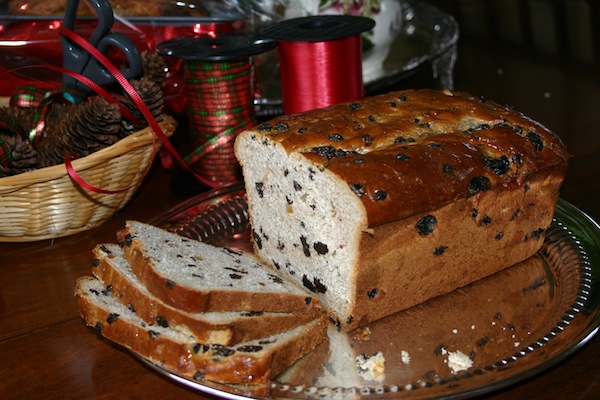
Dried fruits like raisins or cranberries add chewiness and sweetness. Nuts such as walnuts or almonds bring crunch and flavor. Spices like cinnamon, nutmeg, or cloves create a warm, festive aroma. Orange or lemon zest adds a fresh, bright note. Honey can replace sugar for a natural sweetness. Vanilla extract enhances the overall flavor. Glaze or icing can decorate the bread after baking.
Preparing The Dough
Preparing the dough is the first and most important step in making Yule Bread. The texture and taste depend on how well you prepare the dough. This process takes some patience but is simple to follow.
Start by carefully measuring and combining your ingredients. Each part plays a role in creating soft, flavorful bread that feels special for the holiday.
Mixing Ingredients
Begin with warm water or milk to help activate the yeast. Add sugar to feed the yeast and give the dough a slight sweetness. Use flour that is fresh and sifted for a light texture. Include salt for balance and a pinch of spice for warmth. Mix all ingredients gently until they come together in a rough dough.
At this stage, the dough looks sticky but holds its shape. Avoid adding too much flour. The dough will become tough if too dry.
Kneading Techniques
Kneading develops the gluten, which gives bread its structure. Use the heels of your hands to push the dough away from you. Fold it back over itself and repeat. This motion strengthens the dough and makes it elastic.
Knead for about 8 to 10 minutes on a lightly floured surface. The dough should feel smooth and bounce back when pressed. If it feels sticky, sprinkle a little flour but not too much.
Proper kneading ensures the bread will rise well and have a soft crumb inside. It’s a simple step that shapes the final result.

Credit: rurification.blogspot.com
Shaping The Bread
Shaping the Yule bread is a special part of the baking process. This step gives the bread its unique look and festive charm. It also helps the dough bake evenly and rise well. Taking time to shape the bread adds to the holiday spirit.
Traditional Designs
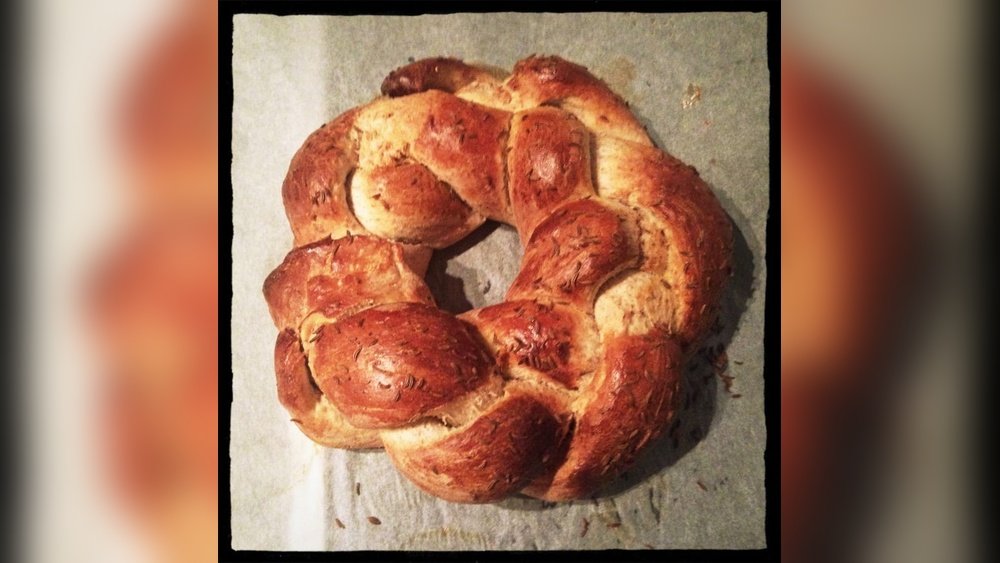
Many Yule bread recipes use classic shapes. A common design is a round loaf, symbolizing the sun’s return. Braided patterns are also popular, showing unity and warmth. Some bakers add small dough decorations like leaves or stars. These shapes honor old customs and bring meaning to the bread.
Creative Variations
Experimenting with shapes can make your Yule bread stand out. Try weaving dough strips into unique braids or knots. Form small rolls and arrange them in a wreath shape. You can even shape the bread like animals or holiday symbols. These creative ideas make baking fun and festive.
Baking Tips
Baking Yule bread is a special tradition. Small details make a big difference in taste and texture. Follow these baking tips to get soft, flavorful bread every time. Pay close attention to oven settings and baking times.
Oven Settings
Set your oven to the right mode for even baking. Use the “conventional” or “bake” setting. Avoid “broil” or “grill” as they cook unevenly. Place the rack in the middle of the oven. This helps the bread cook through without burning.
Timing And Temperature
Bake Yule bread at 350°F (175°C) for best results. Check the bread at 25 minutes to avoid overbaking. Insert a toothpick in the center; it should come out clean. Let the bread cool before slicing to keep its shape.
Serving Suggestions
Serving Yule bread is a joyful part of the holiday celebration. It brings warmth and tradition to the table. Simple ideas can make your serving special. Presentation and pairing are key to a delightful experience.
Pairing Ideas
Yule bread pairs well with sweet and savory items. Try honey or butter for a simple taste. Cheese, especially soft varieties, adds richness. Fresh fruits like apples or pears bring freshness. Warm drinks such as mulled wine or spiced tea enhance flavors. Nuts and dried fruits also complement the bread.
Presentation Tips
Slice the bread thick for a rustic look. Use a wooden board for a natural feel. Add sprigs of pine or rosemary around the bread. Place small bowls of spreads nearby for easy access. Wrap slices in parchment paper for a cozy touch. Light candles around the table to set a warm mood.
Storing And Reheating
Storing and reheating Yule bread properly keeps its flavor and texture fresh. This bread stays soft and tasty longer with the right care. Learn simple tips to save leftovers without losing quality.
Keeping Fresh
Wrap Yule bread in plastic wrap or foil to keep moisture in. Store it in a cool, dry place away from sunlight. Avoid the fridge; it dries bread quickly. Use an airtight container if possible. For longer storage, freeze the bread in a sealed bag. Thaw it at room temperature before reheating.
Best Reheating Methods
Warm Yule bread in an oven at 350°F (175°C) for 10-15 minutes. This brings back its soft texture and fresh taste. Avoid microwaving as it can make bread chewy or hard. Use a toaster oven for smaller slices to keep crust crispy. Cover bread with foil during reheating to stop it from drying out.

Credit: gatheredinthekitchen.com
Credit: lavarenne.com
Frequently Asked Questions
What Ingredients Are Needed For Yule Bread?
Yule Bread requires flour, sugar, yeast, milk, butter, eggs, and warm spices. Dried fruits and nuts add traditional flavor and texture.
How Long Does Yule Bread Take To Bake?
Baking Yule Bread usually takes about 30 to 40 minutes at 350°F (175°C). Preparation and rising time add extra hours.
Can Yule Bread Be Made Gluten-free?
Yes, use gluten-free flour blends to make Yule Bread suitable for gluten intolerance. Adjust liquid and rising times accordingly.
What Makes Yule Bread Special For Holidays?
Yule Bread is rich with spices, fruits, and nuts. It symbolizes warmth and celebration during winter holidays.
Conclusion
Yule bread brings warmth and joy to holiday meals. This recipe is simple and full of flavor. Baking it at home adds a special touch. Share it with family and friends for festive cheer. The soft texture and sweet taste delight everyone.
Try this bread to make your Yule celebration better. Enjoy the cozy moments that come with fresh-baked bread. Memories form around the table with every slice. This Yule bread recipe is a gift to your holiday.
