


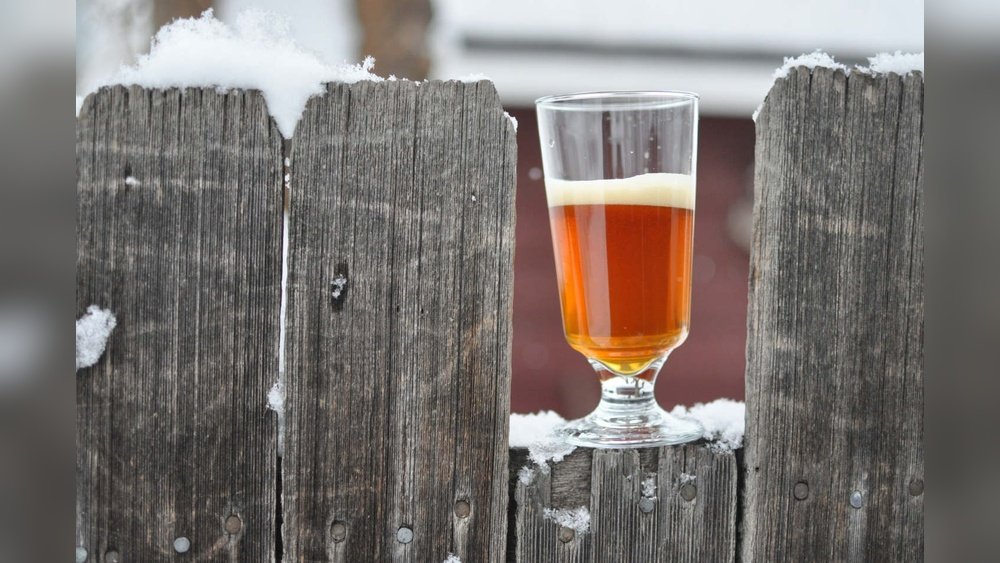
Are you ready to create a Winter Ale that warms you from the inside out? Imagine sipping a rich, flavorful brew that perfectly matches the cozy, chilly days ahead.
This Winter Ale Recipe is designed just for you—to bring comfort and joy with every sip. Whether you’re new to homebrewing or looking to spice up your beer collection, this recipe will guide you step-by-step. Keep reading to discover how you can craft a delicious ale that makes your winter nights truly special.
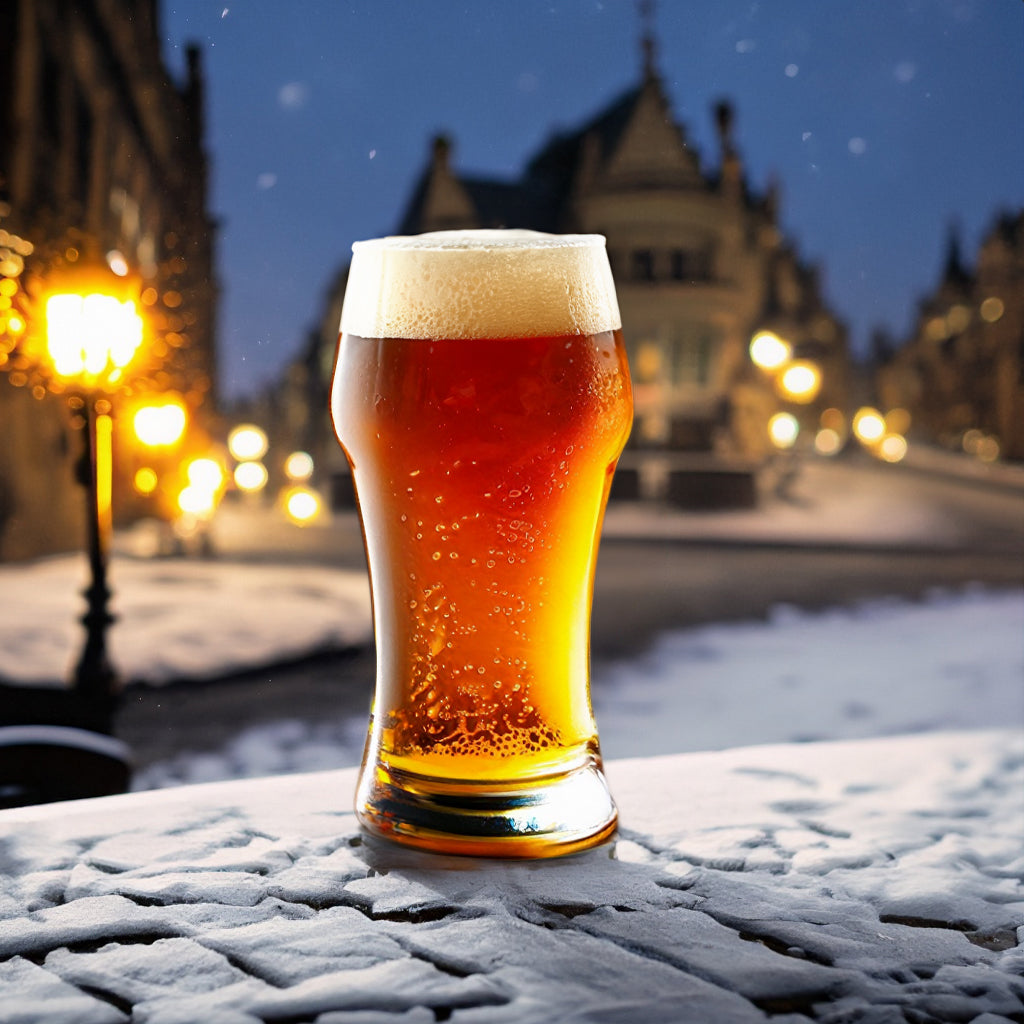
Credit: boomchugalug.com
Choosing Winter Ale Styles
Choosing the right winter ale style sets the tone for your brewing adventure. Each style offers unique flavors and aromas that suit cold weather. Some ales bring warmth and comfort, while others add festive cheer. Understanding these styles helps you pick the perfect recipe.
Classic Winter Warmers
Classic winter warmers are rich and smooth. They often have malty sweetness and caramel notes. These ales feel cozy and comforting on cold nights. Expect moderate bitterness and a full body. They pair well with hearty meals and fireside chats.
Spiced And Holiday-inspired Ales
Spiced ales bring festive flavors to your glass. Common spices include cinnamon, nutmeg, and cloves. These ales smell like holiday celebrations. The spices add warmth without overpowering the malt. They are perfect for seasonal gatherings and special occasions.
Dark And Robust Varieties
Dark winter ales offer deep, roasted flavors. You may find chocolate, coffee, or smoky notes. These beers have a strong presence and rich texture. They are great for those who enjoy bold, intense flavors. Dark ales warm the soul and satisfy the palate.
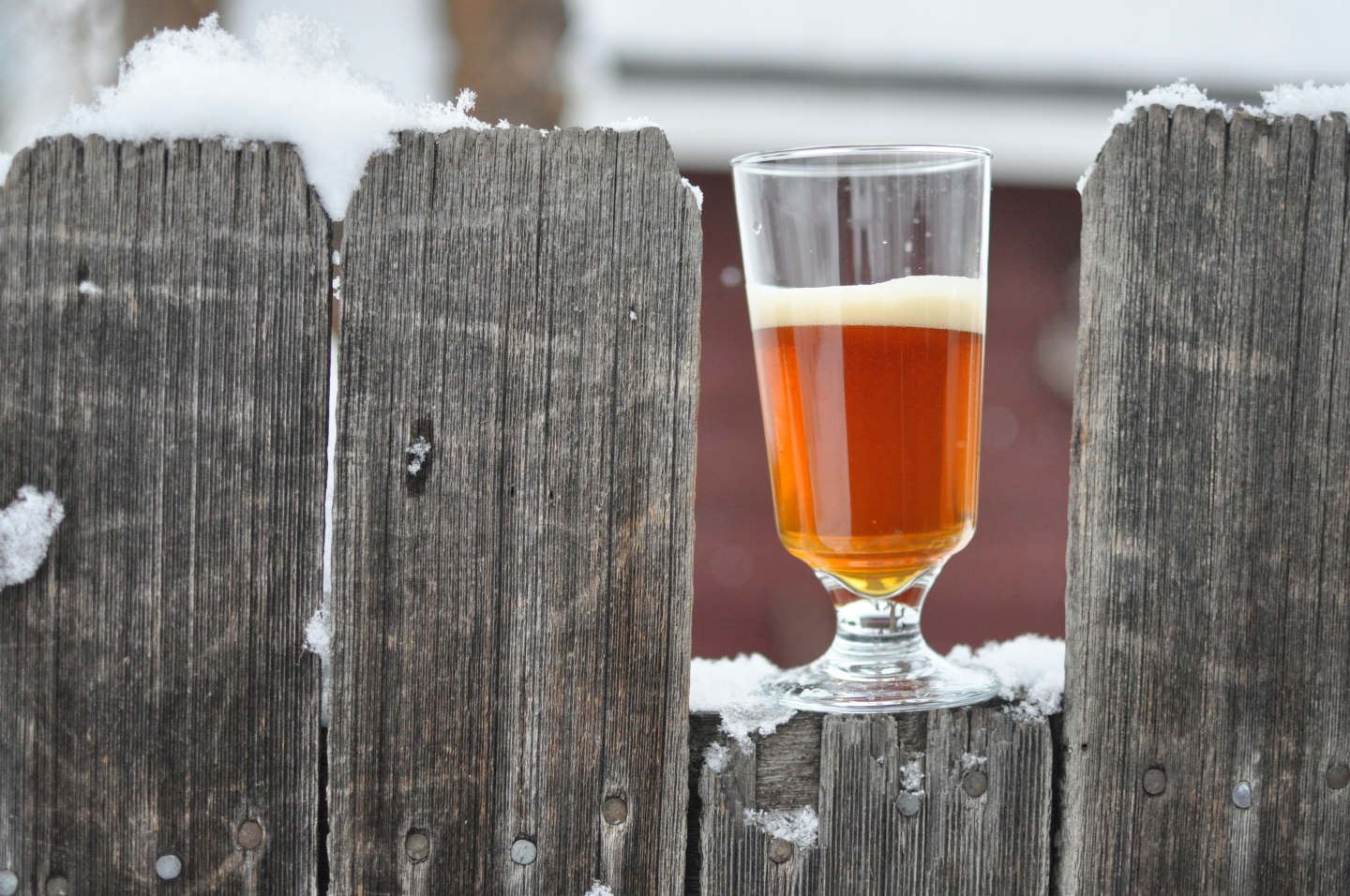
Credit: homebrewersassociation.org
Selecting Ingredients For Depth
Choosing the right ingredients creates a winter ale with rich, deep flavors. Each element plays a role in building warmth and complexity. Thoughtful selection helps craft a brew that feels cozy and satisfying. Balance is key for a smooth, enjoyable taste.
Malts For Richness And Sweetness
Malts form the base of winter ale. Dark malts add color and a full body. Caramel malts bring sweetness and hints of toffee. Roasted malts offer a subtle chocolate or coffee note. Combining these malts creates a layered, rich flavor that warms the palate.
Complementary Hops
Hops balance malt sweetness with bitterness. Use earthy or spicy hop varieties for winter ales. These hops blend well with malt flavors without overpowering them. Moderate hop levels keep the beer smooth and drinkable. Choose hops that add subtle aroma and depth.
Seasonal Spices And Additives
Spices add festive character to winter ales. Cinnamon, nutmeg, and cloves bring warmth and spice. Orange peel or dried fruit adds brightness and complexity. Use spices carefully to avoid strong, harsh flavors. These additions give the ale a special seasonal touch.
Crafting The Perfect Mash
Mashing is a key step in brewing winter ale. It turns grain starches into sugars. These sugars will ferment into alcohol and add flavor. A good mash gives your ale the right taste and body. Precision and care during mashing affect the final beer quality. Understanding the process helps in crafting a rich, smooth winter ale.
Temperature plays a crucial role during mashing. Different temperatures activate different enzymes. These enzymes break down starches and proteins. Controlling temperature leads to better sugar extraction and flavor balance.
Temperature Control Techniques
Keep the mash at steady temperatures. Use a reliable thermometer to check often. Stir the mash gently to avoid hot spots. Use a water bath or mash tun with insulation. This helps maintain consistent heat. Avoid sudden temperature changes. They can stop enzyme activity or create off-flavors.
Maximizing Flavor Extraction
Use the right grain mix for winter ale. Darker malts add warmth and depth. Longer mash times increase sugar extraction. But too long may create harsh flavors. Aim for 60 to 70 minutes. Mash pH also affects flavor. Keep it slightly acidic, around 5.2 to 5.6. Proper water chemistry improves taste and clarity.

Credit: boomchugalug.com
Fermentation Tips For Winter Ales
Fermentation is a key step in making winter ales. It shapes the flavor and texture of the beer. Paying close attention to fermentation helps create a rich, smooth winter ale. Use these tips to guide your fermentation process for the best results.
Yeast Selection
Choosing the right yeast affects the taste and aroma of your winter ale. Select yeast strains known for producing fruity and spicy notes. English ale yeast or Belgian yeast often work well. These yeasts bring warm, complex flavors perfect for winter beers. Avoid yeast that produces sharp or overly bitter flavors. Fresh yeast ensures a healthy and active fermentation.
Maintaining Optimal Fermentation Temperatures
Keep fermentation temperatures steady between 65°F and 70°F. This range helps the yeast work efficiently without creating off-flavors. Avoid sudden temperature changes that stress the yeast. Use a temperature-controlled environment or a fermentation chamber. Check temperatures daily to keep the process smooth. Proper temperature control enhances flavor development in your winter ale.
Adding Spices And Flavor Enhancers
Adding spices and flavor enhancers is key to crafting a cozy winter ale. These ingredients bring warmth, depth, and character to the brew. Choosing the right spices and timing their addition can create a smooth, balanced taste that warms the soul.
Timing Spice Additions
Spices added too early may lose their aroma and taste. Adding them late in the brewing process keeps the flavors fresh. For example, cinnamon and cloves work well near the end of the boil. Some spices, like star anise, do better during fermentation. Experimenting with timing helps find the best flavor balance.
Balancing Flavors
Strong spices can easily overpower your ale. Use small amounts to keep the balance right. Mixing sweet spices like cinnamon with sharper ones like ginger adds complexity. Taste as you go to avoid bitterness. The goal is a warm, inviting flavor that feels natural and smooth.
Conditioning And Aging
Conditioning and aging are key steps in making a great winter ale. These steps help develop flavors and improve the beer’s smoothness. Patience during this phase leads to a richer and more balanced drink. Proper conditioning and aging bring out the best in your winter ale.
Bottle Vs. Keg Conditioning
Bottle conditioning means adding sugar and yeast to the beer before sealing. This creates natural carbonation inside each bottle. It takes longer but adds fresh bubbles and a slight yeast flavor.
Keg conditioning uses a sealed keg instead. Carbonation happens faster with controlled pressure. It is easier to manage and serves beer cold and fresh. Both methods work well for winter ale. Choose based on your equipment and taste preference.
Aging For Complexity
Aging allows flavors to blend and soften. The harsh alcohol taste fades, leaving smooth notes of malt and spices. Store the ale in a cool, dark place for several weeks.
Time is your ally for deep, complex flavors. Try tasting your beer every week to track its progress. The right age brings warmth and richness perfect for winter drinking.
Serving Suggestions
Serving your winter ale with care enhances the drinking experience. The right glass and food pairing bring out the best flavors. These simple tips make your winter ale moment special and cozy.
Ideal Glassware
Choose a glass that holds the rich aromas of winter ale. A tulip or snifter glass works well. These glasses trap the scent and help warm the beer slightly. This warming releases more flavor and aroma. Avoid wide glasses that let the aroma escape quickly.
Pairing With Winter Foods
Winter ale pairs nicely with hearty, warming foods. Try it with roasted meats like beef or lamb. Spicy sausages and rich stews also match well. Sweet desserts with cinnamon or nutmeg highlight the beer’s spices. Cheese like sharp cheddar or gouda can balance the maltiness.
Troubleshooting Common Issues
Brewing winter ale can be fun and rewarding. Still, some common issues might happen during the process. These problems affect the taste and quality of your beer. Knowing how to fix them helps you brew a better ale next time. Below are two frequent issues brewers face with winter ale.
Off-flavors
Off-flavors spoil the taste of your winter ale. They can come from many sources. Poor sanitation is a top cause. Make sure all equipment is clean before use. Another cause is too high fermentation temperature. Keep the yeast cool and steady. Old or stale ingredients also cause bad flavors. Use fresh malt, hops, and yeast. Lastly, too much oxygen during bottling can create a cardboard taste. Minimize air contact to avoid this.
Carbonation Problems
Carbonation gives your ale its fizz and mouthfeel. Flat beer feels dull and lifeless. One cause is under-priming with sugar before bottling. Add the right sugar amount to get good bubbles. Another cause is poor yeast health. Old or weak yeast cannot produce enough carbon dioxide. Make sure your yeast is fresh and active. Bottles stored in cold places may also carbonate poorly. Store them at room temperature for two weeks to carbonate fully.
Frequently Asked Questions
What Ingredients Are Essential For A Winter Ale Recipe?
Winter ale needs malt, hops, yeast, water, and spices like cinnamon or cloves. These add warmth and depth, perfect for cold weather.
How Long Should I Ferment Winter Ale?
Fermentation usually takes 2 to 3 weeks at 65-70°F. This allows flavors to develop fully and produce a smooth taste.
What Malt Types Work Best In Winter Ales?
Use caramel, chocolate, and roasted malts. They add rich, sweet, and toasty flavors ideal for a winter ale.
Can I Add Spices To Enhance Winter Ale Flavor?
Yes, spices like nutmeg, cinnamon, and cloves complement the maltiness and add seasonal warmth to the ale.
Conclusion
This winter ale recipe brings warmth to cold days. Simple steps create a rich, flavorful beer. You can enjoy brewing at home with ease. Share your brew with friends for cozy moments. Taste the comfort of winter in every sip.
Try this recipe and feel the season’s spirit. Brewing your own ale adds fun and satisfaction. Winter evenings are better with a fresh, homemade beer.
