



Keeping your Delonghi espresso machine clean ensures better-tasting coffee and longer-lasting performance. Regular maintenance prevents mineral buildup, extends lifespan, and keeps your machine running smoothly. From daily rinsing to monthly deep cleans, we’ll walk you through every step so your espresso stays rich and flavorful.
There’s nothing quite like the rich aroma of freshly pulled espresso brewing from your own kitchen. A well-maintained Delonghi espresso machine delivers consistent, café-quality shots day after day. But even the best machines lose their magic if neglected. Over time, coffee oils, mineral deposits, and old grounds can build up inside your machine—leading to bitter tastes, poor extraction, or worse, complete breakdown.
That’s why learning how to clean Delonghi espresso machine isn’t just optional—it’s essential. Whether you own a compact model like the Delonghi Dedica or a feature-packed superautomatic like the Magnifica ECAM, proper cleaning keeps your machine humming and your coffee tasting amazing. In this guide, we’ll break down everything you need to know: daily routines, deep cleans, descaling tricks, and pro tips to keep your machine in top shape. Let’s get started!
Key Takeaways
- Daily rinsing: After each use, run a rinse cycle with fresh water to flush out old coffee oils and residue.
- Descaling regularly: Use a vinegar or manufacturer-approved solution every 1–3 months, depending on water hardness.
- Clean the brew group: Remove and wash the portafilter basket and gaskets weekly to prevent clogging and off-flavors.
- Wipe exterior surfaces: Use a damp cloth and mild cleaner to maintain appearance and hygiene without damaging seals.
- Check water tank: Empty and refill daily with filtered water to reduce scale and improve taste.
- Follow model-specific guides: Always consult your manual—cleaning steps vary slightly between Delonghi models like the Magnifica or BCOE series.
📑 Table of Contents
Why Cleaning Your Delonghi Matters
Your Delonghi espresso machine is more than an appliance—it’s your daily ritual. Every button press, every steam wand hiss, every cup poured carries the promise of a perfect moment. But that promise fades when residue builds up inside. Coffee oils cling to internal parts, leaving behind rancid flavors that ruin your shot. Hard water leaves stubborn limescale that clogs pipes and reduces pressure.
Neglecting cleaning also shortens your machine’s life. Internal components like pumps and heating elements wear faster when contaminated. Plus, bacteria can grow in moist areas if not sanitized regularly. Think of cleaning as preventive medicine for your coffee routine. It’s not just about taste—it’s about reliability, safety, and long-term value.
Daily Maintenance: Your First Line of Defense
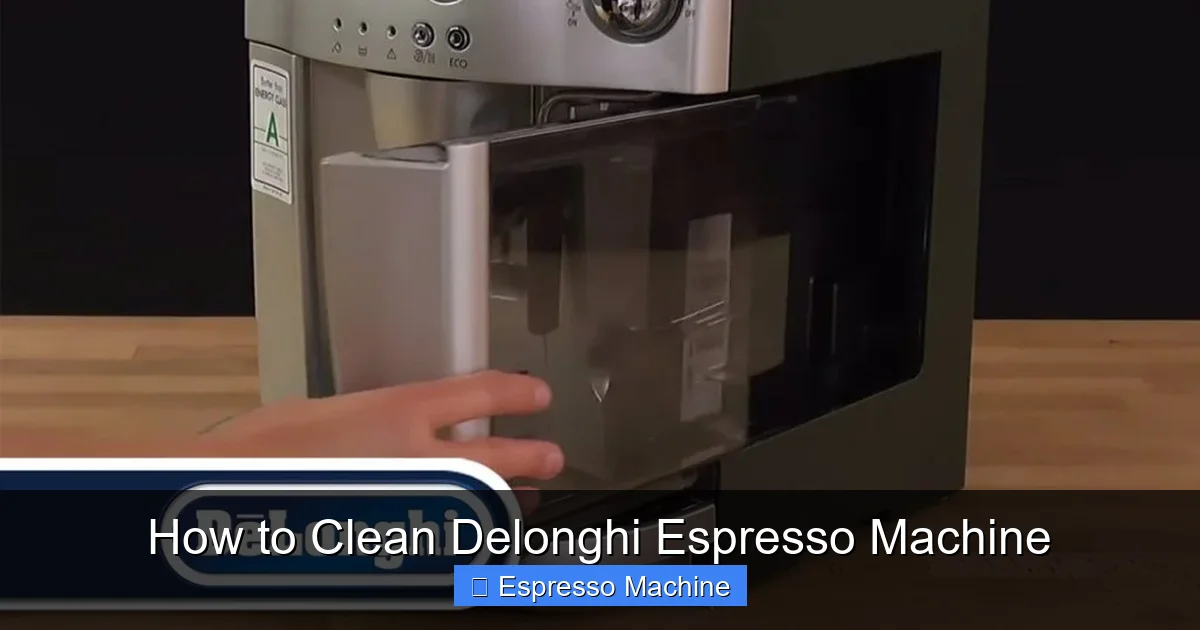
Visual guide about How to Clean Delonghi Espresso Machine
Image source: espressoexpert.net
The easiest way to avoid big cleaning headaches is by doing small things every day. These habits form the foundation of good machine care and are especially important if you’re making multiple drinks in one morning.
Flush With Fresh Water After Use
After pulling your last espresso, don’t just unplug it. Run a short rinse cycle using only hot water—no coffee grounds. This flushes out residual oils and prevents them from hardening into sticky gunk. Most Delonghi models have a “Hot Water” or “Rinse” function; press it for 5–10 seconds.
Empty And Refill The Water Tank Daily
Always start with fresh, cold water in your tank. Stagnant or warm water encourages bacterial growth and increases mineral buildup. If possible, use filtered water—this reduces scale formation and improves flavor clarity. Never let the tank go dry, as running the pump on empty can damage it.
Wipe Down Exposed Surfaces
Use a soft, damp cloth to wipe spills around the drip tray, control panel, and steam wand area. Avoid harsh chemicals that might corrode plastic or damage seals. For tough spots, mix equal parts water and white vinegar—just don’t spray it directly into openings.
Remove And Rinse The Drip Tray And Grille Weekly
Even if they look clean, drip trays collect old grounds and moisture. Wash them in warm, soapy water, rinse thoroughly, and dry before reinserting. A dirty tray means messy countertops and potential overflows.
Weekly Deep Cleaning Routine
Once a week, give your machine a little extra TLC. This routine focuses on removable parts that trap coffee residue and affect taste.
Remove And Clean The Brew Group
For most Delonghi models (like the Magnifica or PrimaDonna), the brew group is accessible via the front panel. Turn off the machine, wait 10 minutes for cooling, then open the service door or lift the top cover. Locate the portafilter—usually attached to a hinged arm.
Gently pull it out and unscrew the handle from the group head. Soak the portafilter basket and shower screen in warm water with a drop of dish soap for 10 minutes. Scrub gently with a soft brush to remove old grounds. Rinse all parts under running water until no soap remains.
Clean The Steam Wand
After frothing milk, always wipe the steam wand tip with a damp cloth immediately. Then purge steam for 2–3 seconds to clear any milk leftovers. At least once a week, soak the tip in warm water with a drop of detergent. Use a paperclip or specialized cleaning needle to poke holes in the tiny steam vents—this prevents blockages.
Descale Every 1–3 Months
Limescale is the enemy of espresso machines. If you live in a hard water area, descale every month. Otherwise, every 2–3 months is usually fine. Use either:
– A commercial descaling solution (like Cafiza or Limescale Remover) mixed per instructions
– Or a DIY blend of equal parts white vinegar and water
Run the descaling cycle through your machine’s menu (usually found under “Service” or “Maintenance”). Let it sit for the recommended time, then run several rinse cycles with fresh water until no smell remains.
Monthly Full-System Sanitization
Every four weeks, treat your machine like a mini spa day. This goes beyond what you do daily and includes sterilizing hidden zones where mold or bacteria love to hide.
Sanitize The Water Tank And Reservoir
Fill the tank halfway with warm water and add 1 tablespoon of food-grade hydrogen peroxide or a diluted bleach solution (1 tsp bleach per gallon, then rinse well). Swirl it around, let it sit for 5 minutes, then pour it out and rinse at least three times with fresh water.
Clean Behind The Brew Group
Use a cotton swab dipped in rubbing alcohol to gently clean dust and debris around the group head gasket and internal seals. Be careful not to push liquid into electrical connections.
Check And Replace Gaskets If Needed
Over time, rubber gaskets around the brew group can crack or stiffen, causing leaks or poor seal integrity. Inspect them monthly. If they look dry or brittle, replace them—most Delonghi models use standard-sized gaskets available online or at specialty stores.
Model-Specific Tips For Popular Delonghi Series
Not all Delonghi machines are built the same, so your cleaning approach may vary slightly depending on your model. Here’s a quick cheat sheet:
Delonghi Magnifica Series (ECAM, ECAMB)
These superautomatics have automated cleaning programs. Access them via the “Cleaning” or “Service” menu. Run the “Cleaning Cycle” after each use and schedule descaling alerts in settings. Note: Some models require removing the water tank to access internal filters.
Delonghi Dedica / Exhausto (BCOE, EX2)
Compact and sleek, these models have fewer removable parts. Focus on wiping the drip tray, cleaning the steam wand thoroughly, and running frequent water-only rinses. Because they’re smaller, descaling is quicker but needs to be done more often due to limited internal volume.
Delonghi PrimaDonna Elite (Model 2)
This premium model includes automatic milk carafe cleaning. After each latte or cappuccino, run the “Clean Carafe” function. Also, pay attention to the internal grind chamber—clean it weekly with a brush designed for burr grinders.
Common Mistakes To Avoid
Even experienced baristas make errors that sabotage machine longevity. Steer clear of these pitfalls:
– Using tap water exclusively: Always use filtered water to minimize scale.
– Skipping the rinse cycle: Coffee oils bond quickly—don’t let them set.
– Over-soaking metal parts: While soaking helps, prolonged exposure to water can warp plastic housings.
– Ignoring warning lights: Many Delonghi models alert you when it’s time to descale or clean. Listen up!
– Pouring vinegar directly into the portafilter: Always dilute vinegar and never use it undiluted for daily cleaning.
If you’re unsure about your specific model, check out our detailed guide on Best Delonghi Espresso Machine for comparisons and user insights.
When To Call A Professional
Most Delonghi issues are preventable with routine care. However, if you notice:
– Persistent error codes despite cleaning
– Strange noises from the pump or motor
– Leaks around the base that won’t stop
– Complete failure to heat or brew
It’s time to contact Delonghi customer support or an authorized service center. Trying to fix complex electrical or mechanical problems yourself could void your warranty.
Final Thoughts: Make Cleaning Part Of Your Ritual
Cleaning your Delonghi espresso machine doesn’t have to feel like a chore. Think of it as part of your morning routine—right after grinding beans or before packing away the milk pitcher. When you treat maintenance with intention, your machine rewards you with better coffee, fewer repairs, and peace of mind.
Remember: consistency beats intensity. A quick rinse now saves hours of scrubbing later. And if you ever wonder whether your current model is worth the investment, our roundup of Best Espresso Machine Easy To Use For Effortless covers top picks for all skill levels.
Now go enjoy that perfectly extracted shot—because a happy machine makes happy moments.
Frequently Asked Questions
How often should I descale my Delonghi espresso machine?
Descale every 1–3 months depending on water hardness. If you notice slower brew times or metallic tastes, descale immediately. Using filtered water can extend the interval.
Can I use vinegar to clean my Delonghi machine?
Yes, but only diluted. Mix equal parts white vinegar and water for descaling. Never use undiluted vinegar or let it sit too long, as acidity can damage seals over time.
Do I need special tools to clean my Delonghi?
Basic supplies suffice: soft brushes, microfiber cloths, a small bottle brush, and cotton swabs. Some models benefit from a dedicated cleaning tablet, which you can find in our guide to How To Clean And Descale A Coffee Maker.
What happens if I don’t clean my Delonghi regularly?
Bitter taste, poor extraction, limescale buildup, and eventual mechanical failure. Residue attracts bacteria and clogs valves, reducing both performance and lifespan.
Is it safe to leave milk in the steam wand overnight?
No. Always purge steam and wipe the wand after each use. Milk proteins solidify quickly and cause irreversible blockages or odors.
Where can I buy replacement gaskets for my Delonghi?
Gaskets are model-specific. Check Delonghi’s official website or trusted retailers. Our article on Best Espresso Machine Under $500 includes user-recommended parts suppliers.
