


The exact point of "how brown do bananas have to be for banana bread" often leaves home bakers scratching their heads. You've got that craving, you're ready to bake, but your banana situation is somewhere between "perfect snacking" and "science experiment." The general consensus among baking experts is that you're looking for bananas that are well past their prime yellow stage.
Scientific analysis confirms that as bananas ripen, their starch content converts into sugars. For instance, according to research published up to 2026, a greener banana with about 20% sugar content will significantly increase in sugar as it ripens. This transformation is key to achieving that moist, sweet, and deeply flavored banana bread we all love.
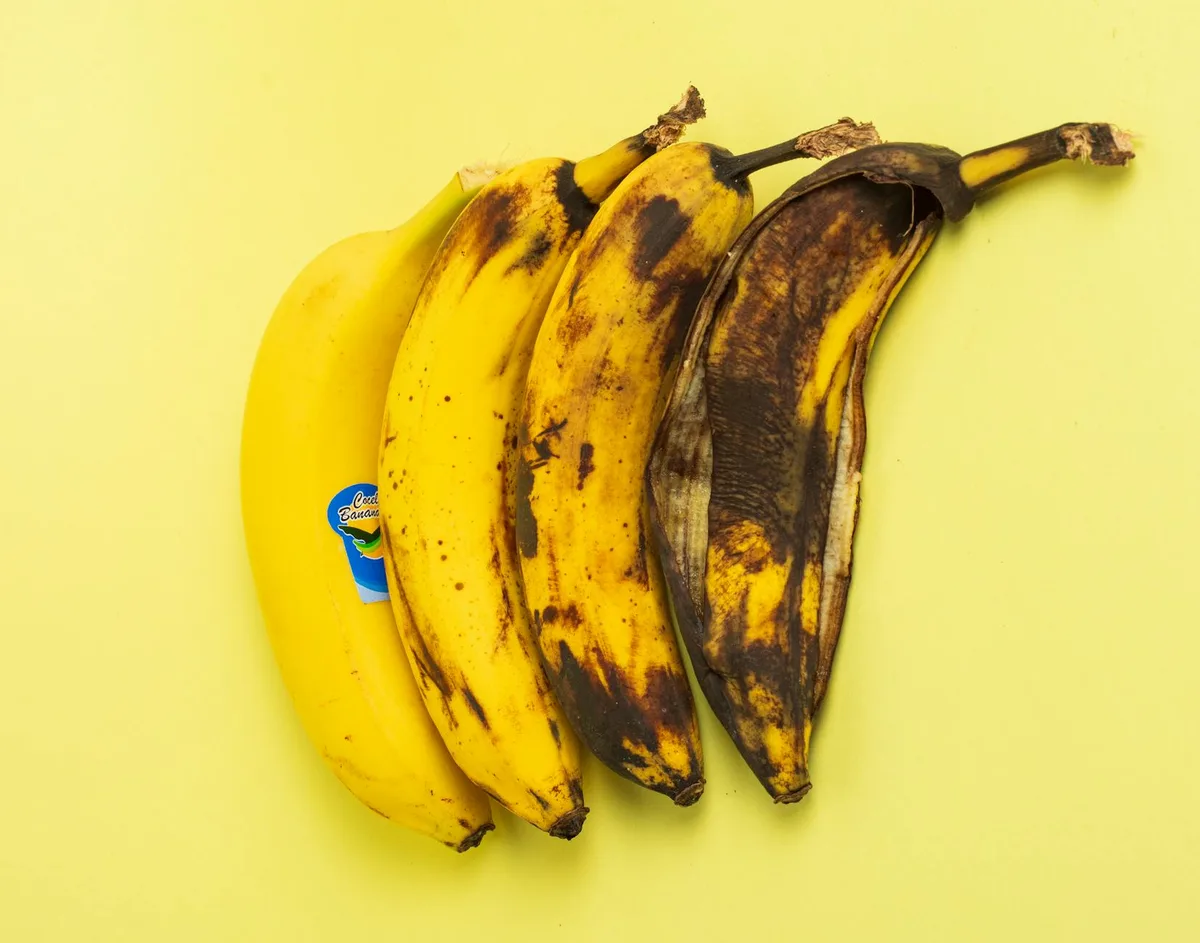
Seeing the Signs: Yellow vs. Brown Spots
When you’re aiming for top-notch banana bread, starting with a bunch of bright yellow bananas is usually a miss. These are ideally suited for your morning cereal or a quick snack, offering a firmer texture and a less pronounced sweetness. While you can use them in a pinch, your final loaf will likely be denser, drier, and require more added sugar to compensate for the underdeveloped natural sugars. You'll notice a more challenging mashing process, too, as the flesh is still quite firm.
This stage is essentially the baseline, before the magic of ripeness really kicks in.
When Bananas Go Full Brown: The Sweet Spot
This is where the real baking potential lies. Your bananas have transitioned from yellow, through a speckled phase, into a state where the peel is predominantly brown. You might even see some black areas, and that’s perfectly fine, in fact, it’s often preferred. The key indicator here is the peel's color, which reflects the internal changes happening within the fruit.
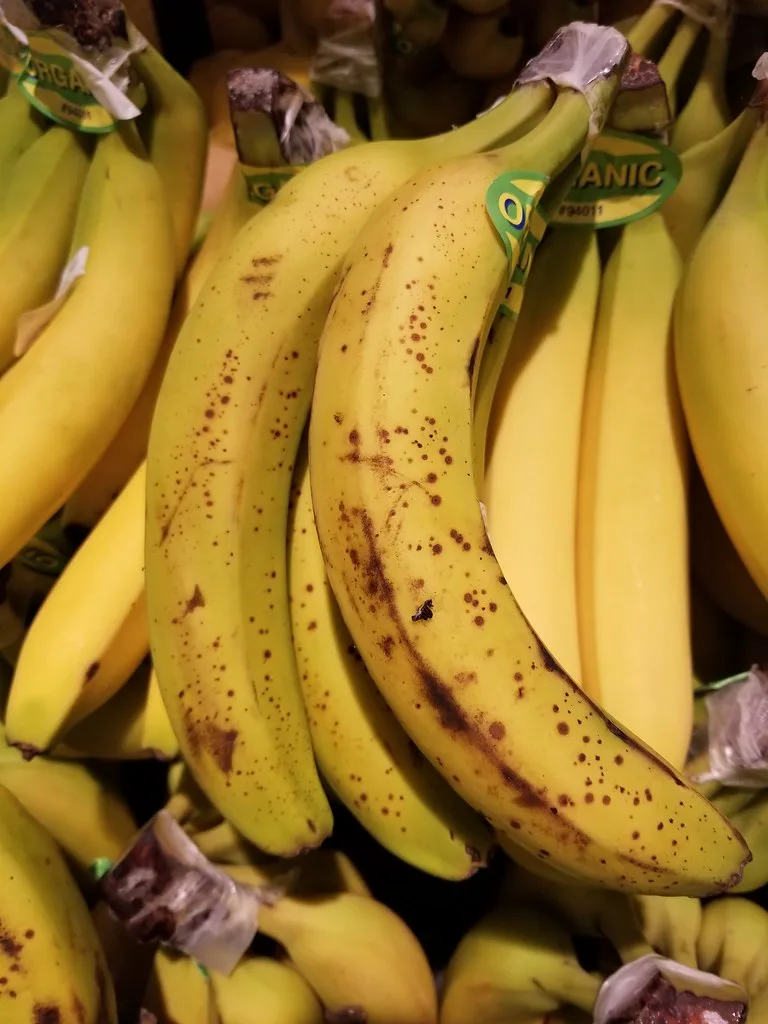
This advanced stage of ripeness signifies a much higher concentration of simple sugars, a direct result of starch conversion. The flesh of the banana will be considerably softer, almost mushy, making it incredibly easy to mash into a smooth batter. This abundance of natural sweetness is what allows for a more flavorful and naturally moist banana bread, often reducing the need for additional sweeteners in the recipe.
The "Black and Soft" Banana Champion
If your bananas are almost entirely black and feel very soft, bordering on mushy, you have found the ultimate ingredient for banana bread. Don't let the appearance fool you; this is the peak of their culinary value for this specific purpose. This advanced ripeness level means the starches have fully converted to sugars, resulting in the deepest, most complex flavor and an intensely moist texture for your baked goods. These are the bananas that will give your bread that signature sweet aroma and rich taste associated with truly great banana bread.
Why Ripeness Equals Sweetness and Softness
The transformation bananas undergo during ripening is a fascinating biological process that directly impacts their suitability for baking. As a banana matures post-harvest, enzymatic reactions within the fruit begin to break down complex carbohydrates, primarily starch, into simpler sugars like glucose, fructose, and sucrose. This conversion is the primary reason why riper bananas taste sweeter.
For example, a standard measurement indicates that an unripe banana might contain upwards of 20% starch, which decreases as ripening progresses. Simultaneously, the enzymes break down cell walls and pectin, leading to a softer, more yielding flesh. This textural change contributes significantly to the moistness and tender crumb that bakers seek in banana bread.
Starch to Sugar: The Science Simplified
Think of it this way: the green exterior of an unripe banana masks a starchy interior, much like a firm uncooked potato. As the days pass and the peel turns yellow, then speckled, and finally brown, a chemical dance is happening inside. Enzymes, acting like tiny molecular chefs, are busy rearranging the starch molecules into sugar molecules. This process is accelerated by ethylene gas, a natural plant hormone bananas release as they ripen.
The more intense the browning on the peel, generally, the higher the sugar content and the softer the banana’s texture will be. This is the core reason why "brown" is the magic word for banana bread.
Quick Ways to Ripen Bananas Faster
Sometimes, you just can't wait for bananas to reach that perfect brown stage naturally. Luckily, there are a couple of reliable tricks to speed things up without compromising the quality for baking. One effective method involves harnessing the power of ethylene gas.
Place your still-yellow bananas inside a brown paper bag. Seal the top loosely so some air can circulate, but the gas released by the bananas gets trapped. This concentration of ethylene gas will accelerate the ripening process, often turning your bananas significantly browner and softer within 24-48 hours, depending on their initial ripeness.
Another method, though it requires a bit more attention, is to simply place the bananas on your countertop in a warm spot. Avoiding direct sunlight, but seeking a warmer ambient temperature, can also encourage faster ripening. For even quicker results (in a matter of minutes, not days), you can carefully peel and slice the bananas and then briefly microwave them on a microwave-safe plate. This process softens them and makes them mashable, though it slightly alters the flavor profile compared to natural ripening.
Mashing Your Way to Banana Bread Bliss
Once your bananas have reached that ideal brown and soft stage, the next step is mashing them for your baking. The beauty of well-ripened bananas is how effortlessly they break down. You won't need much force or fancy equipment for this. A simple fork is usually all you need to get the job done.
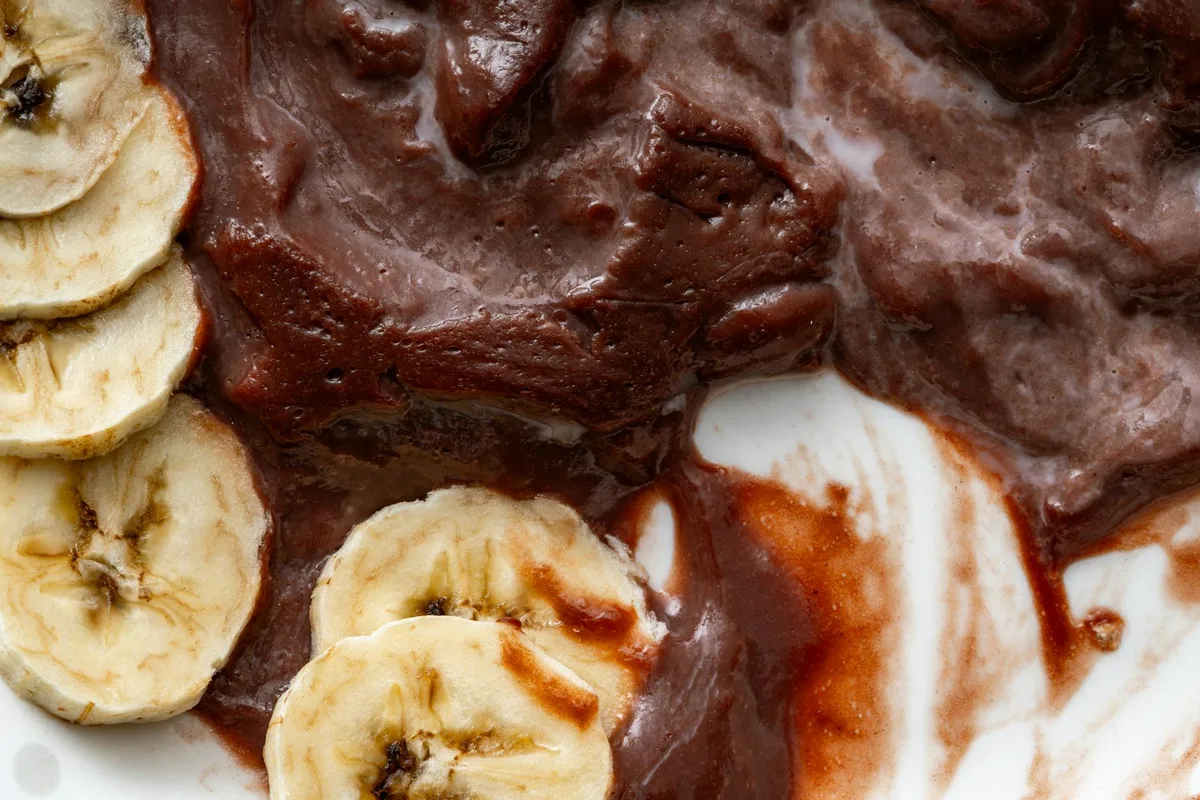
Start by peeling your chosen brown bananas and placing them in a mixing bowl. Begin pressing down with the tines of a fork, working them against the side of the bowl. The softer the banana, the quicker it will break apart into a smooth or slightly lumpy paste, depending on your preference. Aim for a consistency that’s mostly smooth, with perhaps a few small fruit chunks remaining if you enjoy that texture in your banana bread.
This easy mashing process is a clear indicator that you've selected the right bananas for your recipe.
Common Banana Bread Baking Blunders
A frequent mistake bakers make is using bananas that are not ripe enough. When you're tempted by those yellow bananas, remember they haven't reached their peak sugar content or optimal softness for baking. This often results in a bread that's too dense and lacks the signature sweetness and moisture that makes banana bread so beloved.
Another pitfall is overthinking the "brown" aspect. Some bakers might worry about entirely black peels, thinking the fruit is spoiled. However, a blackened peel on a banana that is still firm might indicate spoilage, but a blackened peel on a soft banana is actually a sign of ideal ripeness for baking. It's the combination of deep brown or black peel with a soft, yielding texture underneath that signals peak readiness for your recipe.
Your Banana Bread Ripeness Checklist
To ensure your banana bread turns out perfectly moist and sweet every time, keep this simple checklist in mind. It’s your go-to guide for selecting the best bananas for your baking projects.
- Peel Color: Look for bananas that are at least 75% covered in brown spots or large brown patches. An entirely black peel on a soft banana is often the best indicator. Avoid bananas that are still mostly yellow, even with a few small brown specks.
- Texture: The banana should feel soft and yield easily to gentle pressure. If it still feels firm or requires significant force to mash, it's likely not ripe enough.
- Ease of Mashing: A truly ripe banana will mash very easily with just a fork, creating a smooth or slightly chunky puree with minimal effort.
- Sweetness: While subjective, a ripe banana will have a noticeably sweet aroma and taste. If it still has a starchy flavor, it needs more time.
By following these visual and tactile cues, you can consistently choose bananas that will deliver the superior flavor and texture your banana bread deserves.
What Brown Bananas Bring to the Table
The benefits of using well-ripened, brown bananas for banana bread are significant and directly impact the final product. Primarily, you're looking at an enhanced sweetness. As starches convert to natural sugars, the banana develops a deep, caramel-like flavor that infuses the entire loaf. This means your banana bread will likely require less added sugar, making it a slightly healthier and more naturally sweet treat.
Beyond sweetness, these riper bananas contribute a crucial element of moisture. Their softened flesh readily releases moisture during baking, leading to a tender crumb that isn't dry or crumbly. This makes the bananas not just a flavor enhancer, but a critical component for achieving that desirable moist texture characteristic of excellent banana bread.
Quick Ways to Ripen Bananas Faster
Sometimes, your baking plans call for speed, and waiting for bananas to naturally turn brown can take days. Fortunately, a couple of methods can expedite this process without compromising the quality for baking. One tried-and-true technique involves using a simple brown paper bag.
Place your still-yellow bananas inside a brown paper bag and seal the top. The bag traps the natural ethylene gas released by the bananas, which acts as a ripening accelerant. Within 24 to 48 hours, you'll notice your bananas developing those desirable brown spots and softening up considerably. This is a quick way to get from a snacking banana to a baking banana faster.
Mashing Your Way to Banana Bread Bliss
Once your bananas have achieved that ideal state of brown peel and soft flesh, the next step is mashing them for your batter. The beauty of these super-ripe bananas is their effortless transformation into a smooth or slightly lumpy puree. You really don't need any special equipment or Herculean effort for this.
A standard kitchen fork is usually sufficient. Just place the peeled bananas in a bowl and begin pressing down with the fork. The softer the banana, the more readily it will break down. Aim for a consistency that’s mostly smooth, perhaps with a few small fruit chunks remaining if you enjoy that texture.
This ease of mashing is a strong indicator that you've selected the right bananas for your recipe, setting you up for success.
Common Banana Bread Baking Blunders
A frequent misstep for aspiring banana bread makers is using bananas that haven't ripened sufficiently. When you're tempted by yellow bananas, remember they haven't yet reached their prime for baking. This leads to a bread that's often too dense and significantly lacks the signature sweetness and moisture we associate with great banana bread.
Another common error is misunderstanding the "brown" cue. Some bakers might mistakenly discard bananas with entirely black peels, assuming they are spoiled. However, a black peel on a truly soft banana is actually a sign of peak ripeness for baking. It's the combination of deep brown or black peel with a soft, yielding texture underneath that truly signals readiness for your recipe.
Your Banana Bread Ripeness Checklist
To consistently bake moist and sweet banana bread, keeping a simple visual and tactile checklist is invaluable. This guide helps you pinpoint the perfect bananas, turning guesswork into reliable results every time.
- Peel Appearance: Aim for bananas where the peel is at least 75% covered in brown spots or large brown patches. A peel that is mostly or entirely black on a soft banana is often ideal. Avoid bananas that are still predominantly yellow, even with only a few minor speckles.
- Firmness: Gently squeeze the banana. It should feel soft and yield easily to pressure. If it still feels firm or resistant, it needs more time to ripen.
- Mashability: The true test is how easily it mashes. A perfectly ripe banana will break down into a smooth or slightly chunky paste with minimal effort using just a fork.
- Aroma: Ripe bananas typically have a stronger, sweeter fragrance. If the banana smells starchy or has little scent, it's probably not ready.
By consistently applying these criteria, you can confidently select bananas that will elevate your banana bread from good to exceptional.
