


When you've spent hours cooking down apples into sweet, smooth applesauce, the last thing you want is to open a jar and find it's turned a disappointing shade of brown or, worse, spoiled. Figuring out the little details, like whether to add lemon juice, can make all the difference in preserving your hard work. For home canners aiming for both quality and safety, understanding the role of acid is key.
Aggregate user reviews and food safety guidelines consistently highlight the importance of proper acidification for canning fruits. For instance, the National Center for Home Food Preservation, a leading authority, specifies target pH levels for safe water bath canning, often recommending an acid addition for foods like applesauce that naturally fall on the borderline. So, let's break down what's really happening when you consider adding that squeeze of lemon.
Why Adding Lemon Juice to Canning Applesauce Matters
You've probably wondered if that little bit of lemon juice is just a flavor trick or if it actually does something important when you seal up jars of applesauce. In our research, we found it plays a dual role, directly impacting both the appearance and the long-term safety of your canned fruit. It's not just about taste, though that's a factor too.
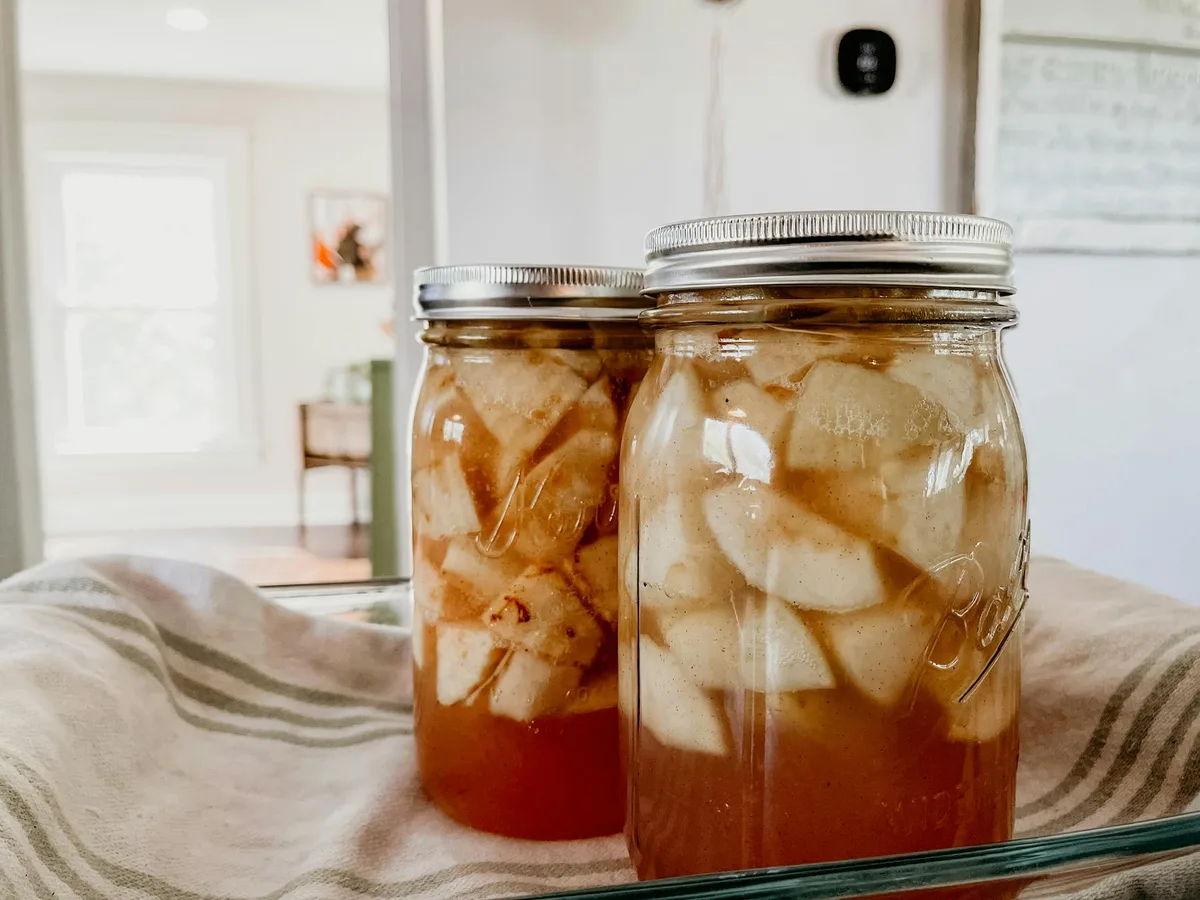
Think of it as a small but mighty addition that goes to work as soon as it hits the applesauce. It helps keep that vibrant, appealing color and significantly contributes to making sure your applesauce stays safely preserved on your pantry shelf. Without it, you might face issues with browning and reduced shelf stability.
The Quick Answer: Do You Need It?
So, do you absolutely need to add lemon juice when canning applesauce? The short answer is: it's highly recommended, almost essential, for optimal results and safety. While applesauce can be canned without it and still remain safe if processed perfectly and consumed quickly, skipping the lemon juice significantly increases the risk of undesirable browning and shortens its safe shelf life.
For extended storage, aiming for quality color, and ensuring the highest safety margin, especially when using a water bath canner, adding lemon juice is a proactive step that aligns with best practices. It's a low-cost, high-impact ingredient for any home canner.
Color Thief! How Apples Turn Brown and Why Lemon Juice Helps
Ever notice how cut apples, or even cooked apples, can get a dull, brownish tint after a while? That's thanks to an enzymatic reaction called oxidation. When the enzymes inside the apple are exposed to oxygen, they start a process that turns the apple's flesh a less-than-appetizing brown. This happens naturally as apples are exposed to air, especially during cooking and in the jar.
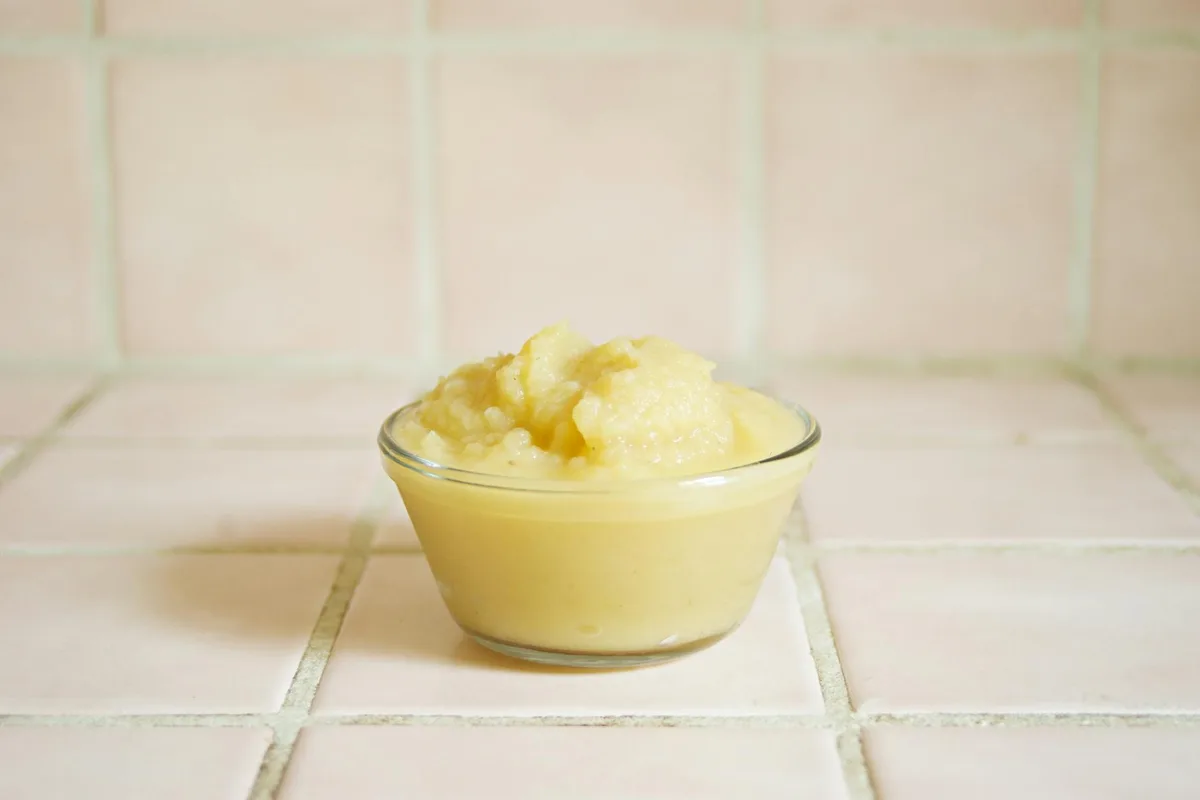
Lemon juice, being acidic, acts as an antioxidant and an enzyme inhibitor. By adding lemon juice to your applesauce, you lower the pH. This acidic environment significantly slows down the work of those browning enzymes, helping to preserve the bright, fresh color of your applesauce. It keeps that appealing golden hue, making your canned product look just as good as it tastes when you finally open it.
The Acid Factor: Boosting Your Applesauce's Safety Score
When we talk about canning, safety is the absolute top priority. For fruits, including applesauce, safe water bath canning relies heavily on the food's natural acidity. Low-acid foods can harbor dangerous bacteria, like Clostridium botulinum, which can cause botulism, a serious illness.

Apples naturally have a pH that hovers around the borderline for safe water bath canning. However, processing steps and variations in apple types can sometimes push that pH just high enough to be a concern. This is where adding an acidifier, like lemon juice, becomes crucial.
How Acidity Protects Your Canned Goods
The increased acidity from lemon juice lowers the overall pH of the applesauce. According to acidity level charts, a pH below 4.6 is generally considered safe for water bath canning. This acidic environment creates an unfavorable condition for the growth of many spoilage microorganisms and the deadly botulinum bacteria.
What's the Right pH for Canning?
For fruits processed in a water bath canner, the recommended pH is typically below 4.6. If your applesauce's natural pH is borderline, adding a measured amount of lemon juice ensures it firmly meets this safety requirement. Manufacturer specifications for canning equipment and recipes from reliable sources, like the NCHFP, consistently emphasize maintaining these pH levels. As of 2026, these guidelines remain the standard for home food preservation.
Flavor Friend or Foe? Lemon's Taste Impact
Beyond color and safety, lemon juice adds a subtle, tangy dimension to applesauce that many people enjoy. It can cut through the inherent sweetness of cooked apples, creating a more balanced and complex flavor profile. For some, this brightness is a welcome enhancement, making the applesauce taste less one-dimensional and more refreshing.
However, taste is highly personal. If you prefer your applesauce to be purely sweet with no hint of citrus, the addition of lemon juice might be undesirable. Some recipes might call for more lemon juice than others, depending on the desired final flavor. It’s worth noting that the amount typically recommended for preservation (around 2 tablespoons per quart) usually adds just a detectable tang, not an overpowering lemon flavor, especially once the applesauce has been canned and its flavors have melded.
How Much Lemon Juice Should You Add Per Quart?
When you decide to add lemon juice to your applesauce for canning, knowing the right amount is important. Too little might not give you the full benefit for color or safety, while too much could make your applesauce taste unexpectedly sour. Our research, guided by established canning standards, points to a consistent recommendation.
For boosting both color and safety when water bath canning applesauce, the general guideline is to add 2 tablespoons of bottled lemon juice per quart (which is about 4 cups or 946 ml) of prepared applesauce. This amount is specifically for bottled lemon juice, which offers a more consistent acidity level than fresh lemons.
When You Can Probably Skip the Lemon Juice
While adding lemon juice is usually beneficial for canning applesauce, there are situations where you might get by without it. These scenarios typically involve shorter storage times or different preservation methods that don't rely as heavily on high acidity for safety. It's about managing your risk based on when you plan to consume the applesauce.
If you're making a small batch of applesauce that you know you'll be eating within a week or two, and it's going straight into the refrigerator, the need for added lemon juice diminishes significantly. Refrigeration slows down spoilage processes, and the shorter time frame means color degradation is less of an issue.
Short-Term Storage Safety
In the fridge, the cold temperatures dramatically inhibit the growth of most bacteria and molds. Applesauce stored properly in an airtight container in the refrigerator should remain safe and palatable for about 7 to 10 days. During this period, the natural acidity of the apples is usually sufficient to prevent rapid spoilage, and the color change will also be minimal.
Freezing vs. Canning Applesauce
Freezing offers an alternative preservation method that doesn't depend on acidity. When applesauce is frozen, the low temperatures effectively halt microbial activity, making it very safe for long-term storage. While freezing can sometimes affect the texture slightly upon thawing, it generally preserves the flavor and color quite well without any need for acidifiers. Many find freezing a simpler process for applesauce if immediate canning isn't the goal.
Common Canning Applesauce Mistakes to Sidestep
Even with the best intentions, sometimes things go a bit awry in the canning process. One common misstep is not properly preparing the apples or the canning equipment. Another frequent oversight is related to the very topic we're discussing, either omitting acidifiers like lemon juice when they're needed or not using enough to make a difference.
Incorrect processing times or temperatures are also big culprits for spoilage or compromised safety. Forgetting to vent jars before sealing, or not ensuring a proper seal after processing, can lead to spoilage or unsafe conditions. Reviewing trusted canning procedures with each batch is always a good practice.
Expert Tips for Brighter, Safer Applesauce
To ensure your homemade applesauce is both delightful to eat and safely preserved, a few expert tips can make a difference. Think of these as the fine-tuning elements that elevate your canning game from good to great. They focus on ingredient quality, process adherence, and understanding the "why" behind each step.
Using Bottled Lemon Juice vs. Fresh
When it comes to canning applesauce, particularly for ensuring consistent acidity, bottled lemon juice is generally the preferred choice. Manufacturer specifications for bottled lemon juice confirm a standardized acidity level, typically around 5% citric acid. This predictable level is crucial for achieving the required pH for safe water bath canning, as recommended by food safety authorities. Fresh lemon juice can vary significantly in its acidity based on the lemon's ripeness and variety, making it less reliable for achieving precise pH targets in canning.
