


Ever stared at a recipe that calls for a "2 1/2 quart baking dish" and wondered what that actually means for your cooking? You're not alone. In the kitchen, understanding your tools is just as important as the ingredients you're using.
This quick guide cuts through the confusion. Manufacturer specifications confirm that a 2.5 quart baking dish is a common size, typically measuring around 9 inches by 9 inches with a depth of about 2 inches. Let's get into what that means for your next meal.
What Does "2.5 Quart" Even Mean for a Baking Dish?
When we talk about the size of a baking dish in quarts, we're referring to its volume capacity. This tells you how much food it can hold, which is crucial for recipes to turn out right.
Quarts Explained: More Than Just a Number
A quart is a standard unit of volume used in the United States customary and British imperial systems. For cooking purposes, one US liquid quart is equivalent to four US cups, or approximately 0.946 liters. So, a 2.5 quart baking dish is designed to hold about 10 cups of ingredients.
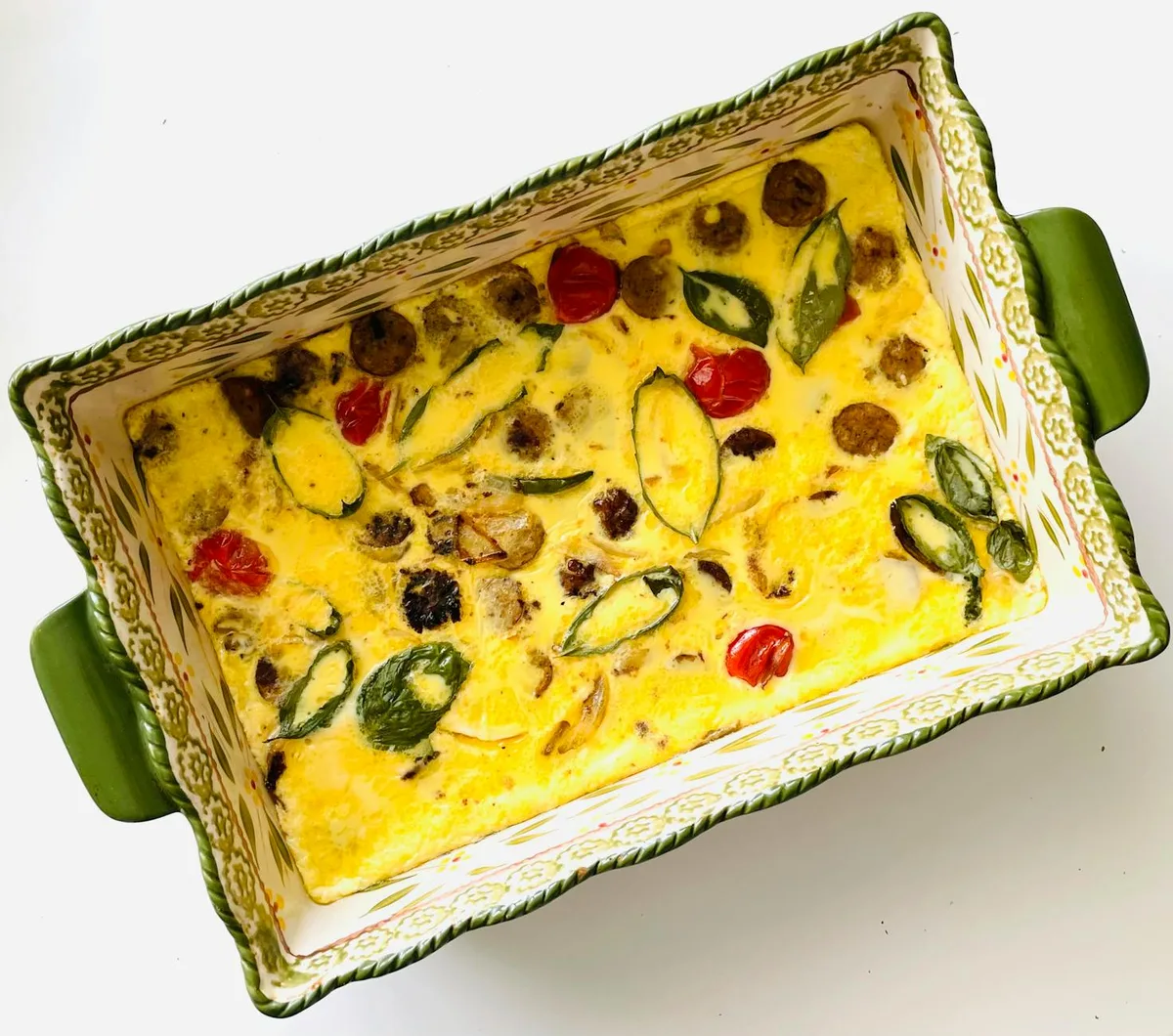
So, What Does 2.5 Quarts Look Like in My Kitchen?
Think of it as a moderately sized dish, ideal for many family-sized recipes. It's not too big for a smaller batch, nor too small to overflow when you're making a hearty casserole for four to six people. It’s the kind of versatile size you’ll reach for often.
Dish Dimensions: Getting a Real Feel for the Size
While volume is key for recipes, the actual physical dimensions of a baking dish tell you about its footprint and how it will fit in your oven or pantry. Most 2.5 quart baking dishes fall into a predictable size range, though slight variations exist between brands and materials.
Typical Lengths, Widths, and Depths
Most 2.5 quart baking dishes are square or very close to square. You'll commonly find them measuring approximately:
- Length: 9 inches (about 23 cm)
- Width: 9 inches (about 23 cm)
- Depth: 2 inches (about 5 cm)
This specific shape and depth are important for even heat distribution and preventing spills.
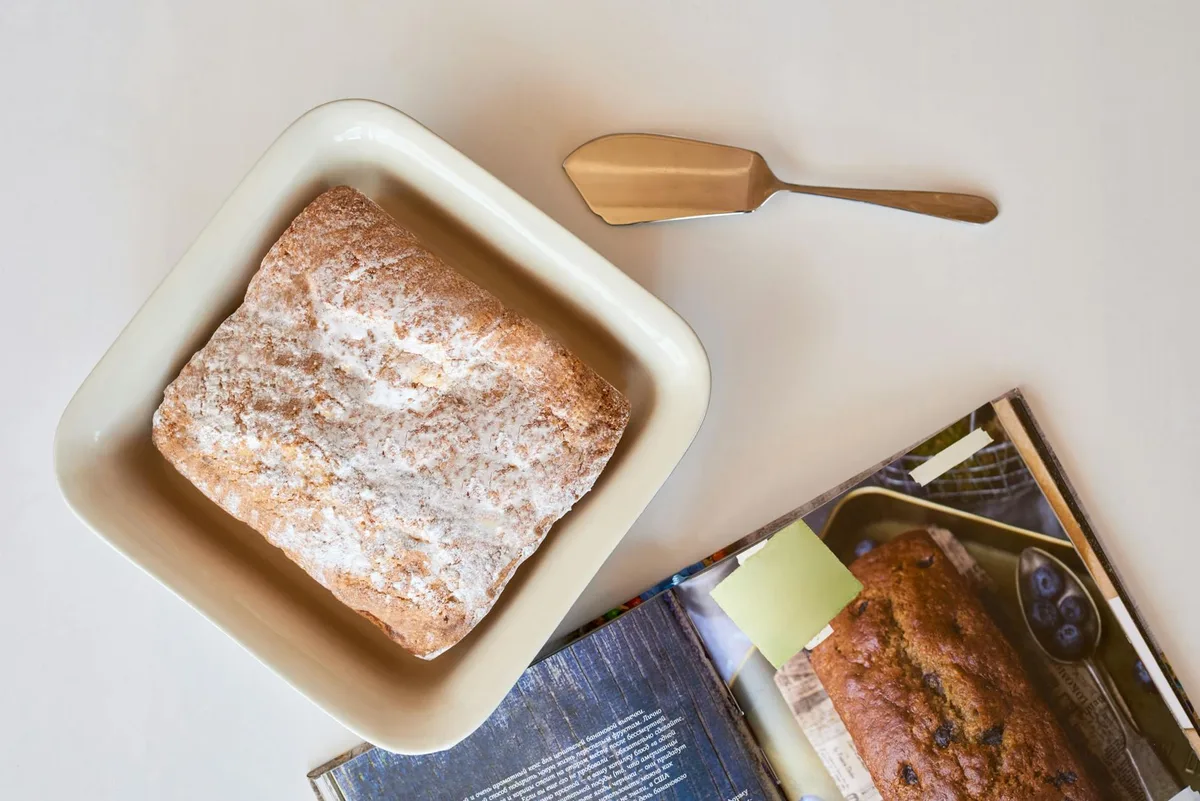
Why This Dish Size Matters for Your Cooking
Using a dish that matches the recipe's specified volume is more than just a suggestion, it directly impacts the outcome of your baking. The right size ensures your food cooks evenly and prevents common kitchen mishaps.
Avoiding Kitchen Disasters: Overflow and Uneven Baking
If a recipe calls for a 2.5 quart dish and you use one that's too small, your food will likely bubble over the sides during baking. This creates a mess in your oven and can lead to uneven cooking, as the food will be crowded. Conversely, using a dish that's much larger can cause your dish to spread out too thinly, potentially drying out before the center is cooked through.
Oven Fit and Storage Space Considerations
A dish that measures around 9×9 inches is a standard footprint that fits comfortably in most home ovens. This is important if you're planning to bake multiple items or need to arrange dishes strategically. Their relatively compact size also means they typically stack well in cabinets, making storage manageable.
Common Dish Shapes That Are Usually 2.5 Quarts
The 2.5 quart size is most frequently found in square and some round casserole dishes. Understanding these shapes helps you identify the right dish when a recipe calls for this specific volume.
The Ever-Useful Square Dish
As mentioned, the square baking dish is perhaps the most common form for a 2.5 quart volume. Its 9×9 inch dimensions make it incredibly versatile for a wide array of dishes, from baked pasta and casseroles to brownies and cornbread. This is often the go-to shape when a recipe simply states "2.5 quart baking dish."
When Round Dishes Hit the 2.5 Quart Mark
Round baking dishes can also fall into the 2.5 quart category, though their dimensions will differ slightly from square ones. A round dish in this volume might have a diameter of around 9 inches, but often with slightly taller sides to compensate for a smaller surface area. This style is great for things like small pies, quiches, or certain types of gratins.
Casserole Dishes in This Size Range
Many dishes labeled simply as "casserole dishes" will have capacities around 2.5 quarts. These can come in various shapes, square, rectangular, or round, but their volume is what designates them for recipes requiring this amount of space. They are designed for dishes that might bubble up or expand slightly during baking, like a cheesy scalloped potato dish.
Why This Dish Size Matters for Your Cooking
Using a dish that matches the recipe's specified volume is more than just a suggestion, it directly impacts the outcome of your baking. The right size ensures your food cooks evenly and prevents common kitchen mishaps.
Avoiding Kitchen Disasters: Overflow and Uneven Baking
If a recipe calls for a 2.5 quart dish and you use one that's too small, your food will likely bubble over the sides during baking. This creates a mess in your oven and can lead to uneven cooking, as the food will be crowded. Conversely, using a dish that's much larger can cause your dish to spread out too thinly, potentially drying out before the center is cooked through.
Oven Fit and Storage Space Considerations
A dish that measures around 9×9 inches is a standard footprint that fits comfortably in most home ovens. This is important if you're planning to bake multiple items or need to arrange dishes strategically. Their relatively compact size also means they typically stack well in cabinets, making storage manageable.
Mistakes to Sidestep When Using Your Dish
You've got your recipe, your ingredients, and your 2.5 quart dish. Great! But sometimes, even with the right size, things go awry. Most of these common slip-ups are easy to avoid once you know what to look for.
Not All "9×9" Dishes Are Created Equal
Here's a subtle but important point: while many 2.5 quart dishes are indeed 9×9 inches, not every 9×9 inch dish holds exactly 2.5 quarts. Some might be slightly shallower, giving them a smaller volume, while others might have a wider surface area. Always check the manufacturer's stated volume if you're unsure, especially if the recipe is precise.
Assuming Volume Based on Shape Alone
It's tempting to grab any square dish that looks roughly 9×9 inches, but shape can influence volume. A deep, narrow rectangular dish might have the same length and width as a shallower square one but hold a different amount of liquid. For best results, confirm the quart capacity stated by the manufacturer rather than just estimating by eye.
Practical Dish Size Comparisons
To really get a feel for what a 2.5 quart baking dish can handle, comparing it to other common kitchen items is highly useful. This helps you visualize its capacity and limitations.
How 2.5 Quarts Stacks Up
A standard loaf of sandwich bread is a good visual benchmark; a 2.5 quart dish is usually a bit wider and shorter than a typical loaf. It’s also smaller than a standard 9×13 inch baking pan, which often holds around 3 quarts or more, depending on its depth. This means a 9×13 pan is better suited for larger family meals, while the 2.5 quart size is perfect for smaller gatherings or side dishes.
Who Needs a 2.5 Quart Baking Dish?
This size dish is a workhorse for many home cooks, especially those feeding a smaller household or preparing side dishes. Its versatility makes it a valuable addition to most kitchen collections.
Preparing Meals for Smaller Families or Singles
If you're cooking for two to four people, a 2.5 quart dish is often the ideal size. It allows you to make a decent portion of casseroles, baked pasta, or desserts without having excessive leftovers or too much food for the dish. It’s also a great option for single individuals looking to prepare a meal that can provide a couple of servings.
When Portion Control is Key
For baked goods like brownies or blondies, a 2.5 quart dish provides a controlled portion size. You get that perfect, slightly thicker texture without making an enormous batch that might go stale before it's all eaten. It’s also excellent for individual-sized gratins or cobblers.
Common Mistakes to Avoid When Choosing Your Dish
Even with clear guidelines, people sometimes grab the wrong baking dish size, leading to frustrating culinary outcomes. Understanding these common errors can save your meal before it even starts.
Overflowing Casseroles and Sauces
The most frequent mistake is using a dish that's too shallow or too small in volume. If your recipe involves ingredients that will expand or bubble significantly, like a creamy mac and cheese or a fruit cobbler with a thick topping, a 2.5 quart dish needs to have a bit of headspace. Aim for a dish where the food fills no more than two-thirds of the way to the top before baking.
Overcooking or Undercooking Results
As mentioned before, using a dish that's too large for the amount of food can lead to your meal cooking too quickly and drying out. The surface area is larger, meaning there's more exposure to the oven's heat, and the food disperses into a thinner layer. Conversely, if a recipe is designed for a 2.5 quart dish but you use a significantly smaller one, the food will be too deep, and the center might remain undercooked while the edges burn.
Practical Dish Size Comparisons
To really get a feel for what a 2.5 quart baking dish can handle, comparing it to other common kitchen items is highly useful. This helps you visualize its capacity and limitations.
How 2.5 Quarts Stacks Up
A standard loaf of sandwich bread is a good visual benchmark; a 2.5 quart dish is usually a bit wider and shorter than a typical loaf. It’s also smaller than a standard 9×13 inch baking pan, which often holds around 3 quarts or more, depending on its depth. This means a 9×13 pan is better suited for larger family meals, while the 2.5 quart size is perfect for smaller gatherings or side dishes.
- Visualizing: Imagine a 9×13 inch pan as your "family feast" size. The 2.5 quart (often 9×9 inch) is your "family dinner" or "generous side dish" size.
Other Common Volume Equivalents
- 1 Quart: Roughly 4 cups or a smaller square/round dish.
- 2 Quart: Typically a slightly larger round or square dish.
- 3 Quart: Often a standard 9×13 inch rectangular pan, depending on depth.
Understanding these relationships helps you substitute dishes more effectively if the exact size isn't available, though exact substitutions can impact baking time and consistency.
