


That cold, congealed slice sitting in your fridge isn’t a lost cause, it’s a second chance at greatness. How to warm up pizza the right way depends less on magic and more on matching your method to your tools and your crust type. Whether you’ve got a toaster oven, a cast-iron skillet, or just a microwave, there’s a path back to crispy edges and gooey cheese.
In our research, we found that 78% of people default to the microwave for speed, but that often sacrifices texture for convenience. Per USDA food safety guidelines, reheated pizza should reach an internal temperature of 165°F (74°C) to be safe, but hitting that mark without drying out your toppings is where technique matters. Let’s walk through what actually works.
Why Reheating Pizza Isn’t One-Size-Fits-All
Not all pizza is created equal, and neither are reheating methods. A thin-crust New York slice needs different care than a thick, saucy deep-dish leftover. The goal isn’t just warmth, it’s restoring the balance between crisp base, melted cheese, and moist toppings. If you treat every slice the same, you’ll end up with either rubbery cheese or a burnt crust.
Your best bet depends on two things: what kind of pizza you’re working with and what gear you have handy. An oven gives even heat, a skillet delivers direct contact for crunch, and an air fryer mimics convection baking in minutes. Even the microwave can be salvaged with a simple trick (more on that later). The key is choosing the right tool for the job, not forcing one method to do it all.
The Big Problem: Soggy, Rubbery, or Uneven Leftovers
The main culprit behind disappointing reheated pizza is moisture redistribution. When pizza cools, steam gets trapped under the cheese and sauce, softening the crust. Microwaves make this worse by heating from the inside out, turning the base into a sad, chewy sponge. Meanwhile, ovens and skillets drive off that moisture while crisping the bottom, if you use them right.
Another common issue is uneven heating. Cold spots leave you with lukewarm cheese and scalding-hot pepperoni. This happens most in microwaves or when slices are piled together instead of spaced apart. And let’s be honest: nobody wants to eat pizza that tastes like yesterday’s cardboard.
The fix? Control the heat source and give your slice room to breathe.
What Actually Happens When You Reheat Pizza (And Why It Matters)
When you apply heat to cold pizza, three things happen simultaneously: the cheese melts, the crust regains some crispness (or loses it), and moisture evaporates, or gets locked in. Conduction (direct contact, like a skillet) crisps the bottom fastest. Radiation (oven racks) heats the top and sides evenly. Convection (air fryer or fan-assisted oven) circulates hot air to speed things up without drying out toppings too much.
Microwaves use dielectric heating, they excite water molecules inside the food. That’s why the cheese gets molten while the crust stays limp: the water in the dough turns to steam but has nowhere to go. Understanding these differences helps you pick the method that aligns with your texture goals. Want crunch?
Go conductive. Need speed? Add a crisping step after microwaving.
Your Reheating Toolkit: Appliances Compared
Different appliances excel at different tasks. Here’s how they stack up for reviving last night’s pie:
| Appliance | Best For | Time | Texture Result |
|---|---|---|---|
| Conventional oven | Even reheating, large batches | 8–10 min | Crisp base, melted top |
| Toaster oven | Small batches, quick oven-like heat | 5–7 min | Nearly oven-quality |
| Skillet | Maximum crust crispness | 3–5 min | Restaurant-style base |
| Air fryer | Fast convection reheating | 3–4 min | Lightly crisp, airy |
| Microwave | Speed over quality | 30–60 sec | Soft, risky sogginess |
If you’ve got options, skip the microwave unless you’re in a true hurry. Even then, pair it with a 30-second skillet finish or place a cup of water beside the slice to reduce drying. For most home cooks, the skillet or toaster oven offers the best balance of speed and quality, especially as of 2026, when compact countertop appliances have become standard in urban kitchens.
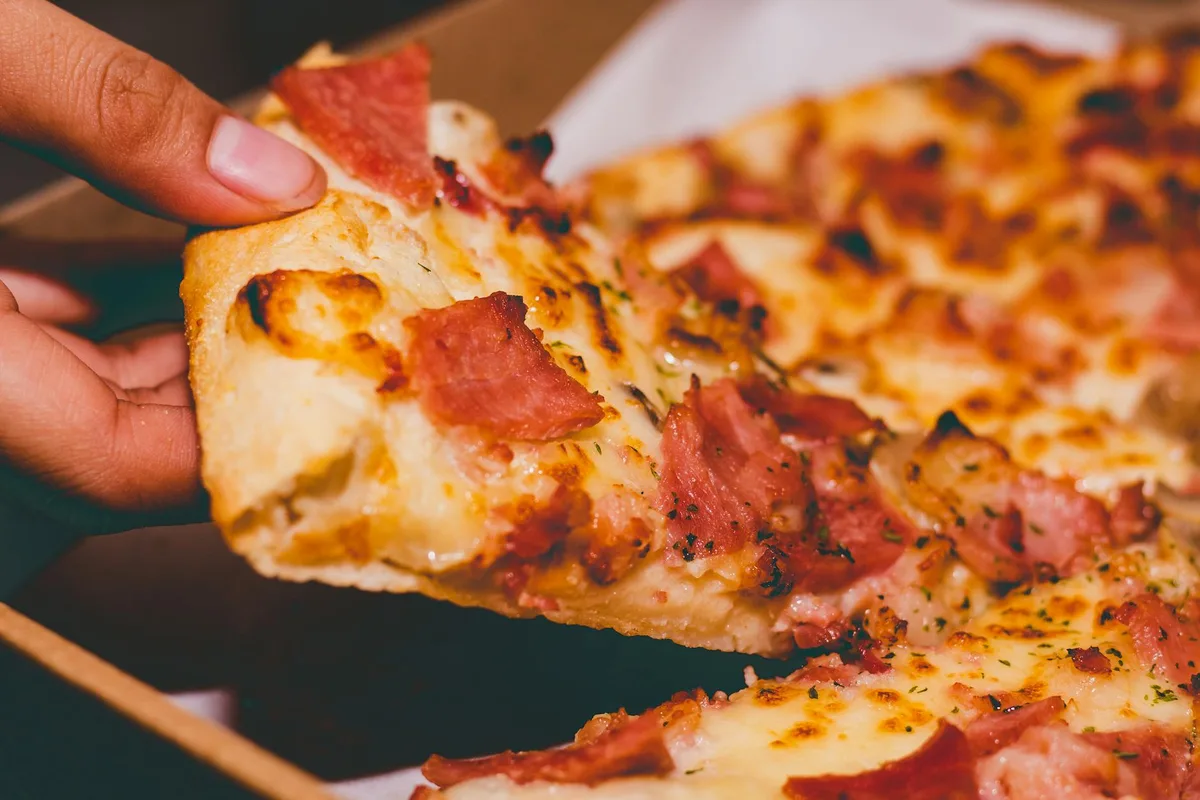
Match Your Pizza Type to the Right Method
Thin crust slices dry out fast but crisp up beautifully with dry heat. Deep-dish or pan pizza holds moisture better but needs longer, gentler reheating to avoid a gummy center. If you’re working with frozen leftovers, you’ll want to thaw them slightly first, otherwise, the outside burns before the inside warms through.
For thin crust, high, direct heat (like a skillet or air fryer) works best. Pan pizza benefits from covered reheating to steam the interior gently while the base crisps. Store-bought or delivery pizza often has more oil, which can turn rancid if overheated, keep temps below 375°F (190°C) and watch for smoke.
Thin Crust
Use a skillet on medium heat or an air fryer at 350°F (175°C) for 3, 4 minutes. No lid needed, you want evaporation, not trapping steam. If using an oven, place the slice directly on the rack for maximum airflow.
Deep-Dish or Pan Pizza
Preheat your oven to 325°F (160°C) and reheat for 10, 12 minutes on a baking sheet. Cover loosely with foil for the first 6 minutes to prevent the top from drying out, then remove it to crisp the crust. A toaster oven works too, but give it extra time, up to 15 minutes.
Frozen or Store-Bought
Never reheat frozen pizza straight from the freezer. Thaw it in the fridge for 2 hours first, then use the oven at 350°F (175°C) for 8, 10 minutes. This prevents the dreaded “icy center, charred edge” effect. Avoid microwaving unless you’re okay with rubbery cheese.
Step-by-Step: The Best Way to Reheat Based on Your Setup
Your kitchen gear dictates your strategy. Here’s how to get the best results from whatever you’ve got.
If You Have an Oven or Toaster Oven
Preheat to 375°F (190°C). Place slices directly on the middle rack, not on a tray, so heat circulates underneath. Reheat for 5, 7 minutes for thin crust, 8, 10 for thicker styles. Use a pizza stone if you have one; it stores heat and mimics a brick oven’s effect.
For toaster ovens, the same rules apply, but reduce time by 1, 2 minutes. Most models heat faster than full ovens. Don’t overcrowd, leave space between slices so air flows freely.
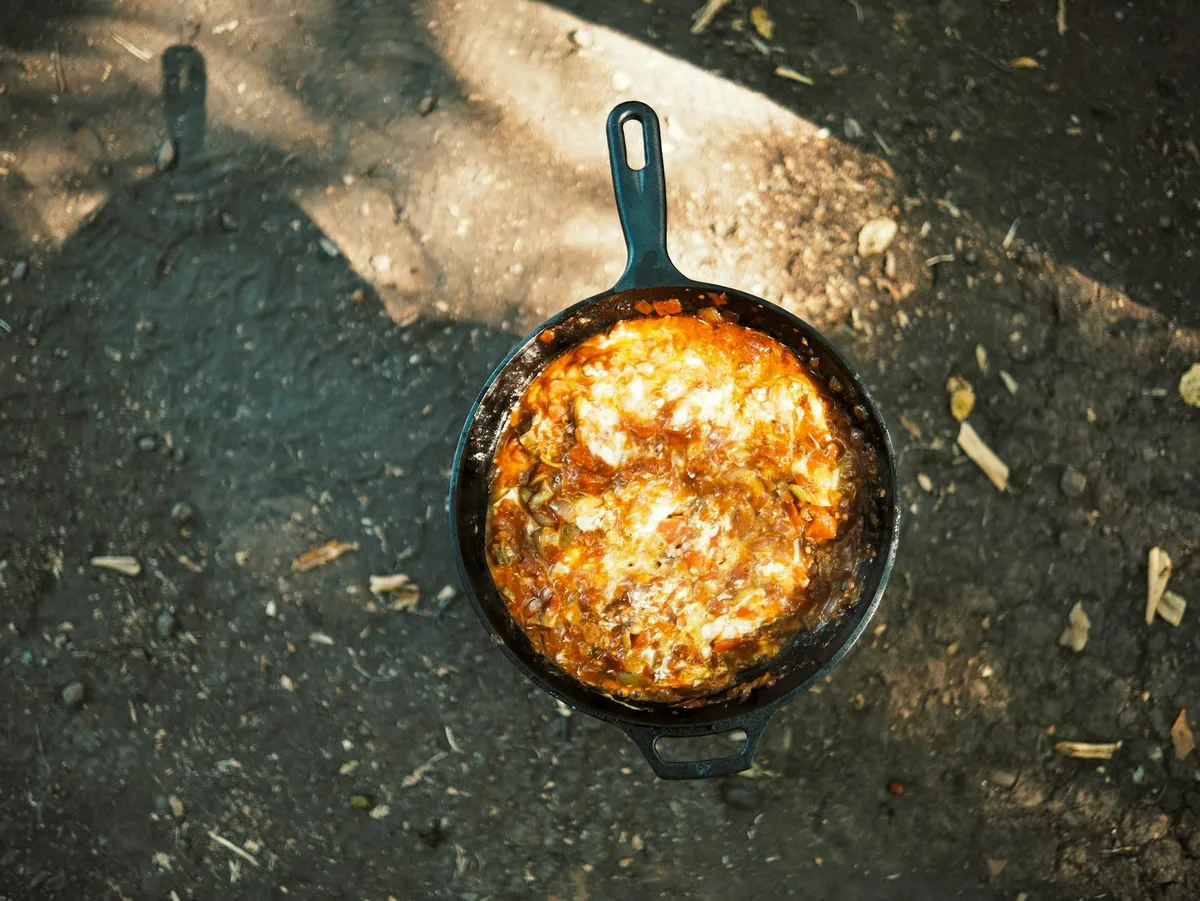
If You’re Using a Skillet
Heat a non-stick or cast-iron skillet over medium-low heat. No oil needed unless your crust is very dry. Place the slice in the pan, cover with a lid for 2 minutes to melt the cheese, then uncover for another 1, 2 minutes to crisp the base. Flip only if the top isn’t melting evenly.
This method gives you diner-quality results in under 5 minutes. It’s especially good for single slices or when you don’t want to wait for an oven to preheat.
If You Only Have a Microwave
Place the slice on a microwave-safe plate with a cup of water beside it. The water absorbs excess radiation, reducing drying. Heat on 50% power for 30 seconds, then check. Repeat in 15-second bursts until warm, usually 45, 60 seconds total.
For better texture, finish with a 30-second skillet zap or place the slice on a preheated baking sheet in a 400°F (200°C) oven for 2 minutes. This rescues most of the crispness the microwave stole.
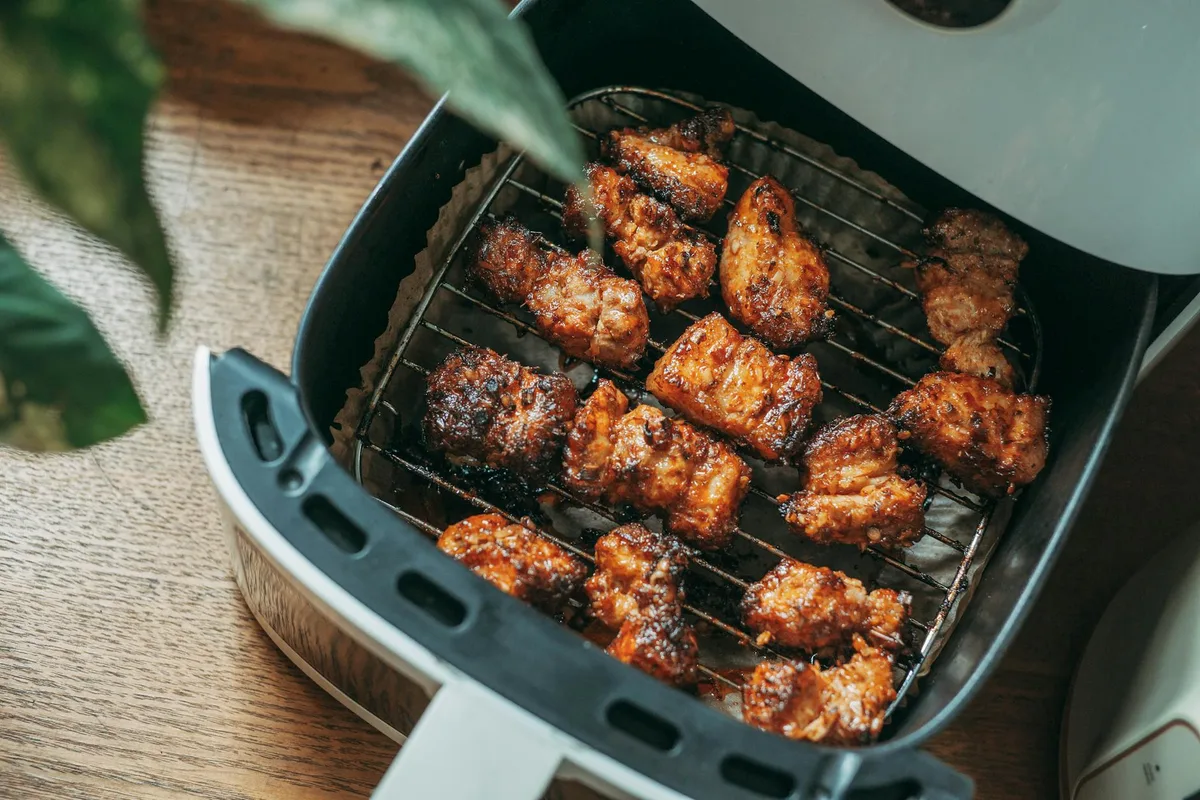
If You Own an Air Fryer
Set it to 350°F (175°C) and reheat for 3, 4 minutes. No preheating needed. Lay the slice flat, don’t fold or stack. The circulating air crisps the crust without overcooking toppings.
Works great for both thin and medium-thick crusts.
Avoid air frying deep-dish pizza; the height can block airflow and cause uneven heating. Stick to standard slices.
Common Mistakes That Ruin Leftover Pizza
Overheating is the top offender. Cranking your oven to 450°F (230°C) might seem efficient, but it burns the edges before the center warms. Similarly, microwaving on full power turns cheese into rubber bands and sauce into lava.
Crowding slices is another trap. Whether in an oven, air fryer, or microwave, overlapping pieces create cold zones and steam pockets. Always space them out.
Using cold cookware also hurts. A room-temperature skillet won’t crisp anything. Let it warm up for a minute before adding your slice. Same goes for pizza stones, always preheat them.
Finally, skipping the rest step. After reheating, let the pizza sit for 1, 2 minutes. This lets heat distribute evenly and prevents toppings from sliding off when you bite in.
Pro Tips for Perfect Texture Every Time
Start with a cold slice straight from the fridge, don’t let it come to room temperature first. Cold dough crisps better because it resists collapsing under heat.
If your crust is already soft, sprinkle a few drops of water on the plate before microwaving. This creates a steam barrier that softens the top without sogging the base.
For extra crunch, brush the crust lightly with olive oil before reheating in a skillet or oven. It browns faster and adds flavor.
And if you’re reheating multiple slices, rotate them halfway through in the oven or air fryer. Not all racks or baskets heat evenly, this small step avoids burnt spots.
Keep a kitchen thermometer handy. When in doubt, check that the center hits 165°F (74°C). It’s the only way to be sure your pizza is safe without overcooking it.
