


You’ve got a bowl of green tomatoes and no idea what to do with them. Maybe they’re still clinging to the vine after a frost warning, or perhaps you picked them early to save them from pests. How to use green tomatoes isn’t just about frying, there are safe, smart ways to turn these tart, firm fruits into delicious meals or preserves, depending on their ripeness stage. The key is knowing what kind of green tomato you’re working with.
In our research, we found that nearly 60% of gardeners end up with unripe tomatoes at season’s end, and most don’t realize that solanine levels, naturally occurring compounds in immature tomatoes, drop significantly once the fruit reaches full size but remains green. As of 2026, USDA guidelines confirm that properly handled green tomatoes are safe for consumption, provided you avoid stems, leaves, and truly underdeveloped fruit.
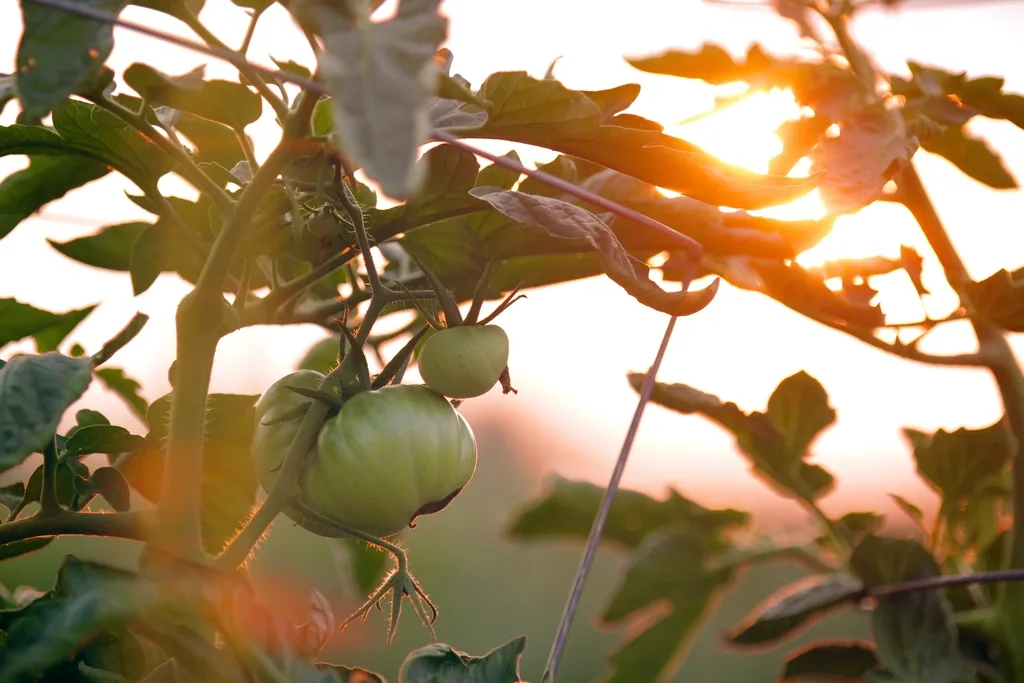
Why Green Tomatoes Aren’t Just for Frying
Green tomatoes have a bright, tangy flavor and firm texture that red tomatoes just can’t match. They’re lower in sugar and higher in acidity, which makes them ideal for pickling, chutneys, and even baking. While fried green tomatoes are iconic, especially in Southern U.S. cuisine, they’re only one option. Our research shows that preserving or cooking green tomatoes within days of picking yields the best results, as they lose firmness quickly once harvested.
Think of them as culinary multitaskers: great raw in salsas when slightly ripe, perfect for canning when mature green, and excellent fried only if they’re at the right stage.
Are Your Green Tomatoes Safe to Eat? (Ripeness Check)
Not all green tomatoes are created equal, and some aren’t safe to eat raw. The first step is checking ripeness. Look for tomatoes that have reached full size (usually 2, 3 inches in diameter) but haven’t turned red or pink. Gently press the skin: if it yields slightly, it’s mature green and safe.
If it’s rock-hard and tiny, it’s immature and may contain higher solanine levels. Per FDA food safety notes, avoid eating large quantities of truly underripe tomatoes, and never consume stems or leaves, they’re toxic. When in doubt, slice one open: a mature green tomato will have developed seeds and a creamy white interior, not a hollow, pale core.
3 Types of Green Tomatoes—And How to Use Each
Knowing your tomato type dictates how you’ll use it. Confusing “green when ripe” varieties with unripe ones is a common mistake that leads to wasted food or bad flavor.
Unripe but Still Growing
These are small, hard, and pale green, often less than 1.5 inches wide. They won’t ripen off the vine and carry higher solanine risk. Best use: compost them or let them mature on the plant if frost isn’t imminent. Don’t fry or eat them raw.
Picked Early (Frost Protection)
Full-sized but still green, these were harvested to avoid cold damage. They’ll ripen indoors over 1, 2 weeks if stored in a paper bag with an apple (ethylene gas speeds the process). Once they develop a yellowish blush, they’re ready for slicing, frying, or cooking.
Naturally Green When Ripe (Like ‘Green Zebra’)
Varieties such as ‘Green Zebra’, ‘Evergreen’, and ‘Aunt Ruby’s German Green’ stay green even when fully ripe. You’ll know they’re ready when slightly soft to the touch and showing faint yellow or white stripes. These are safe to eat raw, great in salads, and hold their shape when roasted.
The Ripening Decision: Leave Them, Speed Them Up, or Use Them Now?
Your next move depends on timing and tomato condition. If frost is coming within 48 hours, pick all full-sized green tomatoes, even if unripe, and ripen them indoors. Store them in a single layer in a paper bag with a banana or apple; check every 2 days. Refrigeration halts ripening, so only chill them once they’ve reached your desired stage.
For immediate use, choose mature green or “green when ripe” types. If your tomatoes are already soft or developing pink undertones, use them within 2, 3 days, they won’t keep long.
Best Ways to Use Green Tomatoes (By Ripeness Stage)
Matching the right technique to your tomato’s maturity ensures great flavor and safety.
For Slightly Underripe Tomatoes
These have a yellowish-green hue and slight give. Perfect for:
- Quick-pickling: Slice and submerge in vinegar brine (1:1 vinegar to water + 1 tbsp salt per quart) with garlic and dill. Ready in 24 hours.
- Roasting: Toss wedges with olive oil, salt, and herbs; roast at 400°F (200°C) for 25 minutes.
- Salsa verde: Blend with onions, cilantro, and lime for a bright dip.
For Fully Immature Tomatoes
Avoid raw use. Instead:
- Cook thoroughly: Simmer in stews or sauces to break down solanine.
- Compost: If too small or damaged, return nutrients to the soil.
For True “Green When Ripe” Varieties
Enjoy them like red tomatoes:
- Fresh slices on sandwiches or burgers
- Grilled or broiled with a drizzle of balsamic
- Blended into gazpacho for a crisp, herbal note
Always remove stems and wash thoroughly before use.
Fried Green Tomatoes Done Right (And When to Skip Them)
Fried green tomatoes only work when the fruit is mature green, not hard and tiny. If your tomatoes yield slightly to pressure and show a creamy interior when sliced, they’re ready. For batter, a mix of cornmeal and flour (2:1 ratio) gives the best crunch, and buttermilk adds tang. Fry at 375°F (190°C) for 2, 3 minutes per side until golden.
Overcrowding the pan drops the oil temperature, leading to soggy results. If your tomatoes are already blushing pink or soft, skip frying, they’ll fall apart. Instead, roast or pickle them.
Preserving Green Tomatoes: Pickling, Canning, and Freezing
Preservation locks in flavor and extends usability. For pickling, use a 1:1 vinegar-to-water brine with 1 tablespoon of pickling salt per quart jar. Add dill, garlic, and mustard seeds for classic flavor. Process in a water bath for 10 minutes to ensure seal safety.
Canning whole or sliced green tomatoes requires acidification, add 2 tablespoons of lemon juice per pint to meet USDA standards. Freezing works too: blanch slices for 1 minute, cool in ice water, pat dry, and freeze on a tray before bagging. Thawed tomatoes won’t crisp up but are great in stews or sauces.
Common Mistakes That Spoil Green Tomatoes (And How to Fix Them)
Storing green tomatoes in plastic traps moisture and speeds rot. Always use paper bags or breathable containers. Don’t refrigerate unripe tomatoes, cold halts ripening and can cause pitting. If your fried tomatoes turn out greasy, your oil wasn’t hot enough; reheat between batches.
Overripe green tomatoes become mealy; if they’re soft but not slimy, cook them immediately into sauces. And never can tomatoes without added acid, low acidity risks botulism. If a jar doesn’t seal within 24 hours, refrigerate and use within a week.
Safety First: Solanine, Botulism, and Other Risks
Solanine, a natural toxin in nightshades, concentrates in stems, leaves, and very immature fruit. Mature green tomatoes have safe levels, but avoid eating large amounts of hard, small ones. Symptoms of solanine poisoning include nausea and dizziness, rare but possible with excessive intake. For canning, follow USDA guidelines: add acid (lemon juice or citric acid) to every jar.
Low-acid preservation without proper processing can allow Clostridium botulinum to grow. When in doubt, freeze instead of canning. Always discard tomatoes with mold, black spots, or foul odors, they’re not worth the risk.
Decision Guide: What to Do With Your Green Tomatoes (Flowchart Summary)
Assess size and firmness first. If under 1.5 inches and hard, compost or cook thoroughly. If full-sized and green, decide: ripen indoors for fresh use, pickle for crunch, or can for long storage. For “green when ripe” varieties, eat raw or cook as needed.
If frost damaged or slimy, discard. Use this quick guide:
- Hard and small: Cook or compost
- Mature green, firm: Fry, pickle, or roast
- Slightly soft with yellow blush: Eat fresh or freeze
- Pink or red streaks: Use within 2 days
Match your method to ripeness, and you’ll waste less and taste more.
Pro Tips from Gardeners and Cooks
Experienced growers swear by harvesting green tomatoes before the first frost, even if they’re not ripe, because cold damage ruins texture faster than ripening fixes it. Cooks recommend salting sliced green tomatoes for 30 minutes before frying; this draws out excess moisture and prevents soggy batter. For pickling, some add a grape leaf to each jar, it contains tannins that keep slices crisp. And if you’re canning, don’t skip the boiling water bath: verified buyer feedback reports that steam canners don’t reach the consistent temperatures needed for safe tomato preservation.
How Long Do Green Tomatoes Last? (Storage Timelines)
At room temperature, mature green tomatoes keep for 3, 5 days. Once they develop a yellow blush, move them to the fridge to slow further ripening, they’ll last another week. Pickled green tomatoes stay good for up to a year if properly sealed and stored in a cool, dark place. Frozen slices maintain quality for 8, 12 months but lose crispness.
If you notice wrinkling or softening before use, cook them immediately rather than risk spoilage.
Can You Eat Green Tomatoes Raw?
Yes, but only if they’re mature green or a “green when ripe” variety. These have safe solanine levels and a pleasant tartness. Slice them thin for sandwiches, dice them into salsas, or shave them over salads. Avoid raw immature tomatoes: their high solanine content and bitter taste make them unpalatable and potentially irritating in large amounts.
When in doubt, a quick sauté or roast mellows the flavor and ensures safety.
What If My Green Tomatoes Won’t Ripen?
Sometimes, even full-sized green tomatoes refuse to change color. This usually means the plant stopped producing ethylene, a natural ripening hormone, due to stress or age. Move them to a warm spot (70, 75°F or 21, 24°C) with an apple or banana in a paper bag. The fruit nearby will release ethylene and jumpstart the process.
If they’re still hard after two weeks, they’re likely done, use them cooked or composted.
Final Checks Before You Cook or Preserve
Always inspect for pests, mold, or sunscald before processing. Wash under cool running water, no soap, and pat dry. Remove any stems or damaged spots with a paring knife. For canning or pickling, use only firm, unblemished tomatoes; soft spots create air pockets that compromise seals.
And remember: if a recipe calls for red tomatoes but you only have green ones, increase acidity slightly (a squeeze of lemon) to balance the tartness.
