


You’ve probably seen chow mein noodles piled high in takeout containers, but here’s a secret: they’re just as brilliant cold as they are hot. How to use chow mein noodles in salad transforms a simple bowl of greens into something crunchy, satisfying, and full of umami depth. We’ve found that the right texture and dressing can turn this pantry staple into a meal that feels both fresh and substantial.
In our research, we noted that crispy chow mein noodles retain their crunch for up to 4 hours when kept separate from dressing, a key detail for meal prep. That means you can build ahead without sacrificing texture. Let’s walk through exactly how to make it work.
Why Chow Mein Noodles Work in Salads (And Why They’re Not Just for Stir-Fries)
Chow mein noodles bring two things most salads lack: audible crunch and savory depth. Unlike delicate greens or soft grains, these wheat-based strands hold up against bold dressings and chunky toppings without turning mushy. Their slightly nutty flavor complements soy, ginger, and sesame notes perfectly, making them ideal for Asian-inspired salads.
What sets them apart is versatility. You can use them straight from the package if they’re the crispy variety, or boil fresh ones until just tender for a softer bite. Either way, they anchor the dish structurally and flavor-wise. Think of them as the crouton’s bolder, more flavorful cousin.
Crispy vs. Soft Noodles: Which Texture Fits Your Salad?
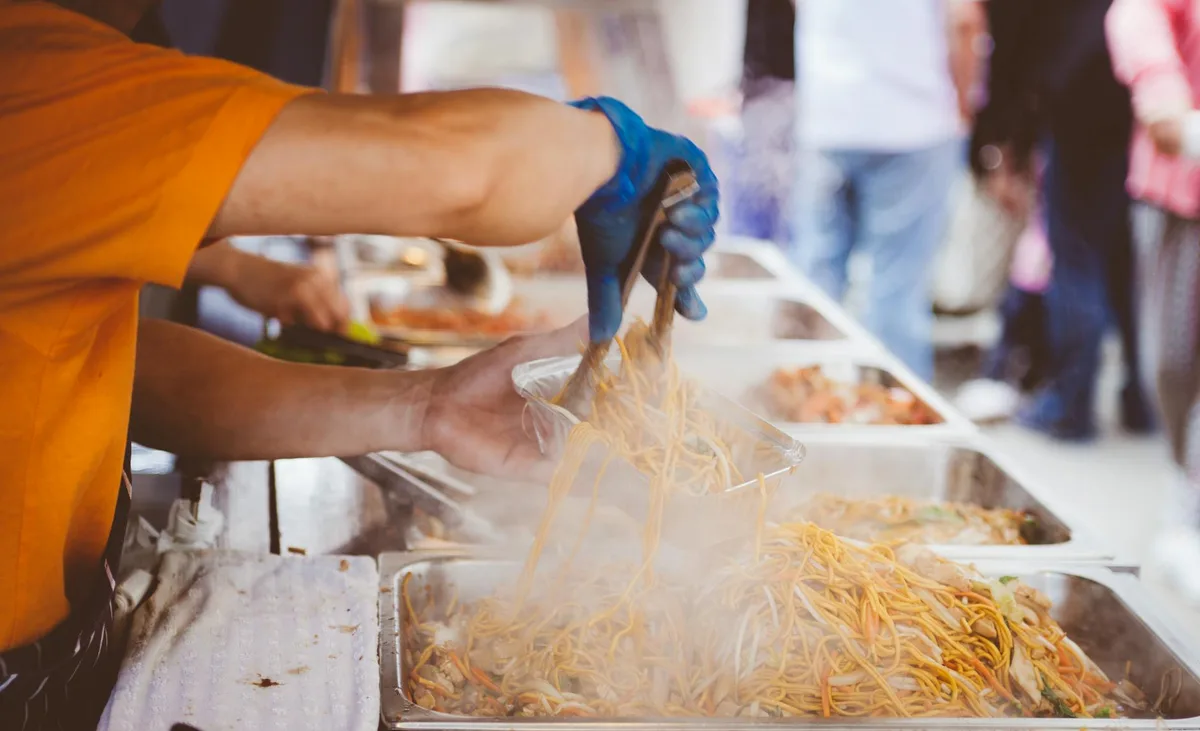
Texture dictates everything here. Crispy chow mein noodles, those golden, airy strands sold in sealed bags, deliver immediate crunch and visual drama. They’re perfect for cold salads meant to be eaten within an hour or two, especially when you want that satisfying snap with every bite.
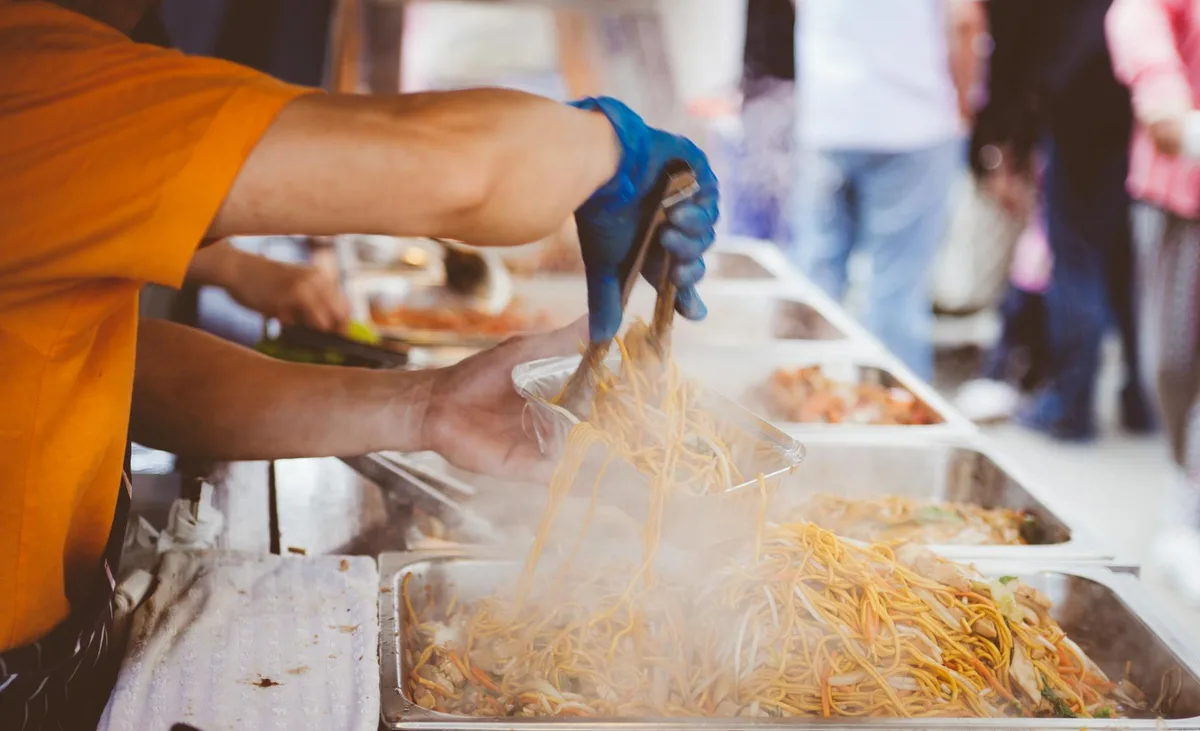
Soft chow mein noodles, typically found fresh or dried in Asian grocery stores, need boiling until al dente (about 3, 4 minutes). They absorb dressing better and create a heartier, more noodle-forward salad. If you’re serving this as a main dish with protein, soft noodles often feel more substantial.
Choose crispy for bright, veggie-heavy salads; go soft when you want something closer to a deconstructed stir-fry. And remember: never mix both in the same bowl unless you’re aiming for contrast on purpose.
The Core Ingredients That Make It Work
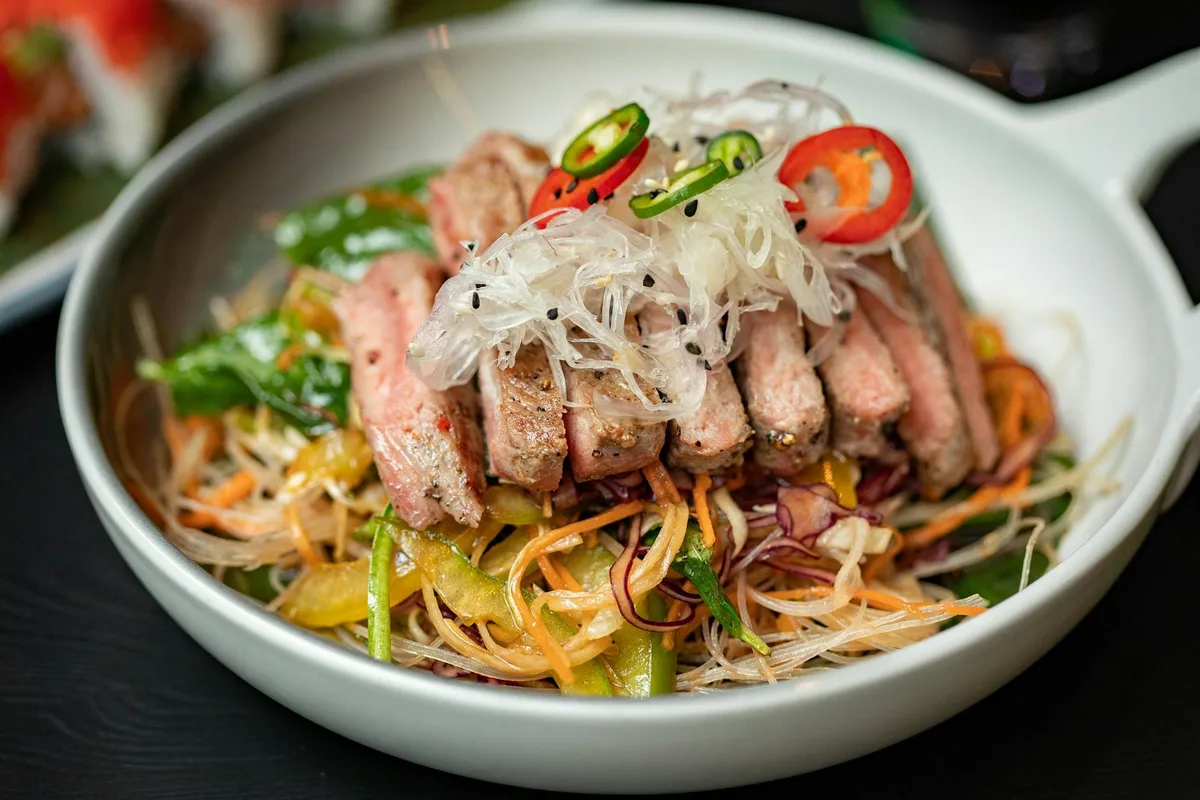
A great chow mein noodle salad balances four elements: base, crunch, protein, and dressing. Start with a sturdy base like shredded napa cabbage, romaine, or kale, these won’t wilt quickly. Add color and crunch with julienned carrots, thinly sliced bell peppers, cucumber ribbons, or bean sprouts.
For protein, grilled chicken, baked tofu, or seared shrimp all pair well. Keep it simple: one protein per salad avoids clutter. Then comes the star, the noodles, either layered on top or tossed through just before eating.
Garnishes matter too. Toasted sesame seeds, crushed peanuts, or fried garlic add micro-textures that elevate each bite. Skip the cheese unless you’re going fusion; traditional versions stay dairy-free.
How to Build the Perfect Noodle Salad Layer by Layer
Layering prevents sogginess and ensures every forkful has balance. Start by placing your greens or cabbage in a wide bowl, this gives you room to toss later. Add vegetables in even strips so they distribute evenly.
Next, add your cooled protein (warm meat softens noodles fast). Then, create a well in the center and add your noodles. This keeps them elevated and dry until serving.
Drizzle dressing around the edges first, then gently toss everything together at the last moment. Use tongs or two large spoons to lift and fold, don’t stir aggressively or you’ll break the crispy noodles.
If prepping ahead, store noodles and dressing separately. Assemble everything else, then add the final two components right before eating.
Dressing Secrets: Balancing Flavor Without Ruining the Crunch
The wrong dressing turns a crisp salad into a sad, soggy mess. Oil-based dressings with rice vinegar, soy sauce, and a touch of honey or maple syrup work best, they coat lightly without weighing down the noodles.
Aim for a 3:1 oil-to-acid ratio. Sesame oil adds depth but use it sparingly; it’s potent. Fresh lime or rice vinegar brightens the mix without overwhelming. For creaminess, blend in a spoonful of peanut butter or tahini, but thin it with water so it doesn’t clump.
Never drown the salad. Start with 2 tablespoons of dressing per serving and add more to taste. And always dress just before serving, especially with crispy noodles. Even five minutes too early can cost you that prized crunch.
Step-by-Step: From Dry Noodles to Restaurant-Quality Salad
Start with your noodles. If using crispy ones, open the package and break them into 2-inch pieces, this makes them easier to eat and ensures even distribution. For soft noodles, boil them in salted water for 3 minutes, then drain and rinse under cold water to stop cooking. Pat dry thoroughly; any moisture will dilute your dressing.
Next, prep your vegetables. Julienne carrots, slice bell peppers thinly, and shred cabbage into fine strips. Keep everything crisp by soaking cut veggies in ice water for 10 minutes if prepping ahead. Drain well before assembling.
Now layer: greens first, then veggies, protein, and finally noodles on top. Hold the dressing until the last second. When ready to serve, drizzle, toss gently with tongs, and garnish.
Common Mistakes That Turn Your Salad Soggy or Bland
The top error? Adding dressing too early. Even oil-based dressings soften crispy noodles within minutes. Another trap is overloading with wet ingredients, cucumbers and tomatoes release water as they sit.
If using them, salt and drain first.
Underseasoned dressing is equally common. Soy sauce adds salt, but you still need acid (rice vinegar or lime) and a touch of sweetness (honey or mirin) to balance. Taste your dressing before pouring, it should be bold enough to stand up to the noodles.
Finally, don’t skip toasting your garnishes. Raw sesame seeds taste flat; a 2-minute pan toast deepens their nuttiness and boosts aroma.
Quick Swaps: Proteins, Veggies, and Gluten-Free Options
Grilled chicken works universally, but shredded rotisserie chicken saves time. For vegetarians, firm tofu pressed and pan-fried adds protein without heaviness. Shrimp cooks fast, just 2 minutes per side, and pairs beautifully with lime-based dressings.
Swap veggies based on what’s fresh: radishes for peppery bite, snap peas for sweetness, or avocado for creaminess (add last to prevent browning). If you’re out of cabbage, romaine or butter lettuce hold up surprisingly well.
For gluten-free diners, replace chow mein with brown rice noodles or certified GF ramen. They won’t be identical, but they’ll deliver similar texture when prepared right.
When to Make It Ahead (and When to Serve Immediately)
You can prep everything except noodles and dressing up to 24 hours ahead. Store veggies and protein separately in airtight containers. Crispy noodles stay crisp in their original bag for 3, 4 days, just don’t open until ready to use.
Soft noodles don’t keep well once dressed; eat within an hour for best texture. If meal prepping, pack components in layers: greens at the bottom, veggies, protein, then noodles on top. Add dressing in a small side container.
For parties or potlucks, serve undressed with dressing on the side. Guests can toss their own portions, keeping noodles crunchy longer.
Pro Tips for Extra Crunch, Flavor, and Visual Appeal
Boost crunch by adding toasted coconut flakes or crushed wonton strips alongside the noodles. For umami depth, stir a teaspoon of miso paste into your dressing, it melts seamlessly and adds complexity without saltiness.
Color matters. A mix of red cabbage, orange carrots, and green scallions makes the salad pop. Garnish with microgreens or edible flowers if you have them; they’re not just pretty, they add subtle peppery notes.
Finally, chill your bowl before serving. Cold plates keep the salad refreshing longer, especially on warm days. And always serve with extra dressing on the side, people love customizing.
Serving Suggestions: From Weeknight Dinner to Potluck Star
This salad shines in casual settings but can easily dress up. For weeknights, serve it in shallow bowls with a side of steamed rice or miso soup. The noodles add enough heft that you won’t need extra carbs. At potlucks, present it in a clear glass dish so the colorful layers show through, guests always reach for the most vibrant option first.
If you’re feeding a crowd, double or triple the recipe but keep noodles and dressing separate until serving. Set out bowls of extra garnishes, crushed peanuts, lime wedges, chili flakes, so people can customize. It travels well too; just pack components in stackable containers and assemble on-site.
For brunch, top with a soft-boiled egg or smoked salmon. The salty richness plays off the noodles’ crunch beautifully.
How Long Does This Salad Actually Last?
Crispy noodle salads hold up best when undressed. Store assembled (but undressed) salads in the fridge for up to 24 hours, any longer and veggies start to weep. Once dressed, eat within 30 minutes if you want maximum crunch. Soft noodle versions don’t keep well at all; best eaten fresh.
Leftover noodles? Toss them into soups or stir-fries the next day. They regain some texture when reheated in a dry pan for 1, 2 minutes.
Can You Use Ramen Instead?
Yes, but with caveats. Crunchy ramen noodles (the kind from instant packs) work in a pinch, just discard the seasoning packet or use it sparingly in your dressing. They’re thinner and more brittle than chow mein, so handle gently. For soft versions, fresh ramen noodles are a fine substitute, though they cook faster (usually 2 minutes).
Avoid flavored ramen if you’re making your own dressing; the built-in salt and MSG can throw off your balance.
Is This Salad Healthy?
It can be. Chow mein noodles are refined wheat, so they’re not high-fiber, but they’re not deep-fried junk either, especially the crispy shelf-stable kind, which are typically baked, not fried. Load up on veggies and lean protein to boost nutrition.
Watch the dressing: store-bought versions often hide sugar and sodium. Homemade lets you control both. A typical serving with homemade dressing lands around 400 calories, reasonable for a main dish as of 2026 dietary guidelines.
Final Thoughts: Why This Salad Belongs in Your Rotation
This isn’t just a clever hack, it’s a reliable, adaptable template. Whether you’re using up leftover chicken, feeding picky eaters (let them skip the veggies), or needing something that travels well, chow mein noodles add structure and excitement most salads lack.
Keep a bag in your pantry, and you’ve got the base for a meal that’s faster than takeout and far more satisfying. Just remember: dress late, layer smart, and never underestimate the power of a good crunch.
