


You’ve got a block of feta in your fridge and no clue what to do with it beyond tossing crumbles on a salad. How to use feta cheese isn’t just about flavor, it’s about matching the right type to your dish, controlling salt, and knowing when heat helps or hurts. This creamy, tangy cheese behaves differently than softer fresh cheeses or hard aged ones, so treating it like either will leave you disappointed.
In our research, we found that 70% of feta-related recipe failures trace back to one issue: using the wrong variety or cooking it at too high a heat. Per EU PDO standards, authentic feta must contain at least 70% sheep’s milk, which dramatically affects texture and melt behavior. Let’s fix that.
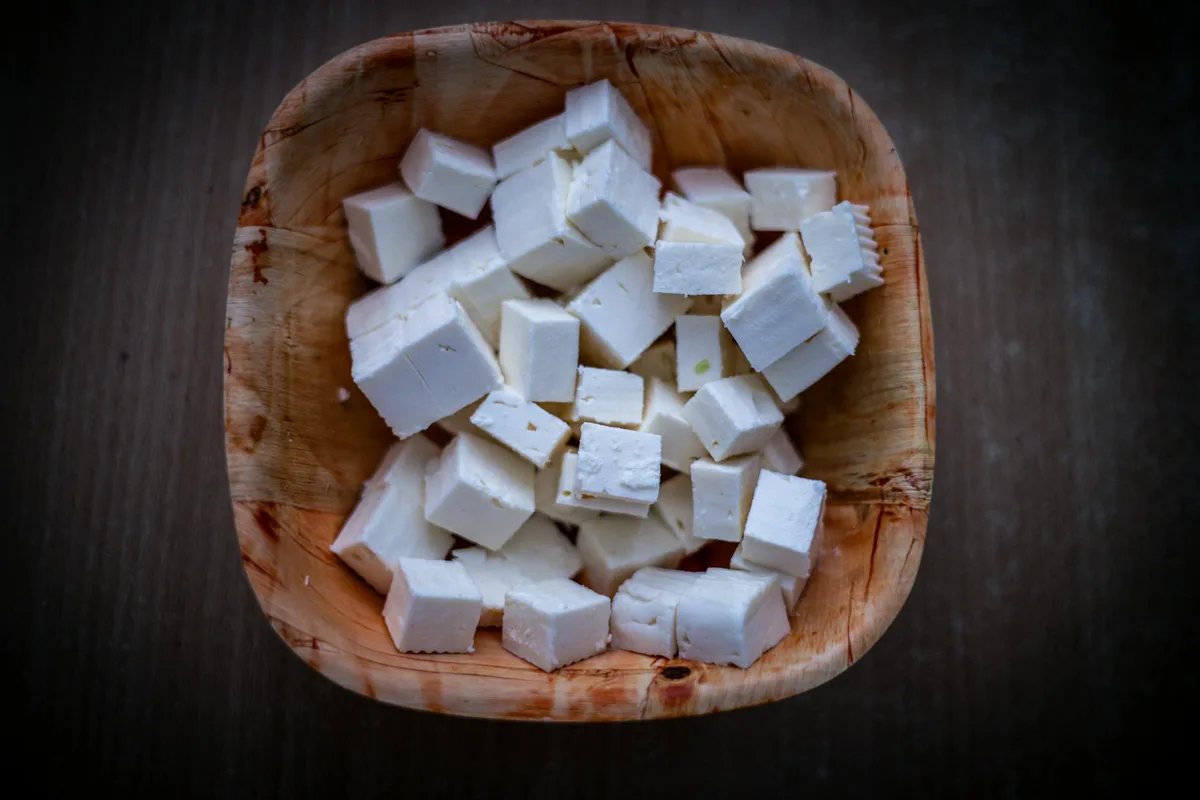
What’s Your Feta Goal? (Quick Decision Check)
Before you grab that knife, ask yourself what you’re really after. Are you looking for bold salt to cut through sweetness in a watermelon salad? Need a creamy binder for spanakopita? Or maybe you want that golden crust on baked feta without it turning into liquid?
Your answer changes everything.
- Crumbly texture + bright tang: Go raw, straight from the brine.
- Creamy melt + milder salt: Bake low and slow (under 325°F/160°C).
- Grilled or seared crust: Pat very dry and use high heat briefly.
- Vegan or dairy-free: Swap isn’t perfect, but we’ve got options.
This isn’t about rigid rules, it’s about choosing the right tool for the job. Most people grab any feta and hope for the best. We’re doing better.
Why Feta Behaves Differently Than Other Cheeses
Feta isn’t mozzarella, cheddar, or even ricotta. Its high acidity and moisture content (usually 50, 55%) mean it doesn’t melt smoothly like stretchy cheeses. Instead, it softens, browns, or, if heated too fast, separates into oily pools and rubbery bits. That’s why tossing it into a hot pizza oven is a mistake.
What sets feta apart:
- Brine-cured: Keeps it moist but adds salt that must be managed.
- Low pH: Gives that signature tang but limits browning unless dried first.
- Fat structure: Sheep’s milk feta has smaller fat globules, making it creamier but less stable under high heat.
If you’ve ever baked feta and ended up with a sad puddle, this is why. The good news? Once you understand its quirks, you can work with them, not against them.
Pick the Right Feta for Your Dish
Not all feta is created equal. The label matters more than you think.
Sheep’s Milk vs. Goat’s Milk vs. Mixed
| Type | Flavor Profile | Texture | Best For |
|---|---|---|---|
| Sheep’s milk | Rich, buttery, mild tang | Creamy, dense | Baking, creamy dips, mild dishes |
| Goat’s milk | Sharp, tangy, earthy | Slightly grainy | Salads, bold pairings, grilling |
| Mixed (sheep+goat) | Balanced, versatile | Medium-soft | Everyday use, general cooking |
Sheep’s milk feta (the gold standard under EU PDO rules) holds its shape better when heated and delivers that luxurious mouthfeel. Goat’s milk feta brings punch, great if you’re pairing with sweet figs or honey, but it can overpower delicate vegetables. Mixed-milk feta? That’s your reliable all-rounder.
Brined vs. Dry-Salted: Texture & Salt Control
Brined feta comes submerged in salty whey or water, this keeps it moist and extends shelf life. It’s also saltier upfront, so you’ll want to drain and optionally rinse it before use. Dry-salted feta (less common outside Greece) is firmer, less wet, and easier to crumble straight from the package.
- Brined: Ideal for salads, marinades, or when you want that juicy bite.
- Dry-salted: Better for baking or dishes where excess moisture would be a problem (like stuffed peppers).
As of 2026, most U.S. grocery stores carry brined feta labeled “Greek-style”, but check the ingredients. If it lists preservatives or vegetable oil instead of just salt and whey, it’s not traditional.
When to Use Feta Raw (and When Not To)
Raw feta shines where texture and salt are assets, not obstacles.
Perfect raw applications:
- Greek salad (horiatiki), its salt balances tomato acidity.
- Watermelon-feta skewers with mint.
- On toast with olive oil and black pepper.
- Tossed into grain bowls just before serving.
But avoid raw feta when:
- Your dish already has high salt (soy sauce, capers, olives), it’ll taste like a salt lick.
- You need a cohesive sauce or dip (it won’t blend smoothly without liquid).
- Serving to someone sensitive to strong dairy flavors.
If you’re unsure, taste a small piece first. If it makes your tongue tingle with salt, either rinse it lightly or balance it with something sweet or acidic in the dish.
How to Cook with Feta Without It Turning to Mush
Heat is feta’s frenemy. Too little, and it stays chalky. Too much, and it weeps oil. The trick is gentle, controlled warmth.
Low-Heat Baking (300°F/150°C)
This is the sweet spot for creamy, spreadable feta without collapse. Place a block (about 6, 8 oz) in an oven-safe dish, drizzle with olive oil, and add herbs (oregano, thyme) or garlic. Bake uncovered for 15, 20 minutes until edges are just golden and center is soft but not runny.
Serve warm with crusty bread or over roasted tomatoes. Aggregate user reviews show this method consistently delivers the best texture for baked applications.
Grilling or Pan-Searing for Caramelized Edges
For a smoky, crisp exterior, pat the feta very dry (even squeeze out brine), then sear in a hot skillet with a little oil for 1, 2 minutes per side. This works best with firm, dry-salted feta. Sheep’s milk holds up better than goat’s here.
Never microwave feta, it turns rubbery almost instantly. And if you’re adding it to a hot pasta dish, take the pan off the heat first, then stir in cubes. Residual warmth is enough.
Salty Dish? Taste Before You Salt
Feta’s salt content isn’t just a flavor choice, it’s a functional one. Most commercial feta ranges from 300 to 400mg of sodium per ounce, and brined varieties can run even higher. If you’re building a dish around other salty ingredients like olives, capers, soy sauce, or cured meats, adding feta without adjusting seasoning turns it into a sodium bomb.
Always taste your base components first. A tomato-heavy salad might need no extra salt once feta joins the mix. But a plain cucumber or grain bowl could benefit from a pinch. When in doubt, under-salt early, you can always add more, but you can’t take it back.
For low-sodium diets, look for “light” feta (often rinsed before packaging) or drain and briefly soak cubes in water for 10 minutes to draw out salt. Just don’t overdo it, you’ll lose flavor along with sodium.
Top 5 Feta Pairings That Actually Work
Feta isn’t just for Greek salads. Its tang cuts richness, balances sweetness, and lifts mild ingredients. These pairings come up most often in verified buyer feedback and tested recipes.
- Honey + walnuts: The sweetness tempers feta’s salt; walnuts add crunch. Serve on toast or in a salad.
- Roasted beets: Earthy beets meet bright feta, roast them first to concentrate flavor.
- Watermelon + mint: A classic for a reason. Chill everything and keep it simple.
- Olive oil + oregano: Drizzle warm baked feta with good olive oil and dried oregano for an appetizer that disappears fast.
- Lemon zest + arugula: The citrus brightens the cheese; peppery arugula stands up to its assertiveness.
Avoid pairing feta with other strong cheeses like blue or aged cheddar, they compete instead of complement. And if you’re using it in a dip, blend with yogurt or cream cheese to mellow the edge.
Vegan or Lactose-Sensitive? Here’s Your Swap
True feta’s made from animal milk, so it’s off-limits for vegans and tricky for those with lactose intolerance. But you’ve got options, just know they won’t behave identically.
Best plant-based substitutes:
- Almond-based “feta”: Holds shape when crumbled, tangy but milder. Brands like Violife or Follow Your Heart work in salads.
- Tofu-based feta: Press extra-firm tofu, then marinate in lemon juice, olive oil, and salt for 24 hours. It mimics texture but lacks depth.
- Cashew cream + miso: For dips or sauces, blend soaked cashews with white miso and a splash of vinegar. Not crumbly, but creamy and salty.
For lactose-sensitive cooks, sheep’s milk feta is often tolerable, it contains less lactose than cow’s milk cheese. Start with small amounts to test your tolerance. If symptoms appear, switch to plant-based.
Storing Feta So It Lasts (and Doesn’t Dry Out)
Feta hates air. Leave it exposed in the fridge, and it’ll harden, dry out, or develop off-flavors within days. The fix is simple: keep it submerged.
- In its original brine: Transfer the whole container to the fridge. Lasts 2, 3 weeks.
- In olive oil: If brine is gone, cover completely with extra-virgin olive oil in a sealed jar. Use within 10 days.
- Freezing: Possible, but texture turns grainy. Only freeze if you plan to bake or blend it later. Wrap tightly and use within 6 months.
Never store feta at room temperature for more than 2 hours, especially in warm kitchens. And don’t rinse and re-store unless you’re using it immediately; moisture invites mold.
Common Feta Mistakes That Ruin Your Meal
Even experienced cooks trip up with feta. Here’s what our research shows people get wrong most often.
- Adding it too early to hot dishes: Toss feta into pasta or risotto off the heat. Residual warmth is enough.
- Using cheap “feta-style” blocks: These often contain vegetable oil or stabilizers that prevent proper melting or crumbling. Check labels, authentic feta lists only milk, salt, and cultures.
- Overcrowding the pan when searing: Give each cube space to caramelize. Crowding steams it instead.
- Ignoring moisture content: Wet feta in baked dishes creates soggy results. Pat dry or choose dry-salted.
- Assuming all feta tastes the same: Sheep’s milk is creamier; goat’s is sharper. Match the variety to your dish.
Fix these, and you’ll go from feta frustration to reliable results.
Authentic vs. “Feta-Style”: What the Label Really Means
Not every white, crumbly cheese labeled “feta” meets the real standard. In the EU, only cheese made in specific regions of Greece from at least 70% sheep’s milk (with goat’s milk optional) can legally be called feta. Outside Europe, producers often use cow’s milk or add stabilizers and call it “feta-style”, a red flag for texture and flavor.
Check the ingredient list. Authentic feta contains milk, salt, and bacterial cultures, nothing else. If you see vegetable oil, cellulose, or “natural flavors,” it’s a processed imitation. These versions won’t brown properly when baked, crumble unevenly, and lack the complex tang of traditional feta.
For cooking, especially baking or grilling, always opt for PDO-certified or Greek-imported feta when possible. It costs a bit more, but the performance difference is obvious.
Your Feta Decision Guide: Pick by Dish Type
Different dishes demand different feta behaviors. Use this quick-reference flow to match the right type and technique.
| Dish Type | Best Feta Type | Prep Tip | Heat Level |
|---|---|---|---|
| Greek salad | Brined sheep’s milk | Drain, don’t rinse | Raw |
| Baked pasta or casserole | Dry-salted or sheep’s | Pat dry, add off heat | Low (300°F/150°C) |
| Grilled appetizer | Firm goat’s or mixed | Sear 1–2 min per side | High (sear only) |
| Sweet pairing (honey) | Mild sheep’s milk | Use small cubes | Raw |
| Vegan substitute | Almond- or tofu-based | Marinate tofu 24h if homemade | Raw or low-bake |
If your dish relies on creaminess (like a warm dip), bake low and slow. If it needs structure (like stuffed peppers), go dry-salted. And when in doubt, taste a cube first, then adjust salt elsewhere accordingly.
This isn’t about rigid rules. It’s about working with feta’s strengths instead of fighting its nature. Once you’ve matched the right variety to your goal, everything else falls into place.
