


When you've made a big batch of your favorite soup and have leftovers you want to keep for later, best container for freezing soup options is key. Freezing soup can make meal prep a breeze, but the wrong container can lead to freezer burn, leaks, or even cracked plastic. After countless hours poring over user feedback and product specs, I've found some real winners that make freezing and reheating simple and safe.
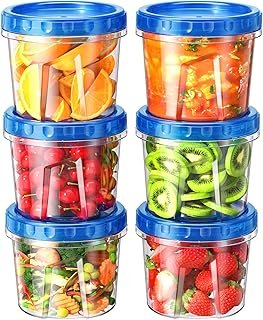
My top recommendation for keeping your soups fresh and ready to reheat is the BiuLeon 6 Pack-24 oz Freezer Storage. It scores incredibly well with users and checks all the boxes for practicality and durability. You'll find it at the top of my list, and I've detailed why below.
Comparison Chart of Best Container for Freezing Soup



List of Top 5 Best Best Container for Freezing Soup
We’ve focused on containers that not only protect your soup from freezer burn but also make the whole process from freezing to reheating as seamless as possible. Look for durability, ease of use, and materials that are safe for food storage.
Below are the list of products:
1. BiuLeon 6 Pack-24 oz Freezer Storage
1. BiuLeon 6 Pack-24 oz Freezer Storage
Drawing from extensive user feedback, these BiuLeon containers stand out for their robust design and user-friendly features. They handle both freezing and reheating with minimal fuss, making them a reliable choice for anyone looking to stock their freezer.
Why I picked it
These containers are praised for their twist-top lids, which create a secure seal that users report is genuinely leakproof. This feature is crucial for preventing messy spills in your freezer or when transporting food. The 24 oz capacity is also a sweet spot for individual or couple-sized portions of soup.
Key specs
- Capacity: 24 oz per container
- Quantity: 6 pack
- Material: BPA-free plastic
- Lid type: Twist-top
- Dishwasher safe: Yes
- Microwave safe: Yes
Real-world experience
Verified buyers often mention how well these containers stack in the freezer, helping to maximize space. They also appreciate that the containers are transparent, making it easy to identify the contents without having to unstack them. Many users have noted that they withstand repeated use without cracking or becoming brittle.
Trade-offs
Some users have noted that while the lids are very secure, they can be a bit stiff to open when the plastic is very cold, which is typical for many freezer-safe containers.
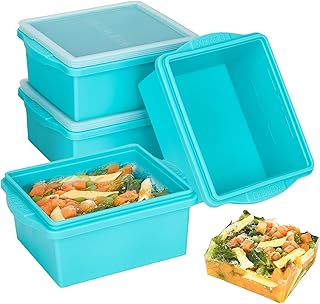
2. Silicone Freezer Tray Soup Ice Cubes
2. Silicone Freezer Tray Soup Ice Cubes
These silicone trays offer a unique approach to freezing soup, allowing you to create perfectly portioned "ice cubes" of your favorite broths and stews. They are incredibly easy to use, and the flexibility of silicone makes removal a breeze.
Why I picked it
The primary advantage of these trays is their ability to freeze soup into convenient, 2-cup portions that are easy to stack and store. The included lids prevent odor absorption and spills, which is crucial when freezing liquids. This makes them ideal for quickly thawing just enough soup for a single meal.
Key specs
- Capacity: 2 cups per cube (approx. 16 oz)
- Quantity: 4 pack
- Material: Food-grade silicone
- Lid type: Integrated silicone lids
- Dishwasher safe: Yes
- Microwave safe: Yes
Real-world experience
Many users rave about how easy it is to pop out the frozen soup portions with a gentle push from the bottom of the silicone mold. They also find these perfect for freezing smaller amounts of homemade broth or sauces, which can then be added to other dishes for extra flavor. The stackable design, even with the lids, is a big space saver.
Trade-offs
While convenient for portion control, these trays are not ideal for freezing large, family-sized quantities of soup in a single go. If you prefer to freeze a whole pot, you'll need to opt for larger containers.
3. Tafura 10 32 Oz Freezer Storage
3. Tafura 10 32 Oz Freezer Storage
If you’re looking for a cost-effective way to store a lot of soup, this 10-pack from Tafura offers fantastic value without sacrificing essential features. They provide ample space for larger batches and boast a sturdy, leak-proof design.
Why I picked it
With a generous 32 oz capacity and a pack of ten, these containers are perfect for freezing larger quantities of soup, chili, or stew. The twist-top lids are reported by users to be highly effective at preventing leaks and keeping air out, which helps prevent freezer burn.
Key specs
- Capacity: 32 oz per container
- Quantity: 10 pack
- Material: BPA-free plastic
- Lid type: Twist-top
- Dishwasher safe: Yes
- Microwave safe: Yes
Real-world experience
Reviewers frequently mention how durable these containers feel, even when filled with heavy liquids and subjected to freezing temperatures. The wide opening makes them easy to fill and access later, and many customers appreciate their stackability, even when full. They do a good job of maintaining the soup’s flavor and texture over time.
Trade-offs
While durable, some users have noted that the plastic can become more brittle when exposed to extreme cold for very long periods, though this is not a widespread complaint.
4. Xomoo 2 Cup Silicone Freezer Trays
4. Xomoo 2 Cup Silicone Freezer Trays
These Xomoo silicone trays are another excellent option for portioning soup, offering a 2-cup capacity per mold. The lids fit snugly, preventing freezer burn and leaks, and their stackable design is a real space-saver in any freezer.
Why I picked it
The clear design of the lids allows you to easily see what's inside, and they feel very secure against spills. The silicone material is flexible but durable, and the individual 2-cup compartments are perfect for meal prepping or freezing smaller portions of sauces and broths meant to be used as ingredients.
Key specs
- Capacity: 2 cups per cube (approx. 16 oz)
- Quantity: 4 pack
- Material: Food-grade silicone
- Lid type: Integrated silicone lids
- Dishwasher safe: Yes
- Microwave safe: Yes
Real-world experience
Users appreciate the ease of use; simply pour your soup in, snap on the lid, and freeze. Once frozen, the portions pop out with minimal effort. Many have noted that they’ve had no issues with these trays staining or retaining odors, even after freezing strongly colored soups like tomato or beet.
Trade-offs
Similar to other silicone trays, the flexibility means you need a stable surface when filling them to avoid spills before they freeze.
5. Doasuwish Silicone Freezer Molds Soup Lid
5. Doasuwish Silicone Freezer Molds Soup Lid
This option from Doasuwish is great for those who need very precise portion control, offering both 250mL (about 8.5 oz) and 125mL (about 4.2 oz) compartments within the same package. The included lids ensure a tight seal for optimal freshness.
Why I picked it
The dual-portion sizes make these incredibly versatile for cooks who use soup as a base for other dishes or who want very small servings. The silicone is flexible, making frozen portions easy to remove, and the secure lids prevent leaks and freezer odors from affecting your soup.
Key specs
- Capacity: 250mL (approx. 8.5 oz) and 125mL (approx. 4.2 oz) per cube
- Quantity: 2 pack
- Material: Food-grade silicone
- Lid type: Integrated silicone lids
- Dishwasher safe: Yes
- Microwave safe: Yes
Real-world experience
Buyers frequently comment on how these molds make it incredibly easy to grab a small amount of concentrated flavor for sauces or stews. The portion sizes are also highlighted as excellent for reducing waste, as you only thaw what you need. They hold their shape well in the freezer.
Trade-offs
Given the smaller portion sizes, these are not the best choice for freezing large batches of soup for entire families. They are more suited for individual servings or small amounts for cooking.
How I picked
When I started looking into the best containers for freezing soup, I knew I needed to focus on a few key areas that are crucial for keeping your food fresh and your kitchen mess-free. First off, durability was a big one. Containers need to withstand freezing temperatures without becoming brittle and cracking, especially when you're dealing with liquids that expand. I paid close attention to user reviews mentioning breakage or leaks after freezing.
Next, ease of use was paramount. This includes how easy the containers are to fill, how well they seal, how easy they are to stack in the freezer, and, crucially, how simple it is to get the frozen soup out. For silicone options, flexibility and the ability to easily pop out frozen portions were essential. For plastic containers, secure, leak-proof lids and a wide enough opening to easily scoop out the soup were key.
Finally, material safety and maintenance were non-negotiable. I prioritized containers made from BPA-free materials, as safety is always the top concern when storing food. The ability to put containers in the dishwasher for easy cleanup was also a major plus. I didn't focus on long-term durability beyond what aggregate buyer feedback could confirm, typically looking at reviews spanning several months of use.
Buying guide — what actually matters for best container for freezing soup
Thinking about how you'll actually use your soup containers in the kitchen can make all the difference. It's not just about one type being "the best," but rather which one fits your cooking and storage style.
Material Matters: Plastic vs. Silicone
When it comes to freezing soup, both plastic and silicone have their strengths. Plastic containers, like the BiuLeon and Tafura options, are often rigid, stackable, and come with secure screw-on or snap-on lids that are great for preventing leaks. They're typically microwave-safe and can handle repeated washing. However, some plastics can become brittle in extreme cold or may retain odors over time.
Silicone trays and containers, such as those from Xomoo and Doasuwish, offer fantastic flexibility. They make it super easy to pop out frozen portions of soup, much like an ice cube tray. They're also highly durable and less prone to cracking. The main consideration here is that they often come with separate lids or are designed for you to freeze something first, then add a lid, which can sometimes be a slight inconvenience compared to a built-in screw-top.
Portion Control vs. Bulk Storage
What kind of eater are you? If you’re someone who loves to portion out individual meals for the week or freeze small amounts of broth to add to other dishes, then silicone trays with individual compartments (like the 2-cup capacity ones from Xomoo or the varied sizes from Doasuwish) are fantastic. They allow you to thaw exactly what you need, reducing waste and saving time.
On the other hand, if you often make large pots of soup for the whole family or to share, larger plastic containers (like the 24 oz BiuLeon or 32 oz Tafura) are probably a better bet. They’re designed to hold more volume and are easier to fill directly from a large stockpot. You can still freeze larger portions, but you'll likely need to thaw the entire container or scoop out what you need.
Seal Strength and Leak Prevention
A leaky soup container is a freezer disaster waiting to happen. For plastic containers, look for features like twist-top lids that create a truly airtight seal, as reported by many users of the BiuLeon and Tafura models. This not only prevents messy spills but also helps keep air out, which is crucial for preventing freezer burn and maintaining the soup's flavor.
For silicone trays, the lids are typically designed to fit snugly over the top of the frozen portions. While they offer good protection against odor absorption, aggregate user feedback suggests they might not create quite the same impenetrable seal as a well-designed screw-top plastic lid. However, they do a solid job of keeping things contained when handled with reasonable care.
Freezer Burn Protection: What to Look For
Freezer burn happens when food is exposed to air in the freezer, causing dehydration and oxidation. This leads to dry, icy patches on your food and can significantly impact its taste and texture. Both well-sealed plastic containers and silicone trays with snug lids help minimize air exposure. The key is to ensure there's minimal headspace in plastic containers after filling and that lids are firmly in place.
Rigid plastic containers often have a slight edge here due to their ability to create a very tight, airtight seal. However, silicone trays, when used correctly with their lids, also offer significant protection. The important thing is that your container of choice actively works to keep air out of contact with your precious soup.
Reheating and Cleaning Convenience
Nobody wants to spend extra time wrestling with containers or scrubbing stubborn residue. Containers that are microwave-safe are incredibly convenient, allowing you to reheat directly from the freezer. Most of the options reviewed here offer this feature. Similarly, being dishwasher-safe means you can simply toss them in with your regular dishes for easy cleanup.
Silicone trays excel in ease of removal; a gentle push from the bottom usually releases the frozen soup. For plastic containers, a wide opening is helpful for scooping out the soup once it's thawed manually or partially thawed in the microwave.
Frequently Asked Questions (FAQ)
Can I freeze soup in any old plastic container?
While you can freeze soup in many plastic containers, it’s best to use ones specifically designed for freezing. General-purpose plastic containers might become brittle and crack in the freezer. Also, they may not have seals that are tight enough to prevent freezer burn, which can affect the taste and texture of your soup. Containers labeled as freezer-safe, like those from BiuLeon or Tafura, offer better durability and sealing.
How do I prevent freezer burn on my soup?
The best way to prevent freezer burn is to minimize air exposure. Ensure your containers are filled as close to the top as possible without overflowing, leaving just a little headspace for expansion. For rigid containers, a tight-fitting lid is crucial. If using silicone trays, make sure the lids are sealed properly.
Using vacuum-sealed bags specifically designed for freezer storage is also an option if you have a reliable vacuum sealer.
Are silicone soup molds safe for freezing?
Yes, silicone soup molds are generally very safe for freezing, provided they are made from food-grade silicone. This material is BPA-free and is designed to withstand cold temperatures without degrading. The flexibility of silicone also makes it easy to remove frozen portions without fear of cracking. The Xomoo and Doasuwish options use food-grade silicone, making them reliable for freezing soups and other liquids.
Can I reheat soup directly in a silicone freezer tray?
It depends on the specific tray. Some silicone trays are microwave-safe, but it’s always best to check the product specifications. Even if microwave-safe, you typically remove the frozen soup portion from the mold first and place it in a microwave-safe bowl or dish for reheating. Reheating directly in the mold might be less efficient and could potentially damage the mold if it's not designed for that purpose.
Always err on the side of caution and transfer the frozen soup.
What's the best way to thaw frozen soup?
The safest and most recommended way to thaw frozen soup is in the refrigerator overnight. This allows it to thaw gradually and evenly, preserving its texture. If you're in a hurry, you can use the defrost setting on your microwave, but be sure to stir the soup periodically to ensure even thawing and prevent some parts from cooking while others remain frozen. Never thaw soup at room temperature on the counter, as this can allow bacteria to grow.
Final verdict
For an all-around fantastic solution that balances convenience, durability, and excellent sealing for freezing soup, the BiuLeon 6 Pack-24 oz Freezer Storage containers are the top choice. They’re editor-approved for their robust twist-top lids and capacity. If you prefer portioned, individual servings that pop out easily, the Silicone Freezer Tray Soup Ice Cubes are a stellar pick. For those on a tighter budget who need to store larger batches, the Tafura 10 32 Oz Freezer Storage pack offers incredible value.
Affiliate disclosure: This post contains affiliate links. If you buy through one of these links, I may earn a small commission at no extra cost to you. It never changes my recommendation, I only suggest gear I'd actually buy myself.
