


Can you give your dog jasmine rice for an upset stomach? The short answer is yes, but only under specific conditions and with clear limits on how long you wait before getting professional help. Jasmine rice is a bland, easily digestible carbohydrate that can support recovery from mild, acute stomach upset, but it's never a substitute for veterinary care when symptoms persist or worsen.
Your dog's digestive system is surprisingly similar to yours: it gets irritated by food changes, stress, eating the wrong thing, or minor infections. According to the American Veterinary Medical Association, most cases of acute gastroenteritis in dogs resolve within 24 to 48 hours with supportive care like rest and bland food. The key is knowing the difference between something manageable at home and something that demands a vet's attention immediately.
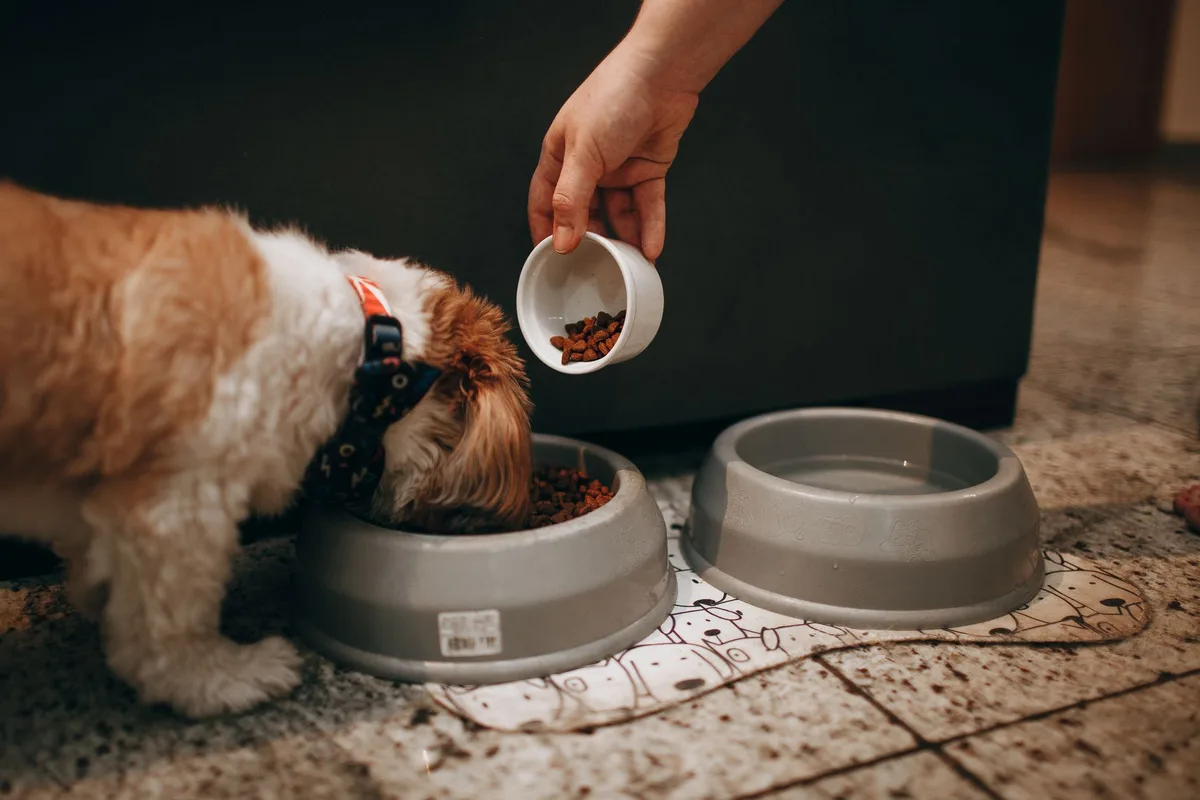
What's Really Going On With Your Dog's Stomach
When your dog vomits or has diarrhea, his gut is inflamed. This happens for tons of reasons: he ate something his system didn't recognize, he's stressed, he gulped his food too fast, or he picked up a mild viral infection. The inflammation makes his intestinal lining sensitive, and anything too rich, fatty, or complex can trigger more symptoms.
The difference between acute and chronic matters here. Acute upset stomach hits fast and typically resolves in hours or days if the trigger is removed. Your dog gets sick once or twice, stops eating for a bit, and then recovers. Chronic or recurring problems suggest something deeper: food allergies, parasites, inflammatory bowel disease, or pancreatitis risk.
During acute upset, your dog's body is working hard to flush whatever's irritating it. His appetite drops because his digestive system is sending "stop, we're busy" signals to his brain. The vomiting and diarrhea, unpleasant as they are, are actually his body's way of protecting itself. Once you remove the irritant and give his gut time to settle, most healthy dogs bounce back fast.
Why Jasmine Rice Might Help—and Why It Might Not
Jasmine rice works because it ticks several boxes for a sensitive stomach. It's low in fat (less than 1 gram per cooked cup), which matters because fat triggers inflammation in an already-irritated gut. It's easily digestible carbohydrate, meaning his body can break it down without straining his system. It's bland, so it won't add flavor compounds or seasonings that irritate further.
Here's what rice actually does: it provides calories when your dog isn't willing to eat much else, and it helps his stool firm up gradually as healing happens. It's not a medicine. It won't treat an underlying infection, it won't kill parasites, and it won't calm genuine inflammatory bowel disease. Rice is a holding pattern while his gut recovers naturally.
The limitation is duration and completeness. Rice alone lacks protein, essential fats, and micronutrients. If your dog eats only rice for more than 48 hours, he's not getting enough nutrition to sustain his body properly. That's why rice is a short-term bridge, not a meal plan.
Most veterinarians recommend plain rice mixed with bland, skinless chicken or turkey if your dog will eat it. This combination gives him both carbs and protein without overwhelming his system.
Jasmine versus white rice makes almost no difference for a sick dog. Both are white rice varieties with similar digestibility and fat content. Brown rice is slightly higher in fiber, which some digestive systems appreciate and others rebel against during acute upset. The preparation method matters far more than the rice type: it must be plain, cooked in water only, with absolutely no salt, oil, garlic, onion, or seasoning.
When It's Actually Safe to Try This at Home
You can attempt home care with jasmine rice if all of these are true: your dog had one or two episodes of vomiting or soft stool but seems otherwise normal, he's alert and interested in his surroundings, he's drinking water without vomiting it back up immediately, and the episodes started less than a few hours ago.
The 24-to-48-hour rule is non-negotiable. If symptoms persist beyond 24 hours, a vet visit is overdue. If they worsen at any point, you stop waiting and call. This isn't about being overly cautious.
It's about catching real problems early, because many serious conditions start with vomiting or diarrhea.
Self-limiting issues are mild episodes triggered by something specific and temporary: your dog ate a treat his system didn't like, he got stressed during a thunderstorm, or he gulped his meal too fast. Once the trigger passes, his gut calms down naturally. Rice supports this recovery but doesn't cause it.
Age and breed matter here. Puppies under 8 weeks old have fragile digestive systems and dehydrate quickly, so rice alone isn't enough protection. Senior dogs with pre-existing digestive conditions need vet guidance. Certain breeds like Boxers and German Shepherds have genetic predisposition to GI sensitivity, so home remedy attempts are riskier for them.
When Your Dog Needs a Vet Right Now, Not Rice
Stop feeding rice and call your vet immediately if you see any of these: bloody or black, tarry stool; vomiting that won't stop even after 30 minutes of fasting; severe lethargy or collapse; abdominal bloating or signs of pain like whining, restlessness, or a tucked abdomen; inability to keep even water down; or any vomiting or diarrhea in a puppy or senior dog.
These red flags suggest conditions that masquerade as simple upset stomach but demand emergency care. Pancreatitis, intestinal obstruction, toxin ingestion, and severe parasitic infection all start with similar symptoms. A vet can do a physical exam, take a history, and run diagnostics to figure out what's actually happening. Home care delays diagnosis in these cases, and delay can cost your dog's life.
Other situations that need immediate vet attention: if your dog ate something you suspect is toxic like chocolate, xylitol, grapes, or rat poison; if he swallowed a foreign object; if he's showing signs of severe dehydration like dry mouth, sunken eyes, or skin tenting; or if he has a fever. None of these respond to rice. They respond to medicine, fluid therapy, or surgery.
Repeated episodes suggest a chronic problem that needs professional diagnosis. If your dog has had upset stomach more than twice in the past month, something systemic is going on. It might be food allergy, dietary sensitivity, parasites, or inflammatory disease. You need a vet to identify it so you can actually fix it instead of managing symptoms forever.
How to Prepare and Give Jasmine Rice the Right Way
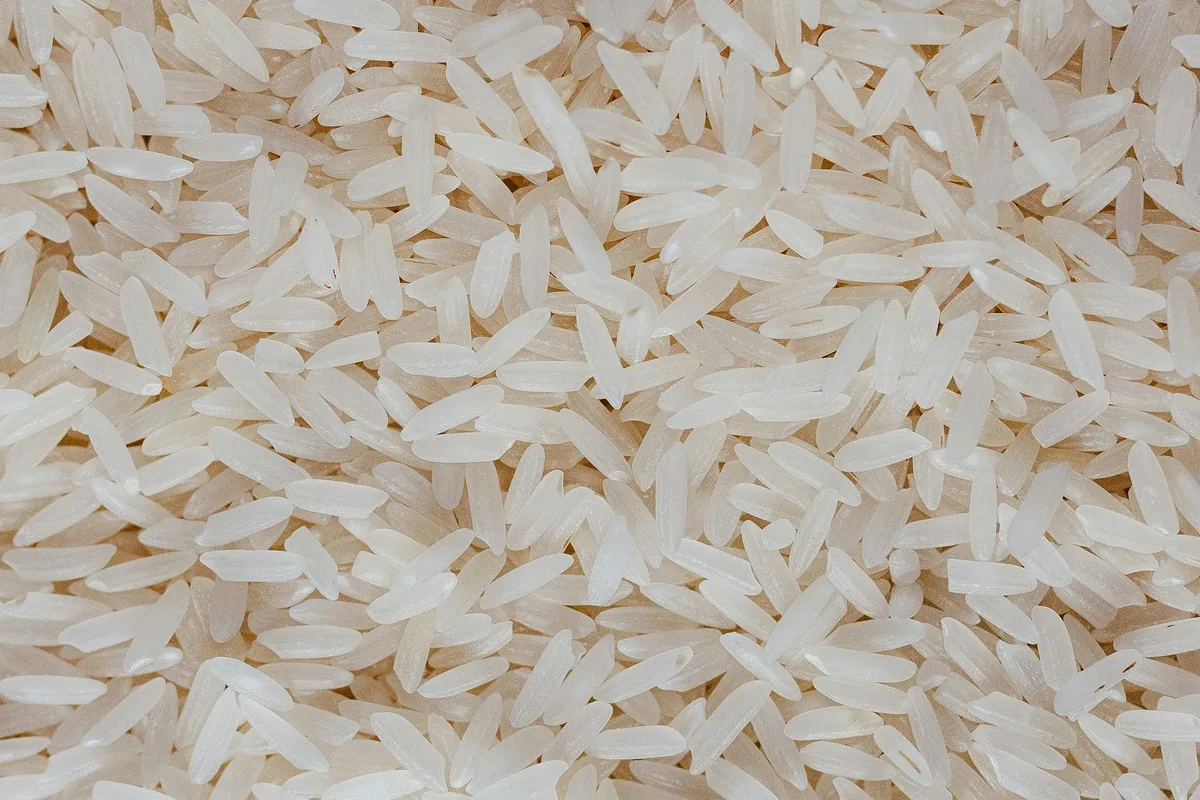
Start by cooking jasmine rice in plain water only. Use a 2-to-1 water-to-rice ratio: bring water to a boil, add rice, reduce heat to low, cover, and simmer for 15 minutes until the rice is soft and the water is absorbed. Let it cool to room temperature before offering it to your dog. Warm or hot rice can irritate his mouth and throat.
Never add salt, oil, butter, seasoning, garlic, or onion. None of these belong in recovery food. Garlic and onion are actually toxic to dogs in concentrated amounts, so avoid them completely. Plain rice is boring on purpose.
Boring is what his gut needs right now.
Portion size depends on your dog's weight. A small dog under 25 pounds gets about one-quarter to one-half cup of cooked rice per meal. A medium dog gets one-half to one cup. A large dog gets one to two cups.
Split these portions into three or four small meals throughout the day instead of one big serving. Small, frequent meals are gentler on a recovering digestive system than large ones.
If your dog will eat it, mix the rice with plain, skinless, boiled chicken or turkey. Use a ratio of about one part protein to two parts rice by volume. Avoid chicken broth if it contains any salt or seasoning. Homemade unsalted broth is fine if you have it, but plain water is perfectly adequate.
Watch your dog's response over the first 24 hours. If he's keeping food down and his stool is firming up, you're on the right track. If vomiting continues or diarrhea gets worse, stop the rice and call your vet. If he's better by the 24-hour mark, you can start slowly mixing his regular food back in.
Transition gradually over three to four days by mixing a bit more regular food and a bit less rice each day. Fast transitions can trigger upset all over again.
Other Options Worth Considering
Jasmine rice is effective, but it's not the only option. Other bland food choices exist, and some situations call for different approaches altogether.
Pumpkin puree (the plain variety, not pie filling with sugar) is a frequent alternative because it adds soluble fiber. Fiber helps firm up loose stool and supports gut healing.
The catch: some dogs with acute diarrhea respond better to low-fiber bland foods initially, then move to pumpkin as they improve. Use plain pumpkin in small amounts, about a tablespoon for a small dog and up to a quarter cup for a large dog, mixed into rice or plain chicken.
Never use pie filling, which contains sugar and spices that irritate the gut further.
Plain bone broth made without salt or seasonings can replace water when mixing rice. It adds minerals and amino acids that support recovery. However, broth alone isn't a complete meal; use it to make rice more palatable, but pair it with solid nutrition.
For protein, plain boiled chicken or turkey breast works better than rice alone. These provide amino acids essential for healing. Skip chicken skin and never add gravy, seasoning, or sauce. The same plainness rule applies.
Probiotics designed for dogs are worth discussing with your vet. They introduce beneficial bacteria that support gut flora recovery. Some dogs respond well; others don't notice much difference. They're typically used after the acute upset phase, once your dog is eating again.
Prescription gastroenteritis diets from your vet are the gold standard if you're seeing a veterinarian. These formulas are specifically balanced for dogs recovering from digestive upset. They're more reliable than home rice, and they cover all nutritional bases while being gentle on the gut.
The decision is straightforward: if you're doing home care for mild upset, jasmine rice works fine. If symptoms persist beyond 24 hours or your dog isn't improving, prescription diet from a vet is better. If probiotics interest you, ask your vet which brand they recommend.
The Biggest Mistakes Pet Owners Make With Home Remedies
Home care feels intuitive until something goes wrong. Knowing what not to do is as important as knowing what to do.
The most common mistake is treating rice as a long-term solution instead of a short-term bridge. Rice alone for a week doesn't help a dog with food allergies, parasites, or inflammatory bowel disease.
It just masks symptoms while the underlying problem gets worse. If your dog's upset stomach hasn't improved by 48 hours, rice isn't the answer, and your vet needs to diagnose what's actually going on.
Adding ingredients to make the rice more "nutritious" backfires constantly. Bone broth is fine, plain chicken is fine, but many people add extras: a sprinkle of salt for flavor, cooked vegetables, a dab of peanut butter. All of these irritate the recovering gut further.
Plain means plain. There's no exception that makes the rice work better.
Using rice for chronic problems is another trap. If your dog has diarrhea on and off every month, rice treats the symptom. It doesn't address why his gut is unstable, and chronic upset requires a vet's investigation into food allergies, dietary sensitivities, parasites, or disease.
You can't rice your way out of these problems.
Ignoring escalation signs while waiting for home care to work is dangerous. If your dog vomits after eating the rice, don't keep trying. If lethargy increases, don't assume he just needs more rest. If abdominal bloating appears, stop immediately.
These are signals to call your vet, not to adjust the recipe.
Overlooking dehydration is serious and underrated. Vomiting and diarrhea pull water from your dog's body fast. If he's not drinking or is drinking but immediately vomiting it up, dehydration is already happening.
You can't fix this with rice. You need a vet who can administer fluids.
How to Know When Home Care Isn't Enough
Red flags are obvious, but the harder call is recognizing when mild symptoms just aren't improving enough to justify more waiting.
Your dog doesn't need to be in crisis to need a vet. If his appetite is partially back but still low after 36 hours, if he's keeping food down but his energy is still noticeably flat, if his stool is improving but slowly, these are signs that home care has done what it can.
The improvement should accelerate after the first 24 hours, not plateau. Plateauing means something deeper needs attention.
Watch for stalled progress carefully. If by hour 36 or 48 he's basically the same as he was at hour 12, home care isn't cutting it. This doesn't mean you failed. It means the problem is beyond what rice can address.
Repeated episodes in a short timeframe change the calculus entirely. One upset stomach treated at home and fully resolved is fine. Three episodes in two months is a pattern that demands investigation.
Your vet needs to rule out food allergies, parasites, dietary sensitivities, or early signs of inflammatory disease.
If your dog seems uncomfortable, even without actively vomiting, that's a signal to call. Panting, pacing, seeking odd positions, or reluctance to move all suggest pain, and pain needs professional evaluation.
Don't feel like you're admitting defeat by calling your vet. You've already done the helpful part: monitored him, offered bland food, and watched for danger signs. Calling now just means getting the right diagnosis so he can actually heal instead of cycling through upset stomach repeatedly.
Your Jasmine Rice Questions Answered
How long until you should see improvement?
If home care is working, your dog should show signs of improvement within 12 to 24 hours. This might look like fewer vomiting episodes, firmer stool, or returning interest in food. If he looks the same at the 24-hour mark or worse, a vet visit is overdue.
What if your dog won't eat the rice?
Some dogs flat-out refuse plain rice because it's boring and they feel unwell. If he won't eat after offering rice a few times, don't force it. Offer plain chicken instead, or call your vet.
Not eating for 24 hours is normal during mild upset, but beyond that warrants professional evaluation.
Is jasmine rice better than white rice?
No meaningful difference exists. Both are white rice varieties with similar digestibility and minimal fiber. Brown rice is slightly different because it's higher in fiber, which some dogs appreciate and others struggle with during acute upset.
Stick with white rice or jasmine rice. If you have plain white rice at home, use it; don't run out to buy jasmine specifically.
Can you prep rice in advance and freeze it?
Yes. Plain cooked rice freezes well, and when your dog gets upset, you can thaw and portion it out. Just remember the plain preparation rule: no added salt, oil, or seasoning. Thaw in the refrigerator and warm to room temperature before serving.
What if your dog vomits after eating the rice?
Stop offering rice. Wait two to three hours, then try a smaller portion. If he vomits again, skip the rice and call your vet.
Persistent vomiting needs professional attention regardless of what you feed him.
When can you switch back to normal food?
Wait at least 24 hours after the last episode of vomiting or diarrhea, then transition gradually. Mix a small amount of his regular food into the rice, increasing the regular food proportion each day over three to four days.
Quick switches can trigger upset all over again. If your dog has been on bland rice for more than 48 hours, vet guidance on transition is wise.
Should you limit water?
No. Let your dog drink as much fresh water as he wants. Dehydration during upset stomach is a real risk. If he's vomiting water back up immediately, that's a sign to call your vet.
If he drinks but keeps the water down, hydration is happening and that's good.
