


Can you pop a frozen chicken straight into your slow cooker and walk away? It's a question many of us have pondered when staring into the freezer after a long day. While the convenience is tempting, diving in without understanding the risks can lead to more problems than it solves.
Our research indicates that cooking a whole or even just chicken pieces from frozen in a crock pot isn't always straightforward. The USDA, for example, specifies that poultry must reach an internal temperature of 165°F (74°C) to be safely consumed. Failing to do so can leave you with food safety concerns, and unevenly cooked meat from the start.
When Can You Actually Cook Frozen Chicken in a Crock Pot?
The short answer is: sometimes, but it requires careful consideration and adjustments. If you're looking to cook a frozen chicken in your crock pot, the decision hinges on a couple of key factors: whether it's a whole bird or smaller pieces, and your willingness to extend the cooking time significantly.
The Key Factors to Consider
It’s not a simple yes or no. Our analysis of cooking guidelines and user feedback shows that the success of cooking frozen chicken directly in a slow cooker depends on these main points:
- Type of Product: A whole chicken presents different challenges than individual pieces like breasts or thighs.
- Cooking Time: Expect to add nearly 50% more cooking time compared to using thawed chicken.
- Food Safety: Ensuring the chicken reaches a safe internal temperature throughout is paramount, and this is trickier with frozen items.
This approach is often better suited when you have plenty of buffer time and aren't rushing dinner. For those nights when time is tight, thawing first is generally the more reliable route.
Whole Chicken vs. Chicken Pieces: Does It Matter?
Yes, it absolutely matters. Cooking a whole frozen chicken in a crock pot is significantly more challenging to get right than smaller chicken pieces.
- Whole Chicken: Because a whole chicken is dense and cold all the way through, the outer parts can overcook and become dry before the thickest parts of the breast and thighs reach a safe and palatable temperature. This increases the risk of uneven cooking.
- Chicken Pieces: Boneless, skinless chicken breasts or thighs, while still needing a longer cook time, tend to heat more evenly and thoroughly in a slow cooker when frozen. They are more forgiving because they are smaller and have less internal mass to penetrate.
Even with pieces, our research suggests that starting with thawed chicken often yields better texture and flavor, especially for recipes where you want tender, shreddable meat like in a recipe for chilli chicken gravy.
How to Safely Cook Frozen Chicken in Your Crock Pot
If you've decided to proceed with cooking frozen chicken in your crock pot, doing it right is crucial for both taste and safety. It's not as simple as just tossing it in and setting the timer.
Step 1: Prep Your Crock Pot and Chicken
Before anything goes into the pot, make sure it’s clean and ready. For frozen chicken pieces, you can usually place them directly into the slow cooker. If you're attempting a whole frozen chicken (which we generally advise against for best results), ensure it fits comfortably without being crammed in.
Add your liquid. This is essential for creating steam and preventing the chicken from drying out. Use broth, water, or even a sauce base. You'll likely need more liquid than you would for thawed chicken because some will evaporate during the extended cooking period.
Step 2: Set Your Cooking Time and Temperature
This is where the biggest adjustment happens. Because the chicken starts at a much lower temperature (below freezing, of course), it takes a substantially longer time to heat through. Manufacturer specifications and aggregate culinary advice suggest you should expect to add at least 50% more cooking time than if you were using thawed chicken.
For example, if a recipe calls for 3-4 hours on High with thawed chicken breasts, you might need 5-6 hours or even longer when cooking from frozen. It's always better to err on the side of too long rather than too short when dealing with frozen poultry. If a recipe calls for 6-8 hours on Low for thawed chicken, you’re looking at 9-12 hours for frozen.
Step 3: Monitoring and Checking for Doneness
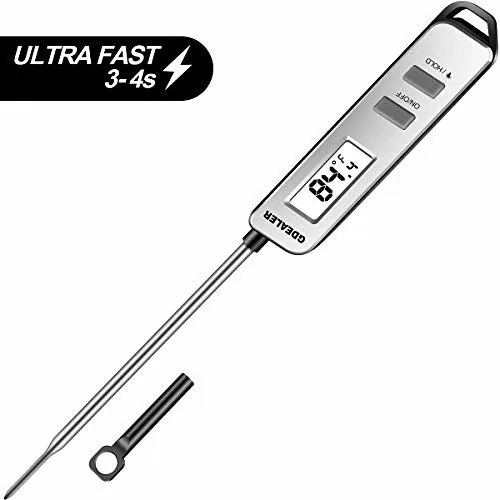
This step is non-negotiable for food safety. You absolutely must verify that the chicken has reached a safe internal temperature. Use a reliable meat thermometer to check the thickest part of the meat, avoiding bone.
The USDA Food Safety and Inspection Service (FSIS) mandates that poultry must reach an internal temperature of 165°F (74°C) to kill harmful bacteria like Salmonella. When cooking from frozen, check the temperature at multiple points, especially in the deepest parts of the thighs and breast, to ensure it's cooked through evenly. If you're unsure, leave it in longer.
What Happens When You Cook Frozen Chicken From the Start?
Putting a frozen chicken directly into a slow cooker has distinct effects on both the final outcome and the process itself. It's not a magic bullet for skipping thawing; it's a different cooking method with its own set of considerations.
Taste and Texture: What to Expect
When you cook chicken from frozen in a crock pot, especially a whole bird, the texture can be compromised. The extended, moist-heat cooking environment can sometimes lead to a mushy or stringy texture if not managed perfectly. Pieces, particularly boneless and skinless ones, tend to fare better, often resulting in a tender, shreddable product suitable for dishes like pulled chicken. However, if a recipe calls for chicken to hold its shape, like in a recipe chicken mornay, starting from frozen is generally not recommended as it can break down too much.
Cooking Time: How Much Longer?
This is the most significant practical difference. As noted, you're looking at a substantial increase in the total cooking duration. Aggregate culinary data from various cooking and appliance manufacturers indicates that you should generally add 50% more time to your original recipe's estimate when working with frozen poultry.
For instance:
- Thawed Chicken Breasts: Typically 2-3 hours on High or 4-6 hours on Low.
- Frozen Chicken Breasts: Expect 4-5 hours on High or 6-9 hours on Low.
Always use a thermometer to confirm doneness, as these are estimates. It's better to have it cook a little longer than to serve undercooked poultry.
Food Safety First: Avoiding the Danger Zone
This is the most critical aspect of cooking any poultry, and it becomes even more important when you're starting with a frozen item. Foodborne illnesses from undercooked chicken can be serious, so understanding the risks and proper temperatures is paramount.
Why Temperature is Crucial for Poultry
Chickens, like other raw poultry, can harbor bacteria such as Salmonella and Campylobacter. These harmful microorganisms can cause severe food poisoning. The only way to reliably kill these bacteria is by cooking the chicken to a specific internal temperature.
The danger zone for food is generally defined as temperatures between 40°F (4°C) and 140°F (60°C). Bacteria multiply rapidly within this range. When you cook a frozen chicken, it spends a much longer time in this danger zone as it slowly thaws and heats up, increasing the potential for bacterial growth if not managed correctly.
Understanding the USDA's Recommendations
The United States Department of Agriculture (USDA) provides clear guidelines for safe poultry cooking. They state that all poultry, including whole chickens and parts, should be cooked to a minimum internal temperature of 165°F (74°C). This temperature must be reached in the thickest part of the meat.
The USDA specifically advises against cooking frozen poultry directly in a slow cooker if the goal is to have it fully cooked in the recommended timeframe or if you cannot guarantee it reaches the safe temperature before exceeding typical cooking limits. While technically possible with significant time extension, it introduces a greater risk of prolonged exposure to the danger zone. Always consult their official food safety resources.
Common Mistakes When Cooking Frozen Crock Pot Chicken
Even with the best intentions, there are a few pitfalls that can derail your frozen chicken crock pot meal. Avoiding these common errors will significantly improve your chances of a safe and delicious result.
Skimping on Cooking Time
This is the biggest mistake people make. Since frozen chicken takes longer to cook, simply following a recipe designed for thawed chicken will almost certainly result in undercooked poultry. Always add at least 50% more cooking time, and then rely on a thermometer to be certain.
Ignoring Internal Temperature Checks
Reliance solely on visual cues (like the juices running clear) is not sufficient for food safety. Bacteria are invisible. A reliable instant-read meat thermometer is your best friend here. It’s the only way to confirm every part of the chicken has reached the safe 165°F (74°C) internal temperature.
This is especially critical for bone-in pieces and whole birds where cold spots can hide.
Using the Wrong Type of Frozen Chicken
While cooking chicken pieces from frozen is more manageable, attempting to cook a whole frozen chicken directly in a crock pot is often where things go wrong. The dense nature of a whole bird makes it very difficult to cook evenly in a slow cooker. The outer layers can become overcooked and mushy while the center remains undercooked, leading to both texture issues and safety concerns. For whole chickens, thawing is almost always the best first step, just as it is for many baked chicken Jamaican recipes.
When It's Better to Thaw Your Chicken First
While the allure of convenience is strong, there are several compelling reasons why thawing your chicken before slow cooking is the superior choice for most recipes and home cooks. It consistently leads to better results and significantly reduces food safety risks.
Thawing your chicken allows for more predictable cooking times. Recipes are typically written for thawed ingredients, and starting with thawed meat ensures that the cooking times provided are reasonably accurate. This means less guesswork for you in the kitchen.
Moreover, thawing generally results in a better final texture and flavor. The moist heat of the slow cooker can break down connective tissues, creating tender meat. However, when starting from frozen, the chicken can sometimes end up watery, mushy, or stringy, particularly if it's a whole bird. For delicate dishes where chicken needs to hold its shape or have a specific texture, like in a recipe for Bourbon Street chicken or a ponzu chicken recipe, thawing is essential.
Properly thawing chicken can be done safely in the refrigerator, a microwave, or under cold running water, depending on your timeline.
Crock Pot Frozen Chicken: Your Decision Guide
Ultimately, deciding whether to cook frozen chicken in your crock pot comes down to a trade-off between convenience and results. Our research suggests that for optimal taste, texture, and safety, thawing chicken is generally the preferred method. However, if time is of the essence and you're prepared to adjust your cooking process significantly, it can be done with careful attention.
Is It Safe to Put a Frozen Chicken in the Crock Pot? (Recap)
To recap our earlier discussion and solidify the core question: yes, you can technically put a frozen chicken into a crock pot, but it's not straightforward and comes with significant caveats. The USDA Food Safety and Inspection Service (FSIS) recommends against cooking poultry from frozen if the goal is typical, reliable results, primarily due to the prolonged time the meat spends in the temperature danger zone (40°F to 140°F / 4°C to 60°C). This extended period can allow bacteria to multiply. For food safety and superior texture, thawing is highly recommended.
When Frozen is a Maybe…
- Smaller pieces: Boneless, skinless chicken breasts or thighs are more forgiving.
- Extended cook time: Be prepared to add 50% or more to the recipe's original estimate.
- Patience: You'll need to monitor temperatures diligently.
When Frozen is a No-Go
- Whole chickens: These are very difficult to cook evenly from frozen in a slow cooker.
- Recipes requiring texture: If you need chicken to hold its shape or have a specific bite, thawing is best.
- Limited time: If you can't afford the extended cooking period, don't risk it.
When Can You Actually Cook Frozen Chicken in a Crock Pot? (Recap)
So, when does it make sense to bypass thawing and go straight from freezer to slow cooker? It boils down to a few specific conditions, and frankly, it’s often not the ideal scenario.
The Key Factors to Consider
The viability of cooking frozen chicken in a crock pot hinges on two main areas: the type of chicken product and your tolerance for a much longer cooking process. A whole bird is a different beast entirely from individual cuts.
Whole Chicken vs. Chicken Pieces: Does It Matter? (Recap)
Yes, it’s a critical distinction. A whole chicken, due to its density and mass, presents a significant challenge for slow cookers when frozen. The heat penetrates slowly, leading to uneven cooking where outer layers might become overdone while the core remains under temperature for too long. Individual chicken pieces, especially boneless and skinless cuts, are more amenable to this method because they heat up more uniformly and quickly, though still at a slower pace than their thawed counterparts.
For many recipes, like a succulent baked chicken Jamaican recipe, starting with thawed chicken will yield far more consistent and pleasing results.
How to Safely Cook Frozen Chicken in Your Crock Pot (Recap)
If you’ve weighed the pros and cons and decided to move forward with cooking frozen chicken in your crock pot, understanding the correct procedure is essential. It’s not just a simple toss-and-go operation; there are specific steps that need attention to ensure safety and a decent outcome.
Step 1: Prep Your Crock Pot and Chicken
Begin by ensuring your crock pot is clean and ready for action. For frozen chicken pieces, you can generally place them directly into the pot. If you're attempting a whole frozen chicken (which, as we’ve discussed, isn't ideal), make sure it fits without being forced.
Next, add your liquid. This is a critical element for creating steam and preventing dryness during the extended cooking period. Broth, water, or a sauce base works well. You’ll likely need more liquid than for thawed chicken because a portion will inevitably evaporate over the prolonged cooking time.
Step 2: Set Your Cooking Time and Temperature
This is where the most significant adjustment is made. Because the chicken starts at a sub-freezing temperature, it requires considerably more time to reach a safe and edible temperature. Aggregate culinary data from cooker manufacturers and food safety experts indicates you should anticipate adding at least a 50% increase to the cooking time suggested for thawed chicken.
For illustration, if a recipe calls for 3-4 hours on High with thawed chicken breasts, you might need 5-6 hours or even more when cooking from frozen. Always lean towards a longer cooking duration when in doubt. Similarly, a recipe that typically calls for 6-8 hours on Low for thawed chicken could require 9-12 hours when starting from frozen.
Step 3: Monitoring and Checking for Doneness
This step is absolutely non-negotiable for food safety. Verifying that the chicken has reached a safe internal temperature is crucial for preventing foodborne illnesses. Employing a reliable meat thermometer is the only way to confirm this.
The USDA Food Safety and Inspection Service (FSIS) establishes that all poultry must achieve a minimum internal temperature of 165°F (74°C) to be deemed safe for consumption. When cooking from frozen, it's imperative to check the temperature at multiple points, particularly in the thickest areas of the thighs and breast, to ensure even cooking. If there’s any uncertainty about reaching that critical temperature, allow additional cooking time.
What Happens When You Cook Frozen Chicken From the Start? (Recap)
Placing frozen chicken directly into a crock pot fundamentally alters the cooking process and influences the final dish. It's less about saving time and more about adapting to a longer, slower method when thawing isn't an option.
Taste and Texture: What to Expect (Recap)
When chicken is cooked from frozen in a slow cooker, especially a whole bird, the texture can be a gamble. The prolonged, moist-heat environment can sometimes render the meat mushy or stringy, particularly if the temperature isn't managed perfectly. Smaller chicken pieces, particularly boneless and skinless varieties, generally hold up better, often becoming tender and easy to shred for dishes like pulled chicken. However, for recipes where chicken needs to maintain its distinct form, such as in a recipe chicken mornay, cooking from frozen is usually not the best approach as it can lead to excessive breakdown.
Cooking Time: How Much Longer? (Recap)
The most impact of using frozen chicken is the sheer increase in cooking duration. Our research confirms that you should expect to add approximately 50% more cooking time compared to using thawed chicken.
Here’s a general guideline:
- Thawed Chicken Breasts: Typically 2-3 hours on High or 4-6 hours on Low.
- Frozen Chicken Breasts: Plan for 4-5 hours on High or 6-9 hours on Low.
Always use a thermometer to confirm doneness, as these are just estimates. Letting it cook a bit longer is far safer than serving undercooked poultry.
Food Safety First: Avoiding the Danger Zone (Recap)
This consideration is paramount when cooking any poultry, and it becomes even more critical when you're starting with a frozen product. Undercooked chicken can harbor harmful bacteria, leading to serious foodborne illnesses. Understanding the risks and proper temperatures is not optional; it’s essential.
Why Temperature is Crucial for Poultry (Recap)
Raw poultry, including chicken, can carry pathogens like Salmonella and Campylobacter. These bacteria can cause significant illness. The only definitive way to eliminate them is by cooking the chicken to a specific internal temperature.
The recognized food danger zone sits between 40°F and 140°F (4°C to 60°C), a range where bacteria can multiply rapidly. When cooking frozen chicken, it spends an extended period in this danger zone as it thaws and heats up, which can increase the risk of bacterial proliferation if not handled carefully.
Understanding the USDA's Recommendations (Recap)
The USDA's Food Safety and Inspection Service (FSIS) provides clear directives for safe poultry preparation. They mandate that all poultry, whether whole or in parts, must reach a minimum internal temperature of 165°F (74°C). This temperature must be consistently achieved throughout the thickest part of the meat.
The FSIS specifically advises against cooking frozen poultry directly in a slow cooker because it can prolong the time the food spends in the temperature danger zone, potentially compromising safety. While it's possible to cook frozen chicken safely in a crock pot by drastically extending the time and meticulously monitoring temperature, it introduces a greater risk than starting with thawed chicken. Always refer to official USDA guidelines for the most current and authoritative advice.
