

You've got that craving for a comforting, slow-cooked meal, but then you peek into the freezer and realize your roast is still a solid block of ice. The immediate thought is, "Can I put a frozen roast in the slow cooker?" It's a common predicament, and while it's technically possible, it’s not always the best idea and comes with important considerations for both safety and taste.
When starting from frozen, the meat needs to reach a safe internal temperature of 165°F (74°C) for poultry and 160°F (71°C) for ground meats, and 145°F (63°C) for whole cuts of beef, pork, lamb, and veal, followed by a three-minute rest time, according to United States Department of Agriculture (USDA) guidelines. A slow cooker simply isn't designed to thaw a large frozen mass quickly enough to avoid lingering in the bacterial "danger zone" between 40°F and 140°F for too long.
Can You Really Cook A Frozen Roast In The Slow Cooker?
So, can you just toss a frozen roast into your slow cooker and call it a day? The short answer is: it’s risky, and generally not recommended by food safety experts, especially for larger cuts. Slow cookers are designed to cook food that is already thawed or chilled, not to bring a frozen item up to a safe temperature in a timely manner.
When meat spends an extended period in the slow cooker while still frozen, it takes much longer to heat through. This extended time in the temperature danger zone (40°F to 140°F) provides an ideal environment for bacteria like Salmonella and E. coli to multiply. While you might eventually reach a safe internal temperature, the potential for bacterial growth during the lengthy thawing phase is the primary concern. Beyond safety, cooking a frozen roast directly can also lead to uneven cooking, resulting in a tough and less flavorful dish.
The Food Safety Question: Why It's a Big Deal
Let's hammer this home: food safety is paramount when cooking, and it's especially critical when dealing with frozen meats in a slow cooker. The USDA highlights that the "danger zone" for bacterial growth is between 40°F and 140°F. When you put a frozen roast into a slow cooker, it can remain in this zone for several hours as it slowly thaws and then begins to cook.
This extended time in the danger zone is the core problem. Bacteria that might be present on raw meat can multiply rapidly during this period. While slow cookers eventually heat food thoroughly, the slow and steady approach means the initial thawing process might not be fast enough to prevent significant bacterial proliferation. For reference, the FDA recommends that food be refrigerated at or below 40°F (4°C) or frozen at or below 0°F (-18°C).
When cooking frozen meat, the goal is to minimize the time it spends above 40°F.
When It's Generally Not Your Best Bet
Cooking a whole, large frozen roast directly in a slow cooker is where things get particularly dicey. Think of a substantial cut, like a 3-4 pound beef chuck roast. When this solid block of ice enters a slow cooker, the appliance’s heating elements have a tough job.
- Extended Thawing Time: Manufacturer specifications for many slow cookers indicate they are intended for fully thawed or chilled ingredients. The time it takes for a large frozen roast to thaw sufficiently to begin cooking could be 4, 6, or even more hours. During this period, the outer layers might start to cook while the inner core remains frozen or barely above refrigerator temperature.
- Uneven Cooking and Texture Issues: Because the heat uptake is so slow and uneven from a frozen state, you'll almost certainly end up with a roast that is cooked unevenly. The outside might be tender, but the center could be dry and tough, or vice versa. This significantly impacts the final texture and eating experience.
- Highest Risk of Bacterial Contamination: This is the non-negotiable part. The longer the meat sits in the danger zone, the higher the risk of harmful bacteria reaching levels that can cause foodborne illness. Slow cookers aren't designed for rapid thawing, making them unsuitable for this purpose with larger cuts.
If You Have To Cook a Frozen Roast: Safety Steps
Okay, we get it. Sometimes life happens, plans change, and you might find yourself needing to cook a frozen roast in a slow cooker out of necessity. If this is your only option, you absolutely must prioritize safety and actively mitigate the risks involved. This isn't about getting the absolute best texture; it's about doing it as safely as possible.
Break It Down: Smaller Pieces Cook Faster
The single most effective way to make cooking a frozen roast in a slow cooker safer is to break it down. If your roast is a multi-pound block, consider cutting it into smaller, manageable pieces while it's still frozen.
- Why this works: Smaller pieces have a much larger surface area exposed to heat. This dramatically reduces the time it takes for the entire piece of meat to thaw and cook through to a safe internal temperature.
- Practicality: While still frozen solid, you can often cut a roast with a sharp, sturdy knife. Aim for chunks that are no more than 2-3 inches in their largest dimension. This makes them much more likely to cook evenly and quickly within the slow cooker.
Liquid, Time, and Temperature Checks
If you proceed with cooking a frozen roast, especially if you've cut it into smaller pieces, you need to adjust your cooking strategy significantly.
- Add Sufficient Liquid: Ensure your slow cooker has enough liquid to partially or fully submerge the meat. This helps conduct heat more efficiently and evenly around the pieces. Think about recipes for stews or braises where the meat is covered.
- Increase Cooking Time Dramatically: A frozen roast will take considerably longer to cook than a thawed one. Our research and manufacturer guidelines suggest you could need an additional 2-4 hours, or even more, depending on the size of the pieces and the wattage of your slow cooker. Don't rely on your usual cooking times.
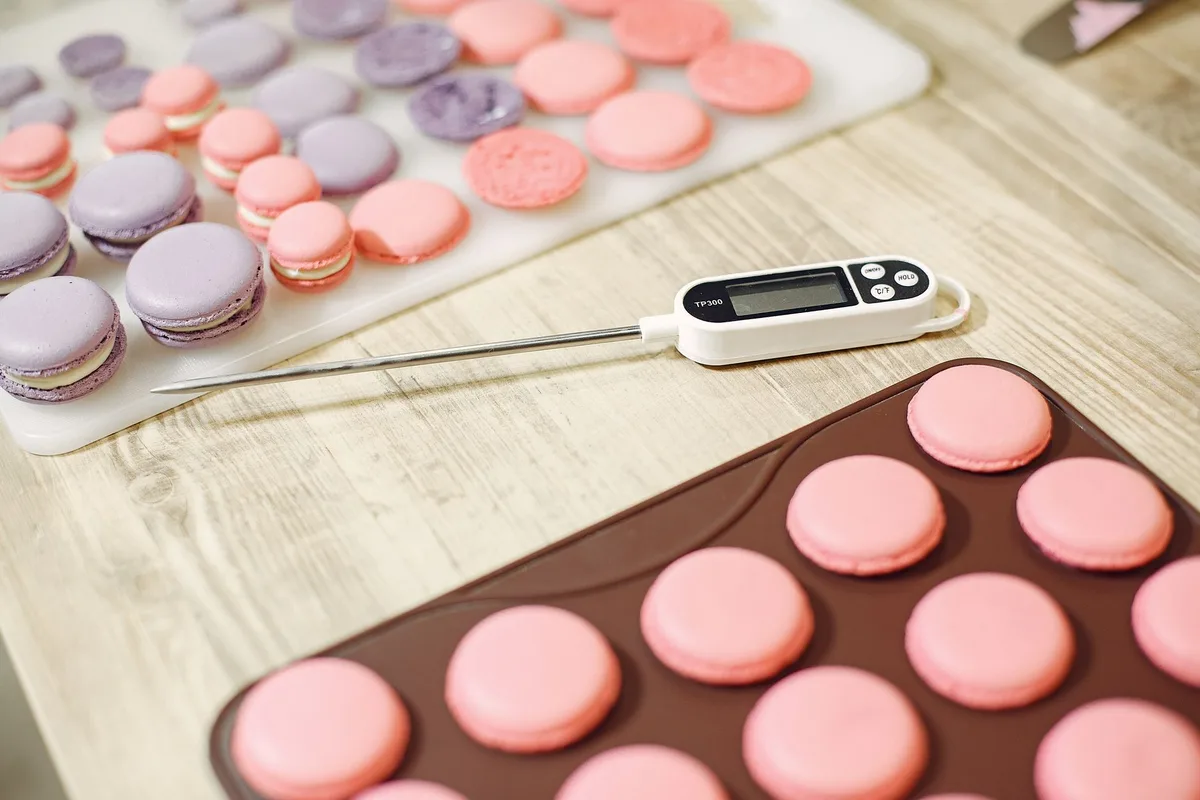
- Temperature Verification is Non-Negotiable: This is the most critical step for safety. You must use a reliable digital meat thermometer to check the internal temperature of the roast in multiple spots. For whole cuts like beef, pork, lamb, or veal, the USDA recommends an internal temperature of 145°F (63°C) followed by a three-minute rest. Because slow cooking can sometimes lead to slightly lower temps if not managed, aiming for a definitive 165°F (74°C) is an even safer bet, particularly if you’ve had prolonged time in the danger zone.
The Safest Strategy: Thaw First, Then Slow Cook
While you can take steps to make cooking a frozen roast safer, the most recommended and reliable method for both food safety and achieving a delicious result is to thaw the meat completely before it ever enters the slow cooker. This approach removes the guesswork and the significant risk associated with extended thawing times in the slow cooker itself.
Fridge Thawing: The Gold Standard
The safest and preferred thawing method for any frozen meat, including roasts, is in the refrigerator. This slow, consistent cooling keeps the meat at a safe temperature throughout the thawing process.
- How it works: Place the frozen roast in a leak-proof container or on a rimmed baking sheet. This catches any drips and prevents cross-contamination in your fridge.
- Timeframe: Plan ahead, as this method requires time. Generally, allow approximately 24 hours for every 4 to 5 pounds of meat. A larger roast might need 2-3 days to thaw completely.
- Benefits: This method is hands-off once set up, maintains the quality of the meat, and ensures it stays out of the danger zone. You can confidently use the thawed roast in your favorite recipes, perhaps like a Recipe For Chilli Chicken Gravy or a classic Recipe Chicken Marsala Ina Garten. If you're looking for other ways to prepare chicken, consider a Baked Chicken Jamaican Recipe.
Quick Thaws: Cold Water or Microwave
If you're short on time and can't use the refrigerator method, there are quicker thawing options, though they require more immediate attention.
- Cold Water Thaw: Submerge the frozen roast (still in its original packaging or in a leak-proof bag) in a large bowl or sink filled with cold tap water.
- Crucial: You must change the water every 30 minutes to keep it cold and prevent bacterial growth.
- Time: Smaller cuts might thaw in 1-2 hours, while larger roasts could take 2-3 hours.
- Immediately Cook: Once thawed, cook the roast right away. Do not refreeze.
- Microwave Thawing: Many microwaves have a defrost setting.
- Follow Instructions: Consult your microwave's manual for the best way to use the defrost feature for roasts.
- Unevenness: Be aware that microwaving can sometimes partially cook the outer edges of the meat, which could affect the final texture in a slow cooker.
- Immediately Cook: Like the cold water method, meat thawed in the microwave must be cooked immediately.
Checking for Doneness: Temperature is Key
Regardless of whether you started with a frozen or thawed roast, the definitive way to know it’s safe to eat is by checking its internal temperature. Relying solely on cooking time or visual cues can be misleading.
The USDA recommends specific internal temperatures for different types of meat to ensure all harmful bacteria are destroyed:
- Whole Cuts of Beef, Pork, Lamb, and Veal: 145°F (63°C) with a 3-minute rest time.
- Ground Meats (Beef, Pork, Lamb, Veal): 160°F (71°C).
- Poultry (Chicken, Turkey, Duck, Goose, whole or pieces): 165°F (74°C).
For roasts intended for slow cooking, even if they are tender, verifying the 145°F is crucial. However, some slow cooker enthusiasts opt for higher temperatures like 165°F for added assurance, especially if the roast spent any time in the danger zone during cooking. Always insert your meat thermometer into the thickest part of the roast, avoiding any bones. If you're cooking multiple pieces, check the temperature in a few different spots.
When to Stick to Thawed: Best Results Guaranteed
While we've covered how to safely attempt cooking a frozen roast in a slow cooker, it's important to reiterate that the best results, both in terms of food safety and culinary quality, come from using a thawed roast. This is where you truly unlock the potential of slow cooking for tender, flavorful meals.
Think about dishes where the roast breaks down beautifully, like a hearty stew or a rich braise. Starting with thawed meat allows for predictable cooking times and ensures even heat distribution. This leads to a consistently tender result, whether you're making something akin to a Recipe For Bourbon Street Chicken or a delicate Recipe Chicken Mornay. For those interested in exploring other cooking methods, delicious Air Fryer Recipes Vegetarian High Protein options are readily available.
How Much Longer? Adjusting Cooking Times for Frozen Roasts
If you're opting to cook a frozen roast directly in the slow cooker, be prepared for a significantly extended cook time. This isn't a minor adjustment; it's a substantial increase. Our research, along with feedback from appliance manufacturers, indicates that a frozen roast can take 50% to 100% longer than a thawed one. So, if your recipe calls for 4 hours on high for a thawed roast, you might need 6 to 8 hours for the same cut when frozen.
This extended cooking time is directly related to the energy required to bring the frozen mass up through the danger zone and then cook it through. For context, a typical 6-quart slow cooker operates at around 150 watts on low and 220 watts on high. This consistent, low-level heat is why it's perfect for tenderizing thawed meats but struggles to efficiently and safely thaw large frozen items. You'll want to closely monitor the roast's progress, especially if you’re working with a larger piece.
What Size Roast Works Best From Frozen?
When considering cooking a frozen roast directly in a slow cooker, the size of the roast truly matters. Smaller cuts present less of a risk than their larger counterparts. If you're looking at a roast that’s about one to two pounds, this significantly improves the chances of it thawing and cooking through to a safe temperature within a reasonable timeframe.
However, even with smaller frozen roasts, it’s still not the ideal scenario. The risk of not reaching a safe internal temperature in every part of the roast persists. For the best results and absolute certainty regarding food safety, it’s always preferable to thaw any roast, regardless of size, before placing it in your slow cooker. Consider this a rule of thumb: the smaller the frozen item, the lower the risk, but the safest bet is always to thaw.
Potential Texture and Flavor Differences
If you do choose to cook a frozen roast directly in your slow cooker, be prepared for a potential difference in texture and flavor compared to using a thawed roast. Because the cooking process from frozen is inherently uneven, the meat may not become as uniformly tender. You might find some parts are succulent while others are slightly drier or chewier.
This difference stems from how the muscle fibers are affected by the heat. In a properly thawed roast, the heat penetrates consistently, allowing connective tissues to break down smoothly into gelatin, resulting in melt-in-your-mouth tenderness. When cooking from frozen, the outer layers can overcook and toughen before the inner core has had a chance to tenderize properly. This is a key reason why recipes like Baked Sweet Potato And Chicken Recipe or a Ras El Hanout Recipes Using Chicken benefit from thawed ingredients.
Mistakes to Avoid When Cooking Frozen Roasts
When attempting to cook a frozen roast in a slow cooker, there are several common mistakes that can lead to foodborne illness or disappointing results. The most critical mistake is assuming the slow cooker will "cook it safe" without any extra precautions.
- Skipping the Temperature Check: Relying only on time without verifying the internal temperature with a meat thermometer is a major food safety risk. As noted, the target is 145°F (63°C) for whole cuts, followed by a rest.
- Underestimating Cook Time: Assuming it will cook in the same amount of time as a thawed roast is another common error. This directly leads to insufficient cooking and potential safety issues.
- Using Very Large Roasts: Trying to cook a roast over three or four pounds from a frozen state in a standard slow cooker is strongly discouraged. The sheer mass makes safe and even cooking nearly impossible.
- Not Adjusting Liquid: Frozen meat releases water as it thaws. You might need to adjust the amount of liquid in your recipe to prevent it from becoming too watery, even as you ensure there's enough for initial heat transfer.
Should You Buy a Smaller Freezer for Frozen Roasts?
If you find yourself frequently dealing with frozen roasts and the dilemma of cooking them, investing in a dedicated smaller freezer might be a smart move. A high-quality secondary freezer, whether a chest freezer for the garage or a compact upright model, can be invaluable for proper food storage and thawing.
Having extra freezer space means you can buy roasts when they're on sale and freeze them in portions that suit your cooking needs. More importantly, it allows for proper thawing in the refrigerator, which, as we've discussed, is the safest and most effective method. This eliminates the rush and the temptation to cook frozen items directly from the freezer. For those considering such an appliance, checking guides for the Best Small Freezer For Garage or the Best Fridge Freezer For A Garage can help you make an informed decision.
Proper storage ensures you always have the option to thaw meat safely before it ever sees a slow cooker.
