


Ever stood there, dinner prep in full swing, looking at a lovely glass bowl and thinking, "Could this go in the air fryer?" It's a totally normal question, especially when we're trying to make cooking easier and cleaner. We all want to know what's safe and what's going to give us the best results without any drama.
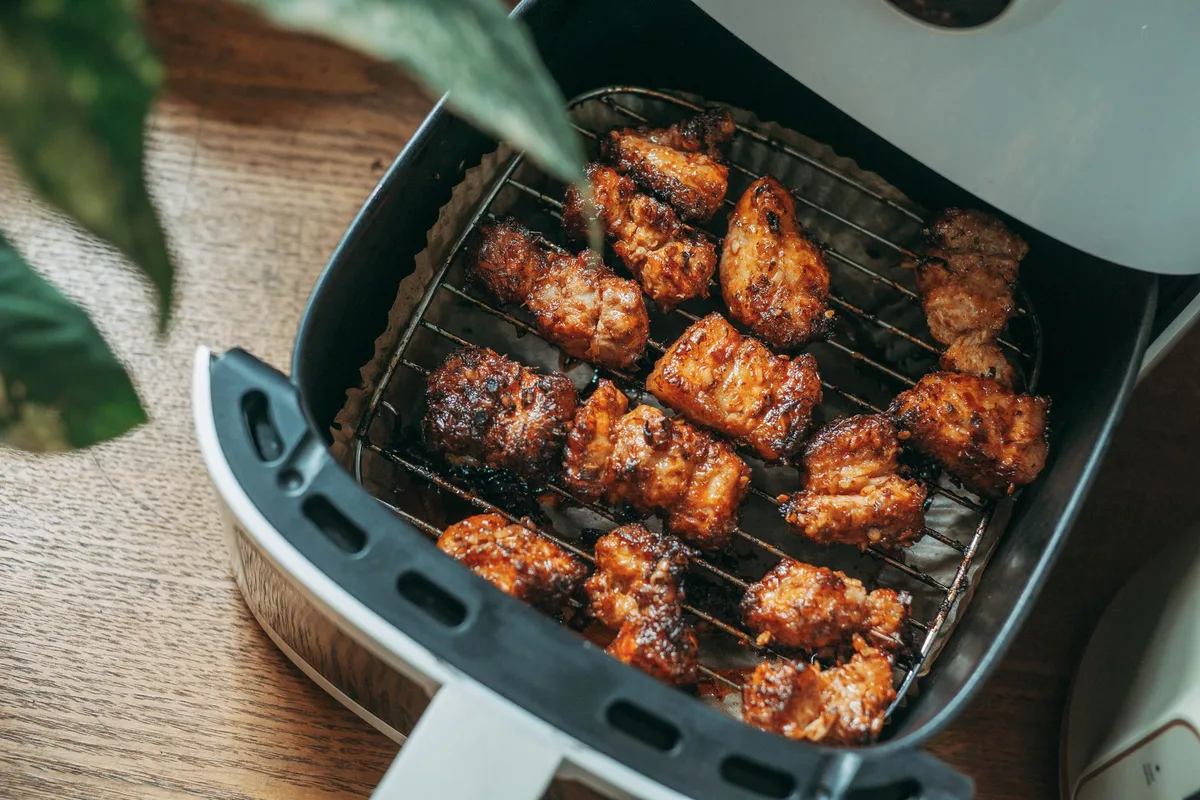
The short answer? It's not a simple yes or no. It depends, and understanding that "depends" is key to avoiding a smashed bowl or some other mess. Manufacturer specifications for heat-treated glass, such as those often found in oven-safe cookware, indicate resistance to typical oven temperatures, but air fryers introduce unique heating dynamics.
Understanding Cookware for Your Air Fryer
Air fryers work by circulating hot air really fast, around 375-400°F (190-205°C), which creates a crisping effect similar to deep frying but with less oil. This intense, dry heat means whatever you put in there needs to handle it without issue. Using the wrong cookware can lead to broken dishes, uneven cooking, or even damage to your appliance. It’s crucial to select materials that can withstand these conditions safely and effectively.
The Big "It Depends" Factors for Glass Bowls
When we're talking about putting glass in an air fryer, we're really talking about heat. Several factors determine if a glass bowl is up to the task, and overlooking them can lead to unexpected problems.
What Kind of Glass Is It?
This is the MOST important part. Not all glass is created equal.
- Tempered Glass (like Pyrex or Anchor Hocking): In our research, tempered glass is designed for moderate temperature changes and oven use. It's generally much tougher than regular glass, making it a better candidate for high-heat appliances.
- Borosilicate Glass: Similar to tempered glass, it's known for its resistance to thermal shock, which is the stress a material undergoes when subjected to rapid temperature changes.
- Regular Soda-Lime Glass: Think of your everyday drinking glasses or plain glass bowls. These are not built for the kind of heat fluctuations and intense dry heat an air fryer throws at them. Manufacturer specifications often rate them for moderate use only, making them much more likely to crack or shatter.
Manufacturer's Instructions: Your Golden Rule
Seriously, check the label or the manufacturer's website for both your air fryer and your glass dish. They'll usually tell you explicitly if certain materials are safe or unsafe. For instance, many air fryer manuals list approved bakeware types and explicitly warn against using certain materials. This guidance is based on extensive testing and safety standards.
Considering Heat and Food Type
Air fryers can reach temperatures of 400°F (205°C) or higher. Is your glass rated for these temperatures and the rapid heating that occurs? Also, consider the temperature of the food itself as it goes into the hot air fryer. Putting a cold, wet salad into a preheated air fryer can cause more thermal shock than searing some hot marinated chicken.
Checking for Extra Components
Is it just glass? Some glass bowls have metal frames or lids with plastic parts. These metal bits can get super hot and cause uneven heating or even damage your air fryer. Plastic is usually a no-go in direct, high heat as it can melt or warp, compromising the integrity of the dish and potentially releasing harmful chemicals.
A Quick Checklist: Is Your Glass Bowl Safe?
Let's break it down so you can make a confident choice.
- Identify your glass: Look for markings, often on the bottom of the bowl. Does it say "oven safe," "tempered," or have a brand name like Pyrex or Anchor Hocking? If it's just plain, unmarked glass, proceed with extreme caution, or generally, don't.
- Check your air fryer manual: Does it say anything about glass cookware? Some appliance user guides explicitly list approved bakeware and materials.
- Consider the heat: Air fryers get pretty hot, often in the 375-400°F (190-205°C) range. Is your glass rated for these temperatures and the rapid heating? Reputable glass cookware is typically rated for oven use well above these temperatures.
- Look for damage: Absolutely do not use any glass bowl that has chips, cracks, or deep scratches. These are weak points that can lead to breakage under heat. Wear and tear significantly compromise the material's strength.
When a Glass Bowl Might Be Okay (with Caveats)
If you have a tempered glass bowl (like Pyrex or Anchor Hocking) that is explicitly labeled as oven-safe up to the temperatures your air fryer uses, and it has no metal or plastic components, you might be able to use it. Per standard testing by cookware manufacturers, tempered glass is significantly more durable and resistant to thermal shock than regular glass. For example, many oven-safe glass dishes are rated up to 450°F (232°C).
However, even with tempered glass, there's always a small risk. Thermal shock (rapid temperature change) is the biggest enemy. Aggregated user reviews often mention issues arising from taking a cold bowl straight from the fridge and putting it into a screaming hot air fryer, or vice-versa. Letting items come closer to room temperature first can help mitigate this risk.
If you're making something like baked sweet potato and chicken, ensure both the ingredients and the dish are not drastically cold.
When to Absolutely Say "No Way" to Glass Bowls
There are certain situations where using a glass bowl in an air fryer is a definite no-go. These are not suggestions; they are firm guidelines for safety.
- Regular, unmarked glass bowls: These are a definite no. They are not designed for the intense heat and rapid circulation of an air fryer and can shatter, creating a dangerous situation and a mess. Manufacturer specs for these types of glass do not typically include high, rapid heat exposure.
- Glass with metal or plastic parts: The metal can overheat, warp, or cause uneven heating, and plastic components can melt or degrade. Plus, the different materials heat differently, which can stress the glass.
- Chipped or cracked glass: Never use damaged cookware. Even a small imperfection can become a major weak point under extreme heat, leading to catastrophic failure.
- If the manufacturer says no: Always defer to the warnings from the people who made your appliance and your dish. Their recommendations are based on rigorous safety testing and intended use.
Alternatives to Glass Bowls in the Air Fryer
If you're unsure about using glass, or if your glass bowls aren't suitable, there are plenty of excellent alternatives specifically designed for air fryers. These materials are chosen for their durability, heat resistance, and safety in this unique cooking environment.
Ceramic and Porcelain Considerations
Similar to glass, the answer here depends on the material and its rating. Many ceramic or porcelain dishes are oven-safe and can handle higher temperatures than regular glass. If your ceramic dish is microwave-safe and oven-safe to your air fryer's temperature range, and it's a single piece without metal accents, it's often a safer bet than regular glass. Always look for explicit "oven safe" or "air fryer safe" labels from the manufacturer.
For example, a high-sided ceramic dish might be perfect for cooking a recipe for chilli chicken gravy.
What About Metal or Silicone?
Specialized metal bakeware, such as stainless steel or anodized aluminum pans designed for air fryers, are excellent options. They distribute heat evenly and are very durable. Silicone bakeware is also a popular choice; it’s flexible, easy to clean, and typically rated for high temperatures. When selecting silicone, ensure it’s food-grade and rated for the temperatures your air fryer reaches.
There are many air fryer recipes vegetarian high protein that turn out great in silicone molds or pans.
Common Mistakes to Avoid with Glass Cookware
Even when using tempered glass, certain missteps can still lead to problems. It's easy to overlook small details when you're in a hurry, but these can make all the difference.
- Ignoring condensation: Using a wet glass bowl can introduce moisture that turns to steam, potentially causing thermal shock or uneven cooking. Always ensure the exterior of your glass dish is completely dry before placing it in the air fryer.
- Overcrowding the air fryer: If you place items too close together, air circulation is blocked. This leads to uneven cooking for both your food and the cookware itself, increasing the risk of hot spots and potential damage.
- Using for quick-simmering sauces: Air fryers excel at crisping and roasting. They're not designed for the gentle, consistent heat needed for delicate sauces. Trying to prepare something like a recipe chicken mornay in an air fryer with a glass bowl is likely to result in scorching or inconsistent results.
Safety First: Warnings and Best Practices
Safety should always be the top priority when cooking, especially with appliances that generate high heat. Understanding the risks associated with using glass in an air fryer is paramount.
- Never use damaged glass: As mentioned, chips and cracks are significant weaknesses. Manufacturer safety guidelines universally advise against using any cookware that shows signs of wear and tear that could compromise its structural integrity.
- Avoid drastic temperature changes: The principle of thermal shock applies here too. If a glass bowl has been in a cold freezer or refrigerator, let it warm up closer to room temperature before putting it into a hot air fryer. For example, when cooking best freezer meals for new moms, ensure the meal and the dish are tempered.
- Supervise cooking: Always keep an eye on your air fryer, especially when experimenting with new cookware. If you notice any strange noises, smells, or visual cues (like the glass appearing stressed), turn off the appliance immediately.
When to Seek Expert Advice or Use Manufacturer Resources
If you're in doubt about a specific glass bowl, it's always best to consult official sources. Relying on hearsay or assumptions can lead to dangerous situations.
- Consult appliance manuals: Your air fryer’s user manual is your primary guide for safe operation and approved accessories. It will typically detail what materials are safe for use inside the basket or in conjunction with specific accessories.
- Check cookware manufacturer websites: Reputable brands like Pyrex or Anchor Hocking often provide detailed FAQs and product care instructions on their official websites. These resources are invaluable for understanding the specific heat limits and recommended uses for their products. For instance, information regarding the heating capabilities of Pyrex bakeware can be found there.
- Look for official certifications: While not always present on consumer cookware, some materials may carry certifications from testing bodies, indicating their adherence to safety standards for specific applications. However, for typical home use, manufacturer labels are the most accessible indicator.
Using Other Cookware Safely
Beyond glass, other materials can be used in your air fryer, each with its own best practices. Understanding these alternatives can expand your cooking options while maintaining safety.
- Metal Pans: Stainless steel and anodized aluminum pans designed for air fryers are excellent. They offer even heat distribution and are very durable. Ensure they fit your air fryer basket or are specifically sized for it.
- Silicone Bakeware: Flexible, easy to clean, and generally heat-resistant, silicone is a great choice. Always opt for food-grade silicone rated for high temperatures, typically up to 450°F (232°C). These are ideal for smaller items or when you want easy cleanup after making something like pasta chicken peas recipe.
- Ceramic and Porcelain: As noted before, these can work if they are oven-safe to your air fryer's temperature settings and have no metallic trim. They offer a good non-stick surface and even heating.
Final Verdict: Making the Right Decision for Your Air Fryer
The question of whether you can put a glass bowl in the air fryer boils down to careful selection and understanding material properties. While some high-quality tempered glass bowls may be suitable, the risk of breakage due to thermal shock or material failure is always present if the wrong type of glass is used or if it experiences extreme temperature changes. Prioritizing manufacturer guidelines, checking for damage, and considering heat-resistant alternatives like specialized metal or silicone bakeware will ensure safe and successful cooking.
