


So, you're wondering, "Can I Put A Non Stick Pan In The Oven?" It's a question that pops up in kitchens everywhere, especially when you're trying to achieve that perfect sear and then finish your dish with even cooking. Many non-stick pans are designed for this versatility, but not all of them are built to handle oven heat. Getting this wrong can lead to anything from a warped pan to a melted handle.
Our research confirms that most non-stick cookware requires a careful check of its specifications before entering a hot oven. Manufacturer specifications often rate oven-safe temperatures for various coatings and handle materials, typically ranging up to 450°F (232°C) for durable metal components. Understanding these limits is key to both pan longevity and safe cooking.
Your Quick Answer: Is It Oven-Safe?
The short answer is: check your pan. Many non-stick pans are oven-safe, but it’s not a universal rule. The primary factor isn't just the non-stick coating itself, but the materials used for the pan's body and, crucially, its handle. If you can't find any explicit indication that your pan is designed for oven use, it's best to assume it isn't.
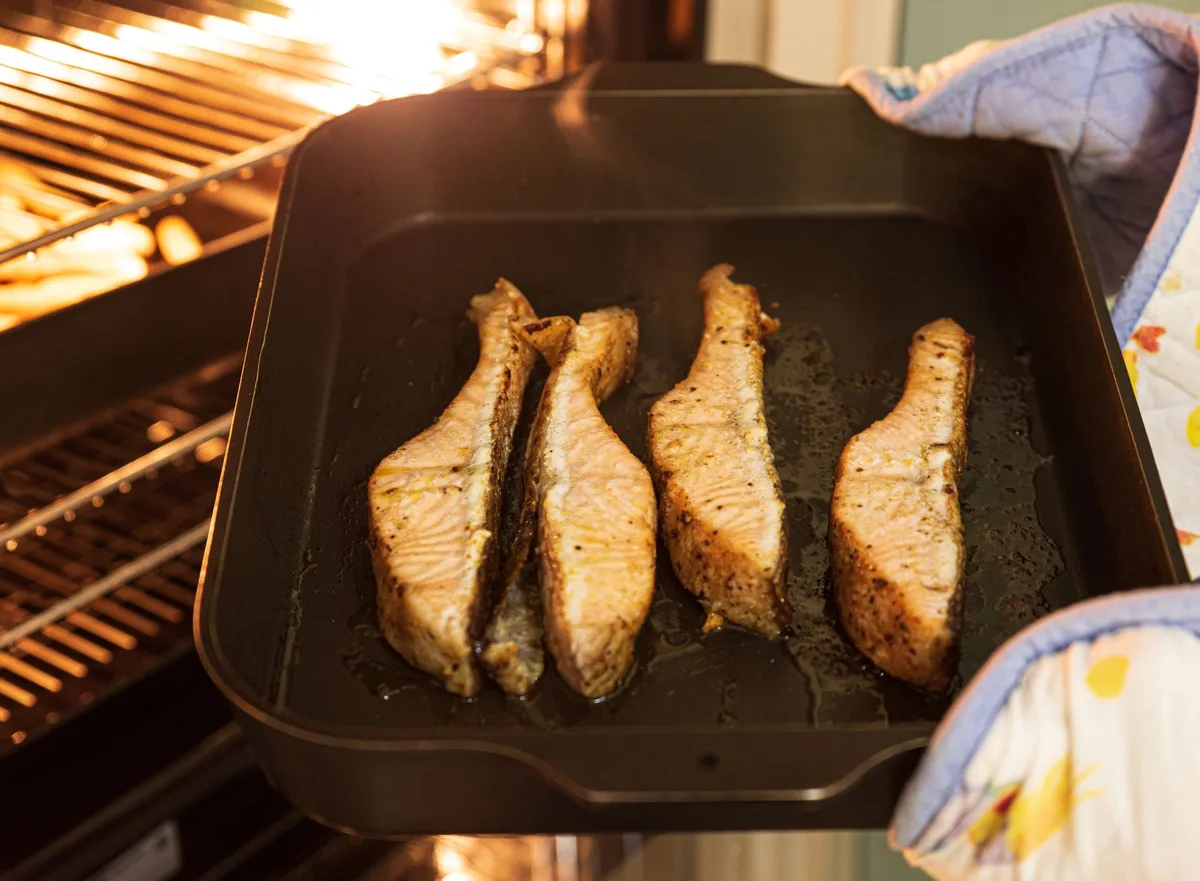
Step-by-Step: Putting Your Pan Safely in the Oven
Navigating whether your non-stick pan can handle oven duty boils down to a few simple checks. This process helps prevent damage to your cookware and ensures your meal turns out just right, without any unexpected issues. It’s about making an informed decision before you preheat.
Pre-Oven Pan Check
Before you even think about turning on the oven, pull out your non-stick pan and give it a good once-over. The most important thing is to find out if the manufacturer has designated it as oven-safe. Look for markings on the bottom of the pan, check the original packaging if you still have it, or consult the instruction manual. This information is usually presented as a graphic of an oven or clear text stating the maximum oven-safe temperature.
Without this confirmation, it's safest to keep it on the stovetop.
Oven Temperature Verification
Even if your pan is rated as oven-safe, it's critical to know its specific temperature ceiling. Many non-stick pans can handle temperatures between 350°F and 450°F (175°C to 230°C). However, some might have lower limits, especially those with silicone or plastic components. Always match your recipe's required oven temperature to the pan's maximum rating.
If your recipe calls for a temperature exceeding the pan's limit, you'll need to finish cooking using a different piece of cookware or adjust your cooking method.
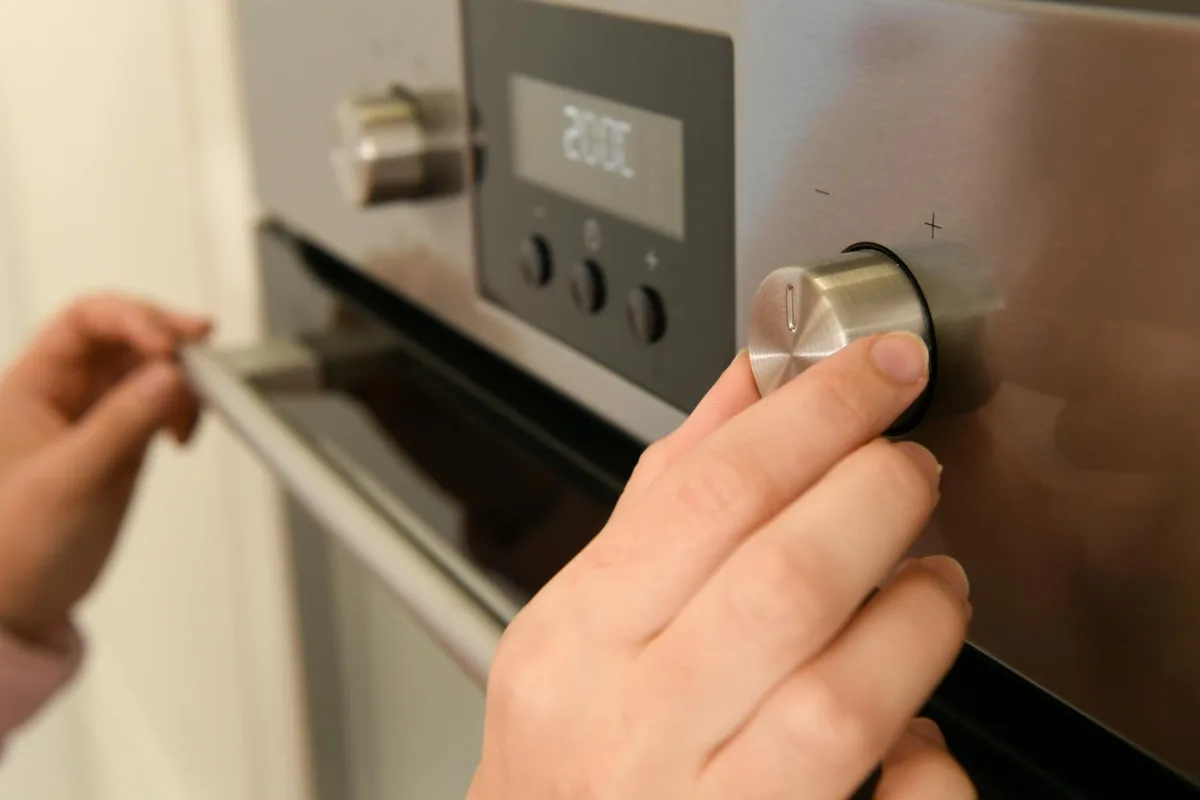
Safely Transferring Your Pan
Once you've confirmed your pan is oven-safe and within the temperature limits, the next step is careful transfer. Always use oven mitts or a thick, dry cloth when handling a hot pan, as the metal and handles can become extremely hot. If your pan has a detachable handle, remove it before placing the pan in the oven, unless the manufacturer explicitly states the handle is also oven-safe. Ensure the pan is placed on a stable oven rack, not directly on the oven floor, to allow for even heat circulation.
The Pan Anatomy: What Matters for Oven Use
To really understand if your non-stick pan is ready for oven duty, it helps to know its different parts and what they're made of. It's not just about that slippery surface; the materials dictate how well it withstands heat, especially the kind found inside an oven.
Pan Body vs. Handle
The main body of most non-stick pans is typically constructed from aluminum, stainless steel, or sometimes hard-anodized aluminum. These metals are generally robust and can tolerate high temperatures without issue. The critical distinction often lies in the handle. Handles made entirely of metal, like stainless steel or cast aluminum, are usually the safest bet for oven use.
They are designed to withstand high heat, often up to manufacturer-specified limits.
What the Non-Stick Coating Needs
The non-stick coating itself, whether it's PTFE-based (like Teflon) or ceramic, is designed to work under heat. However, these coatings have their own temperature limits. Exceeding these limits can degrade the coating, reducing its effectiveness and potentially releasing fumes. For most common non-stick pans, manufacturer specifications confirm that temperatures up to 450°F (232°C) are generally acceptable, but it's always best to check the specific rating for your pan.
Some high-performance coatings might handle even higher temperatures, but this is less common.
When to Keep Your Non-Stick Pan on the Stovetop
There are clear indicators that suggest your non-stick pan is not meant for oven use. Ignoring these signs can lead to damaged cookware, a messy oven, and potentially unsafe cooking conditions. It's essential to recognize these red flags to protect both your kitchen equipment and your culinary efforts.
Plastic Handles: A Clear No-Go
If your non-stick pan features a handle made from plastic, consider it off-limits for the oven. Most plastics are not designed to withstand oven temperatures, which commonly range from 300°F to 500°F (150°C to 260°C). At these temperatures, plastic can melt, warp, or even catch fire. This can not only ruin the pan but also create a hazardous situation and a difficult mess to clean up inside your oven.
Always err on the side of caution if you're unsure about the handle material.
No "Oven Safe" Label? Play It Safe.
When in doubt, play it safe. If you've scoured the pan, its packaging, or the manufacturer's website and found no mention of "oven safe" or a specific temperature rating, it's best to assume the pan is not intended for oven use. Manufacturers are usually eager to highlight oven-safe features, so the absence of this information is a strong signal to keep the pan on the stovetop. This proactive approach prevents unforeseen damage and ensures the longevity of your cookware.
Avoiding Oven Mishaps: Common Mistakes and Risks
Putting a non-stick pan in the oven when it's not designed for it is a common kitchen blunder. It’s not just about ruining a favorite pan; the consequences can extend to safety and your cooking environment. Knowing these potential pitfalls helps you avoid them entirely.
Melting Handles and Damaged Coatings
The most frequent issue encountered is a melted handle. If the handle is made of plastic, silicone, or even certain types of bonded materials, oven temperatures can cause them to soften, warp, or completely melt. This not only renders the pan unusable and unsafe to grip but can also create a sticky, difficult-to-clean mess inside your oven. Additionally, overheating can degrade the non-stick coating itself over time, diminishing its effectiveness and potentially leading to hot spots or uneven cooking.
The Fumes Factor: Why Overheating Matters
While modern non-stick coatings are engineered for safety, exceeding their maximum temperature limits can lead to the release of fumes. Although rare with standard use within rated temperatures, severe overheating of certain non-stick materials, particularly older ones or those made without current safety standards, could produce fumes. To ensure a healthy cooking environment, always adhere to the manufacturer's specified temperature limits. This is especially important if you live in an apartment or have pets, as ventilation is key.
Finishing Touches: When to Use Oven-Roasted Foods
Using your non-stick pan in the oven is particularly beneficial for dishes that start with a stovetop sear and finish with a gentle bake or roast. This method ensures proteins develop a beautiful crust before cooking through evenly without drying out. Think of searing a chicken breast on the stove before moving it to the oven for a Recipe For Chicken Marsala Ina Garten or finishing a pan-seared fish. This technique is also perfect for baked dishes where ingredients need to meld in the oven.
For instance, a recipe like Baked Chicken Jamaican Recipe often benefits from an initial sear in a non-stick pan before it goes into the oven. This ensures all savory flavors are locked in. Similarly, for dishes like a Recipe For Chilli Chicken Gravy, starting with a pan sear can build a depth of flavor that’s hard to replicate otherwise.
Step-by-Step: Putting Your Pan Safely in the Oven
Navigating whether your non-stick pan can handle oven duty boils down to a few simple checks. This process helps prevent damage to your cookware and ensures your meal turns out just right, without any unexpected issues. It’s about making an informed decision before you preheat.
Pre-Oven Pan Check
Before you even think about turning on the oven, pull out your non-stick pan and give it a good once-over. The most important thing is to find out if the manufacturer has designated it as oven-safe. Look for markings on the bottom of the pan, check the original packaging if you still have it, or consult the instruction manual. This information is usually presented as a graphic of an oven or clear text stating the maximum oven-safe temperature.
Without this confirmation, it's safest to keep it on the stovetop.
Oven Temperature Verification
Even if your pan is rated as oven-safe, it's critical to know its specific temperature ceiling. Many non-stick pans can handle temperatures between 350°F and 450°F (175°C to 230°C). However, some might have lower limits, especially those with silicone or plastic components. Always match your recipe's required oven temperature to the pan's maximum rating.
If your recipe calls for a temperature exceeding the pan's limit, you'll need to finish cooking using a different piece of cookware or adjust your cooking method.
Safely Transferring Your Pan
Once you've confirmed your pan is oven-safe and within the temperature limits, the next step is careful transfer. Always use oven mitts or a thick, dry cloth when handling a hot pan, as the metal and handles can become extremely hot. If your pan has a detachable handle, remove it before placing the pan in the oven, unless the manufacturer explicitly states the handle is also oven-safe. Ensure the pan is placed on a stable oven rack, not directly on the oven floor, to allow for even heat circulation.
Expert Tips for Oven-Ready Non-Stick Cookware
To extend the life and usefulness of your non-stick pans, especially when using them in the oven, consider a few key practices. These tips come from aggregate reviews and manufacturer guidelines designed to help you get the most out of your cookware while ensuring safety. Paying attention to these details can make a significant difference.
- Avoid Extreme Heat: Even if your pan is rated for high temperatures, avoid prolonged exposure to the absolute maximum heat setting unless a recipe specifically requires it. Gradual temperature changes are also better than rapidly heating or cooling the pan.
- Check for Damage: Before each oven use, do a quick visual inspection of the pan and handle for any signs of wear, cracks, or warping. If you see any damage, it might be time to replace the pan, especially if it's an older model.
- Clean Responsibly: Always ensure your non-stick pan is clean before placing it in the oven. Food residue can burn and create smoke. For cleaning, use non-abrasive sponges and mild dish soap; harsh scrubbers can damage the non-stick surface.
Manufacturer Guidance: Your Ultimate Safety Net
When determining if your non-stick pan can go into the oven, the most reliable source of information is always the manufacturer's documentation. This guidance is specific to the materials and design of your particular pan, making it the definitive authority. You'll often find this information on the product packaging, in the user manual, or on the brand's official website.
For example, a brand might specify that their 10-inch chef's pan, featuring a brushed stainless steel body and a riveted stainless steel handle, is oven safe up to 500°F (260°C). Conversely, another brand's pan with a similar body but a silicone-infused handle might be rated only up to 350°F (175°C). Consulting these specifications as of 2026 ensures you are relying on the most current and accurate data for safe operation. If you can't find this information, it's best to assume the pan is not oven-safe to avoid potential damage or hazards.
