


Coffee beans are the foundation of a good cup of drip coffee. The flavor, aroma, and strength of your coffee all start with the beans you choose. Whether you prefer a light, medium, or dark roast, the right coffee bean can make a big difference in how your coffee tastes each morning.
Drip coffee is one of the most popular brewing methods because it is simple and consistent. It works best with beans that balance acidity and body well. When you grind the beans to the right size and brew with clean equipment, you get a smooth, clear cup that suits daily drinking.
When picking the best coffee beans for drip coffee, pay close attention to the roast level, origin, and freshness. Roast level affects flavor and strength, while the origin influences the taste notes you’ll get. Freshness is key because old beans lose flavor quickly. Considering these factors will help you find beans that match your taste and brewing style. Next, we’ll look at the top coffee beans for drip coffee based on these points.
Best Coffee Beans for Drip Coffee
Choosing the right coffee beans can make a big difference in your drip coffee. You want beans that bring out clear, balanced flavors in every cup. Below, you’ll find some of the best options to help you enjoy great coffee at home.
Lavazza Super Crema Coffee
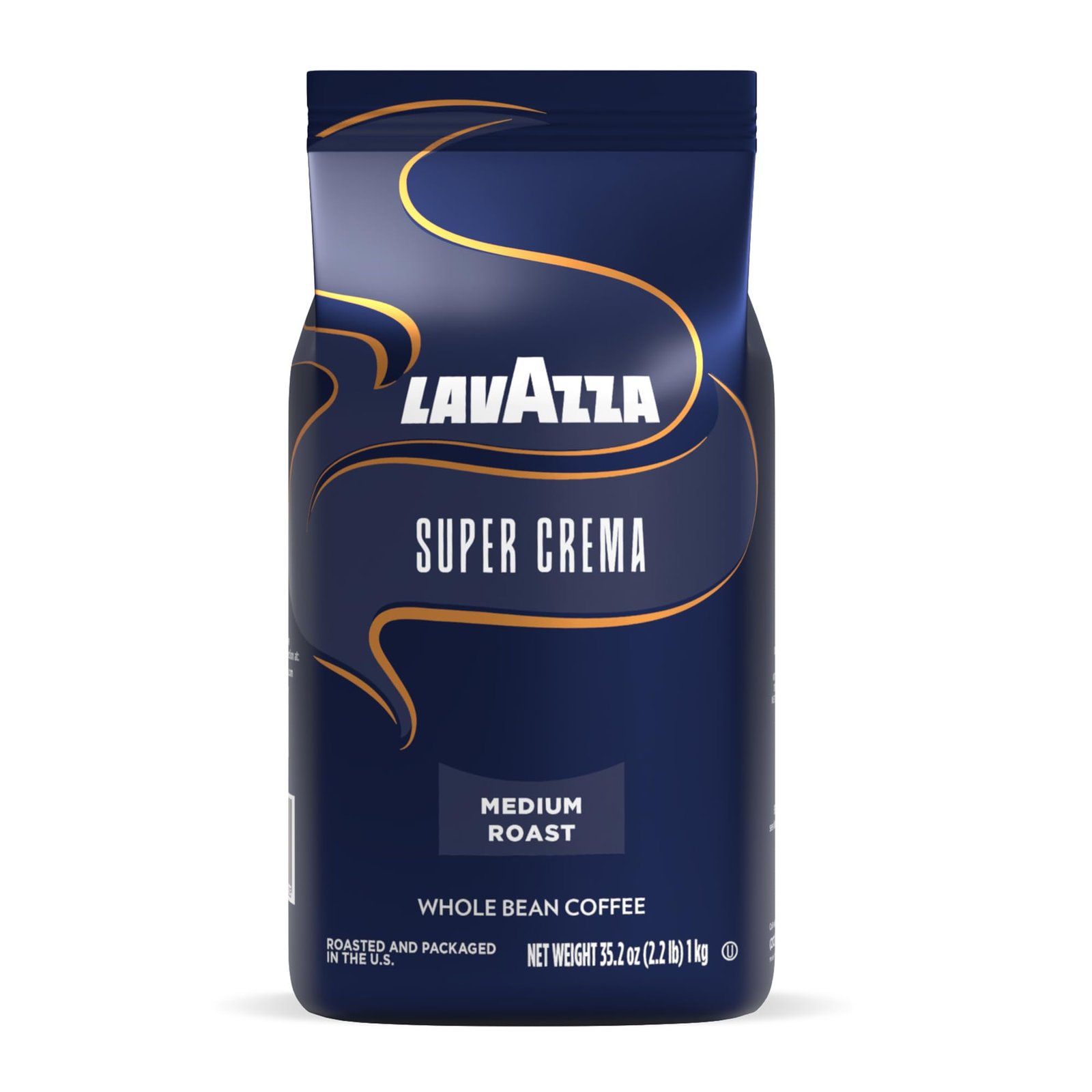
This coffee offers a balanced medium roast with a creamy texture, making it a solid choice for drip coffee lovers who want a bold but smooth flavor.
Pros
- Smooth and creamy finish
- Balanced blend of Arabica and Robusta beans
- Full-bodied with nutty and sweet notes
Cons
- Best suited for espresso, not drip-specific
- Slightly high price for some budgets
- Packaging can be less protective during shipping
You will appreciate the full flavor this blend brings, offering a mix of hazelnut and brown sugar notes. It is made from beans sourced around the world, adding to the richness and complexity.
While designed mainly for espresso, you can use these whole beans in your drip coffee maker if you grind them properly. The medium roast gives a bold taste without overwhelming bitterness, which many find enjoyable.
Keep in mind the price is a bit higher than some other brands. However, the quality and aroma often justify it. Note that the bag may not always be the best protected, so handle it carefully when you get it.
Eight O’Clock Original Whole Bean
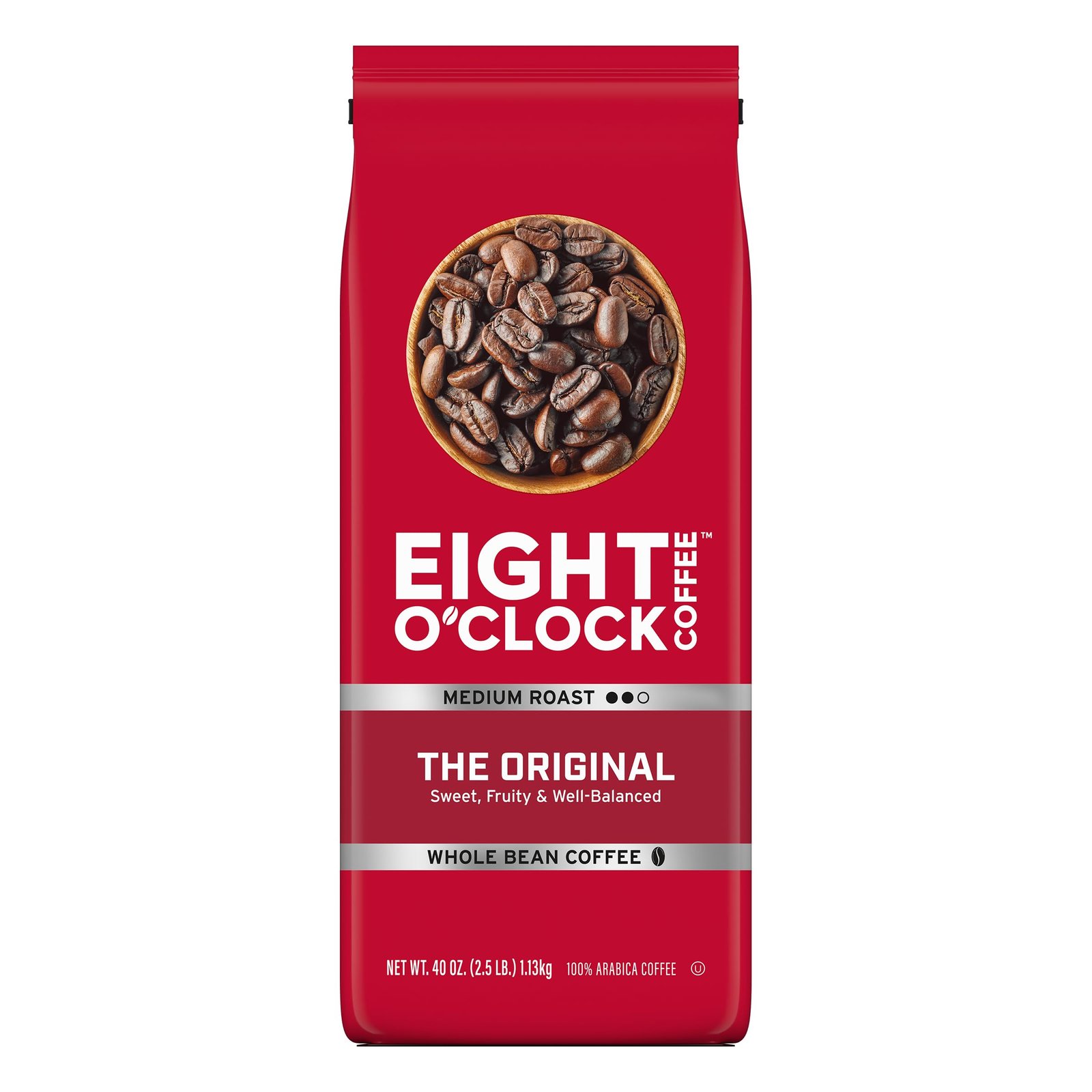
You can count on this coffee for a smooth, balanced cup with consistent quality at a great price.
Pros
- Smooth, medium roast flavor
- Large 40-ounce resealable bag
- Made with 100% Arabica beans
Cons
- Some find the flavor a bit mild
- Limited to a medium roast option
- Availability can be spotty
Eight O’Clock Original Whole Bean coffee offers a classic taste that suits drip brewing well. Its medium roast gives you a mild yet full flavor that works great for daily drinking.
You get a good amount of coffee in a resealable bag, which helps keep beans fresh. The beans are grown and roasted under careful supervision in the USA.
If you want a reliable, affordable coffee with a smooth profile, this is a solid choice. It may not stand out with bold notes, but it makes a steady and pleasant cup every time.
Lavazza Espresso Coffee
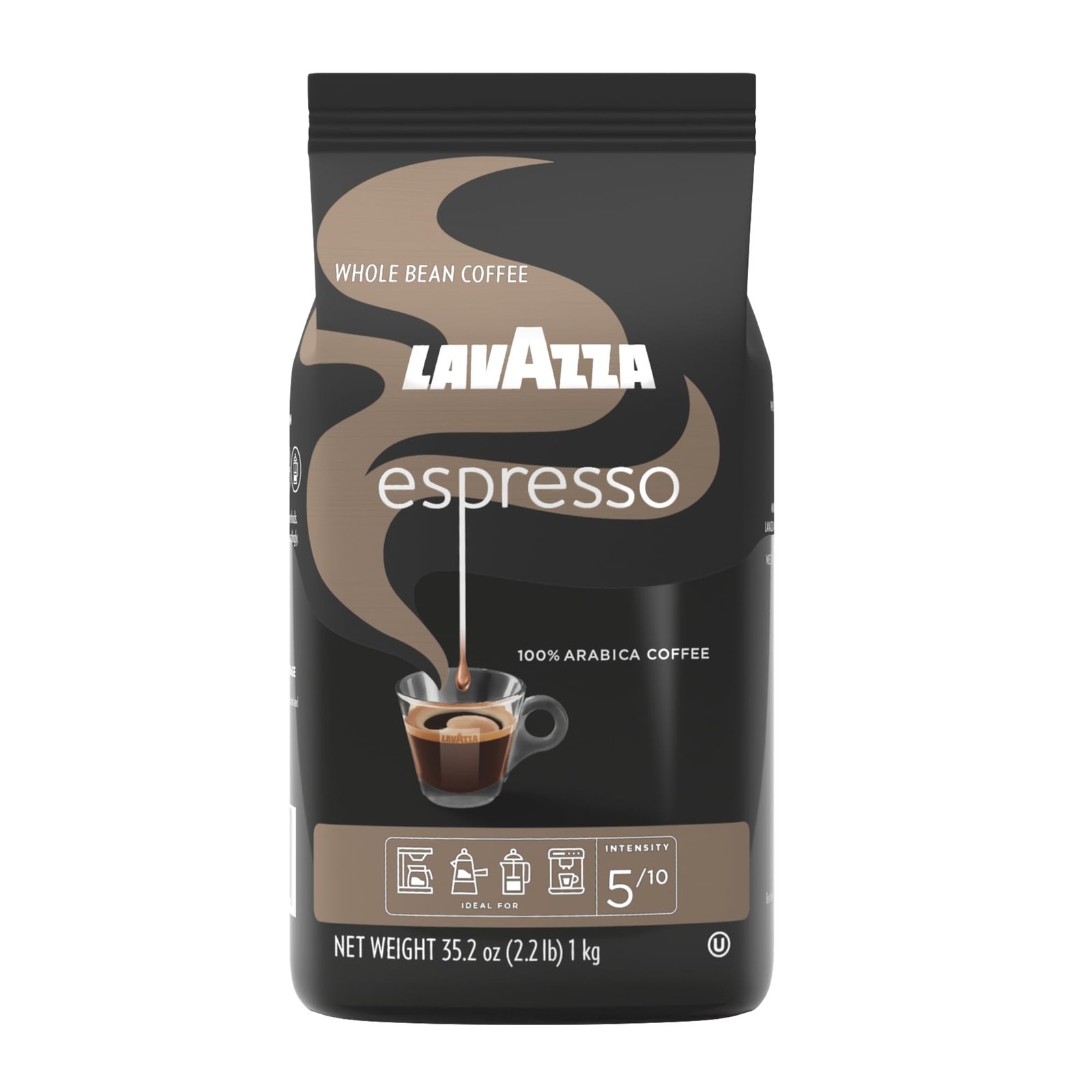
If you want a balanced medium roast with fruity and floral flavors, this coffee works well for drip brewing.
Pros
- Smooth, aromatic finish
- Good for both drip coffee and espresso
- 100% Arabica beans from South America and Africa
Cons
- Medium intensity may be too mild for strong coffee lovers
- Whole bean format means you’ll need a grinder
- Packaging offers limited protection during shipping
Lavazza Espresso offers a pleasant taste with floral and fruit notes that suit drip coffee machines nicely. Its medium roast keeps the flavor balanced without being too intense or bitter.
You can use these beans fresh by grinding them at home for drip coffee or espresso machines. The coffee comes from a well-known brand with over 100 years of experience, which may give you confidence in the quality.
This 2.2-pound bag provides plenty of coffee to keep you brewing for a while. However, the packaging might not be very sturdy during delivery, so check your order carefully when it arrives.
Lavazza House Blend Perfetto
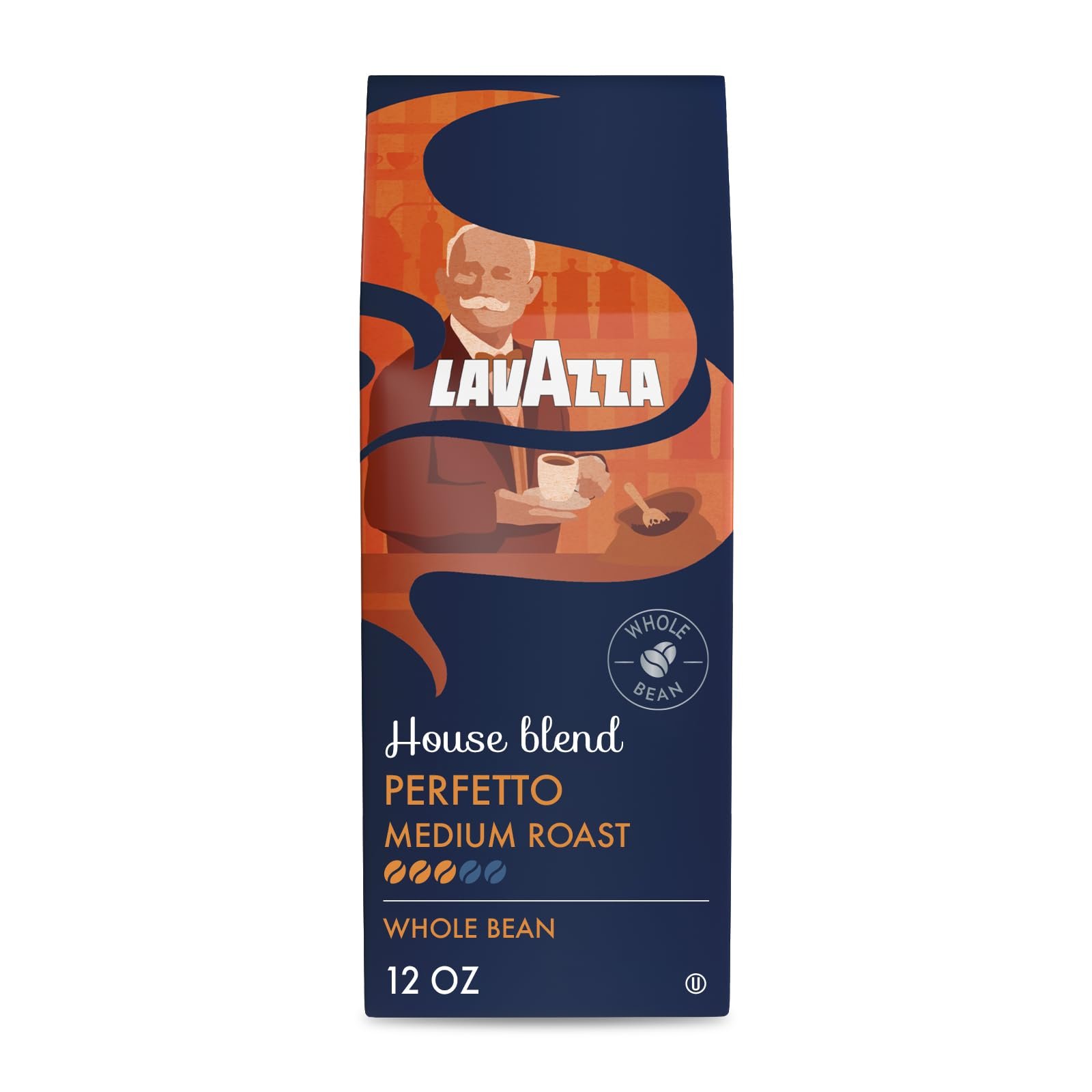
If you want a smooth, medium roast coffee with rich caramel notes that works well for drip brewing, this blend is a solid choice.
Pros
- Smooth and low bitterness
- Balanced full-bodied taste
- Made from 100% Arabica beans
Cons
- Flavor is lighter than some prefer
- Package may vary
- Mild intensity might not suit strong coffee drinkers
This coffee offers a velvety, easy-to-drink experience that fits nicely into your daily drip coffee routine. The medium roast keeps the flavor approachable without overwhelming bitterness.
You will notice soft caramel notes that add a touch of sweetness but do not dominate the coffee’s profile. This makes it a good option if you prefer milder flavors.
The blend comes from Central and South American Arabica beans, delivering consistent quality. It is crafted to honor the Italian coffee tradition but fits well with modern drip machines.
Lavazza Top Class Beans
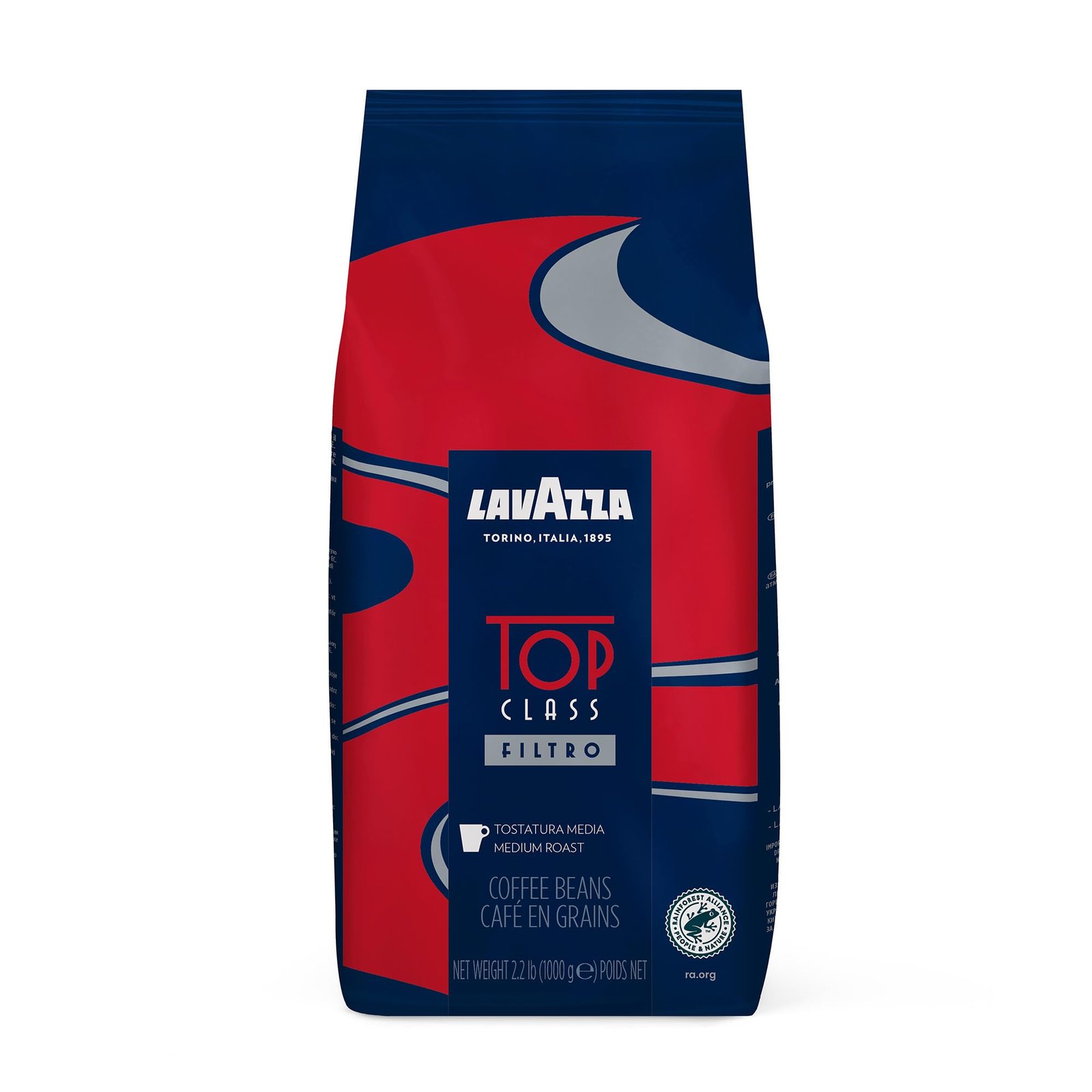
You can enjoy a smooth, balanced drip coffee with distinct chocolate and hazelnut flavors using these Lavazza beans.
Pros
- Balanced taste with mild acidity
- Medium roast suits drip machines well
- Italian blend with premium Arabica and Robusta
Cons
- Flavor may be too mild for those wanting bold coffee
- Whole beans require grinding before brewing
- Price is a bit higher than some competitors
Lavazza Top Class offers a mix of Arabica and Robusta beans that work nicely in drip coffee makers. The flavor is smooth and medium-bodied, with sweet hints of milk chocolate and roasted hazelnut. This makes it a good choice if you want a mild but flavorful cup without strong acidity.
The beans come whole, so you will need a grinder before brewing. This is common for fresh coffee but means extra steps compared to pre-ground options. You may find it worth the effort for the taste balance you get.
One thing to note is that the price is on the higher side, but the quality and aroma could justify the cost if you drink coffee daily. The blend is well suited for those who prefer a classic Italian-style drip coffee.
Buying Guide
When choosing the best coffee bean for drip coffee, freshness is one of the most important things to check. Look for beans that have a clear roast date. The fresher the beans, the better the flavor you will get in your cup. Avoid beans that do not show a roast date or appear old.
Next, consider the roast level. Light roasts keep fruity and acidic flavors, while medium roasts balance acidity and body. Dark roasts have a stronger, bolder taste with less acidity. Your preferred taste will guide which roast level you pick.
You should also think about the bean origin. Coffee beans from different regions have unique flavors. For example, beans from Africa tend to have bright, citrus notes, while South American beans usually have nutty or chocolatey flavors. Choose based on the flavor profile you enjoy.
Grinding size is critical for drip coffee. You want a medium grind—not too fine like espresso, not too coarse like French press. Using the right grind size helps the water flow evenly through the coffee, making your drip coffee taste better.
| Feature | What to Look For | Why It Matters |
|---|---|---|
| Freshness | Roast date within last 2-3 weeks | Ensures flavor is at its best |
| Roast Level | Light, medium, or dark | Matches your taste preference |
| Origin | Single origin or blend | Influences flavor complexity |
| Grind Size | Medium grind | Optimizes brewing and flavor |
Check packaging for air-tight seals to keep beans fresh longer. Avoid pre-ground coffee if you want the best flavor; whole beans ground before brewing work better.
Recommended Origins / Beans for Drip Coffee
When choosing coffee beans for drip coffee, you’ll want to think about the flavor profile you enjoy.
African beans like those from Ethiopia and Kenya often have bright acidity and fruity notes. These beans can give your coffee a lively and fresh taste. If you want a cup that feels vibrant, try these.
Central and South American beans from Colombia and Brazil offer a balanced flavor. Expect chocolate and nutty hints, which make for a smooth and familiar cup. These beans are great if you want something steady and comforting.
Indonesian beans, such as those from Sumatra, provide a heavier body with herbal and earthy tastes. They are good when you prefer a richer and darker brew with unique flavors.
You can also decide between blends and single-origin beans. Blends mix beans from different places to give a consistent taste every time. Choose a blend if you want reliability in your coffee. On the other hand, single-origin beans come from one place. They highlight unique character and complexity, but flavors can change with each harvest.
| Origin | Flavor Notes | Use When |
|---|---|---|
| Ethiopia, Kenya | Bright, fruity, acidic | You want lively, fresh coffee |
| Colombia, Brazil | Balanced, chocolate, nutty | You want smooth, reliable flavors |
| Sumatra (Indonesia) | Earthy, herbal, full body | You want rich, bold coffee |
Practical Tips for Buying & Storing Beans
When buying coffee beans, always look for the roast date on the packaging. Beans are best when fresh, usually within two to four weeks after roasting. Avoid buying beans without a clear date, as they may be stale.
Buy whole beans instead of pre-ground coffee. Grinding your beans just before brewing keeps the flavors stronger and fresher. A simple burr grinder works best for even particle size.
For storage, use airtight containers to keep beans from exposure to air. Store them in a cool, dark place, away from light, heat, and moisture. Avoid the fridge or freezer, which can add moisture and affect taste.
Pay attention to the roast batch size. Smaller batches often mean fresher beans because they sell out faster and are not kept on shelves for a long time. If you find a fresh batch, buy only what you can use in a few weeks to keep your coffee tasting good.
| Tip | Why It Matters |
|---|---|
| Check roast date | Ensures freshness |
| Buy whole beans | Keeps flavor longer |
| Grind before brewing | Maximizes aroma and taste |
| Use airtight containers | Protects beans from air and moisture |
| Store away from heat | Preserves oils, prevents spoilage |
| Choose smaller batches | Fresher beans, better quality |
Grinding & Brew Variables for Drip
You need the right grind size for drip coffee. The grind should be medium, similar to sand. If your grind is too coarse, your coffee will taste weak. Too fine, and it can taste bitter or over-extracted.
Your grinder type matters. Burr grinders give you a consistent grind size. Blade grinders are less even, which can cause uneven extraction. Consistency helps you get the best flavor.
Brewing variables also include water temperature and brew time. Aim for water between 195°F and 205°F. If it’s too hot, your coffee can burn. Too cool, and it won’t extract enough flavor.
Brew time usually ranges from 4 to 6 minutes. Adjust this based on how strong you want your coffee. Shorter brew time makes a lighter cup. Longer brew time makes it stronger but risks bitterness.
Key variables to check:
| Variable | Ideal Range | Effect on Flavor |
|---|---|---|
| Grind Size | Medium | Balanced extraction |
| Water Temp | 195°F – 205°F (90-96°C) | Proper flavor extraction |
| Brew Time | 4 – 6 minutes | Strength and bitterness |
Pay attention to these details. Small changes can improve your drip coffee experience.
Comparison Table
To help you choose the best coffee bean for drip coffee, this table compares popular options based on roast level, flavor profile, and price. These factors affect how your coffee will taste and match your preferences.
| Coffee Bean | Roast Level | Flavor Notes | Price (per lb) |
|---|---|---|---|
| Colombian Supremo | Medium | Bright, nutty | $12 – $15 |
| Ethiopian Yirgacheffe | Light | Floral, fruity | $14 – $18 |
| Sumatra Mandheling | Dark | Earthy, bold | $13 – $16 |
| Brazilian Santos | Medium | Chocolate, smooth | $10 – $13 |
If you like balanced taste with mild acidity, the Colombian Supremo could be a good choice. For floral and bright flavors, Ethiopian Yirgacheffe is ideal.
Dark roasts like Sumatra Mandheling offer stronger, bolder flavors. They might suit you if you prefer a rich and earthy cup.
Price varies as well, so your budget can guide your decision. More expensive beans often mean higher quality or unique taste.
You can use this table to find a bean that fits your taste and budget. It simplifies the search by showing important details side by side.
FAQ
What type of roast is best for drip coffee?
You can use light, medium, or dark roasts for drip coffee. Medium roast is the most popular because it balances flavor and acidity well. Light roasts have more fruity notes, while dark roasts offer a stronger, bolder taste.
Should I use whole beans or ground coffee?
Whole beans are better if you want the freshest coffee. Grinding your beans right before brewing preserves flavor. If you use pre-ground coffee, make sure it is ground for drip machines to avoid over-extraction.
How does bean origin affect drip coffee?
Beans from different regions have distinct flavors. For example, beans from Ethiopia tend to be fruity and floral. Beans from Brazil are often nutty and chocolatey. You can choose based on your flavor preference.
How much coffee should I use per cup?
A common guideline is 1 to 2 tablespoons of coffee per 6 ounces of water. You can adjust this based on how strong you like your coffee.
Can I use flavored coffee beans?
Yes, but flavored beans may mask the natural taste of the coffee. If you want pure coffee flavor, stick to unflavored beans.
Does grind size matter?
Yes, grind size affects extraction. Medium grind is best for drip coffee. Too fine or too coarse can change taste and strength.
How do I store coffee beans?
Keep your beans in an airtight container. Store them in a cool, dark place away from heat and moisture. Avoid the fridge or freezer as it can cause condensation.
