



Food processors are handy kitchen appliances that help with chopping, mixing, and blending many ingredients. They save time and effort, especially when dealing with tasks that would normally require a lot of manual work. You can use them for a variety of foods, from vegetables to dough and nuts.
If you want to make peanut butter at home, a food processor can be the perfect tool. Making peanut butter requires grinding peanuts to a smooth, creamy texture. Not all food processors handle this task equally well, so choosing one designed to crush nuts efficiently is important.
When buying a food processor for peanut butter, you should focus on motor power, blade quality, and bowl size. A strong motor helps grind nuts without overheating. Sharp, sturdy blades ensure smooth results. A bowl that’s large enough lets you make the right amount without needing to stop and empty it. We tested several food processors to find the best ones for making peanut butter easily and well.
Best Food Processors for Peanut Butter
Choosing the right food processor makes it easier to turn peanuts into smooth, creamy peanut butter. You want a machine that is powerful, easy to clean, and built to handle thick ingredients. Below is a list of the best food processors to help you make peanut butter at home.
Hamilton Beach Stack & Snap Food Processor
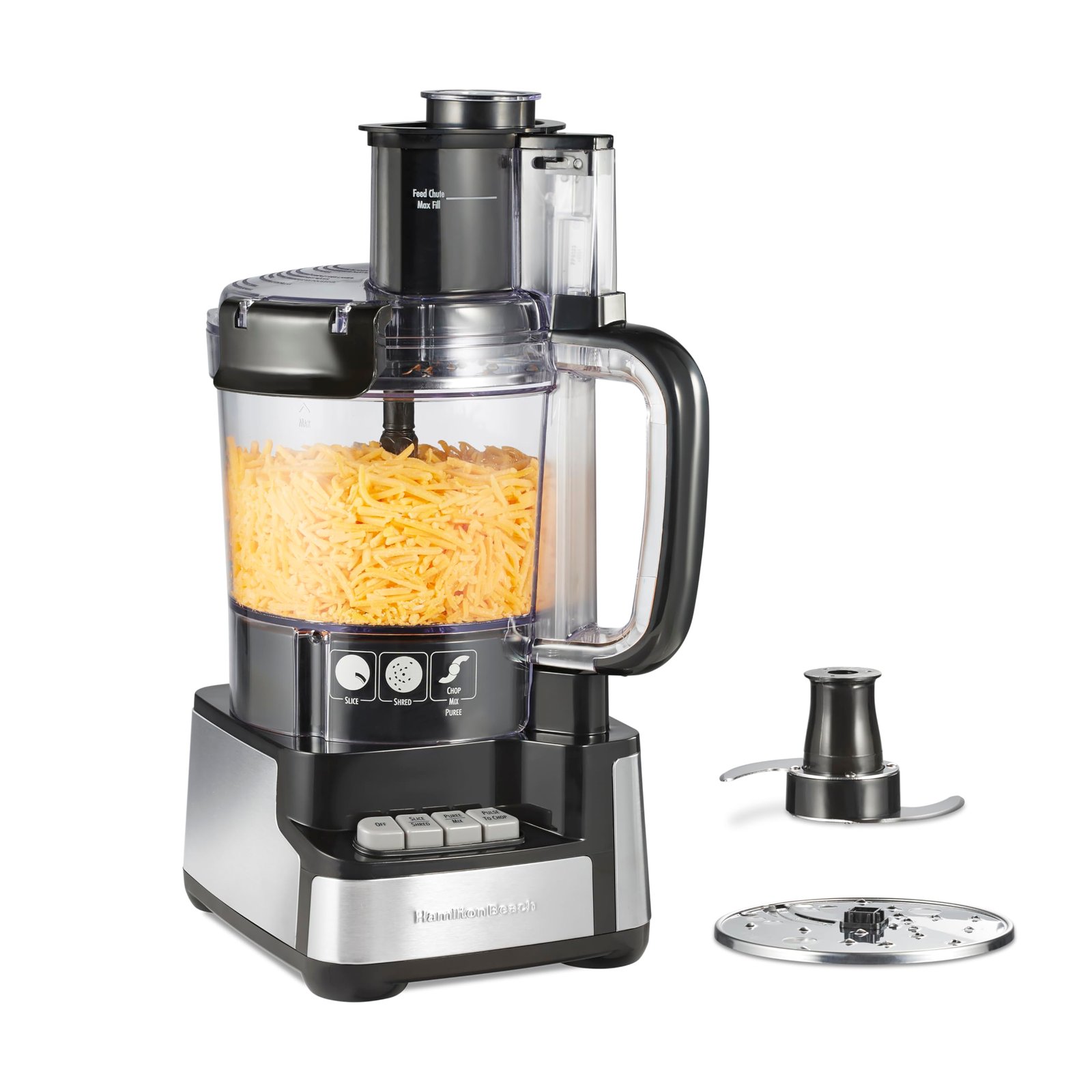
This food processor is a solid choice for making peanut butter because it handles nuts smoothly and is very easy to assemble and clean.
Pros
- Simple, no-twist assembly saves time
- Large 12-cup bowl processes big batches at once
- Powerful motor quickly makes smooth peanut butter
Cons
- You must be careful not to overfill the chute
- Plastic parts feel less sturdy than metal alternatives
- Only 2 speed settings limit fine control
You will like how quickly this processor crushes nuts into creamy peanut butter. The strong 450-watt motor lets you work through tough peanuts without much effort.
The stack-and-snap design means no fiddling with lids or locks. You just stack the bowl, snap the lid on, and start. This makes it easy to get going and also clean up afterward, since the parts go in the dishwasher.
The big 12-cup bowl means you can blend large amounts at once, which is great if you want to make peanut butter in bulk. Just remember to not fill past the max line on the bowl to avoid jams.
Overall, it’s a practical, easy-to-use machine that gets the job done for peanut butter makers. It won’t give professional-level options but works well for everyday kitchen use.
Cuisinart 14-Cup Food Processor
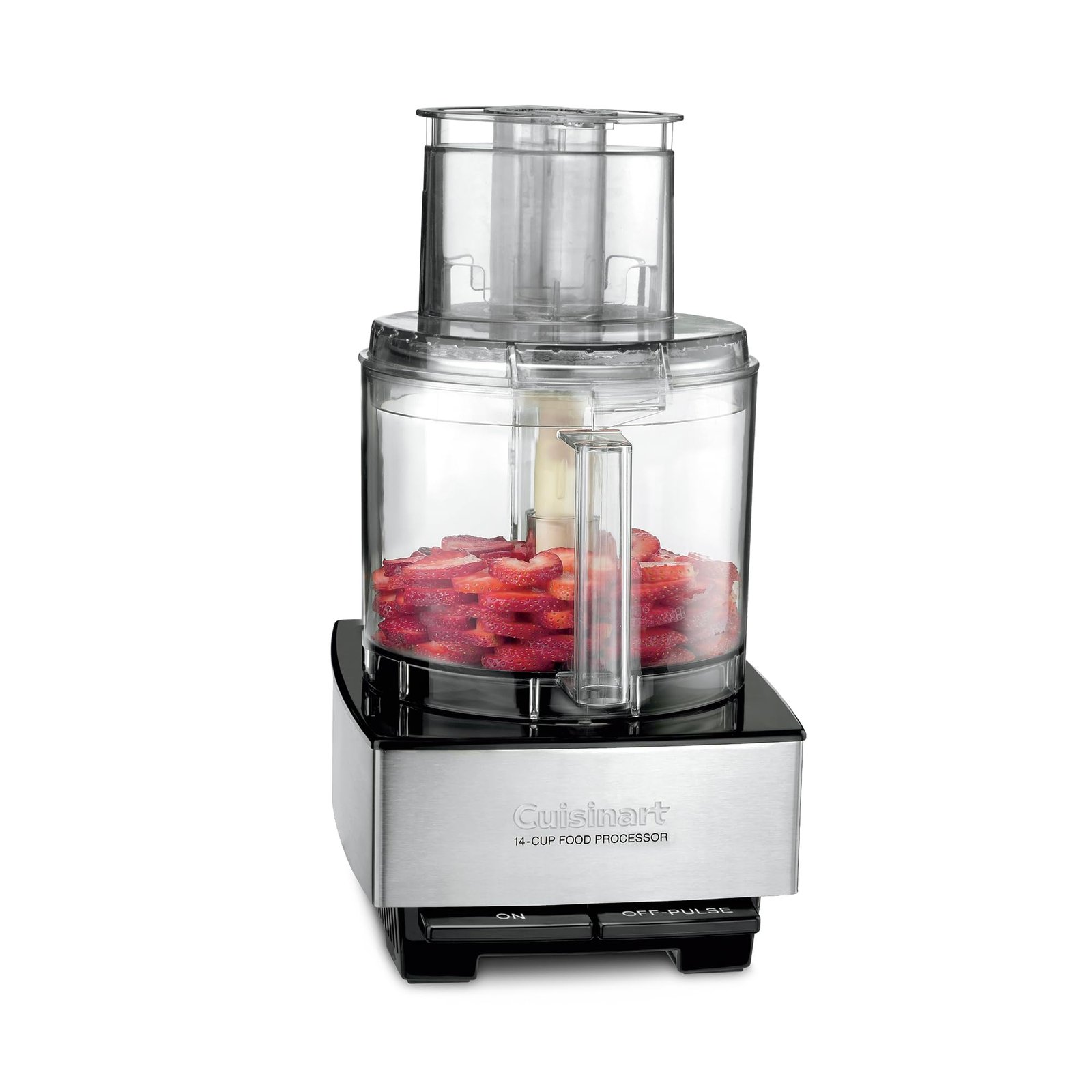
This food processor is a solid choice if you want a powerful and reliable machine to make smooth peanut butter easily.
Pros
- Strong 720-watt motor handles tough nuts well
- Large 14-cup bowl means you can make big batches
- Easy to clean with dishwasher-safe parts
Cons
- Only one speed and pulse control, no variable speeds
- Blades aren’t adjustable for thickness or shred size
- The unit is heavy and a bit bulky to move around
The Cuisinart 14-Cup Food Processor makes quick work of grinding nuts into peanut butter. You get a big bowl, so you can make enough for several servings without stopping. The motor is powerful and stays steady even when processing thick, sticky nuts.
Its simple controls make it easy to use—you just push “on” and use pulse to get the texture you want. Cleanup is also straightforward thanks to dishwasher-safe parts and detachable assembly.
The heavy weight keeps it stable while running, but it can be a hassle if you need to move it often. Also, because blades don’t adjust, you may need to stop occasionally to scrape and check your peanut butter’s consistency. Overall, it’s a strong, dependable tool for making fresh peanut butter at home.
Hamilton Beach Bowl Scraper Food Processor
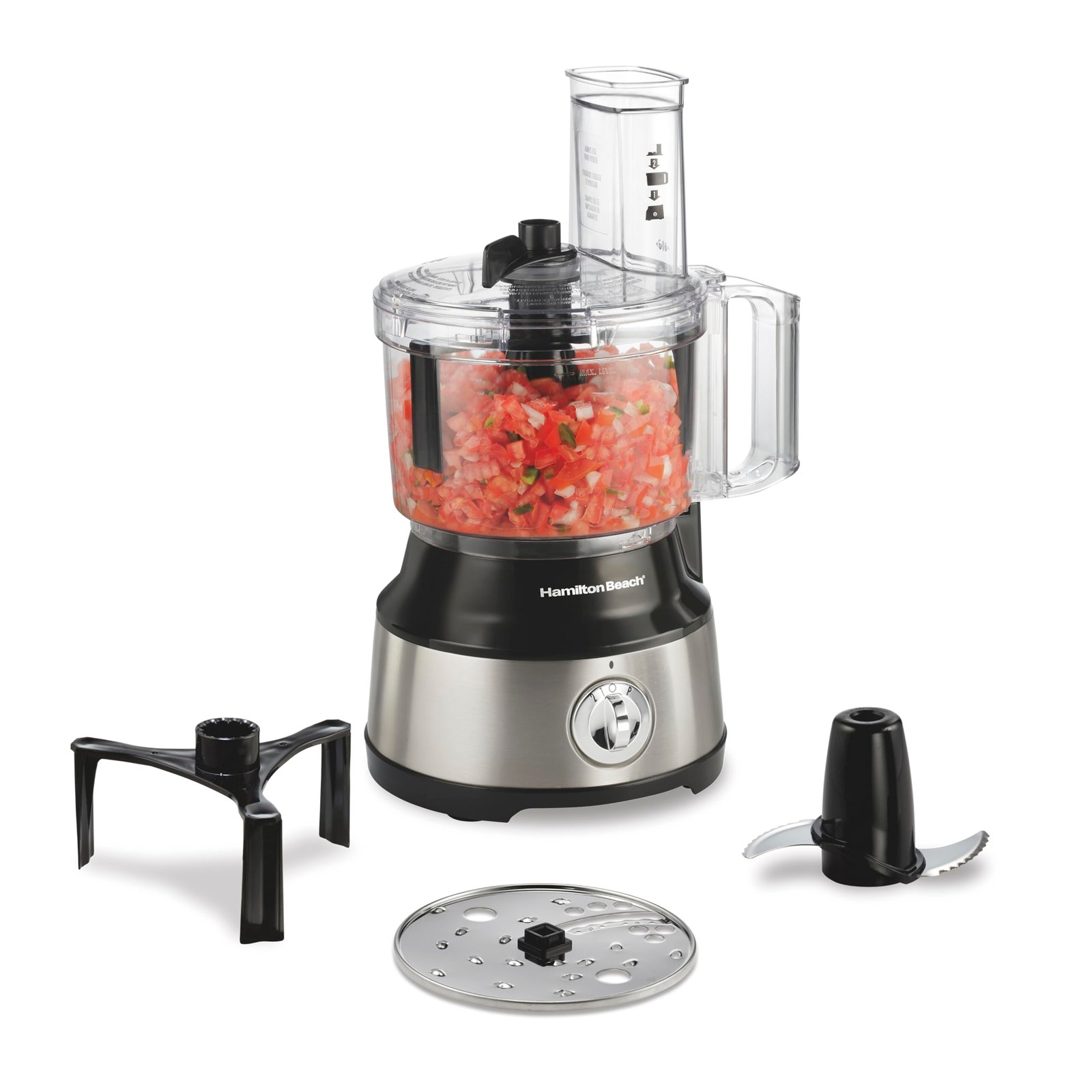
This food processor is a solid choice if you want easy peanut butter making with less mess and simple cleanup.
Pros
- Built-in bowl scraper keeps ingredients close to blades
- Powerful 450-watt motor handles tough nuts easily
- Large 10-cup bowl lets you make plenty at once
Cons
- Only two speed settings might limit fine control
- Some users find it a bit noisy when running
- Scraper may require manual guidance during processing
You’ll appreciate the built-in bowl scraper when making peanut butter. It saves you from stopping to scrape the sides by hand, so you get smooth, even results faster. I found this feature really cut down my prep time.
The motor is strong enough to break down peanuts into a creamy spread without trouble. I also liked the roomy bowl because I could make enough peanut butter to last for several days. Just watch the speeds, as the two available settings don’t offer fine blending control, especially if you like it very smooth.
Cleanup is easy since all the parts can go in the dishwasher. Just be ready for some noise while the processor runs, and hold the scraper lightly to keep it working as intended. Overall, this model gives you good power and convenience for peanut butter and more.
Ninja Foodi Power Blender System
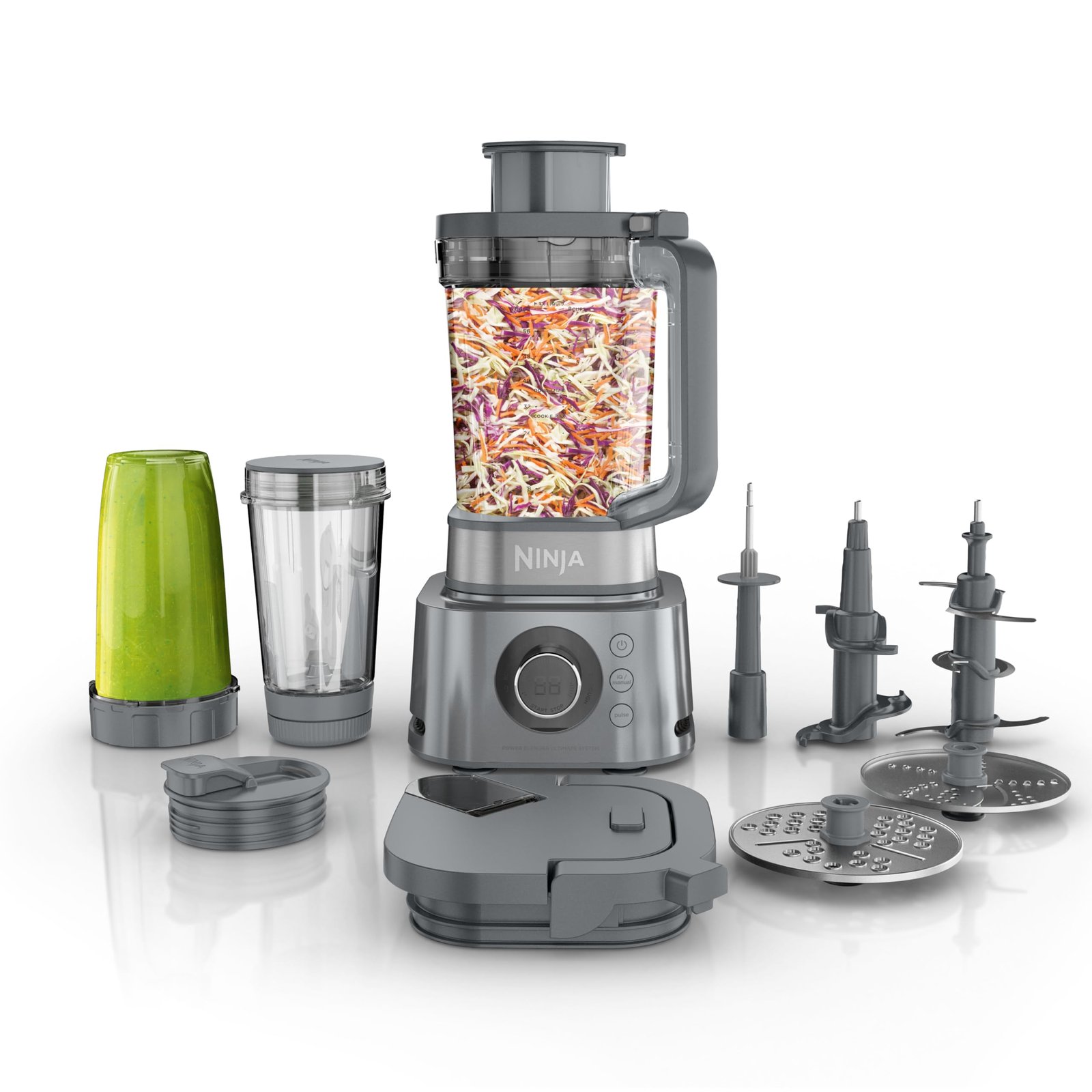
This Ninja combo is a powerful and flexible choice if you want a food processor that handles peanut butter and much more.
Pros
- Strong 1600-watt motor that never stalls
- Multiple blades and discs for slicing, shredding, and grating
- Large pitcher and extra cups make it easy to prep big batches
Cons
- Bulkier size takes up quite a bit of counter space
- Sharp blades need careful cleaning by hand
- Some parts can be tricky to assemble at first
The Ninja Foodi system impressed me with its power and flexibility. It handled peanuts smoothly, turning them into creamy butter without overheating or jamming. The 72-ounce pitcher lets you make enough peanut butter for a crowd in one go.
You can also slice or shred hard veggies easily using the included reversible discs. This means you get a machine that does more than just blend or chop—it covers a range of food prep tasks. The smartTorque motor beats anything I’ve used before for tough jobs.
It’s not a compact unit, so make sure you have room for it. Cleaning the blades requires some care, especially without a dishwasher. Still, the dishwasher-safe parts speed up the cleanup once you get used to the setup.
If you want a top performer that makes nut butters and more, this Ninja will deliver consistent results without slowing down.
Cuisinart Mini-Prep Plus
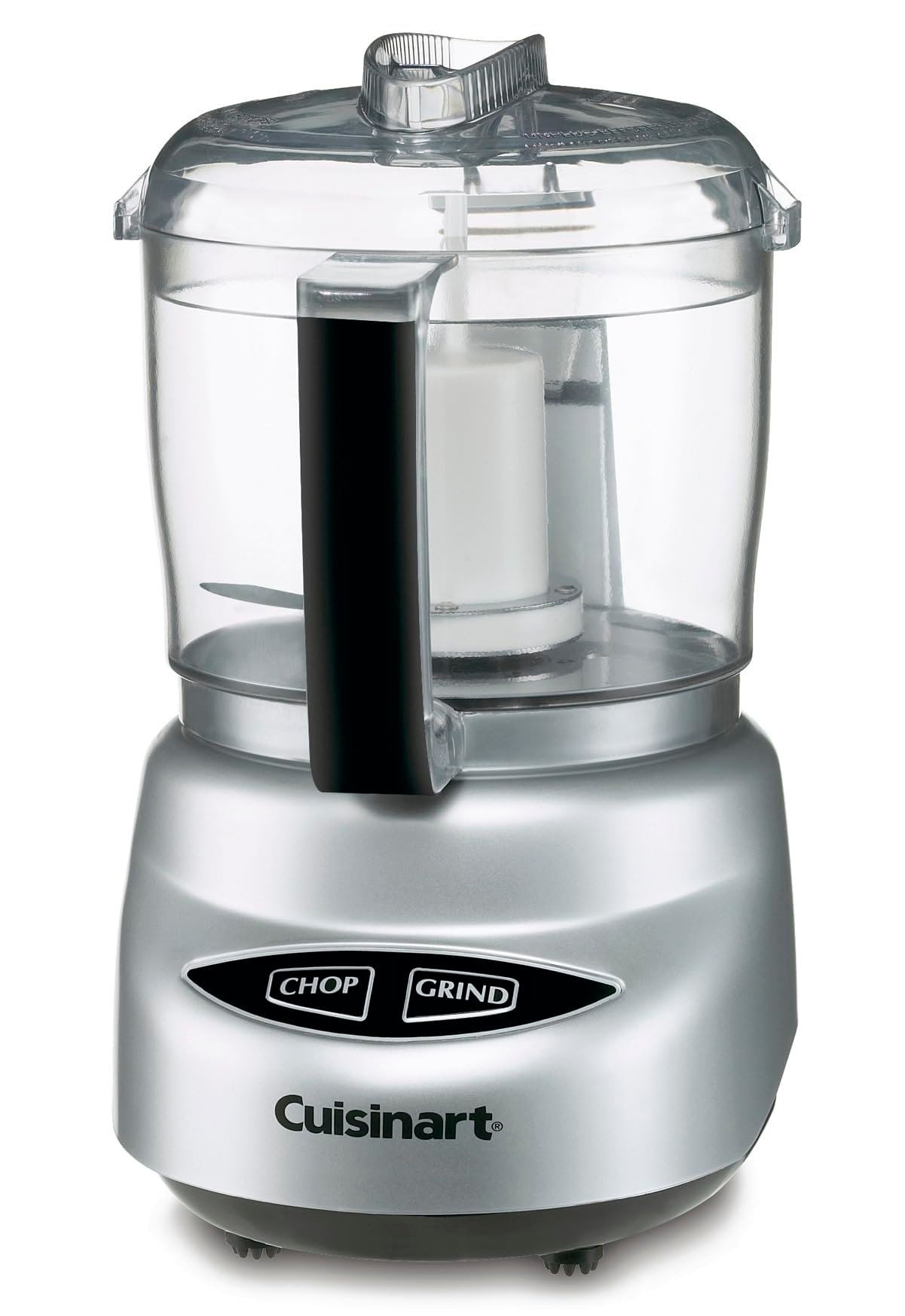
If you want a compact food processor that handles small batches of peanut butter well, this model is a solid choice.
Pros
- Easy to use with simple push-button controls
- Reversible blade chops and grinds effectively
- Small size fits easily in your kitchen storage
Cons
- Only processes small amounts at a time
- Needs hand-holding to keep steady during use
- Blade requires careful hand washing
This food processor feels sturdy and reliable when making peanut butter. The 250-watt motor speeds through peanuts without overheating. You can see how the reversible blade switches smoothly from chopping to grinding.
It’s great for quick jobs or small portions. The 24-ounce bowl is just right for a single batch, but won’t handle a lot at once. That said, it’s easy to clean since the bowl and lid go in the dishwasher.
Be ready to hold the base steady when grinding, as it moves slightly. The included spatula helps scrape peanut butter out cleanly. Overall, this processor makes creating homemade nut butter straightforward, especially if you don’t need a big machine.
Buying Guide
When choosing a food processor for peanut butter, you want one with a strong motor. Peanut butter needs power to grind nuts without overheating or stalling. Look for at least 600 watts for good performance.
The bowl size matters. A medium-sized bowl (around 7 to 9 cups) works best for making peanut butter. This size allows you to process enough nuts in one go without wasting energy or making too small a batch.
Look for easy-to-clean parts. Peanut butter is sticky, so dishwasher-safe bowls and blades save time and effort. Removable parts also help you clean better.
Consider the blade design. Sharp, durable stainless steel blades will grind nuts evenly. Some models have special blades for nut butters to improve texture.
You should also check for useful features like:
| Feature | Why It Matters |
|---|---|
| Multiple speed settings | Control texture easily |
| Pulse function | Gives short bursts for better mixing |
| Safety locks | Prevent accidents during use |
| Compact size | Easy storage in your kitchen |
Noise level can be important. Powerful processors can be loud, so if noise bothers you, look for quieter models or check user reviews.
Think about your budget. More expensive food processors often have better motors and features, but you can find reliable, cost-effective options that work well for peanut butter.
Comparison table
The table below helps you compare key features of popular food processors for making peanut butter. Look for motor power, bowl size, and attachments to find the best fit for your needs.
| Model | Motor Power | Bowl Size | Blade Type | Special Features | Price Range |
|---|---|---|---|---|---|
| Ninja Food Processor | 900 watts | 72 oz | Stainless Steel | Dough blade, 3 speeds | $$ |
| Cuisinart DFP-14BCNY | 720 watts | 14 cups | Multi-purpose | BPA free, dishwasher safe | $$ |
| Hamilton Beach 70730 | 450 watts | 10 cups | S-blade | Compact size | $ |
| Breville BFP800XL | 1200 watts | 16 cups | Micro-serrated | LCD display, timer | $$$ |
You want a motor with enough power to handle thick nuts. Models with 700 watts and up work well.
Bowl size matters if you often make large batches. Smaller bowls are easier to store but hold less peanut butter.
Some processors have special blades or settings for making creamy nut butter. Consider those if you want smooth texture without extra effort.
Prices vary from budget to high-end. Pick one that fits your budget and meets your needs for features and performance.
FAQ
What should I look for in a food processor for peanut butter?
You want a powerful motor that can handle tough nuts. A motor with at least 600 watts is a good start. Also, look for a sturdy blade that can crush nuts evenly.
Can any food processor make creamy peanut butter?
Not all food processors are equal. Some may leave your peanut butter chunky or grainy. A model with strong blades and a good motor will produce smoother peanut butter.
How much capacity do I need?
This depends on how much peanut butter you want to make at once. A bowl size of 7 to 10 cups is usually enough for most users. Smaller processors might work but could take longer.
Is it hard to clean a food processor after making peanut butter?
Peanut butter can be sticky, but cleaning is usually simple. Many food processors have dishwasher-safe parts. Wiping the motor part with a damp cloth is enough.
Can food processors overheat when making peanut butter?
Yes, if used for too long. You may need to pause and let the motor cool down every minute or two. This helps prevent damage and keeps your machine working well.
Recipes + usage section
You can use your food processor to make smooth, creamy peanut butter in just a few minutes. Start by roasting your peanuts if they’re raw. Then, add them to the processor and blend until the mixture becomes creamy. You may need to scrape the sides occasionally.
Besides plain peanut butter, you can add flavors like honey, cinnamon, or salt. Simply mix them in during the blending process. This is a great way to customize the taste to your liking.
Your food processor can also help with other peanut butter recipes. For example:
- Peanut sauce: Blend peanut butter with soy sauce, lime juice, garlic, and a little water.
- Energy bars: Combine peanut butter, oats, and honey, then press the mix into a pan.
- Smoothies: Add a spoon of peanut butter to fruits and yogurt for a creamy texture.
It’s important to avoid overfilling your food processor. Work in batches if needed. This helps you get the best texture without straining the machine.
You can clean your processor quickly by adding warm water and a drop of dish soap, then running it for a few seconds. This saves you time after making peanut butter or recipes with sticky ingredients.
Peanut Butter Tips & Tricks Section
When making peanut butter, start with dry, roasted peanuts. Fresh or oily peanuts can make the texture too greasy. You want a balance of oil and solids for a smooth spread.
If your peanut butter is too thick, add a small amount of neutral oil like vegetable or peanut oil. Add one teaspoon at a time and blend until you reach the consistency you like.
To make your peanut butter extra creamy, blend for longer, but watch out. Over-blending can cause the oils to separate and become runny. Stop when it looks uniform and smooth.
You can add salt or a sweetener like honey or sugar for flavor. Add these slowly, tasting as you go. This helps control the final taste without overpowering it.
If you want crunchy peanut butter, save some peanuts and stir them in last. Don’t blend them with the rest or they’ll become powder.
Keep your peanut butter in an airtight container. Store it in the fridge to slow oil separation, but let it sit at room temperature before use for easier spreading.
| Tip | Reason |
|---|---|
| Use roasted peanuts | Best flavor and texture |
| Add oil carefully | Adjust thickness without making it greasy |
| Blend until smooth | Avoid separation and runniness |
| Add salt/sweetener slowly | Control flavor precisely |
| Add crunchy peanuts last | Keep chunks intact |
Why a Quality Food Processor Matters for Peanut Butter
When making peanut butter, your food processor needs to work well. A quality processor can handle tough peanuts without overheating or stalling. This means your peanut butter will be smooth and creamy.
You want a machine with a strong motor. A weak motor may struggle and leave chunks behind. A good motor helps you control the texture, whether you like crunchy or smooth peanut butter.
Sharp, durable blades are important too. They break down peanuts efficiently and evenly. Blunt blades can cause uneven processing and affect taste.
Look for easy-to-clean parts. Peanut butter is sticky, so smooth surfaces help you clean up faster. Some processors even come with dishwasher-safe bowls and blades.
Here is a quick checklist for what matters:
| Feature | Why It Matters |
|---|---|
| Powerful motor | Handles tough peanuts easily |
| Sharp blades | Smooth, even texture |
| Large bowl capacity | Makes enough peanut butter at once |
| Easy cleaning | Saves time and effort |
A good food processor gives you control and consistency. It makes the process faster and less frustrating. Your peanut butter will come out tasting better every time you use your machine.
Final Verdict
When choosing the best food processor for peanut butter, focus on power and consistency. You want a model with a strong motor that can handle grinding nuts smoothly without overheating.
Look for machines with sharp, durable blades. These will help you get a creamy texture faster and with less effort. A bowl size that fits your usual batch size is also important.
Consider these key factors:
- Motor power: At least 600 watts for smooth peanut butter.
- Blade quality: Stainless steel blades for durability.
- Bowl size: Pick one that matches how much peanut butter you want to make.
- Ease of cleaning: Removable parts make cleanup faster.
Some processors come with extra features like multiple speed settings and pulse function, which give you better control over texture. This can be helpful if you like your peanut butter chunky or very smooth.
You don’t need the most expensive model to get good results. Many mid-range food processors work well if they meet the power and blade standards.
Your choice should fit your kitchen space and budget while meeting your peanut butter needs. With the right processor, you can enjoy fresh, homemade peanut butter anytime.
