


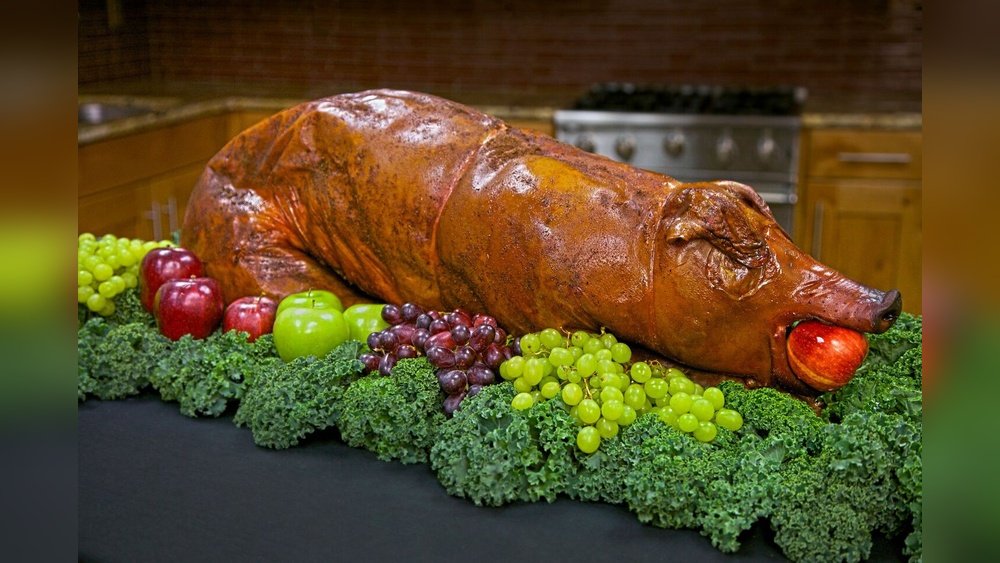
If you want your whole hog to be juicy, flavorful, and unforgettable, the secret lies in the perfect brine. A good whole hog brine recipe transforms tough meat into tender, mouthwatering bites that your guests will rave about.
Imagine pulling apart meat so tender it melts in your mouth, packed with the right balance of salt, spices, and a hint of sweetness. You’ll discover an easy-to-follow brine recipe that will elevate your next barbecue to a whole new level.
Ready to impress everyone at your next cookout? Let’s dive in.
Why Brine Whole Hog
Brining a whole hog is a key step in preparing delicious pork. It helps keep the meat juicy and tender during cooking. This process adds moisture and flavor deep inside the meat. Brining also improves the texture, making the pork easier to cut and eat.
Benefits Of Brining
Brining adds salt and water into the meat. This prevents the pork from drying out. The salt in the brine helps the meat hold more water. It also makes the pork taste better. Brining a whole hog helps the meat cook evenly. The result is moist, tender pork every time.
Impact On Flavor And Texture
Brining changes the meat’s texture to be softer and more pleasant. The salt breaks down some proteins, making the pork less tough. The flavors from the brine soak deep into the meat. This gives the whole hog a rich, well-rounded taste. Brining creates a juicy and flavorful pork roast. It is perfect for barbecue or roasting.
Choosing Ingredients
Choosing the right ingredients is key to making a tasty whole hog brine. Each component affects the flavor and texture of the meat. Simple, fresh ingredients work best. Focus on what brings salt, sweetness, and spices together. This balance makes the pork juicy and flavorful.
Essential Brine Components
Salt is the main ingredient in any brine. It helps the meat stay moist and tender. Use kosher salt for the best results. Water is the base that dissolves the salt and other ingredients. Sugar adds sweetness and balances the saltiness. Brown sugar or white sugar both work well. These three—salt, water, and sugar—form the core of your brine.
Optional Flavor Enhancers
Spices and herbs add depth to your brine. Black peppercorns, bay leaves, and garlic cloves are popular choices. You can also add mustard seeds or crushed red pepper for a bit of heat. Citrus peels like orange or lemon brighten the flavor. Fresh herbs such as thyme or rosemary give a nice aroma. These extras create a unique taste for your whole hog.
Preparing The Brine
Preparing the brine is a key step in cooking a whole hog. This liquid mixture helps keep the meat moist and adds deep flavor. The right brine balances salt, sugar, and spices. It soaks into the meat slowly, making each bite juicy and tasty.
Getting the brine ready means mixing ingredients carefully. You want everything to dissolve well and blend perfectly. This step sets the foundation for a delicious hog roast that everyone will enjoy.
Mixing Basics
Start with warm water to help salt and sugar dissolve fast. Stir the mixture until it looks clear and smooth. Use kosher salt for the best texture and flavor. Add sugar to balance the saltiness and create a mild sweetness. Include spices like peppercorns, bay leaves, and garlic for extra taste. Let the brine cool completely before adding the hog. Cold brine prevents bacteria and helps the meat soak evenly.
Tips For Large Batches
Use a big container to hold the whole hog and brine comfortably. Mix the brine in smaller parts if your pot is too small. Combine these parts in the container to keep flavors even. Stir the brine well after mixing to keep the spices spread out. Keep the brine cold by adding ice or chilling before use. Check the salt level carefully to avoid over-salting the meat. Measuring ingredients by weight helps keep large batches consistent.

Credit: www.youtube.com
Brining Process
Brining is a key step in preparing a whole hog for cooking. It helps keep the meat juicy and adds flavor deep inside. The process involves soaking the hog in a saltwater solution. This allows the meat to absorb moisture and seasoning evenly. A well-brined hog will be tender and tasty after cooking.
Timing For Whole Hog
Brining a whole hog takes time. Usually, it needs 12 to 24 hours. This long soak helps the salt and spices reach all parts of the meat. Do not rush the process. Too short, and the flavor will be weak. Too long, and the texture may become mushy. Plan ahead to get the best results.
Temperature Control
Keeping the brine cold is very important. The hog must stay below 40°F (4°C) during brining. Warm temperatures can cause bacteria to grow. Use a large cooler or a clean refrigerator. Add ice if needed to keep the brine cold. Proper temperature ensures safe and tasty meat.
Handling After Brine
Handling a whole hog after it has been brined is a key step for great flavor and texture. Proper care ensures the meat stays juicy and tasty during cooking. It also helps prevent the brine from overpowering the natural pork flavor.
After soaking the hog in the brine, you must prepare it correctly before cooking. This process includes rinsing off excess salt and drying the meat well. Proper seasoning before cooking will then boost the overall taste.
Rinsing And Drying
Rinse the whole hog thoroughly with cold water. This step removes extra salt and any spices left from the brine. Use your hands to gently rub the surface.
After rinsing, pat the hog dry with clean towels. Drying helps the skin crisp up during cooking. Avoid leaving the meat wet, as it can steam instead of roast.
Seasoning Before Cooking
Once dry, apply your favorite rub or spices evenly over the hog. Seasoning adds another layer of flavor. Use simple spices like black pepper, garlic powder, or paprika for a balanced taste.
Do not over-season, as the brine already adds saltiness. Light seasoning enhances the natural pork flavor and creates a delicious crust.
Cooking Methods
Cooking a whole hog is a special experience. It needs patience and the right methods. Brining is just the start. How you cook the hog affects the taste and texture deeply. Two popular ways are smoking and roasting. Each method gives the meat a unique flavor and tenderness.
Choosing the right cooking method depends on your tools and time. Both smoking and roasting can bring out the best in a whole hog brined with care. Let’s explore these methods to help you decide which fits your style.
Smoking Techniques
Smoking a whole hog takes many hours, often a whole day. It uses low heat and smoke to cook the meat slowly. This process makes the pork very tender and flavorful. Use hardwood like hickory or apple for a mild smoke taste. Keep the smoker temperature between 225°F and 250°F. Maintain steady smoke and heat for best results. Turning the hog occasionally helps even cooking. Use a water pan in the smoker to keep the meat moist. Smoke until the internal temperature reaches about 195°F. This melts the fat and softens the meat. Let the meat rest before slicing to keep juices inside.
Roasting Tips
Roasting a whole hog is faster than smoking but still needs time. Use a large roasting pan or spit for even heat. Preheat the oven or grill to 325°F. Season the hog well before roasting for added flavor. Place the hog fat side up to baste the meat naturally. Cook until the internal temperature hits 190°F to 200°F. Baste the hog every 30 minutes to keep it moist. Cover the hog with foil if the skin browns too fast. Let the meat rest for 20 to 30 minutes after roasting. This helps the juices settle for juicy slices.
Troubleshooting Common Issues
Brining a whole hog can be tricky. Small mistakes affect taste and texture. This section helps solve common problems in whole hog brining. Clear tips make your brine work better. Enjoy juicy, flavorful pork every time.
Over-brining Effects
Leaving the hog in brine too long changes its texture. Meat becomes too soft or mushy. Salt can make the pork taste too salty. Over-brining can dry out the meat when cooked. Watch brining time closely for best results. Usually, 12 to 24 hours is enough.
Flavor Imbalances
Brine flavors must be balanced. Too much salt hides other tastes. Overpowering herbs or spices mask pork’s natural flavor. Use fresh ingredients and measure carefully. Taste the brine before soaking the hog. Adjust flavors to keep the pork tasty and fresh.

Credit: www.918plate.com
Serving Suggestions
Serving whole hog brine pork is a special moment. The right sides and presentation make the meal memorable. Simple, tasty pairings bring out the flavors perfectly.
Side Dishes Pairing
Classic coleslaw adds crunch and freshness. Baked beans bring a sweet, smoky taste. Cornbread offers a soft, buttery bite. Grilled vegetables add color and a light touch. Pickles or pickled onions give a sharp contrast. Mashed potatoes or roasted sweet potatoes provide warmth and comfort. These sides balance the rich, juicy pork well.
Presentation Ideas
Slice the pork thin or serve in big chunks. Arrange on a wooden board for a rustic look. Garnish with fresh herbs like parsley or thyme. Use small bowls for sauces and sides around the meat. Add lemon wedges for a fresh burst of flavor. Keep the setup simple to highlight the meat’s color and texture. Presentation should invite guests to dig in and enjoy.

Credit: www.bbqguys.com
Frequently Asked Questions
What Is The Purpose Of A Whole Hog Brine?
A whole hog brine enhances flavor and keeps the meat moist during cooking. It tenderizes the pork and infuses it with seasoning, resulting in juicy, flavorful barbecue. Brining also helps balance saltiness and prevents dryness in the long smoking process.
How Long Should I Brine A Whole Hog?
Brine a whole hog for 12 to 24 hours. This duration allows the salt and spices to penetrate the meat evenly. Avoid over-brining, which can make the pork too salty or mushy. Always keep the hog refrigerated during the brining process.
What Ingredients Are Essential For Whole Hog Brine?
Essential ingredients include water, kosher salt, sugar, and spices like bay leaves, peppercorns, and garlic. These create a balanced brine that tenderizes and flavors the meat. Optional herbs and citrus can add unique aromas and enhance the overall taste.
Can I Reuse Whole Hog Brine Safely?
It is not recommended to reuse whole hog brine. Used brine contains raw pork juices, which can harbor harmful bacteria. Always discard brine after use to ensure food safety and prevent cross-contamination. Prepare fresh brine for each hog.
Conclusion
Brining a whole hog adds flavor and keeps the meat juicy. This simple recipe uses easy ingredients anyone can find. Let the hog soak well to absorb all the spices. The result? Tender, tasty meat that everyone will enjoy. Try this method for your next big cookout.
You’ll notice the difference in every bite. A good brine makes all the hard work worth it. Give it a shot and see how it changes your cooking. Simple steps, great taste. That’s the key.
