



If you love creamy, cheesy comfort food, this Wisconsin Mac and Cheese recipe is made just for you. Imagine a dish where every bite melts in your mouth, filled with rich cheese that feels like a warm hug.
You don’t need to be a chef to make it – just a few simple ingredients and easy steps will bring this classic Midwestern favorite to your table. Ready to discover the secret to the creamiest, most flavorful mac and cheese you’ve ever tasted?
Keep reading, because your new favorite recipe is right here.
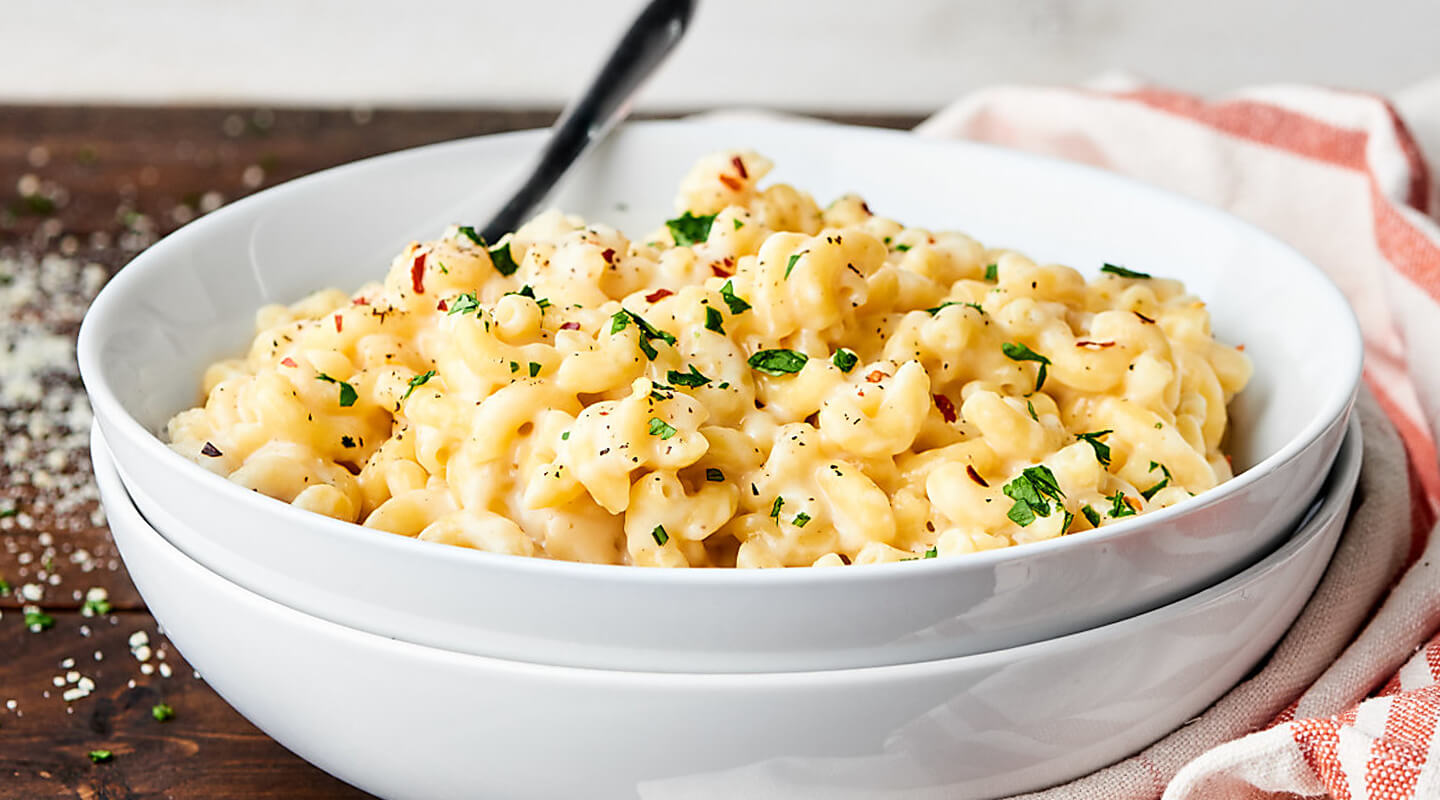
Credit: www.wisconsincheese.com
Choosing The Right Cheese
Choosing the right cheese is key to making delicious Wisconsin mac and cheese. Cheese affects taste, texture, and creaminess. Picking the best cheese ensures your dish feels rich and melts perfectly. Not all cheeses work the same in cooking. Some melt smoothly, while others might get grainy or oily. Knowing which cheeses to use helps you create a creamy, tasty mac and cheese every time.
Why Wisconsin Cheese Stands Out
Wisconsin cheese is famous for its quality and flavor. The state’s dairy farms produce rich, fresh milk. This milk makes cheese with a smooth, creamy texture. Wisconsin cheese often melts better than other types. This makes it perfect for mac and cheese recipes. The local cheese makers use traditional methods. These methods give cheese a natural, rich taste. Using Wisconsin cheese means using a product made with care and skill.
Best Cheese Blends For Creaminess
Combining different cheeses creates the best texture and flavor. Sharp cheddar adds a bold taste. Monterey Jack melts smoothly, making the dish creamy. Colby cheese is mild and adds softness. Mixing these cheeses balances sharp and creamy notes. Using more than one cheese gives your mac and cheese depth. The blend melts evenly and stays smooth while baking. Experiment with ratios to find your favorite mix.
Aging And Flavor Profiles
Cheese age affects flavor and melting quality. Younger cheeses melt better and taste mild. Older cheeses have stronger flavors but melt less smoothly. Aged cheddar offers a sharp, tangy taste. Use aged cheese sparingly for flavor bursts. Combining young and aged cheese gives a rich, balanced taste. Choose cheese ages based on how strong you want the flavor. Understanding aging helps you pick the perfect cheese for your recipe.
Selecting Pasta For Texture
Choosing the right pasta is key to a creamy Wisconsin Mac and Cheese. The pasta shape affects how the cheese sauce clings and the overall texture. Picking pasta that holds sauce well gives every bite a rich, cheesy taste. Texture matters just as much as flavor in this classic dish.
Classic Macaroni Choices
Elbow macaroni is the traditional pick for mac and cheese. Its small, curved shape traps cheese sauce inside. This pasta cooks quickly and stays firm. Small shells also work well. Their shape holds cheese sauce in each little cup. These classic choices give a smooth, creamy texture.
Alternative Pasta Options
Penne and rigatoni offer a thicker bite with ridges. These shapes catch cheese sauce on their surface. Cavatappi’s spiral design grabs sauce nicely, adding fun texture. Rotini’s twists keep sauce and add chewiness. These options add variety without losing creaminess.
Cooking Tips For Perfect Bite
Cook pasta just until al dente. This means firm but not hard. Overcooked pasta becomes mushy and loses shape. Salt the water well to boost flavor. Drain pasta but keep some cooking water. Add a little pasta water to cheese sauce for smoothness. Stir gently to mix pasta and sauce evenly.
Crafting The Creamy Sauce
Crafting the creamy sauce is the heart of a good Wisconsin Mac and Cheese recipe. The sauce gives the dish its rich texture and bold flavor. A perfect sauce is smooth, thick, and full of cheesy goodness. It requires a few simple steps and some attention to detail.
Making A Smooth Roux
Start by melting butter in a saucepan over medium heat. Stir in an equal amount of flour. Cook the mixture for a few minutes. This cooks out the raw flour taste. Stir constantly to keep it smooth. The roux thickens the sauce and gives it body.
Incorporating Milk And Cream
Slowly pour in cold milk and cream. Whisk the mixture as you add the liquid. This prevents lumps from forming. Keep stirring until the sauce thickens. Use whole milk and heavy cream for the best richness. The creamy base makes the cheese melt perfectly.
Seasoning Secrets
Season the sauce with salt and pepper. A pinch of garlic powder adds warmth. A little mustard powder gives a subtle tang. These simple spices boost the cheese flavor. Taste the sauce and adjust seasonings carefully. The right balance makes the dish truly delicious.
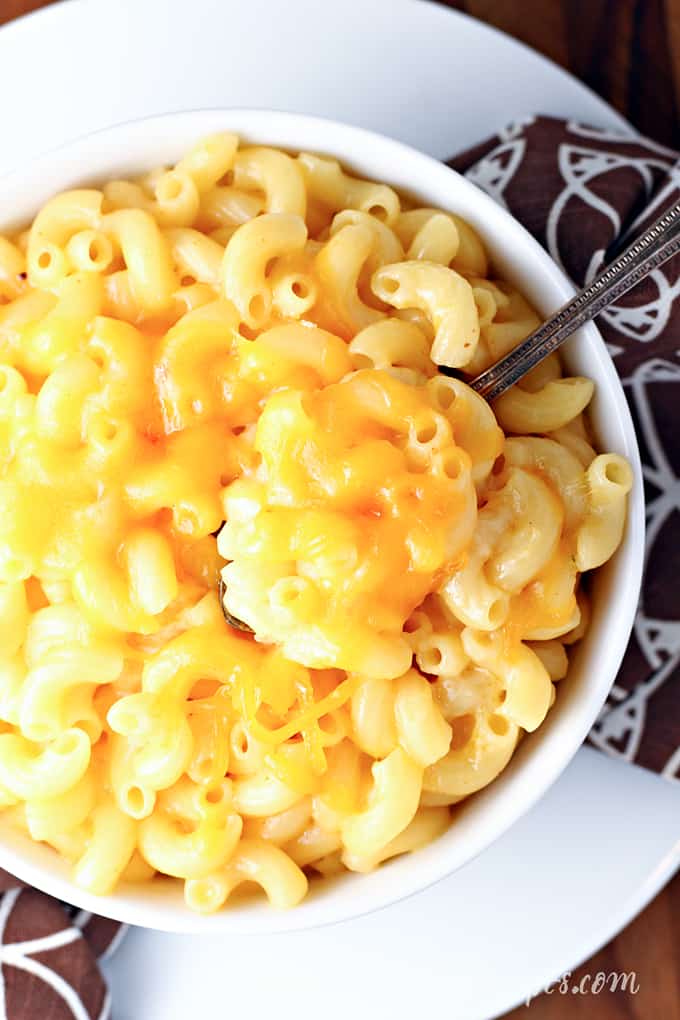
Credit: letsdishrecipes.com
Combining Ingredients
Combining ingredients is a key step in making Wisconsin Mac and Cheese. It blends flavors and textures to create a creamy, cheesy dish. Careful mixing helps every bite taste perfect.
Each element needs attention. Cheese and pasta must come together smoothly. The right texture makes the dish enjoyable and rich.
Mixing Cheese And Pasta
Start with hot pasta. Heat helps cheese melt evenly. Slowly add cheese in small amounts. Stir gently to coat pasta well. Avoid stirring too fast. It can break pasta or make cheese clump.
Achieving The Ideal Consistency
Use a creamy sauce to bind pasta and cheese. Add milk or cream a little at a time. Stop when sauce feels smooth and thick. Not too runny. Not too stiff. The sauce should flow easily but hold shape on a spoon.
Avoiding Common Mistakes
Do not add cold cheese to hot pasta. It can make the sauce grainy. Avoid overcooking pasta before mixing. Soft pasta breaks down in sauce. Watch the heat. High heat can burn cheese and sauce. Stir often but gently.
Baking For The Perfect Finish
Baking gives Wisconsin Mac and Cheese a warm, golden crust. It makes the cheese melt perfectly. The heat brings flavors together. Baking also adds a nice texture contrast. Soft pasta inside, crispy topping outside. This step turns a simple dish into a comfort food classic.
Choosing The Right Bakeware
Pick a baking dish that spreads heat well. Glass and ceramic dishes work best. They help cook the mac and cheese evenly. Avoid very deep pans. Shallow dishes let the cheese brown nicely. A 9×13 inch pan suits most recipes. Grease the dish lightly to prevent sticking.
Topping Options For Crunch
Add texture with crunchy toppings. Breadcrumbs are a classic choice. Use plain or seasoned crumbs for flavor. Mix crumbs with melted butter for richness. Crushed crackers or cornflakes add a nice twist. Sprinkle cheese on top for extra gooeyness. Toppings make each bite exciting and tasty.
Timing And Temperature Tips
Bake at 350°F (175°C) for best results. Keep the baking time between 20 to 30 minutes. Check the crust; it should be golden brown. Avoid overbaking to keep the cheese creamy. Let the dish rest a few minutes before serving. This helps the cheese set and flavors settle.
Serving Suggestions
Serving Wisconsin Mac and Cheese can be more than just a meal. It turns into a delightful experience. Simple touches make your dish stand out. Think about what pairs well, how it looks, and how to keep it fresh. These tips will help you enjoy every bite.
Pairing With Sides And Drinks
Crunchy green salads add a fresh contrast to creamy mac and cheese. Roasted vegetables like broccoli or carrots bring color and nutrition. For a heartier meal, serve with grilled chicken or smoky sausages. Choose light drinks such as iced tea or sparkling water. A chilled white wine also complements the cheesy flavors well.
Presentation Ideas
Serve mac and cheese in small cast iron skillets for a rustic look. Sprinkle extra cheese or fresh herbs on top for color. Use colorful plates to make the dish pop. Add a side of crispy breadcrumbs or bacon bits for texture. Simple garnishes create a more inviting plate.
Storing And Reheating
Store leftovers in an airtight container in the fridge. Use within three days for best taste. Reheat in the oven at low heat to keep it creamy. Microwaving works but may dry out the dish. Add a splash of milk before reheating to restore creaminess.
Variations To Try
Wisconsin Mac and Cheese is a classic comfort food loved by many. Trying different variations can bring new flavors and excitement to this dish. You can easily change the recipe to suit your taste or make it more special for guests.
Simple changes can add texture, color, and boldness to the creamy cheese sauce. Experimenting with ingredients makes the dish unique. Here are some tasty variations to try.
Adding Bacon Or Sausage
Bacon or sausage adds a smoky, savory flavor to mac and cheese. Crispy bacon bits bring a crunchy texture that contrasts well with the creamy pasta. Sliced sausage adds a hearty and meaty touch. Cook the meat first, then mix it into the cheese sauce. This variation makes the dish more filling and satisfying.
Incorporating Vegetables
Vegetables add color and nutrients to mac and cheese. Steamed broccoli, peas, or spinach work well with the cheese sauce. They add a fresh taste and soften the richness. Roasted red peppers or sun-dried tomatoes give a sweet and tangy twist. Chop the vegetables into small pieces and mix them in at the end. This way, the veggies keep their texture and flavor.
Spicy And Gourmet Twists
Spices can make mac and cheese exciting and bold. Add a pinch of cayenne pepper or hot sauce for a spicy kick. For a gourmet touch, try mixing in truffle oil or caramelized onions. Fresh herbs like thyme or chives give a delicate aroma. These small changes create a unique and tasty version of the classic dish.

Credit: alexdaynes.com
Frequently Asked Questions
What Makes Wisconsin Mac And Cheese Unique?
Wisconsin mac and cheese is famous for its creamy texture. It uses a blend of Wisconsin cheeses like cheddar and mozzarella. This blend adds rich flavor and smoothness. The recipe often includes butter and cream for extra richness.
Which Cheeses Are Best For Wisconsin Mac And Cheese?
Traditional recipes use Wisconsin sharp cheddar, mozzarella, and sometimes Monterey Jack. These cheeses melt well and offer a balanced flavor. Using local Wisconsin cheese ensures authenticity and superior taste. Mixing cheeses creates a creamy and flavorful dish.
How Do I Make Wisconsin Mac And Cheese Creamy?
Use a roux made from butter and flour to thicken the sauce. Gradually add warm milk or cream while whisking. Melt shredded Wisconsin cheese slowly to avoid clumping. Stir until smooth for a rich, creamy texture.
Can I Bake Wisconsin Mac And Cheese?
Yes, baking enhances flavor and adds a crispy topping. After mixing the cheese sauce with pasta, transfer it to a baking dish. Top with breadcrumbs or extra cheese. Bake at 350°F (175°C) for 20-25 minutes until golden and bubbly.
Conclusion
This Wisconsin Mac and Cheese recipe brings comfort to your table. Creamy cheese and tender pasta blend perfectly here. It’s simple to make and full of flavor. Serve it warm for a cozy meal everyone will enjoy. Try this recipe anytime you want a tasty, easy dish.
Enjoy the rich taste of Wisconsin cheese in every bite. A classic dish that never goes out of style.
