


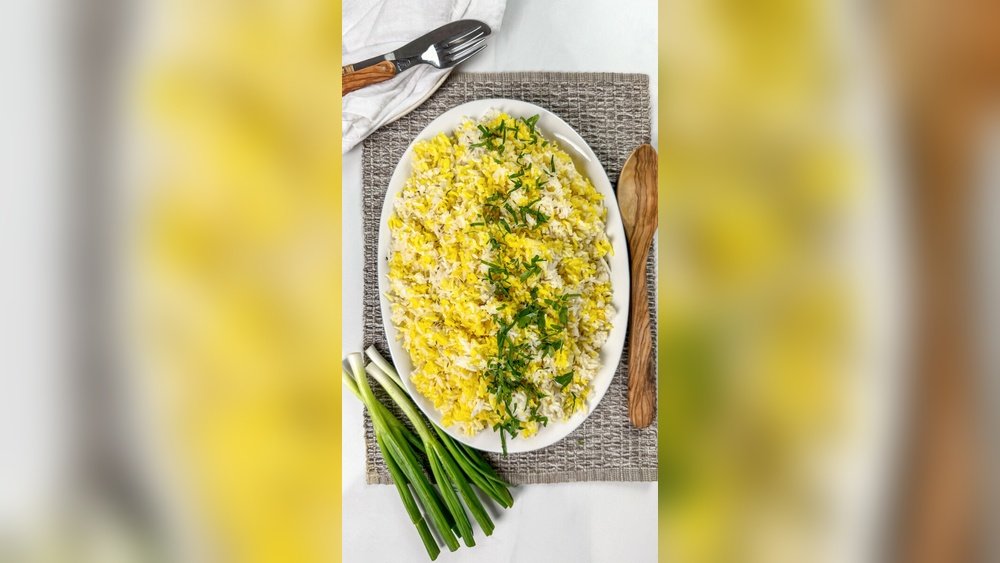
Are you ready to bring a burst of rich, authentic flavor to your kitchen? Yemeni Rice Recipe is the secret you’ve been missing to transform simple meals into unforgettable experiences.
This dish is more than just rice—it’s a blend of fragrant spices, tender meat, and a taste that will keep you coming back for more. If you want to impress your family or friends with a meal that’s both easy to make and full of character, keep reading.
You’re about to discover how to create a delicious Yemeni rice that feels like a warm hug on a plate.
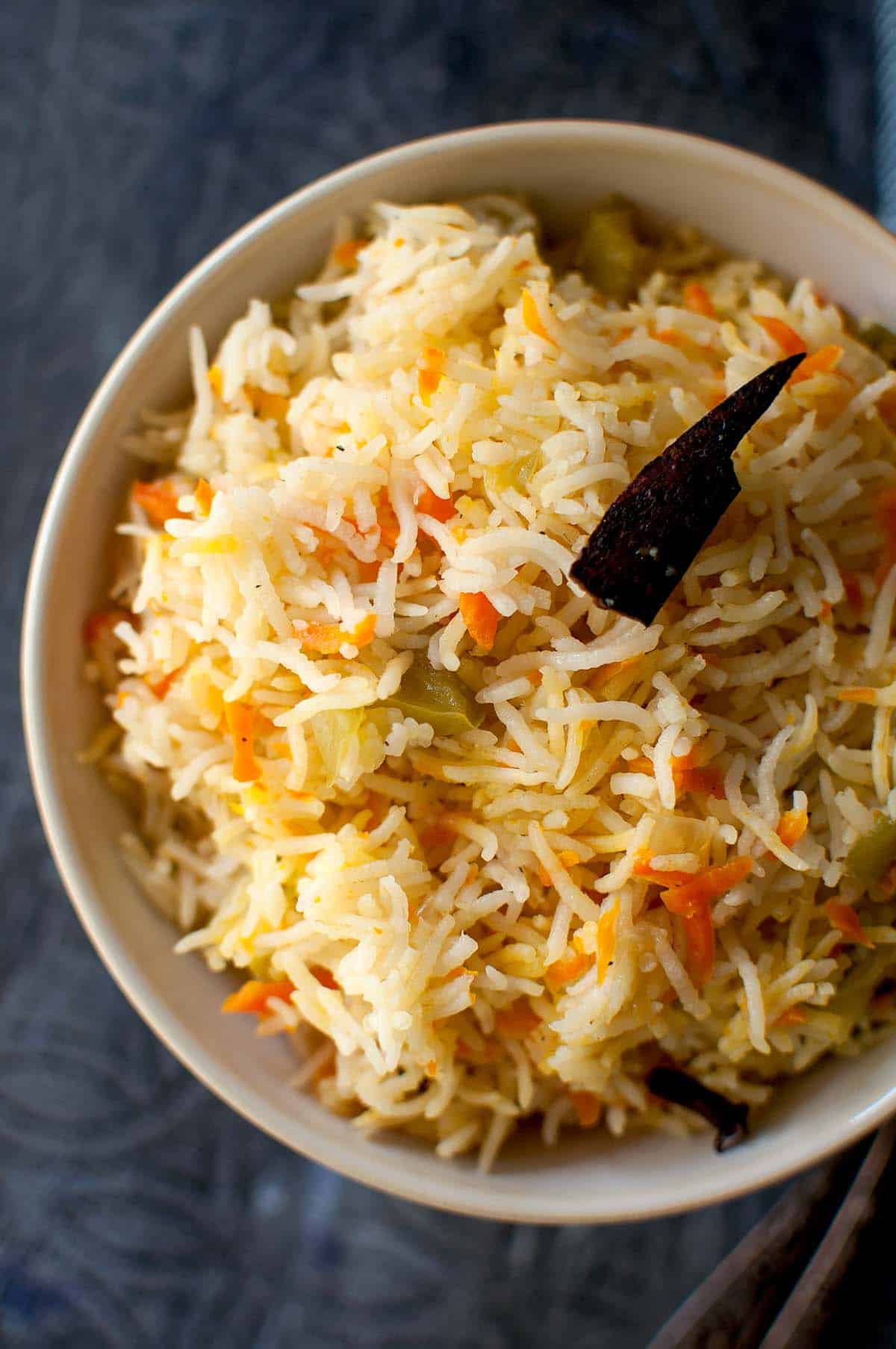
Credit: www.cookshideout.com
Ingredients For Yemeni Rice
Yemeni rice has a rich and unique flavor. The secret lies in its simple yet special ingredients. Each component adds a distinct taste and aroma. Using the right ingredients ensures an authentic experience. This section explores the key ingredients for making traditional Yemeni rice.
Essential Spices And Herbs
Yemeni rice relies on a few important spices. Cumin gives a warm, earthy note. Cardamom adds a sweet, floral touch. Cloves bring a strong, aromatic flavor. Bay leaves provide a subtle bitterness. Fresh coriander leaves brighten the dish. These spices work together to create a balanced taste.
Choosing The Right Rice
Long-grain rice is best for Yemeni recipes. It cooks fluffy and separate, not sticky. Basmati rice is a popular choice. It has a fragrant aroma and firm texture. Using quality rice makes a big difference. Avoid short-grain or sticky rice for this dish.
Additional Flavor Enhancers
Onions are often sautéed for sweetness and depth. Garlic adds a mild pungent flavor. Sometimes, tomatoes are used for tanginess. Some cooks add raisins or nuts for texture. A little ghee or oil helps blend flavors well. These extras enrich the overall taste and aroma.
Preparing The Base
Preparing the base is the first step in making authentic Yemeni rice. This part gives the dish its rich flavor and aroma. Each step builds layers of taste that make the rice special.
Careful preparation here ensures the rice cooks well and tastes delicious. The process starts with toasting the rice, then sautéing the aromatics, and finally blending the spices. These steps create a strong foundation for the dish.
Toasting The Rice
Begin by rinsing the rice until the water runs clear. Drain it well before toasting. Heat a dry pan on medium heat. Add the rice and stir constantly. Toasting gives the rice a nutty flavor. It also helps the grains stay separate when cooked. Toast for about 5 minutes or until the rice turns light golden.
Sautéing Aromatics
Next, heat oil in a pan. Add chopped onions and garlic. Cook until they become soft and golden. These aromatics add sweetness and depth to the dish. Be careful not to burn them. Sautéing releases their natural flavors and scents.
Blending Spices
Yemeni rice uses a mix of warm spices. Common ones include cumin, cardamom, cinnamon, and cloves. Toast the whole spices briefly to bring out their oils. Grind them finely or use a pre-mixed blend. Stir the spices into the sautéed aromatics. This step fills the kitchen with a fragrant aroma. The spices give the rice its unique taste.
Cooking Techniques
Cooking Yemeni rice requires careful techniques to bring out its unique flavor and texture. Each step affects how the rice turns out. Simple methods make a big difference in taste and appearance.
Understanding these techniques helps you cook the perfect Yemeni rice every time. Focus on the heat, water, and timing to get the best results.
Simmering To Perfection
Simmering keeps the rice cooking gently without burning. Use low heat after boiling. This slow cooking lets the rice absorb all flavors. Avoid stirring while simmering. It keeps the grains separate and firm.
Adjusting Water Ratios
The right water amount is key to good rice. Too much water makes it mushy. Too little leaves it hard. Use a 1:1.5 rice-to-water ratio for Yemeni rice. Adjust slightly based on rice type and pot used.
Achieving Fluffy Texture
Fluffy rice means grains are soft but separate. After cooking, let rice rest covered for 10 minutes. This step helps steam finish cooking the rice. Fluff gently with a fork to separate grains. Avoid pressing or mashing.
Adding Proteins And Vegetables
Adding proteins and vegetables to Yemeni rice gives the dish more taste and nutrition. Proteins like meat bring a rich flavor that blends well with the spices. Vegetables add color, texture, and freshness. Both make the meal more complete and satisfying.
Incorporating Meat Options
Yemeni rice often includes lamb, chicken, or beef. These meats cook slowly with spices. This process makes the meat tender and flavorful. Small pieces of meat mix well with the rice. The juices from the meat soak into the grains. This creates a deep, hearty taste.
Vegetarian Variations
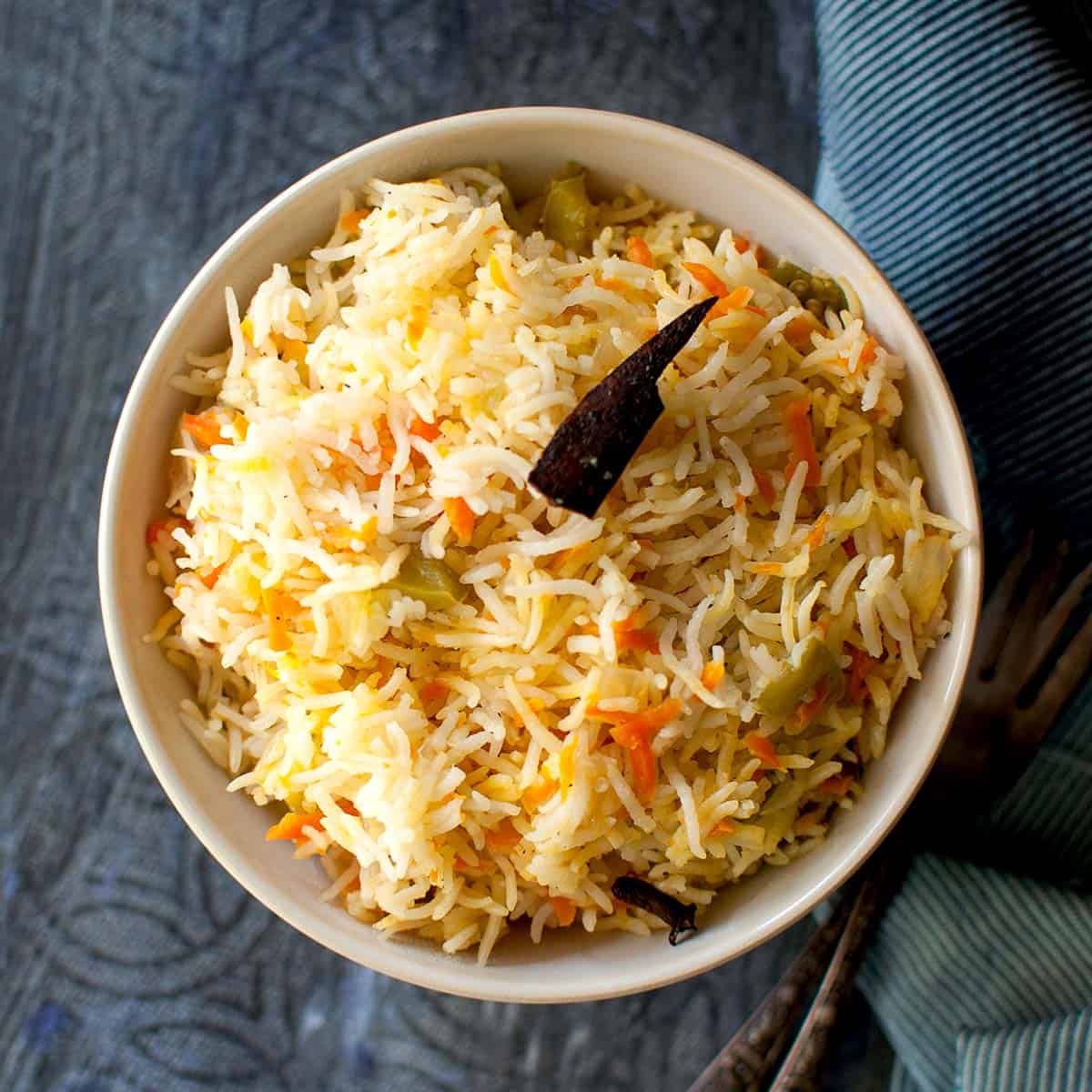
Vegetables like carrots, peas, and tomatoes work great. They add sweetness and a slight crunch. Beans and lentils offer protein for vegetarian versions. Sauté vegetables lightly before mixing with rice. This keeps their color and flavor bright. A touch of cumin or coriander lifts the taste.
Balancing Flavors
Spices like cumin, cardamom, and cinnamon give warmth. Salt and pepper bring out the natural flavors. Proteins and vegetables must blend well without overpowering. Taste often during cooking to adjust seasoning. A balance of savory and fresh notes makes the dish special.
Serving Suggestions
Serving Yemeni rice is a special moment that brings flavor and tradition to the table. This dish shines brightest with the right pairings and toppings. These choices make the meal more exciting and complete.
Explore simple ways to serve Yemeni rice. Each option adds its own touch and makes every bite better.
Traditional Yemeni Pairings
Yemeni rice often joins with rich, spiced meats like lamb or chicken. Slow-cooked stews called salta are common partners. These dishes add depth and warmth to the rice. Fresh herbs like cilantro or parsley bring a fresh note.
Garnishes And Toppings
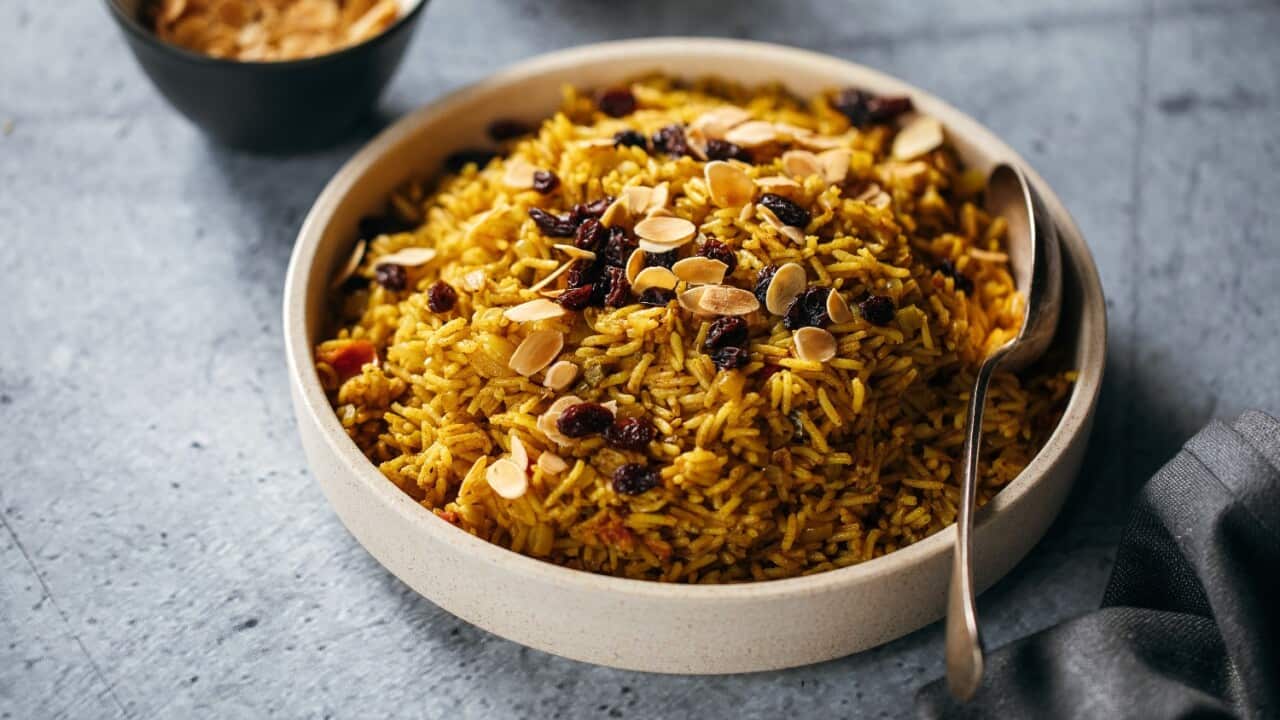
To add color and texture, try toasted nuts like almonds or pine nuts. Fried onions give a sweet crunch that pairs well with the soft rice. A squeeze of lemon juice brightens the flavors. Simple yogurt on the side cools the spices.
Side Dishes To Complement
Light salads with cucumber and tomatoes balance the meal. Pickled vegetables add tang and contrast. Warm flatbreads like khubz are perfect for scooping rice and sauce. These sides create a full and satisfying plate.
Credit: www.sbs.com.au
Tips For Authentic Flavor
Creating an authentic Yemeni rice dish requires more than just following a recipe. Small details make a big difference. Using the right spices, controlling cooking time, and avoiding common errors bring out true flavors. These tips help you cook a delicious, traditional meal that feels like home.
Using Fresh Spices
Fresh spices give Yemeni rice its rich, bold taste. Use spices like cumin, cardamom, and cinnamon. Grind them just before cooking for maximum aroma. Old spices lose flavor and make the dish dull. Store spices in airtight containers away from heat and light.
Timing And Temperature
Rice cooks best on low heat. High heat can burn the bottom and leave rice undercooked. Start with medium heat to sauté spices, then add rice and water. Cover the pot tightly and let it simmer slowly. Avoid lifting the lid too often to keep steam inside.
Common Mistakes To Avoid
Rinsing rice too much washes away flavor and nutrients. Use just a quick rinse to remove dust. Adding too much water makes rice mushy, while too little leaves it hard. Measure water carefully. Stirring rice while cooking breaks grains. Let it cook without disturbance for fluffy rice.
Credit: www.cookshideout.com
Frequently Asked Questions
What Ingredients Are Essential For Yemeni Rice Recipe?
Yemeni rice uses basmati rice, meat (usually lamb or chicken), onions, tomatoes, and spices like cumin, cardamom, and cinnamon. These ingredients create its distinctive aromatic and flavorful profile.
How Do You Cook Traditional Yemeni Rice Perfectly?
Rinse basmati rice until water runs clear. Sauté onions and spices, add meat and tomatoes, then simmer rice with broth until tender. This method ensures fluffy, flavorful rice every time.
Can Yemeni Rice Recipe Be Made Vegetarian?
Yes, replace meat with vegetables like carrots, peas, or potatoes. Use vegetable broth and the same spices to maintain authentic Yemeni flavors.
What Spices Give Yemeni Rice Its Unique Taste?
Cumin, cardamom, cinnamon, cloves, and black lime are key spices. They provide a warm, aromatic, and slightly tangy flavor typical of Yemeni rice dishes.
Conclusion
Yemeni rice brings rich flavors to your table. This recipe uses simple ingredients and easy steps. You can enjoy it with meat or vegetables. It adds a warm, comforting touch to meals. Try it to taste a bit of Yemen’s culture.
Cooking this dish feels rewarding and fun. Serve it to family or friends for a special meal. Everyone will appreciate the unique taste and aroma. Give this recipe a chance; you won’t regret it. Simple, tasty, and satisfying—just what you need.
