


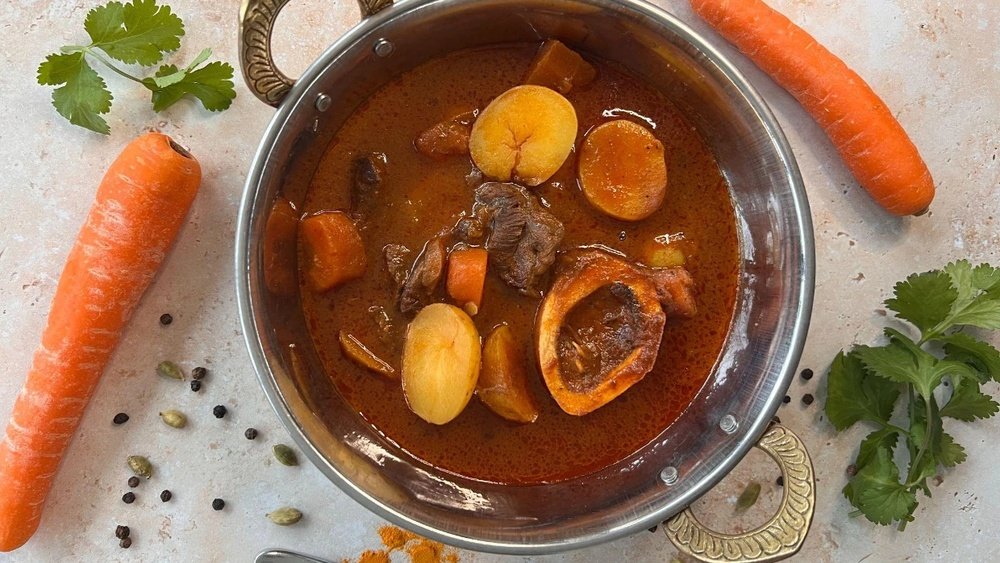
Are you craving a warm, comforting meal that’s packed with rich flavors and history? Yemenite soup might be just what you need.
This traditional recipe brings together simple ingredients in a way that makes every spoonful feel like a hug. Whether you’re new to Yemenite cuisine or looking to add something special to your kitchen, this soup is easy to make and incredibly satisfying.
Keep reading, and you’ll discover how to create this delicious dish that can brighten your day and impress your family and friends.
Origins Of Yemenite Soup
Yemenite soup is a traditional dish from Yemen. It has a rich history that reflects the culture and lifestyle of the Yemeni people. This soup has been passed down through generations. Each family adds its own special touch to the recipe. The soup is hearty and full of flavor, perfect for sharing with loved ones.
The origins of Yemenite soup trace back to ancient times. It was made to nourish families during cold weather or hard times. The ingredients are simple but carefully chosen. They represent the natural resources available in Yemen. This soup tells a story of survival, tradition, and community.
Cultural Significance
Yemenite soup holds a special place in Yemeni culture. It is often served during important gatherings and festivals. The soup brings people together. It symbolizes warmth, hospitality, and care. Sharing this soup means sharing love and respect. It also honors the heritage and identity of the Yemeni people.
Traditional Ingredients
The soup uses ingredients found in Yemen’s local markets. Common items include lamb, chickpeas, and lentils. Fresh herbs like cilantro and parsley add bright flavors. Spices such as cumin, turmeric, and fenugreek give it a unique taste. These ingredients combine to create a nourishing and aromatic dish.
Key Ingredients Explained
The key ingredients of Yemenite soup give it a rich and unique flavor. Each ingredient plays a special role in building the soup’s taste and aroma. Understanding these ingredients helps in making an authentic and delicious dish.
The soup is known for its balance of spices, fresh vegetables, and tender proteins. These components blend well to create a comforting and hearty meal. Let’s explore the main ingredients step by step.
Spices And Herbs
Spices are the heart of Yemenite soup. Common spices include cumin, turmeric, and coriander. These spices add warmth and earthiness. Fresh herbs like cilantro and parsley give a bright, fresh taste. Garlic and ginger add sharpness and depth. The right mix of spices and herbs makes the soup aromatic and flavorful.
Vegetables And Proteins
Vegetables add texture and nutrition. Carrots, potatoes, and onions are often used. These vegetables soften and enrich the broth. Tomatoes add a slight tang and color. For protein, lamb or beef pieces are common. Lentils or chickpeas provide a plant-based protein option. Together, these ingredients make the soup filling and satisfying.
Step-by-step Cooking Process
The step-by-step cooking process of Yemenite soup is simple and clear. Each stage builds flavor and texture to create a warm, comforting dish. Follow these easy steps to cook an authentic Yemenite soup at home.
Preparing The Base
Start by chopping fresh onions and garlic. Sauté them in oil until golden and soft. Add chopped tomatoes for a rich, tangy flavor. Stir in spices like cumin and turmeric to release their aroma. Pour in water or broth to create the soup base.
Simmering And Seasoning
Bring the soup to a gentle boil. Lower the heat and let it simmer slowly. This allows the flavors to blend well. Add salt and pepper to taste. Stir occasionally to prevent sticking. Simmer until vegetables are tender and the taste is balanced.
Final Touches
Add fresh herbs like cilantro or parsley for brightness. A squeeze of lemon juice can lift the flavors. Check the seasoning once more before serving. Serve hot with warm bread or rice. Enjoy the rich taste of traditional Yemenite soup.

Credit: aish.com
Tips For Authentic Flavor
Creating an authentic Yemenite soup requires attention to detail. Small steps make a big difference in taste. Follow these tips to bring out the true flavors of this traditional dish.
Choosing Fresh Ingredients
Fresh ingredients are the heart of any good soup. Use fresh vegetables for a rich, natural taste. Fresh herbs add bright, vibrant notes. Choose quality meat or chicken to enhance flavor. Avoid frozen or old produce to keep the soup lively and fresh.
Balancing Spices
Spices give Yemenite soup its unique character. Use the right amount for a perfect balance. Start with a small quantity and taste as you cook. Common spices include cumin, turmeric, and coriander. Blend them gently to avoid overpowering the dish. The goal is warmth and depth, not heat.
Variations To Try
Yemenite soup is rich in flavor and tradition. Many cooks like to change the recipe to suit their taste or needs. These variations keep the soup exciting and fresh.
Explore different ways to enjoy this classic dish. Small changes can create new experiences with every bowl. Here are two simple ways to try.
Vegetarian Options
Skip the meat and use vegetables instead. Carrots, potatoes, and zucchini work well. They add texture and sweetness to the soup.
Use vegetable broth instead of chicken or beef broth. Add herbs like parsley and cilantro for fresh flavor. This makes a healthy and light meal.
Adding Grains Or Legumes
Grains like rice or bulgur add heartiness to the soup. They soak up the spices and broth beautifully. Lentils or chickpeas boost protein and fiber.
Cook grains or legumes separately before adding to soup. This prevents them from becoming too soft. These ingredients make the soup more filling and nutritious.
Serving Suggestions
Serving Yemenite soup offers a chance to enjoy its rich flavors fully. This soup is often a centerpiece in meals and pairs well with many sides. Choosing the right accompaniments can enhance the taste and make the meal more satisfying. Here are some ideas to serve with Yemenite soup for both traditional and modern meals.
Traditional Accompaniments
Yemenite soup is best served with fresh, warm bread. The bread helps soak up the flavorful broth. Common choices include challah or pita bread. Pickled vegetables also add a nice tangy contrast. Hard-boiled eggs make the meal more filling and add protein. Fresh herbs like cilantro or parsley bring a fresh aroma to the dish.
Modern Pairings
For a modern twist, serve the soup with a side salad. A simple cucumber and tomato salad adds crunch and freshness. Roasted vegetables can add depth and variety. Try grilled chicken or fish for added protein. A light, lemony yogurt sauce pairs well with the spices in the soup. These pairings create a balanced and tasty meal.
Health Benefits
Yemenite soup offers more than just rich taste. It provides several health benefits that support overall well-being. This traditional dish combines wholesome ingredients that nourish the body. Its nutritional profile and digestive advantages make it a smart choice for healthy eating.
Nutritional Value
The soup contains a mix of vegetables, legumes, and spices. These ingredients supply vitamins and minerals essential for health. It is rich in fiber, which helps maintain energy levels. Protein in the soup supports muscle growth and repair. Low in fat, it suits those watching their diet. The natural herbs add antioxidants that protect cells.
Digestive Advantages
The fiber in Yemenite soup aids smooth digestion. It helps prevent constipation and promotes gut health. Spices like cumin and turmeric soothe the stomach. They reduce inflammation and improve digestion speed. The warm broth hydrates and calms the digestive tract. Eating this soup can ease discomfort after meals.
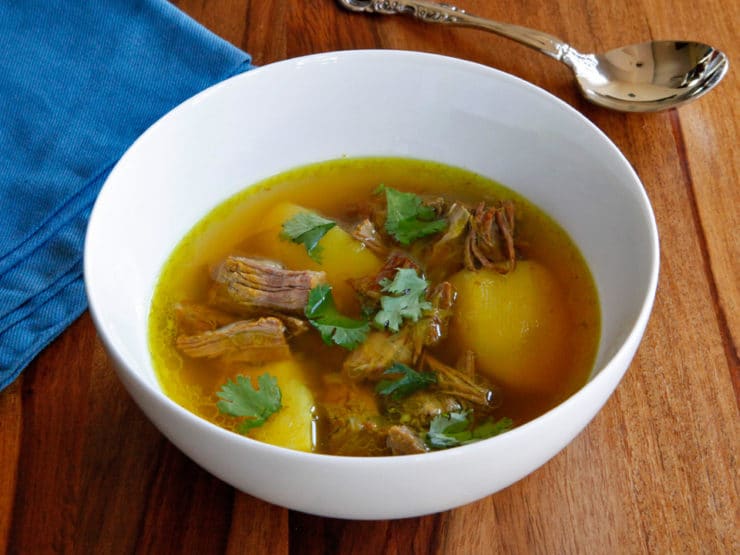
Credit: toriavey.com
Storing And Reheating
Storing and reheating Yemenite soup correctly keeps its flavors fresh and the texture just right. This soup has a rich taste that develops more after some rest. Proper storage helps keep its spices strong and the broth clear. Reheating gently preserves the soup’s unique blend of ingredients without losing any aroma. Follow simple steps to enjoy your Yemenite soup as delicious as the first time.
Best Practices
Store the soup in a clean, airtight container. Use glass or BPA-free plastic containers for best results. Cool the soup to room temperature before placing it in the fridge. Avoid leaving it out for more than two hours. Label the container with the date to track freshness. Reheat the soup slowly on low heat. Stir gently to mix the ingredients well. Avoid boiling to keep the flavors balanced.
Shelf Life
Yemenite soup lasts about three to four days in the refrigerator. Freezing extends its life up to three months. Use freezer-safe containers or heavy-duty freezer bags. Thaw the soup in the fridge overnight before reheating. Do not refreeze soup that has already been thawed. Check for any sour smell or off texture before eating. When stored properly, the soup stays tasty and safe to eat.

Credit: toriavey.com
Frequently Asked Questions
What Are The Main Ingredients In Yemenite Soup?
Yemenite soup typically includes lamb, vegetables, and spices like cumin and turmeric. It often contains potatoes, carrots, and tomatoes for rich flavor and texture. The soup is hearty and aromatic, reflecting traditional Yemeni cooking styles.
How Long Does Yemenite Soup Take To Cook?
Yemenite soup usually takes about 1. 5 to 2 hours to cook. Slow simmering helps tenderize the meat and blend the spices. This process enhances the soup’s deep, savory taste and makes it perfect for a comforting meal.
Can Yemenite Soup Be Made Vegetarian?
Yes, Yemenite soup can be made vegetarian by omitting meat. Use vegetable broth and add extra vegetables like beans or lentils. Spices remain the same to keep the authentic, flavorful profile of the traditional soup.
What Spices Are Essential For Yemenite Soup?
Essential spices include cumin, turmeric, coriander, and black pepper. These spices create the soup’s distinctive warm and earthy flavor. Using fresh, quality spices is key to achieving authentic Yemenite taste.
Conclusion
This Yemenite soup recipe brings warmth and rich flavors to your table. It uses simple ingredients that create a tasty, comforting meal. You can enjoy it any time, especially on cold days. Cooking this soup lets you try a new taste from Yemen’s culture.
Serve it with bread for a complete, satisfying dish. Give this recipe a try and enjoy a delicious, homemade soup everyone will love. Easy to make and full of flavor—perfect for your kitchen.
