


Bean to cup espresso machines offer a convenient way to enjoy freshly ground coffee with the push of a button. These machines grind whole coffee beans just before brewing, which helps preserve flavor and aroma. They combine several functions—grinding, tamping, brewing, and sometimes frothing milk—into a single device, making them ideal for home and office use.
Choosing the right bean to cup espresso machine depends on factors such as grind consistency, ease of cleaning, brewing options, and machine durability. Some models prioritize user customization with adjustable grind size and strength settings, while others focus on simplicity and speed. Size and footprint also matter if counter space is limited, as these machines can vary significantly in bulk.
We paid close attention to grind uniformity, machine reliability, and ease of use in our evaluation. We spent considerable time researching and testing ten bean to cup espresso machines to determine which ones balance convenience, quality, and value effectively.
Best Bean to Cup Espresso Machines
We have carefully selected the best bean to cup espresso machines based on performance, ease of use, and build quality. Our list features reliable models that deliver fresh, flavorful coffee with minimal effort. These machines are ideal for those who want consistent espresso at home.
Imusa Classic Espresso Maker
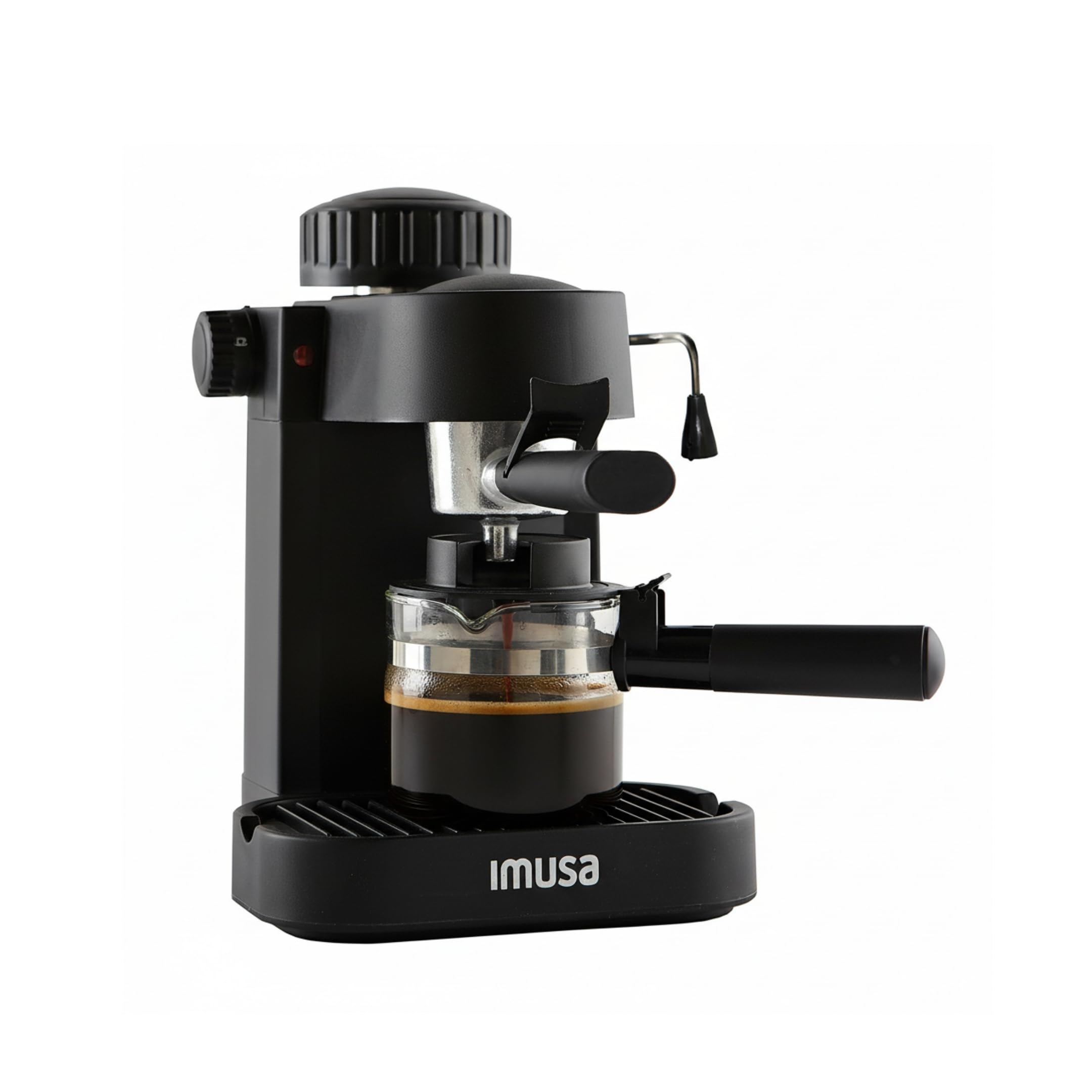
This espresso maker is a solid choice for those looking for a compact, easy-to-use machine that delivers consistent espresso and cappuccino at home.
Pros
- Simple operation with clear controls
- Comes with built-in milk frother for cappuccinos
- Compact size fits well in small kitchens
Cons
- Limited to 4 cups, not ideal for larger gatherings
- Manual frothing requires some practice for best results
- Tank size means frequent refilling for multiple drinks
We found the Imusa espresso machine straightforward to set up and operate from the first use. The black finish looks classic and sits neatly on the countertop without taking up much space.
The taste of the espresso is reliable, delivering adequate crema with a good grind. Frothing milk can take a few tries to get just right, but once you get used to it, cappuccinos turn out well.
Cleaning is manageable since the tank and filter are removable. For anyone seeking a budget-friendly, compact espresso maker that covers basics, this model performs consistently with a user-friendly feel.
Philips Baristina Espresso Machine

This machine is a solid choice if you want straightforward, fresh espresso with minimal fuss and a compact footprint.
Pros
- Simple operation with automatic grinding and tamping
- Compact design fits easily on most kitchen counters
- Consistent espresso with good crema and smooth foam
Cons
- Limited control over grind size and customization
- Milk frother isn’t steam-based, which some might find less versatile
- Coffee strength options are basic compared to higher-end models
We found the Philips Baristina easy to use right away. Just add beans and water, swipe the handle, and it delivers espresso quickly. The 16-bar pressure makes extraction reliable, producing a rich and clean cup every time.
Its small size was a benefit for us, fitting comfortably without dominating the counter. The automatic grinder and tamping handle took away a lot of guesswork, perfect for those who want good coffee without many settings to adjust.
Though it lacks some of the granular control more advanced users expect, the quality of the espresso is consistent. The milk frothing system is manual but produces smooth foam, although it doesn’t heat as intensely as traditional steam frothers. Overall, it’s a strong contender for anyone prioritizing ease and space.
Philips 1200 Series Espresso Machine

This machine offers a reliable and simple way to enjoy fresh espresso and milk-based drinks with minimal hassle.
Pros
- Consistent coffee flavor thanks to precise temperature and pressure control
- Easy to use touch interface for quick drink selection
- Simple maintenance with removable brew group and AquaClean filter
Cons
- Basic milk frother requires practice for froth control
- Grinder adjustment is limited compared to high-end models
- Larger footprint may take up counter space
We found the Philips 1200 Series easy to integrate into daily routines. The ceramic grinder does a solid job of delivering consistent grinds, which made a noticeable difference in flavor.
The intuitive touch display streamlines drink making, especially if you’re switching between espresso and coffee. Milk frothing works well for cappuccinos and lattes, though it takes some trial to get the milk texture just right.
Maintenance is straightforward. Removing the brew group for rinsing felt more convenient than expected. The AquaClean filter’s long life means fewer descaling interruptions, which is a practical feature for busy users.
HiBREW Espresso Machine
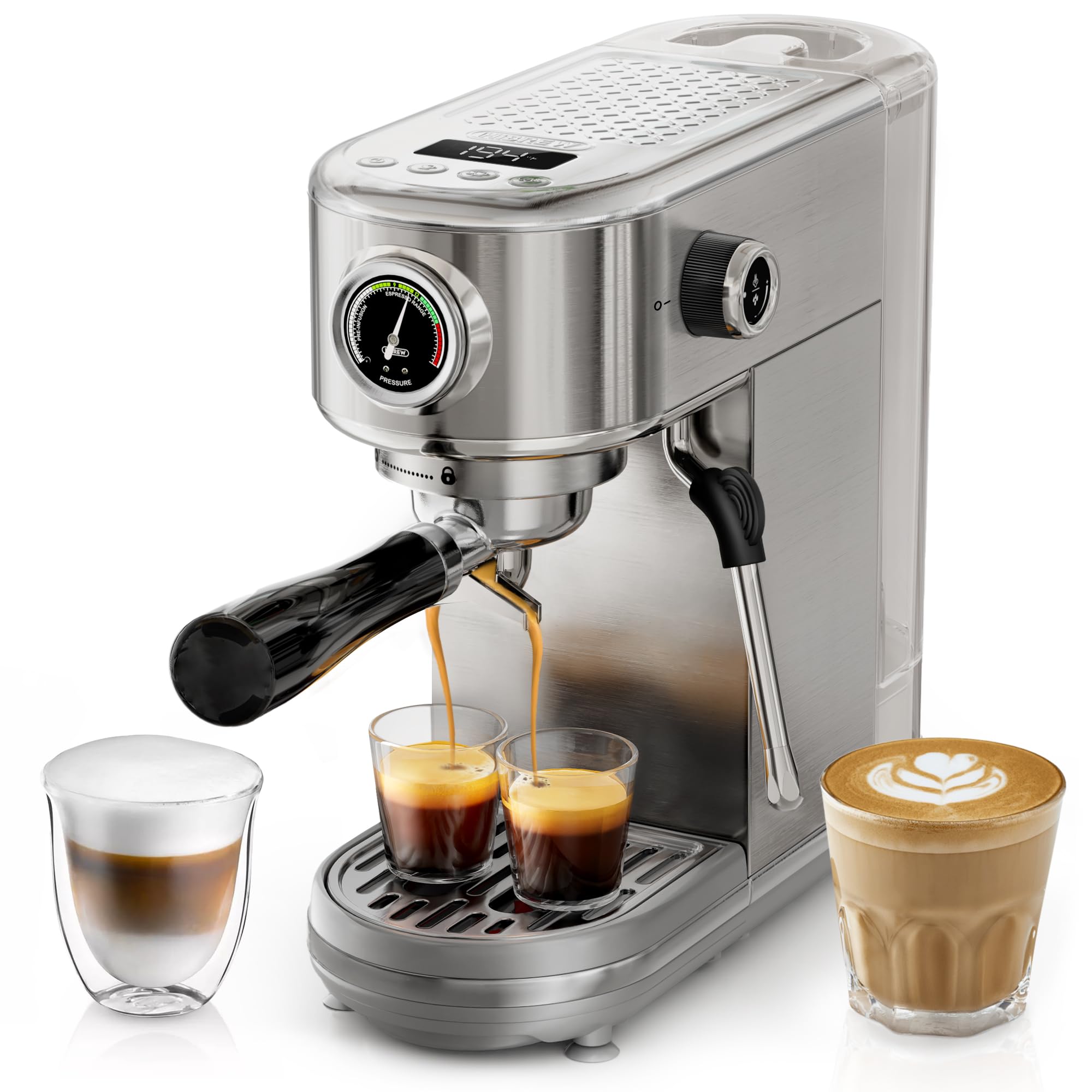
We recommend the HiBREW for those who want solid espresso customization in a compact, reliable machine without overspending.
Pros
- Precise temperature and volume controls
- Durable stainless steel body resists fingerprints
- Powerful 20Bar pressure for quality extraction
Cons
- Steam wand can struggle with consistent frothing
- Small footprint limits water tank size
- Requires pulling shots before steaming to avoid overheating
After using the HiBREW machine, we noticed the customization options really stand out. Being able to tweak brew temperature and shot volume lets us dial in the flavor to match various beans expertly.
The build quality feels sturdy, and the stainless steel housing cleans up easily and doesn’t show marks. It sits solidly on the counter thanks to suction cups on the base, which we found helpful for stability.
The steam wand produces creamy microfoam when used carefully, though it takes a bit of practice to get consistent results every time. Also, pulling espresso shots before frothing is key to preventing the machine from activating a safety cooldown mode. Overall, HiBREW offers excellent value with features often found on pricier models.
CASABREWS CM5418 Espresso Machine
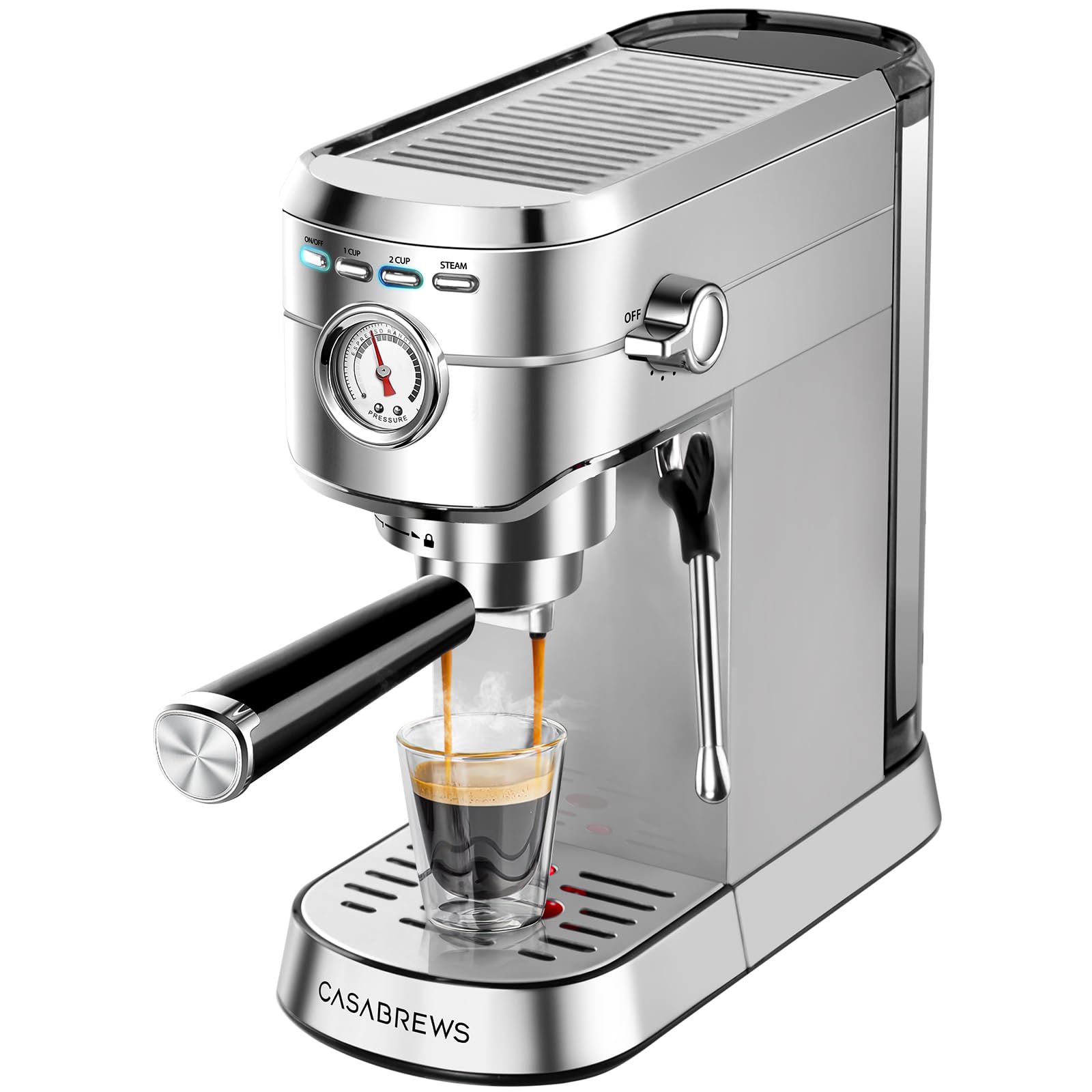
This compact espresso machine offers solid espresso and milk frothing performance, making it a reliable choice for home or office use.
Pros
- Consistently delivers rich espresso with a nice crema
- Powerful steam wand creates creamy milk froth suitable for latte art
- Stylish stainless steel design fits well in small kitchens or offices
Cons
- Needs cool-down time after frothing to avoid overheating
- Hot water function can be slow to dispense
- Portafilter is pressurized, limiting grind experimentation
We appreciate how this Casabrews machine handles espresso extraction with its 20 bar pressure system. It reliably produces aromatic shots that come close to café quality. The removable 34oz water tank is convenient for multiple brews without constant refilling.
The steam wand stands out for milk texture. It creates smooth microfoam ideal for cappuccinos and lattes, though we found it necessary to pause after frothing to prevent the machine from entering overheat mode. The included guide and instructional videos offer helpful tips.
The build quality feels good with its brushed stainless steel finish and compact footprint. It suits smaller spaces and doesn’t overwhelm with complicated controls. While the hot water flow is somewhat slow, the overall experience is enjoyable for daily use. For a semi-automatic espresso maker, it balances performance and ease well.
Cuisinart Grind & Brew Single-Serve

This machine works well for anyone wanting freshly ground coffee in a single cup with easy customization.
Pros
- Fresh grinding preserves strong coffee flavor
- Multiple cup sizes for personalized servings
- Compact design fits well in small kitchens
Cons
- Grinder can leave small messes on the countertop
- Brewing speed is slower compared to pod-only machines
- Water reservoir lid may feel flimsy
We found the conical burr grinder really delivered a noticeable flavor boost compared to pre-ground coffee. Grinding directly into the reusable filter keeps it fresh, which makes mornings better. The three different cup sizes were convenient, letting us pick the perfect amount without wasting coffee.
It’s a well-built, compact unit that doesn’t take up much counter space. The removable water tank made refills simple, though the lid could be sturdier. Cleaning required extra care because some grounds escaped during grinding, which was a minor annoyance.
Overall, this Cuisinart model balances bean grinding and brewing into one easy step. It’s handy for single servings and adaptable to pods, but it can be a bit slower and messier than machines focused only on one function. For those prioritizing fresh grind and brew in one unit, it’s a solid option.
Breville Barista Express

A reliable choice for anyone wanting hands-on control over grind and espresso quality with a built-in grinder in one solid machine.
Pros
- Fresh grind dosing control directly into the portafilter
- Precise temperature and pressure settings for balanced extraction
- Manual steam wand for textured milk and latte art
Cons
- Takes some practice to perfect shots and milk texturing
- Larger footprint may require ample counter space
- Learning curve for fully using all features
We enjoyed how the integrated burr grinder delivers freshly ground beans just before brewing, which noticeably improved our espresso’s aroma and flavor. Adjusting grind size and dose gave us a lot of flexibility to match different bean types.
The manual steam wand means we must invest time learning consistency, but it allows craft-level microfoam for cappuccinos and lattes. The machine heats quickly and maintains solid temperature control, so shots come out remarkably balanced.
Building the espresso from grinding to extraction in under a minute felt efficient. While setup and cleanup require some attention, the performance rewarded the effort with café-quality drinks right at home. For those looking to develop barista skills, this machine suits the task well.
Philips 3300 Series LatteGo

This machine is a solid choice for those wanting straightforward customization and easy milk frothing without fuss.
Pros
- Very quiet operation compared to similar models
- Simple, fast-to-clean LatteGo milk system
- Offers a wide range of preset hot and iced beverages
Cons
- Grinder can be a bit noisy during use
- Takes up considerable counter space
- Water and energy use improve with more frequent filter changes
Using this machine, we noticed how the silent brewing makes early mornings less disruptive. The touchscreen is intuitive, letting us adjust strength and temperature effortlessly.
The LatteGo system impresses with silky, smooth milk and practically no cleanup hassle, rinsing out in seconds. It handles espresso shots and milk drinks consistently well.
On the downside, it feels bulky on smaller counters, and the occasional grinding noise stands out. Also, the water filter needs regular attention for the best performance and longevity. Overall, the Philips 3300 balances convenience and quality effectively.
Ninja Luxe Café
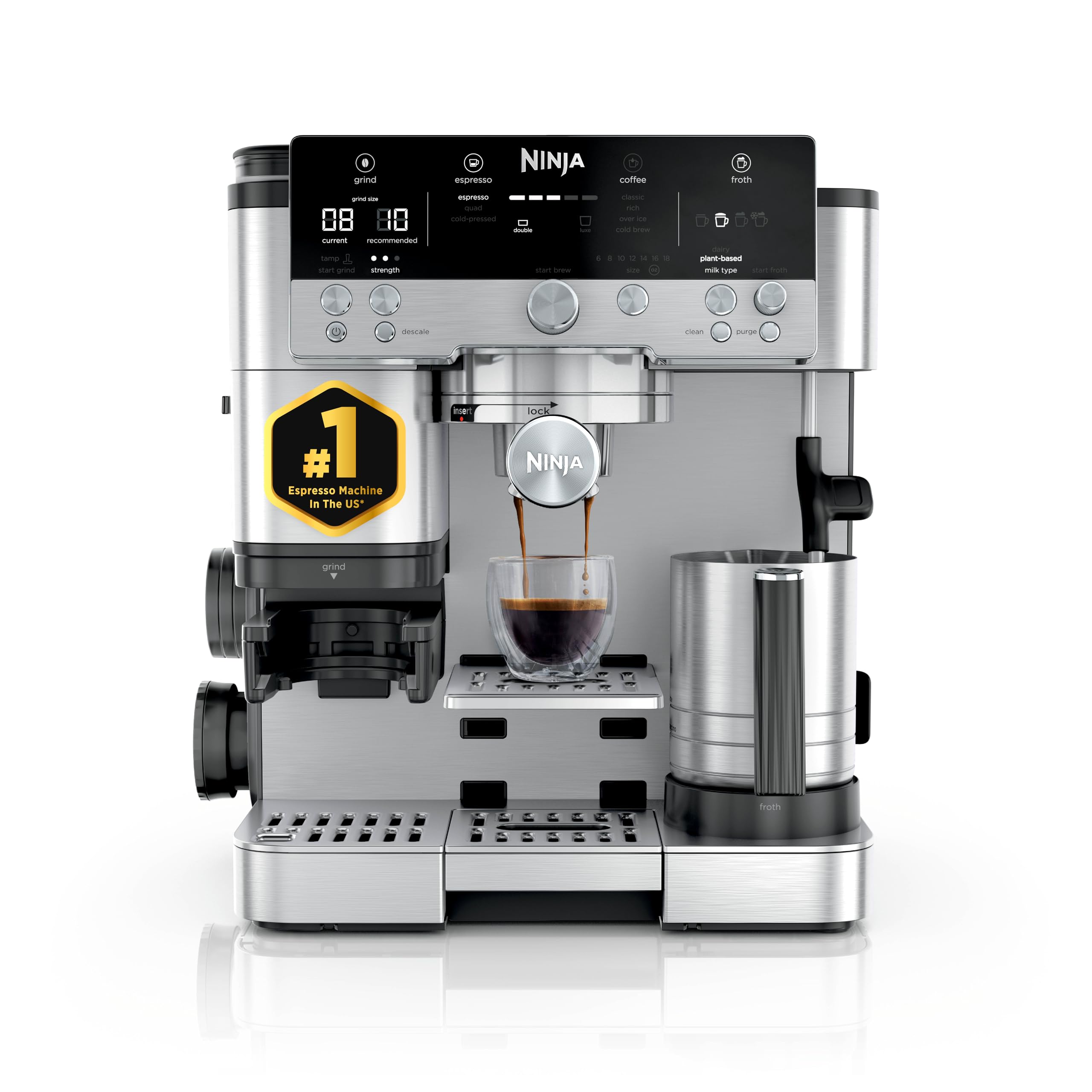
The Ninja Luxe Café offers an impressive all-in-one setup that simplifies espresso making without sacrificing quality or flexibility.
Pros
- Multi-function 3-in-1 machine for espresso, drip coffee, and cold brew
- Guided brewing with smart adjustments for grind size, dose, and temperature
- Hands-free dual frother delivers consistent microfoam for various milk types
Cons
- Learning curve to master all features and drink styles
- Larger footprint takes up significant counter space
- Pricier than single-function espresso machines
We found the Ninja Luxe Café to be a versatile choice that covers all foundational coffee needs without complicated settings. The Barista Assist Technology truly takes the guesswork out of dialing in grind and dose, which helped us get good shots quickly even as beginners.
The integrated grinder’s 25 settings proved useful when switching between espresso and drip grind sizes. The automatic tamper and puck preparation felt like a professional touch that minimized mess and uneven extraction.
Its dual froth system performed reliably with both dairy and plant-based milk, steaming and frothing silently and hands-free. While it occupies more space than a basic espresso machine, this tradeoff came with convenience and a wide range of drinks from one device. Overall, it’s a solid pick for those who want café-style drinks with minimal hassle.
Aikami 4-in-1 Coffee Maker

This versatile machine delivers a solid brew with useful features, though some minor issues affect its overall convenience.
Pros
- Built-in grinder and milk frother simplify coffee making
- Supports both ground coffee and K-cup pods
- Multiple brew sizes and large removable water tank
Cons
- Milk frother can be tricky to operate effectively
- Splash guard is missing, making pours messier
- Some parts like water tank cover may feel less durable
We liked how quickly the coffee heats and brews, especially enjoying the fresh grind option for better flavor. The ability to switch between ground coffee and pods gives good flexibility that suits different preferences.
The milk frother creates a nice foam when it works, but it took us a few tries to get the right settings. For daily casual use, it’s a convenient addition, though beginners might want more guidance.
Cleaning is straightforward thanks to the self-clean function, and the auto shut-off adds peace of mind. Its size fits well on our countertop without taking too much space.
This machine is a practical choice if you want an all-in-one that covers basic espresso and milk-based drinks without complicated settings.
Buying Guide
When choosing a bean to cup espresso machine, we first consider grind settings. Machines with adjustable grind size let us tailor the coffee strength and flavor.
Next, we look at the brew temperature control. Consistent temperature ensures balanced extraction and better taste. Some machines offer customizable settings for this.
Ease of cleaning is essential. Machines with removable brew groups and cleaning alerts help us maintain hygiene without hassle.
We often check the milk frothing system type. Automatic steam wands or integrated milk frothers can affect the texture and quality of our cappuccinos and lattes.
Capacity and size matter depending on how much coffee we usually make. Larger water tanks and bean hoppers reduce the frequency of refills.
| Feature | Why It Matters | What to Look For |
|---|---|---|
| Grind Settings | Customize flavor and strength | Multiple grind options available |
| Temperature Control | Ensures consistent coffee taste | Adjustable settings preferable |
| Cleaning Ease | Keeps machine hygienic | Removable parts, automatic alerts |
| Milk Frothing System | Quality of frothed milk | Automatic or manual frothers |
| Capacity | Convenience for frequent use | Large reservoirs and hoppers |
Lastly, consider the user interface. Intuitive controls or touchscreens make it easier for us to customize drinks quickly.
FAQS
We often get questions about bean to cup espresso machines. Here are the most common ones with clear answers.
Q: How easy are bean to cup machines to clean?
Most models have built-in cleaning programs. Regular maintenance involves rinsing the brew group and emptying the drip tray.
Q: Can we use any coffee beans?
Yes, but medium roast beans usually work best. Avoid oily or flavored beans as they can clog the grinder.
Q: How long does it take to make a cup?
Typically, 30 to 60 seconds from grinding to brewing. Some machines allow customizing grind size and brew strength.
Q: Are bean to cup machines noisy?
Grinding creates noise, but modern models are quieter than basic grinders. Noise varies by brand and model.
| Feature | Expectation | Notes |
|---|---|---|
| Cleaning | Easy to moderate | Automatic cleaning in many units |
| Bean Compatibility | Most beans fit | Avoid oily/flavored coffees |
| Brew Time | 30–60 seconds | Settings affect speed |
| Noise Level | Moderate | Grinding is the main noise source |
We recommend checking the manual for specific machine details before buying. This ensures the machine fits well with your routine.
Conclusion
We have explored various bean to cup espresso machines that offer convenience and quality. These machines bring freshly ground beans and consistent extraction into one easy process.
Choosing the right machine depends on factors like budget, space, and personal taste preferences. Some models prioritize programmable options, while others focus on simplicity and speed.
Key points to consider:
- Grinder quality and adjustability
- Ease of cleaning and maintenance
- Customizable brew strength and temperature
- Machine size and build quality
Investing in a machine that matches our daily coffee habits ensures better satisfaction. Using whole beans also contributes to fresher taste compared to pre-ground coffee.
In the end, using a bean to cup espresso machine can improve our coffee routine with minimal effort. It combines grinding, brewing, and milk frothing in one appliance, making it practical for many households.
We recommend reviewing features carefully based on your specific needs. Testing different models or reading user feedback can help us make an informed choice.
