


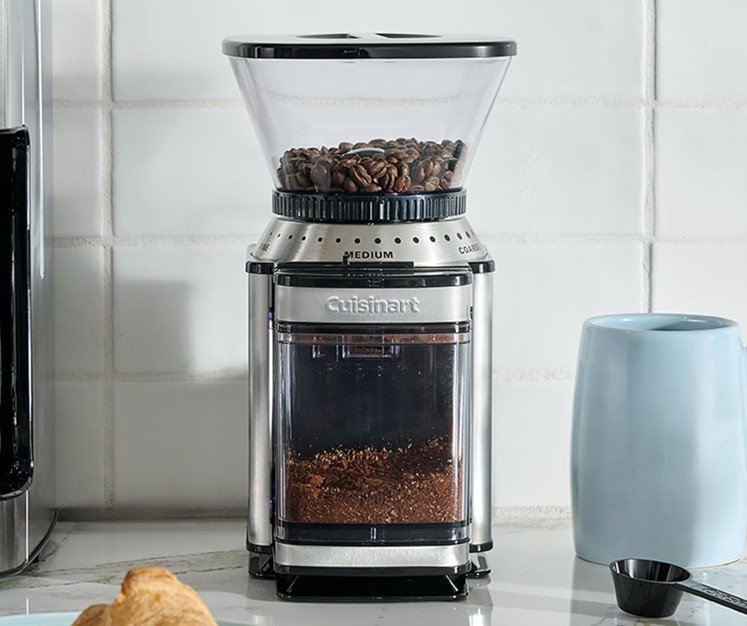
Grinding coffee beans fresh is key to making good espresso. A coffee grinder allows you to control how fine or coarse the beans are ground, which affects the taste and texture of your espresso. Since espresso requires a very fine grind, choosing the right grinder is important to get consistent results.
Coffee grinders come in many types, but for espresso, burr grinders are usually best. They crush the beans between two abrasive surfaces, creating uniform grounds without heating the beans. Blade grinders are cheaper but less precise, which can lead to uneven extraction and a weaker shot.
When picking the best coffee bean grinder for espresso, pay attention to grind consistency, adjustability, and build quality. A good grinder should offer several fine grind settings and be easy to adjust. Durability and ease of cleaning also matter because you’ll use it often. We tested several grinders to find the ones that deliver steady, fine grounds ideal for espresso brewing.
Top 3 Coffee Beans: Comparison
We looked at three popular coffee beans for espresso: Lavazza Super Crema, Stumptown Hair Bender, and Illy Classico. Each offers something different for espresso lovers.
Lavazza Super Crema is a smooth blend with a mild flavor and light notes of honey and almonds. It works well for those who want a balanced cup without too much bitterness.
Stumptown Hair Bender is bold and complex. It has chocolate and cherry flavors and a stronger taste. This bean suits us if we prefer a richer espresso with some fruitiness.
Illy Classico is known for its consistent quality. The flavor is smooth and slightly sweet, with hints of caramel. It suits a clean, classic espresso taste.
| Bean | Flavor Notes | Strength | Best For |
|---|---|---|---|
| Lavazza Super Crema | Honey, almond | Mild | Balanced espresso |
| Stumptown Hair Bender | Chocolate, cherry | Bold | Rich and fruity cup |
| Illy Classico | Caramel, smooth | Medium | Classic espresso lovers |
We recommend trying beans based on the flavor you want. Each of these works well with a good grinder for espresso.
Best Coffee Bean Grinders for Espresso
We have reviewed many coffee grinders to find the best ones for espresso. Our list includes grinders that deliver consistent grind size and are easy to use. These options will help you make great espresso at home.
Shardor Coffee Grinder
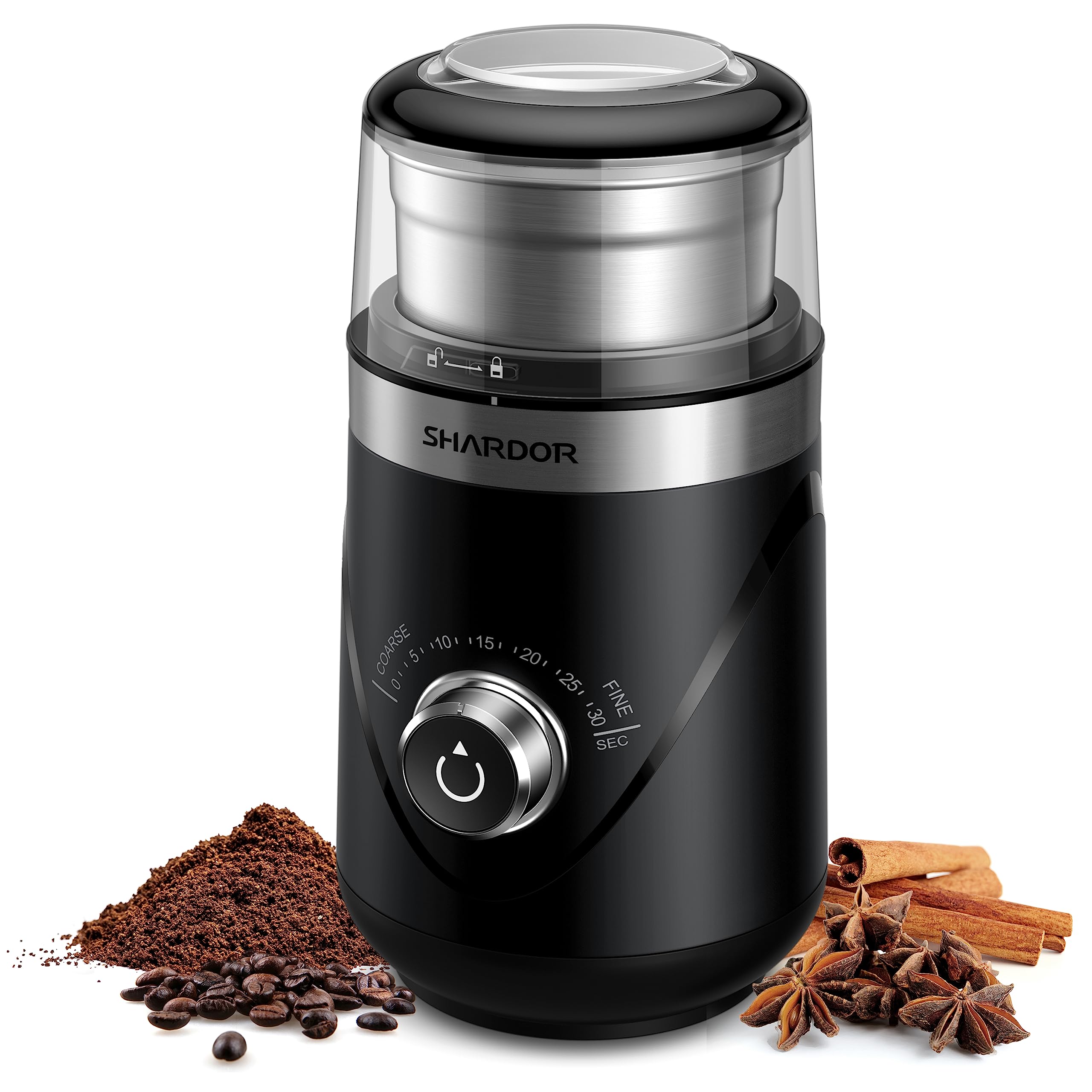
We recommend the Shardor grinder for its quiet operation and easy adjustment from coarse to fine grind, making it a solid choice for espresso lovers.
Pros
- Very quiet compared to other grinders
- Adjustable grind time for precision
- Removable cup for easy cleaning
Cons
- Blade grinder, not burr (less consistent grind)
- Powder can get stuck under the blades
- Limited capacity for larger batches
Using this grinder, we noticed how easy it is to set grind time using the dial. It helped us get a grind fine enough for espresso without guessing. The quiet motor meant we didn’t wake others when making coffee early.
The removable stainless steel bowl made cleanup fast, which we appreciated. Grinding spices besides coffee was a nice bonus for those who want a multi-use tool.
The blade design chops beans quickly but can produce uneven grounds sometimes. For espresso, consistency matters, so it’s best for casual use or those new to grinding their own beans. Overall, it balances price and ease nicely.
Cuisinart Burr Coffee Grinder
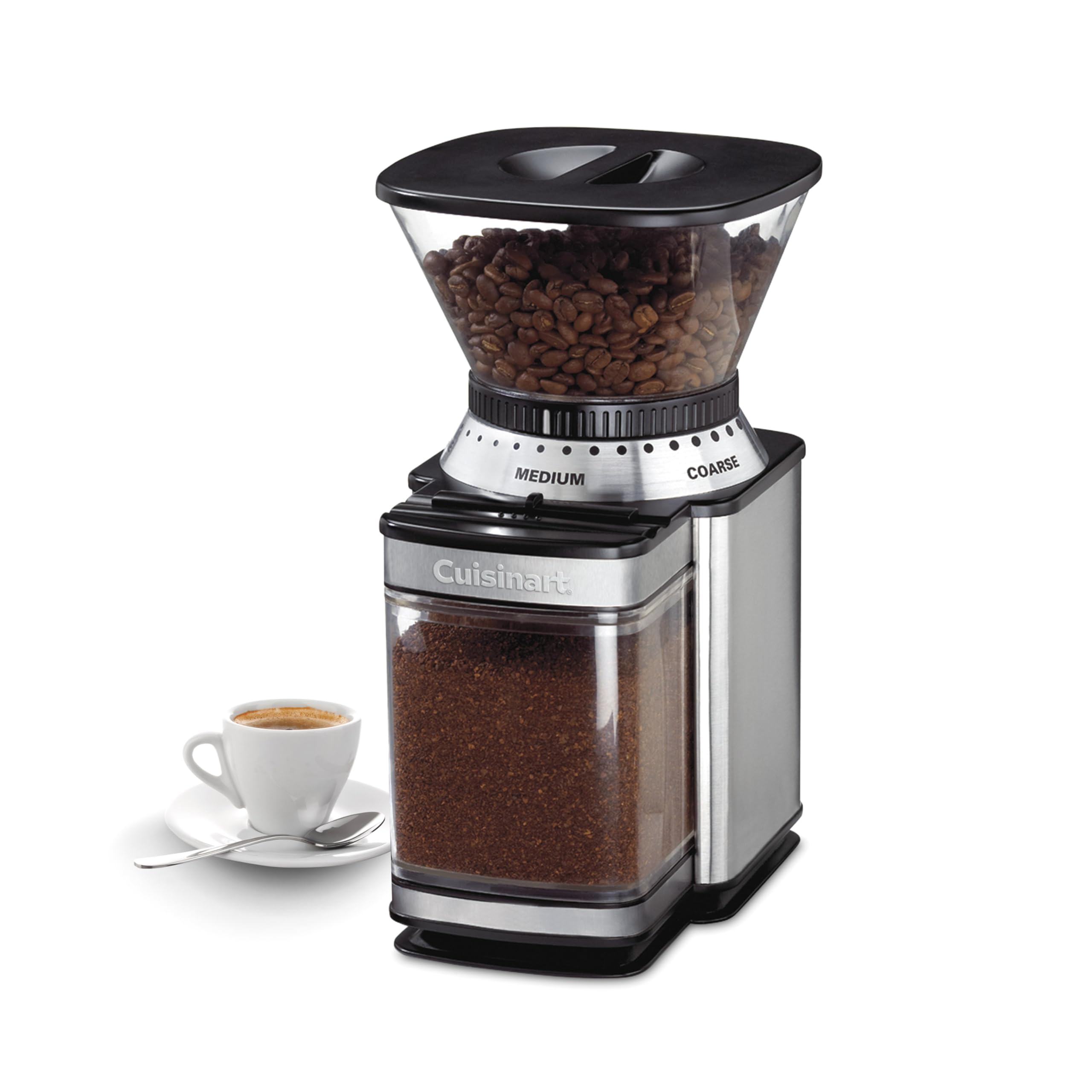
This grinder works well for those who want a simple way to get consistent espresso grounds without fuss.
Pros
- Easy to set grind size with 18 different levels
- Can grind enough coffee for multiple cups at once
- Removable parts make cleaning straightforward
Cons
- Grinder noise is a bit loud, not ideal early mornings
- Some users report the electronics may fail after a few years
- Bulkier design takes up counter space
We found the 18 grind settings helpful for dialing in a good espresso grind. It felt reliable in producing a uniform texture, which really matters for espresso extraction.
The removable grind chamber and hopper make it easier to clean than many grinders at this price point. This helps keep the taste fresh and the machine running smoothly over time.
While it’s not quiet, the noise is typical for burr grinders in this range. We would prefer a quieter motor, but it’s minor if you don’t mind a bit of sound. Overall, this is a solid choice for home espresso lovers who want convenience and consistent results.
Breville Smart Grinder Pro

The Breville Smart Grinder Pro offers a precise and customizable grind, making it a strong choice for anyone serious about espresso at home.
Pros
- Wide range of grind settings for precise control
- Grinds directly into portafilter or container
- Clear, easy-to-use LCD display
Cons
- Can feel a bit slow on finer settings
- Some users report occasional motor stalling
- Cleaning takes some time due to parts
We found the 60 unique grind settings very useful. It lets us dial in the exact coarseness needed for espresso or other brewing methods. The digital timer adjustments help us control dose perfectly in small increments.
The ability to grind straight into a portafilter is a real convenience. It saves time and cuts down on mess. The LCD is clear and helps track grind size and grind time without guesswork.
Though overall reliable, it did slow on the finest espresso settings sometimes. Also, we noticed that cleaning the grinder thoroughly takes patience because of the number of parts involved. Still, this grinder fits well with an espresso routine and gives us steady results.
Shardor Espresso Grinder

This grinder offers precise control and a clean grind, making it a solid choice for espresso lovers who want consistency.
Pros
- Easy to use touchscreen timer
- Wide range of grind settings for any brew style
- Anti-static system reduces mess
Cons
- Removable container can shift during grinding
- Takes up a bit more counter space
- Some initial cleaning needed
We found the Shardor grinder very simple to operate thanks to its clear LCD touchscreen. The timer lets us set exact grind times to get a consistent dose for espresso every time.
The 48 grind settings cover everything from fine espresso grinds to coarse French press, giving us flexibility with different brewing methods. The low-speed burr keeps heat low, which helps preserve the coffee’s flavor.
One feature that stood out was the anti-static technology. It really cuts down on the stray grounds that usually stick around and make a mess. Though the removable grounds container sometimes moves a little while grinding, it’s overall a tidy and reliable machine.
This model fits well in a home setup and is quiet enough not to disrupt mornings. After a quick initial cleaning, it performed like a professional-level grinder behind the scenes.
OXO Brew Grinder
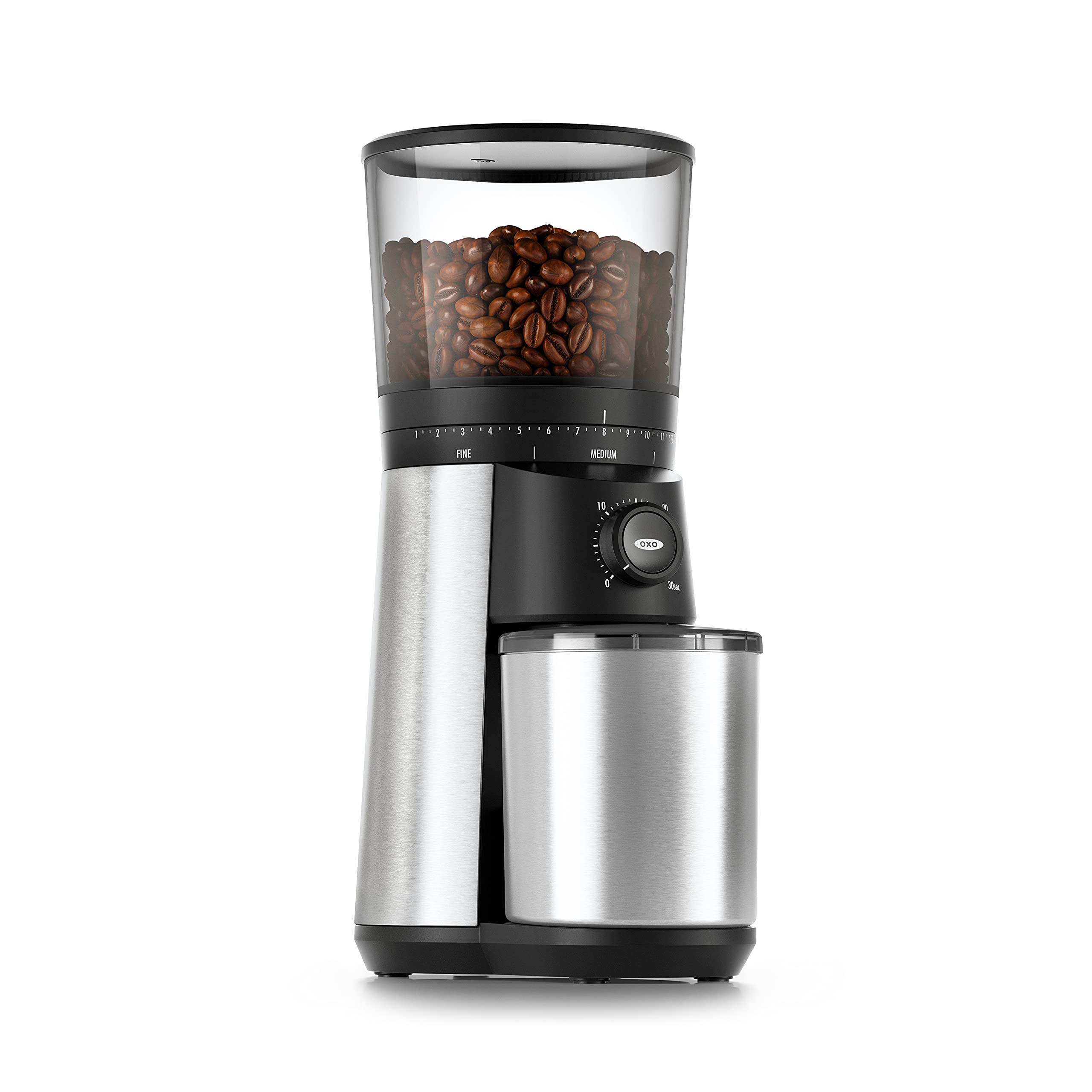
This grinder is a solid choice for anyone who wants a reliable, easy-to-use option for espresso and other brewing styles.
Pros
- Consistent, uniform grind for better flavor
- Simple one-touch operation with memory
- Large bean hopper helps keep beans fresh
Cons
- Grounds container can vibrate loose
- Takes up more counter space than expected
- No locking mechanism for grounds bin
Using the OXO Brew Grinder gave us a steady flow of fine grounds that really helped bring out espresso’s bold flavor. It’s clear the stainless steel burrs are designed to deliver precise results without much fuss.
We liked how easy it was to adjust the grind size with the dial and then just hit a button to start. The grinder remembers the last setting, which makes day-to-day use smoother.
The hopper’s size meant fewer refills and the UV protection felt like a thoughtful feature for keeping beans fresher. Still, the grounds bin not locking into place felt a bit shaky while grinding, which could be improved. Overall, this unit balances performance and ease well enough for home espresso lovers.
binROC Conical Burr Grinder
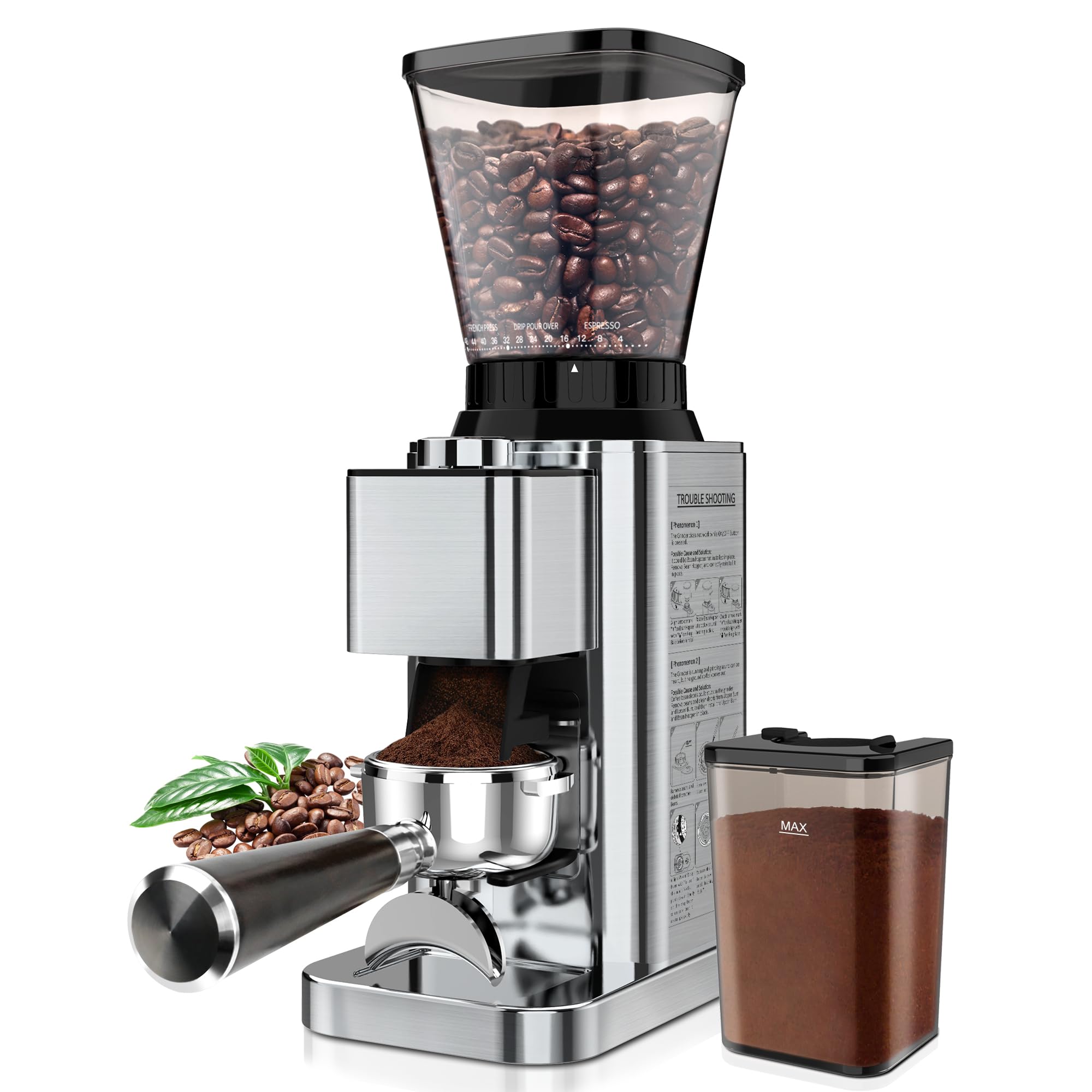
We recommend this grinder for those who want precise espresso grinding with easy cleanup and less mess.
Pros
- Uniform grind that protects coffee flavor
- Fits both 48mm and 51mm portafilters securely
- Anti-static design keeps the workspace clean
Cons
- Ground coffee can build up behind the funnel
- Portafilter not included in the package
- Some users find small grounds hard to scoop out
This binROC grinder impressed us with its consistent and even grind. The conical burr does a good job of keeping the coffee oils intact, which makes for a better espresso taste. We liked the variety of grind settings, which let us dial in the grind size just right.
It stands out because you can grind directly into the portafilter without any mess, thanks to the two holder sizes. We noticed the anti-static feature really cuts down on spilled grounds, which saves time cleaning up after grinding. The timer also helps us get exactly the amount we want every time.
Cleaning was easier than expected. The removable burr and chamber brush made keeping it clean quick and straightforward. The only hassle was some grounds collected in certain spots around the funnel, but it’s a small trade-off for a tidy overall experience.
AMZCHEF Coffee Grinder
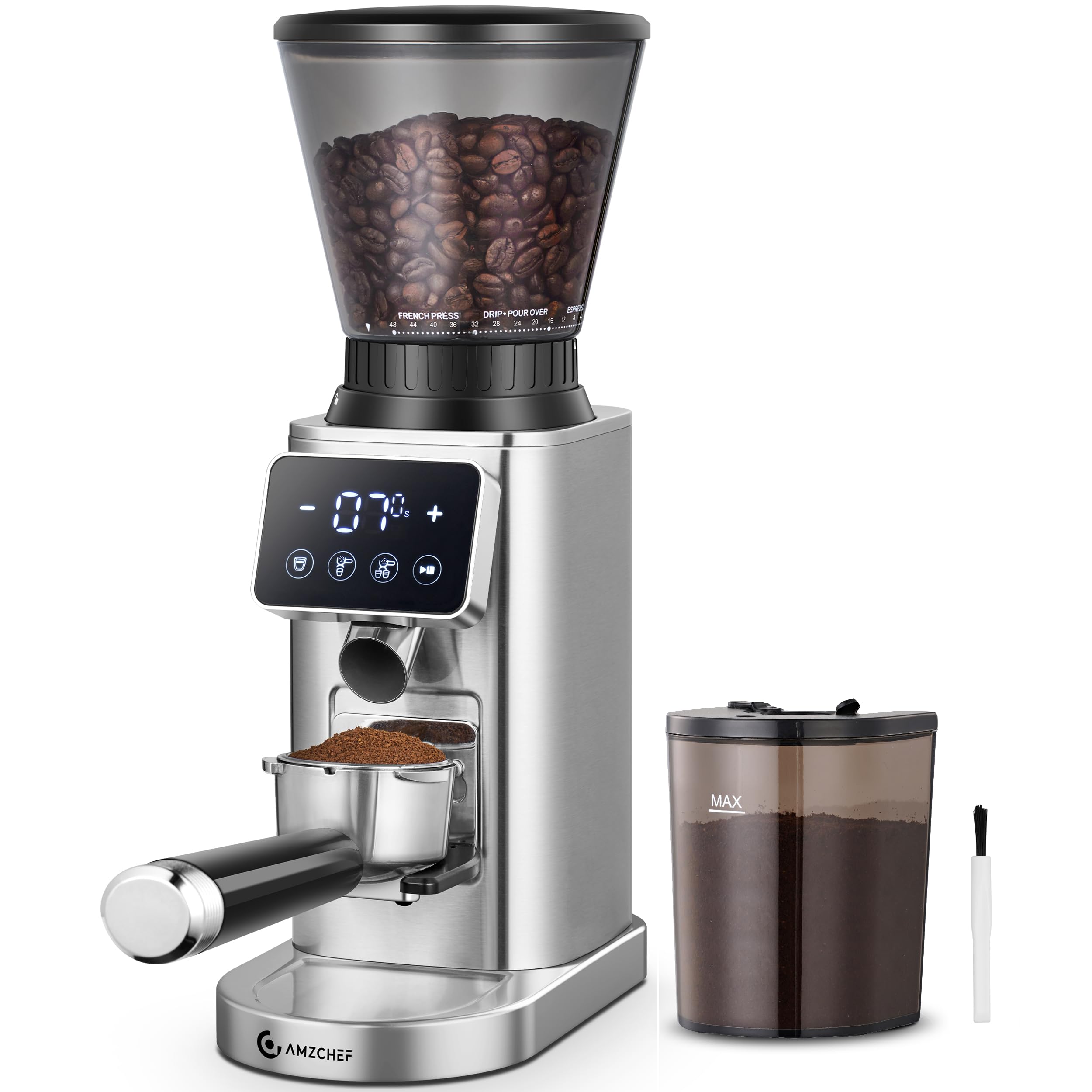
This grinder is a solid choice for anyone wanting precise control over espresso grind size with useful features for home use.
Pros
- Wide range of grind settings lets us finely tune for espresso or drip coffee
- LED touch panel makes it easy to use and adjust grind time
- Stable grinding thanks to low-speed conical burr and anti-static design
Cons
- Espresso grind can be too fine on first use, needing a few adjustments
- Slightly loud noise during operation
- No built-in weight measurement for dosing
We found the AMZCHEF grinder handles espresso beans very well. The 48 grind settings gave us good control to get the right fineness for a smooth shot. The included portafilter holder is handy, keeping the setup neat when grinding directly into the portafilter.
The digital display and touch controls simplified dosing by time or cup amount. Adjusting grind time in half-second steps helped us lock in consistent doses. The low-speed burr helped keep temperatures down, which seemed to preserve coffee flavors.
The grinder isn’t silent but the sound didn’t bother us. It took a small cleanup and initial adjustments to get the espresso grind perfect on the first try. Overall, it worked well for home use with good build quality and useful features for espresso lovers.
SHARDOR Burr Coffee Grinder
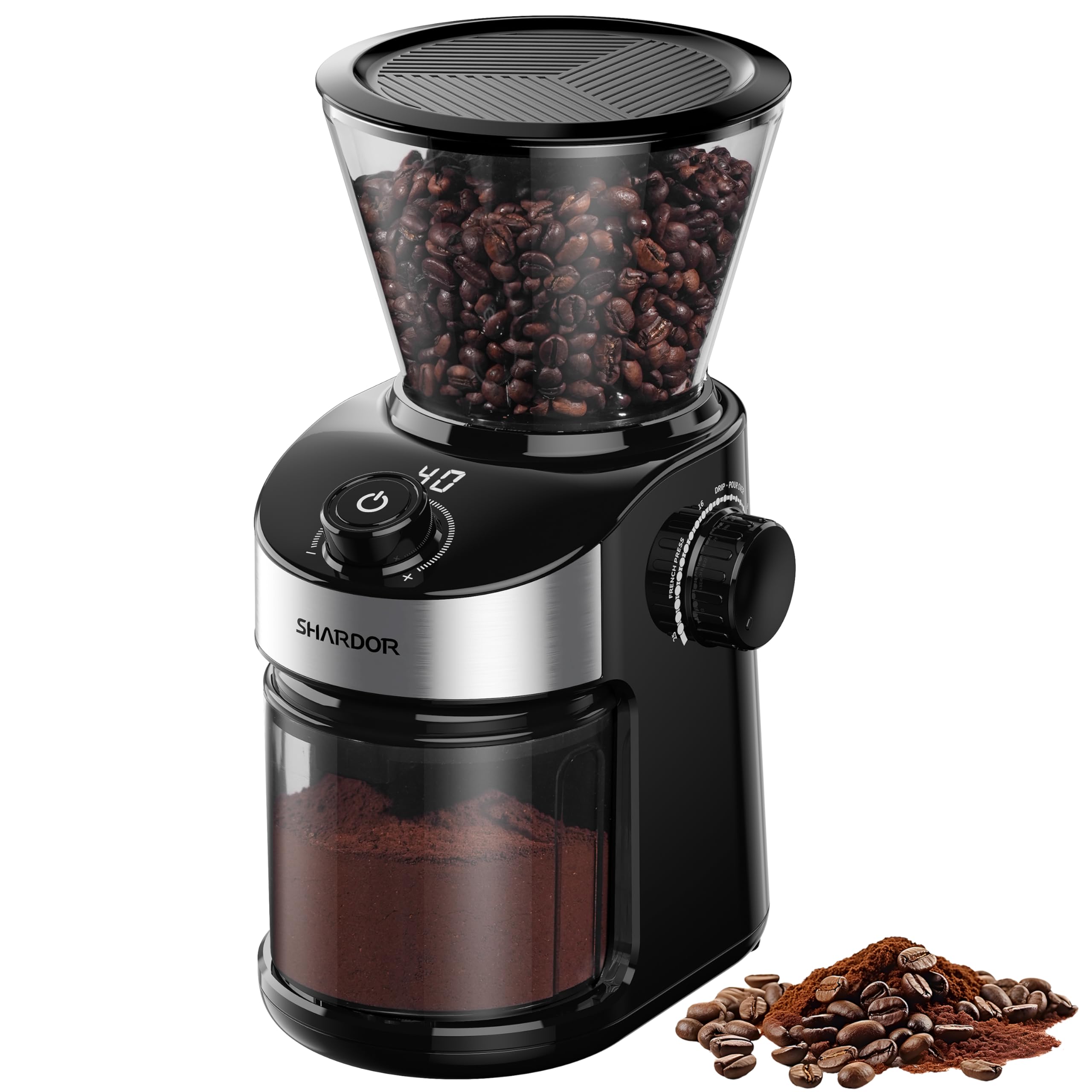
This grinder is a solid pick for anyone wanting precise control over espresso grind size without spending too much.
Pros
- 32 grind settings let us dial in just the right espresso texture.
- Uniform grounds from flat burrs keep flavor strong and consistent.
- Easy to clean with removable parts and a one-touch cleaning button.
Cons
- The compact size means a smaller bean hopper capacity.
- Some may find the plastic feels less sturdy over time.
- Timer can be tricky to set accurately at first.
When we used the SHARDOR grinder, the variety of grind options helped us get just the right finer grind for espresso. The flat burrs did a good job maintaining evenness, which we noticed improved extraction and flavor.
The adjustable timer lets us grind only what we need. The one-touch stop function adds convenience, cutting down on wasted grounds especially if you make multiple cups throughout the day.
Cleanup was easy since the burr and hopper come apart without tools. The included brush is a nice touch, making it simple to keep the grinder fresh and free of leftover grounds. Overall, it fits nicely on the countertop without taking much room.
Neretva Burr Grinder

This grinder offers precise control for espresso with settings that fit other brew styles, making it a solid choice for versatile home use.
Pros
- Very accurate grind size with 30 settings
- Quiet operation compared to other grinders
- Anti-static design keeps counters clean
Cons
- Not designed for Turkish coffee
- Portafilter not included
- Some users report early mechanical issues
We found the grind consistency impressive. The stainless steel conical burrs keep every grind uniform, which really impacts the espresso’s flavor.
The digital timer lets us adjust grind time in fine increments. This flexibility helped us get just the right dose for our portafilter, reducing wasted coffee.
The anti-static system works well. Grounds flow smoothly, and the mess around the grinder was minimal during our tests. It feels like a reliable tool for everyday use.
Shardor Espresso Grinder

This grinder is a solid choice for espresso lovers who want precise control and easy use without breaking the bank.
Pros
- Very precise grind settings, great for dialing in espresso
- Timer and touchscreen controls make dosing consistent
- Anti-static system reduces mess during grinding
Cons
- Takes some time to find the perfect grind at first
- A bit bulky compared to smaller grinders
- Slight learning curve with touchscreen controls
We found the Shardor grinder easy to operate once we got used to the touchscreen. The ability to adjust grind size finely is a big plus for espresso, allowing us to try different pulls without guessing.
Grinding straight into the portafilter saves us time and mess. The anti-static feature keeps the counter clean, which is a nice touch. The build feels sturdy and modern, fitting well in our kitchen.
At first, dialing in the grinder was a little tricky. It needed some trial and error before hitting the right grind size for our espresso. But once set, the consistent dose is very helpful for repeatable results.
Buying Guide
When choosing a coffee bean grinder for espresso, we need to focus on a few key features to get the best results. The grind size must be very consistent for espresso because it affects the flavor and extraction time. A good grinder lets us adjust the grind size precisely.
We should look at the grinder type. Burr grinders are better than blade grinders for espresso. Burr grinders crush beans evenly, which helps with a consistent taste. Blade grinders often produce uneven grounds that can make espresso bitter or weak.
Another important factor is grind settings. We want many settings so we can fine-tune the grind size. This control helps match the grind to our espresso machine.
We should also think about the grinder’s duty cycle. If we make espresso multiple times a day, a grinder with a strong motor and good cooling is better. It will last longer and work without overheating.
Noise level matters too, especially if we grind in the morning. Some grinders are quieter than others.
| Feature | Why It Matters | What To Look For |
|---|---|---|
| Grind Type | Consistency affects taste | Burr grinder over blade grinder |
| Grind Settings | Precision in grind size | Many fine adjustments |
| Motor Power | Durability and ability to grind fast | Strong motor with good cooling |
| Noise Level | Quiet grinding | Low decibel level |
We should also consider size and ease of cleaning. A grinder that’s easy to clean keeps coffee tasty without old grounds mixing in. Compact sizes fit better in small kitchens.
Editor’s Choice
For espresso lovers, choosing the right grinder is key. We picked the Baratza Sette 270Wi as our top choice. It offers fast grinding with precise control, which is important for espresso.
The Sette 270Wi uses a unique burr design that keeps beans cool and grinds evenly. It has 270 grind settings. This means you can find the perfect grind size every time.
We also like its built-in scale. It weighs the beans as you grind, so you get the right amount for your shot. This feature helps reduce waste and improves consistency.
Here’s a quick look at the main features:
| Feature | Detail |
|---|---|
| Burr Type | Conical stainless steel |
| Grind Settings | 270 steps |
| Built-in Scale | Yes |
| Speed | Fast (about 3-8 g/sec) |
| Price Range | Mid to high |
We believe this grinder suits both beginners and espresso pros. It balances quality, speed, and ease of use well. If you want reliable shots with good flavor, the Baratza Sette 270Wi is a strong choice.
FAQS
What type of grinder is best for espresso?
We recommend a burr grinder for espresso. Burr grinders give a consistent grind size, which is important for good espresso extraction. Blade grinders are not ideal because they create uneven particles.
How fine should espresso coffee be ground?
Espresso requires a very fine grind. It should feel almost like powdered sugar but not too fine to clog the machine. Adjusting the grind helps control the taste and flow rate.
Can I use the same grinder for espresso and other coffee types?
Yes, but it depends on the grinder. Some grinders offer multiple settings for different brew methods. If you plan to make espresso and other coffee styles, choose a grinder with adjustable grind size.
How often should we clean our grinder?
Cleaning should happen regularly. We suggest at least once a week if you use the grinder daily. This keeps old coffee oils from building up and affecting flavor.
| Question | Quick Answer |
|---|---|
| Burr or blade? | Burr grinder |
| Grind size for espresso? | Very fine |
| One grinder for all coffee? | Yes, if adjustable |
| Cleaning frequency? | Weekly or after heavy use |
Conclusion
Choosing the best coffee bean grinder for espresso depends on what matters most to us. Consistency in grind size is key for a good espresso. Burr grinders, especially flat or conical ones, usually give better results than blade grinders.
We also need to think about ease of use and cleaning. Some grinders require more effort to clean, which can affect our daily routine. A grinder with simple settings helps us make espresso quickly and without mistakes.
Price is another important factor. We can find grinders that fit different budgets, but investing a bit more often means better quality and longer life. It’s smart to balance cost with the features we need.
Here is a quick comparison of what to look for:
| Feature | What We Want |
|---|---|
| Grind Consistency | Fine and uniform particles |
| Ease of Use | Simple settings and quick adjustment |
| Cleaning | Easy to disassemble and clean |
| Price | Good value for quality |
Keeping these points in mind helps us pick the right grinder. This improves our espresso shot quality and makes our coffee routine better every day.
