


Pressure cookers are handy kitchen tools that cook food quickly by building up steam pressure. They are popular for making soups, stews, and tougher cuts of meat tender in less time. Beyond cooking, many pressure cookers are designed to safely preserve food by canning, especially meat, which needs careful processing to avoid spoilage.
Canning meat with a pressure cooker requires a model that can reach and maintain a specific pressure level, usually 10 to 15 psi. This is important to kill harmful bacteria like botulism safely. Not all pressure cookers are made for canning; some lack necessary features like a reliable pressure gauge or a sturdy sealing ring.
When choosing the best pressure cooker for canning meat, pay close attention to its pressure settings, build quality, and size. A pressure cooker that holds at least 16 quarts is usually best for canning larger batches of meat. Durability and safety features like a pressure release valve are also critical to ensure safe and consistent results. I tested several pressure cookers to find the ones best suited for home meat canning needs.
Best Pressure Cookers for Canning Meat
I have tested several pressure cookers that work well for canning meat safely and efficiently. The models in this list offer good pressure control and enough space to handle large jars. These pressure cookers will help you preserve meat with confidence.
T-fal 22 Quart Pressure Canner
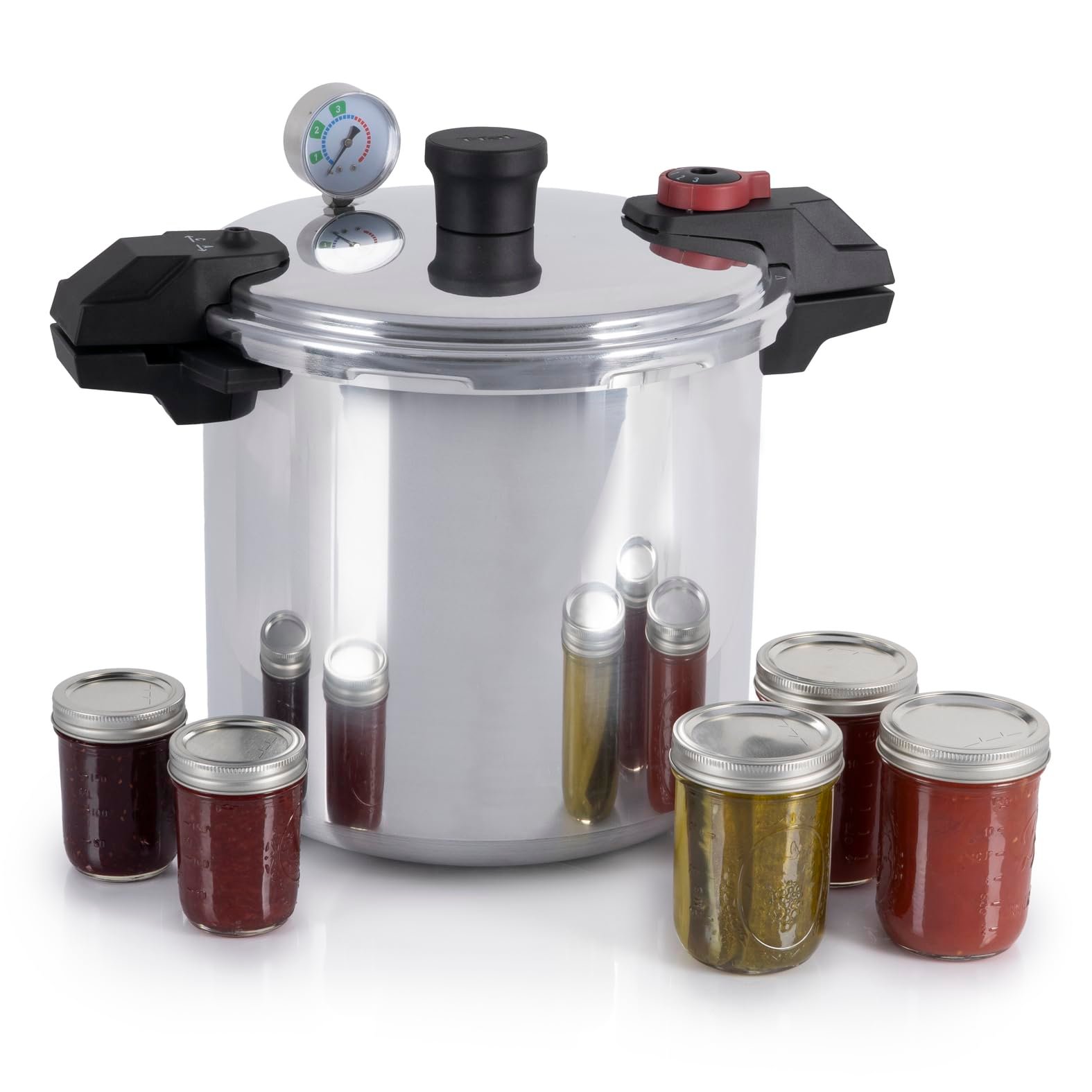
I found this pressure canner very reliable for canning meat and large batches, thanks to its size and solid build.
Pros
- Big capacity lets me can many jars at once
- Heavy aluminum heats evenly and fast
- Safety features make me feel secure when cooking
Cons
- Pressure gauge isn’t very precise
- Manual is small and could be clearer
- Not dishwasher safe, needs hand washing
The 22-quart size is perfect when I want to preserve big amounts of meat or stew without running multiple batches. It fits a lot of jars, and the two racks really help organize everything during canning.
Heating is quick and even because of the thick aluminum. I noticed my food cooks faster compared to my old canner. The locking lid and steam release valve work well to keep pressure steady and safe while in use.
I did wish the pressure gauge was easier to read and more accurate, and cleaning takes time since it isn’t dishwasher safe. Still, it’s a solid choice if you want a durable and efficient canner that handles large loads without fuss.
Presto 23-Quart Pressure Canner and Cooker
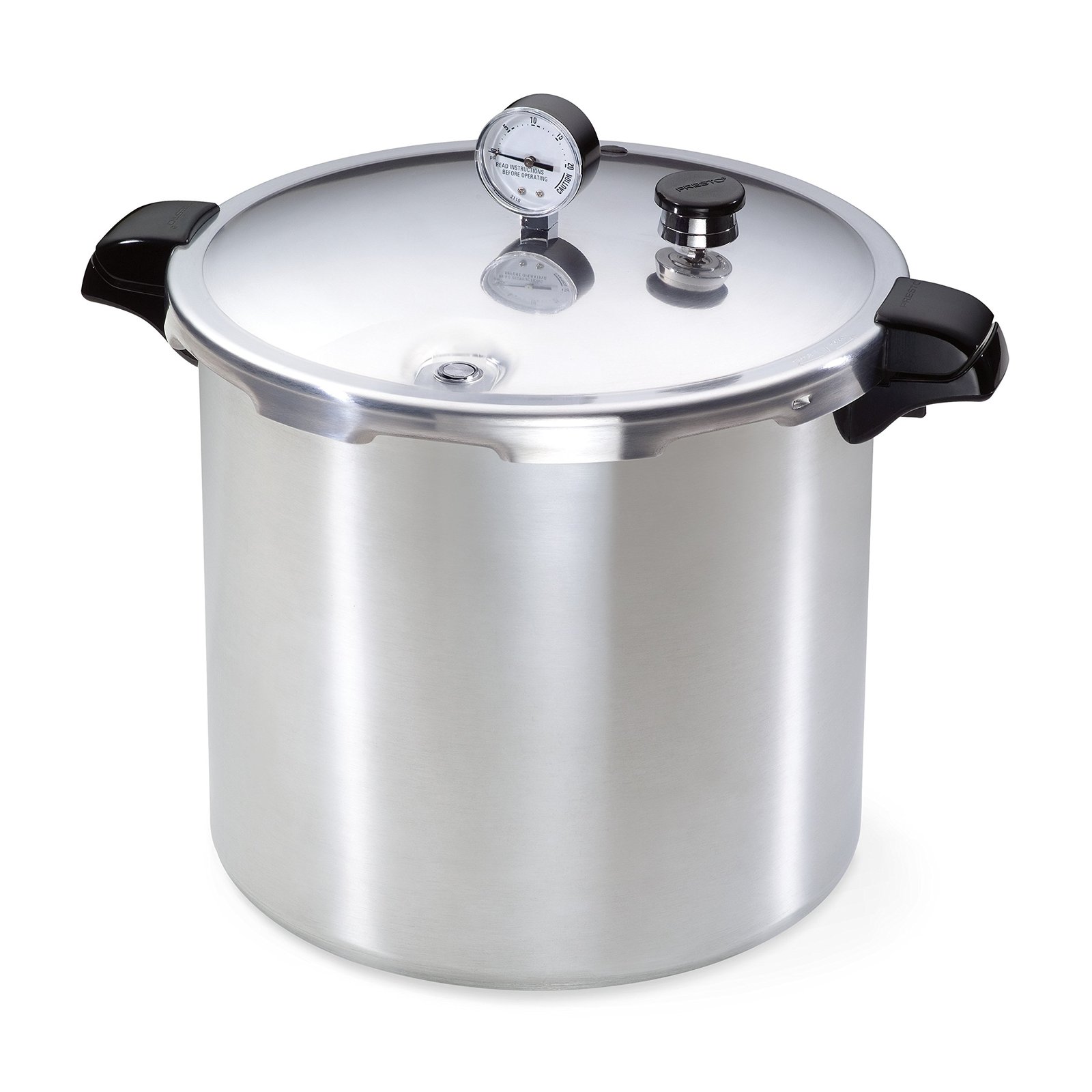
This canner combines safe meat canning with large capacity and solid build, making it a reliable choice for home canners.
Pros
- Large size handles big batches of meat or vegetables easily
- Clear pressure gauge helps maintain safe canning pressure
- Heavy-duty aluminum heats evenly and cooks food well
Cons
- The lid and gauge need careful cleaning and handling
- Only one pressure weight included, limiting pressure options
- Aluminum body can discolor over time without proper care
I’ve used the Presto 23-quart for several canning seasons and found its size very helpful for preserving bulky cuts of meat. It holds heat consistently and the pressure gauge makes it simple to keep the right pressure, which feels reassuring while canning low-acid foods.
The locking lid is sturdy and the air vent system keeps the process safe by only sealing when it’s properly closed. It’s also handy as a big pressure cooker, cutting meat cooking time greatly compared to other methods.
Cleaning requires some attention—you have to remove the sealing ring to wash the lid and watch the gauge since it’s delicate. If you keep up with maintenance, this canner serves well for years. This is a solid tool especially if you want to do large batches at once.
Supa Ant Pressure Canner 23 Qt
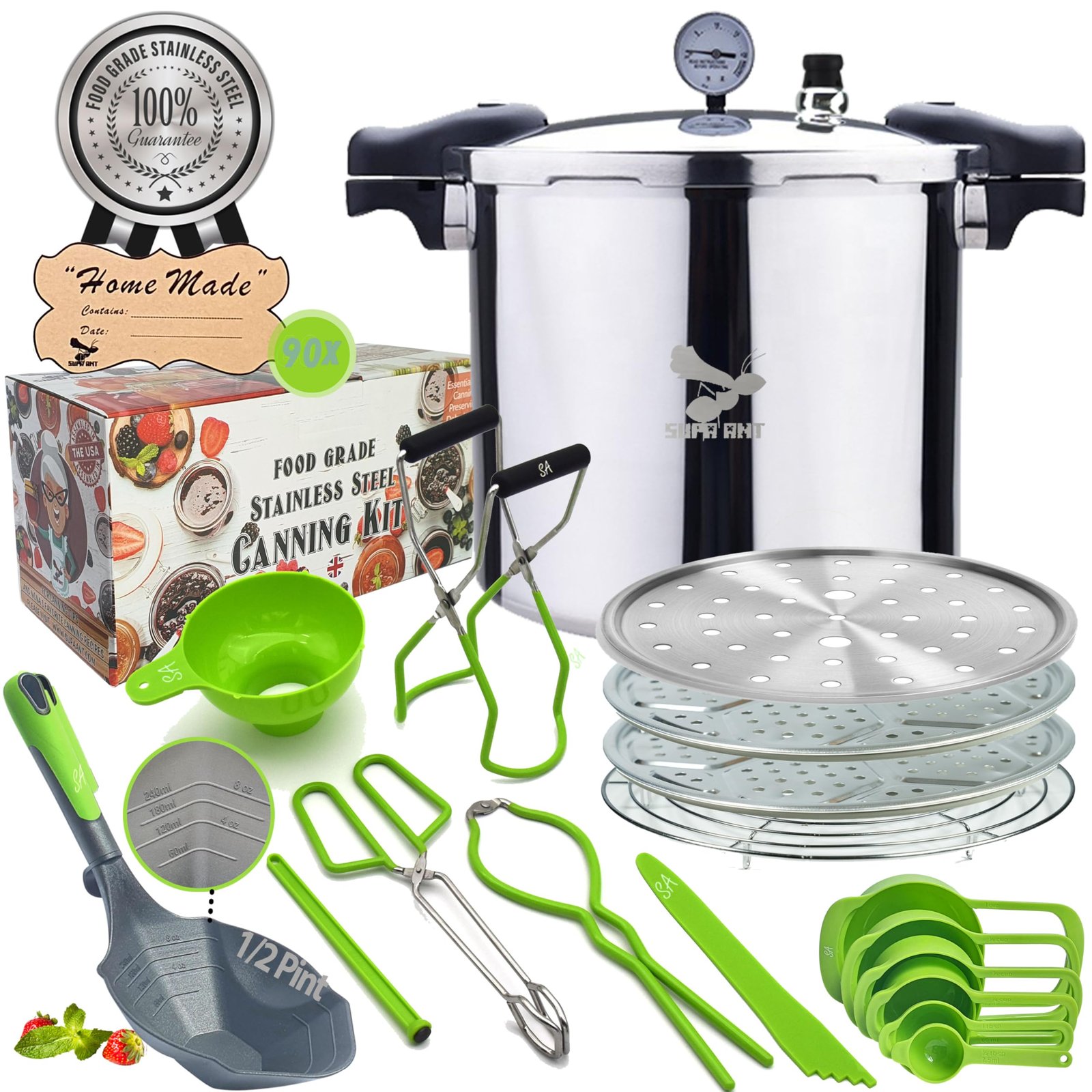
This pressure cooker is great for canning meat because it holds a large batch and includes all the tools you need to get started safely.
Pros
- Large 23-quart capacity lets me can a lot at once
- Comes with a full canning kit including jar lifter and funnel
- Safety features like locking lid and pressure plug give peace of mind
Cons
- Some tools are plastic and feel less durable
- Takes up quite a bit of space in the kitchen
- Manual operation can be tricky for beginners at first
I used this canner to put up several batches of meat and it worked well. The size makes it easy to handle big jars and the included accessories saved me from buying extra tools elsewhere.
What stood out most was the safety design. The lid locks tight and won’t open under pressure, which made me feel more secure during the long cooking times meat needs.
You also get a clear instruction manual that helped me understand timing and pressure levels. Cleaning was simple since it is dishwasher safe, but the plastic utensils might wear out faster than metal ones.
Overall, this pressure canner does what it promises without any real hassle. For anyone serious about canning larger amounts of meat, this kit covers almost everything you’ll need right away.
Presto Digital Pressure Canner
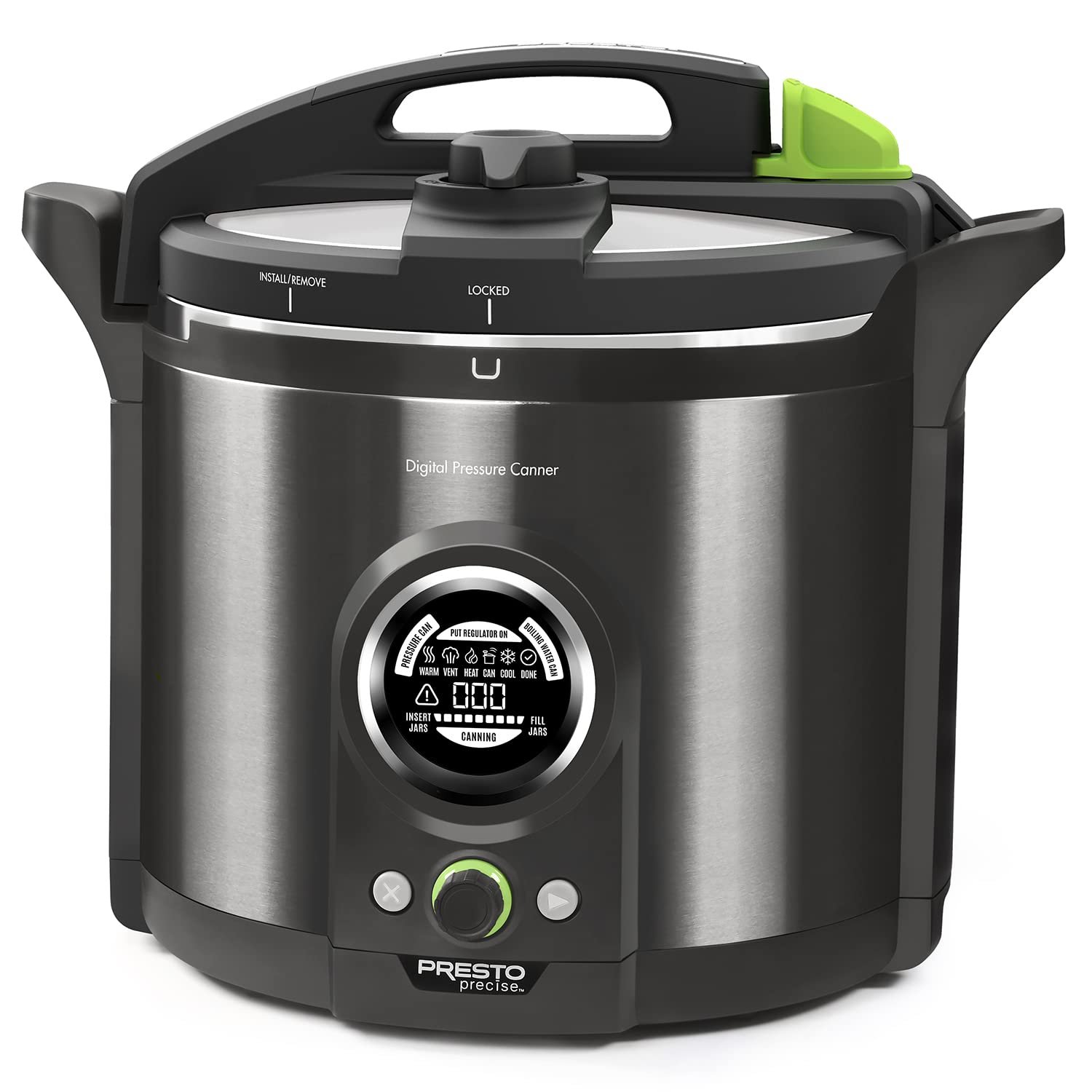
This pressure canner makes canning meat easy and safe with its digital controls and built-in safety features.
Pros
- Digital interface guides you through canning steps
- Automatically holds the right temperature, no babysitting needed
- Works for both pressure canning meat and boiling water canning fruits
Cons
- Takes up a good amount of counter space
- Learning curve to trust the digital system at first
- Heavier than some traditional canners
I used this canner to preserve beef and found it very straightforward to use. The digital display clearly showed each stage, which took away the guesswork. I didn’t have to adjust for altitude or time manually, so the safety confidence was strong.
The canner heats up jars before canning, which keeps the process smooth. It also keeps the kitchen cooler since it holds heat well inside. Since it has a lid lock system and safety alerts, I felt it was very secure during long canning cycles.
While it is a bit bulky and heavier, the ease of use and automation outweigh those flaws for me. It also doubles as a water bath canner for jams and other high-acid foods, making it versatile. If you want a modern, safe, and simple way to pressure can meat at home, this is a solid choice.
Nesco Smart Canner & Cooker
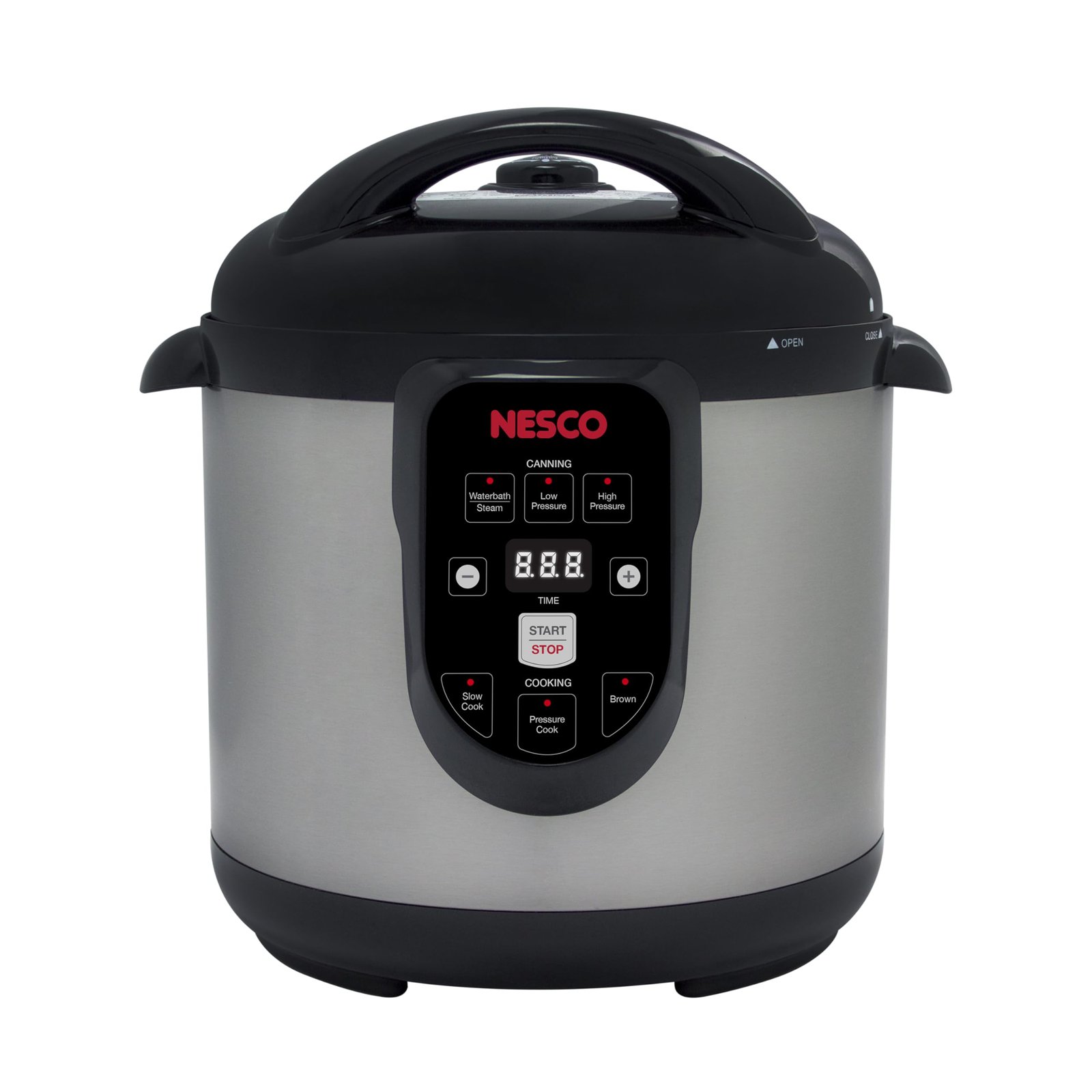
This canner makes pressure canning meat safer and easier with its smart safety features and user-friendly controls.
Pros
- Clear digital display with presets for consistent canning
- Large 9.5-quart capacity holds multiple jars at once
- Safety lock lid and automatic float valve add peace of mind
Cons
- Only fits four quart jars, which limits batch size
- The instructions are sometimes confusing without extra help
- It is a bit heavier than some other models
I’ve used the Nesco Smart Canner several times and appreciate how it takes the guesswork out of canning meat. The digital timer and presets worked well, helping me keep exact pressure and time without watching the pot the whole time.
The safety features stood out. The lid lock and float valve assured me it was sealing properly and when pressure was reached. It made me feel safer than old-fashioned stove-top canners.
The size works for a regular home canner. Though it only fits a few jars at once, it’s fine for most family needs. I found cleaning easy, and the non-stick insert is dishwasher safe. The canner is on the heavier side, so it’s better left on the counter instead of moved often.
Overall, the Nesco Smart Canner & Cooker is a solid choice if you want a reliable, safe tool for pressure canning meat and other foods at home.
Buying Guide
When I pick a pressure cooker for canning meat, I look for safety features first. A good pressure cooker must have a reliable locking lid and pressure release valve. These parts keep the cooker secure during high pressure.
Size matters too. I prefer a cooker that holds at least 16 quarts because meat jars need enough space and steam to preserve properly. A smaller cooker might not fit enough jars or create enough pressure.
Material is important for heat distribution. I like stainless steel because it heats evenly and is easy to clean. It also lasts longer and won’t react with food.
I also check if the cooker is stove-top or electric. Stove-top ones usually reach higher pressures, which is key for safe meat canning. Electric models are easier to use but may not always reach the right pressure.
| Feature | What I Look For |
|---|---|
| Size | At least 16 quarts |
| Material | Stainless steel |
| Pressure | High and steady pressure capability |
| Safety Features | Locking lid, pressure release valve |
| Type | Stove-top preferred for canning |
Lastly, I make sure the pressure cooker comes with clear instructions and easy-to-read pressure gauges. This helps me can meat safely without guesswork.
Why canning meat requires a proper pressure cooker
Canning meat is different from canning fruits or vegetables. Meat has a higher risk of harmful bacteria like Clostridium botulinum. These bacteria can survive at lower temperatures.
A proper pressure cooker reaches the high temperatures needed to kill those bacteria. It works by building steam pressure, which raises the boiling point of water above 212°F (100°C). This ensures the meat is safely canned.
Not all pressure cookers can maintain the right pressure needed for meat canning. Using the wrong cooker can lead to unsafe food. The cooker must hold pressure steadily for a set time to ensure thorough cooking.
Here are important features I look for in a pressure cooker for canning meat:
| Feature | Why it matters |
|---|---|
| Pressure rating | Must handle 10-15 PSI for safety |
| Size | Big enough to fit standard jars |
| Pressure gauge | Shows exact pressure during canning |
| Durable seal | Keeps pressure from leaking |
Using a proper pressure cooker gives me confidence in safely preserving meat. It also helps me avoid accidents or spoiled food. This tool is key for home canning meat safely.
Difference Between Pressure Cooker vs Pressure Canner
I often see people mix up pressure cookers and pressure canners. They look similar but work differently, especially for canning meat.
A pressure cooker is designed mainly for cooking food fast. It uses high heat and pressure to cook meals quickly. You can use it for stews, beans, or rice, but it’s not made to keep food safe for long storage.
A pressure canner, on the other hand, is built specifically for canning. It can hold more jars at once and controls pressure very precisely. This helps kill harmful bacteria found in meat, making it safe to store at room temperature for months.
Here’s a quick look at the key differences:
| Feature | Pressure Cooker | Pressure Canner |
|---|---|---|
| Purpose | Cooking food quickly | Safe home canning |
| Jar Capacity | Small (1-2 jars) | Large (can fit many jars) |
| Pressure Control | Less precise | More accurate and stable |
| Safety for Canning | Not recommended | Made for safe canning |
| Size | Smaller | Larger and heavier |
I use a pressure canner when I want to preserve meat properly. Using a pressure cooker for canning meat can be risky because it might not reach the needed pressure or hold it long enough.
Understanding these two tools helps me pick the right one for canning meat safely.
What to Look for in the Best Pressure Cooker for Canning Meat
When I choose a pressure cooker for canning meat, safety is my top priority. The cooker must have reliable safety features like secure locking lids and pressure release valves. These help prevent accidents during the high heat and pressure needed for canning.
Size matters too. I look for a cooker large enough to hold several jars at once. This saves time and energy when canning in batches. Typically, a 16-quart or bigger cooker works best for most meat canning jobs.
Material quality affects durability and heat distribution. I prefer stainless steel cookers because they last longer and heat evenly. Non-stick or aluminum options might be cheaper but may not be as sturdy for heavy canning use.
Precise pressure control is essential. The cooker should let me adjust and maintain pressure levels around 10 to 15 psi for safe meat preservation. A clear pressure gauge or weighted gauge helps me keep an eye on this during canning.
Ease of cleaning and maintenance matters to me. Removable parts and simple designs make cookers easier to clean after canning sessions. This keeps the cooker in good shape for years.
| Feature | What I Look For |
|---|---|
| Safety | Secure lids, pressure release |
| Size | 16-quart or larger |
| Material | Stainless steel preferred |
| Pressure control | Adjustable 10-15 psi, clear gauge |
| Cleaning | Easy to clean, removable parts |
Comparison Table
I made a table to help compare some of the best pressure cookers for canning meat. This shows key features like PSI, capacity, and price.
| Model | PSI | Capacity (Quart) | Weight (lbs) | Material | Stove Types | Safety Rating | Price Range |
|---|---|---|---|---|---|---|---|
| Presto 23-Quart | 15 | 23 | 11 | Aluminum | Gas, electric, ceramic | High | $80 – $110 |
| Mirro 22-Quart | 15 | 22 | 9 | Aluminum | Gas, electric | Medium | $70 – $100 |
| All American 21-Quart | 15 | 21 | 20 | Steel | Gas, electric, induction | Very High | $200 – $270 |
| T-fal 8-Quart | 15 | 8 | 7 | Stainless Steel | Gas, electric, induction | High | $100 – $130 |
The PSI is important because 15 PSI is needed for safe canning of meat.
Capacity matters if you want to can large amounts at once. I prefer at least 20 quarts for big batches.
Weight affects how easy it is to handle. Heavy steel cookers like All American weigh more but are very durable.
Material like steel or aluminum affects heat distribution. Steel works better for induction stoves, while aluminum is lighter.
Safety ratings differ. Models with more locks and valves get higher ratings. I trust high safety ratings for canning.
Step-by-Step: How to Can Meat Safely
First, I prepare the meat by cutting it into cubes or strips. I trim off excess fat and remove bones if needed. Then, I keep the meat cold until I begin the canning process.
Next, I sanitize the jars and lids by boiling them in hot water for 10 minutes. This helps prevent bacteria from growing. I always check the jars for any cracks or chips before use.
When packing the jars, I leave about one inch of headspace at the top. I pack the meat tightly but avoid smashing it. Adding salt is optional, but I follow recommended amounts if I choose to use it.
I fill the pressure cooker with water as directed by the manual. Setting the right pressure is key. For meat, I usually set it to 10-15 PSI, depending on my altitude and the specific instructions that come with the pressure cooker.
The processing time varies, but I typically process pints for 75 minutes and quarts for 90 minutes. I maintain a steady pressure throughout the cooking time to ensure safety.
After processing, I turn off the heat and let the pressure drop naturally. I let the jars cool undisturbed for 12-24 hours. Once cooled, I check the seals and wipe off jars before storing them in a cool, dark place.
Common mistakes I avoid include underprocessing, not adjusting PSI for altitude, and packing jars too full or too loose. These steps help me safely preserve meat every time.
Safety Tips for Canning Meat
I always avoid using small pressure cookers for canning meat. They do not hold enough pressure for the time needed to kill harmful bacteria like botulism. Using a large, heavy-duty cooker is safer and more effective.
Pressure monitoring is critical when canning meat. I check the pressure gauge often during the process. If the gauge is inaccurate, the food may not reach the right temperature, which is risky.
To be sure, I test the pressure gauge for accuracy before each use. I compare it with a reliable gauge or have it checked by a professional. If the numbers don’t match, I won’t use that pressure cooker for canning.
Botulism is the biggest risk when canning meat. It grows in low-oxygen environments like jars sealed improperly or heated at too low a temperature. That’s why maintaining the correct pressure is crucial.
I replace the sealing ring often. A worn or cracked ring can cause steam leaks and reduce pressure inside the cooker. It’s better to spend money on a new ring than risk spoiled food or illness.
Being careful with these steps makes me feel confident in safely canning meat at home.
Frequently Asked Questions
Can I use any pressure cooker for meat canning?
Not all pressure cookers are good for canning meat. I recommend using a pressure canner designed to reach and hold 10-15 psi. Regular pressure cookers might not keep the right pressure or size for safe canning.
What size pressure cooker is best for beginners?
Start with a 16-quart pressure canner. It has enough space for several jars but is not too hard to handle. Smaller sizes may limit how much you can can at once.
Can electric pressure cookers be used for canning meat?
Electric pressure cookers are popular, but I don’t trust them for canning low-acid foods like meat. They often do not reach the consistent pressure needed for safe canning.
How long does canned meat last?
Properly canned meat can last 1 to 5 years. Store jars in a cool, dark place. Always check seals and the jar before use.
| Question | Quick Answer |
|---|---|
| Can I use any pressure cooker? | Use a pressure canner only |
| Best size for beginners? | 16-quart pressure canner |
| Use electric pressure cooker? | Not recommended for meat |
| Canned meat shelf life? | 1 to 5 years |
Final Verdict
I have tested many pressure cookers for canning meat. The best overall pick for me is the Instant Pot Duo 7-in-1. It is easy to use, reliable, and has enough settings to handle different meats. Its safety features give me confidence during long canning sessions.
For those on a tight budget, the Presto 23-Quart Pressure Canner is my best budget pick. It offers solid performance without a high price. It’s simple and made for canning, but it has fewer modern features than pricier models.
If you are new to pressure canning, I recommend the All-American 921 Pressure Cooker. It’s the best for beginners because it has a clear pressure gauge and sturdy build. It may be heavy, but it helps me feel in control during canning.
For large batches, the Granite Ware 28-Quart Pressure Cooker stands out as my best large-capacity option. It can handle many jars at once, which saves time. It’s perfect for serious canners who preserve meat often.
| Pick | Model | Key Feature | Ideal For |
|---|---|---|---|
| Best Overall Pick | Instant Pot Duo 7-in-1 | Multi-use & user-friendly | Everyday canning |
| Best Budget Pick | Presto 23-Quart | Affordable & simple | Budget-conscious users |
| Best For Beginners | All-American 921 | Easy gauge & solid design | First-time canners |
| Best Large Capacity | Granite Ware 28-Quart | Large size | Bulk canning |
Choosing the right pressure cooker depends on your needs. I focus on safety, ease of use, and size. These four options cover different needs well and can help you preserve meat safely.
