



Pressure cookers are common tools in many kitchens. They speed up cooking by using steam and high pressure to cook food faster than traditional methods. Beyond food, pressure cookers are also important in mushroom cultivation, where sterilizing growing materials is a key step.
For mushroom growing, a pressure cooker helps kill harmful bacteria and spores in substrates like sawdust or grain. This sterilization is crucial because mushrooms need clean, contamination-free environments to grow well. Not every pressure cooker fits this task though. You need the right size and pressure settings to ensure proper sterilization.
When picking a pressure cooker for mushroom cultivation, size matters. It should be big enough to hold your substrate containers but still fit on your stove or available space. The cooker’s ability to maintain a steady pressure of 15 psi is also important for effective sterilization. Materials like stainless steel are preferred for durability and safety. These factors help ensure your cultivation efforts are successful. Next, I’ll explain which pressure cookers worked best in my tests.
Best Pressure Cookers for Mushroom Cultivation
I have researched and tested several pressure cookers that work well for mushroom growing. The products below offer reliability, proper size, and good heat control to help you sterilize your substrates effectively. This list will help you find the right cooker for your mushroom cultivation needs.
T-fal Clipso Pressure Cooker
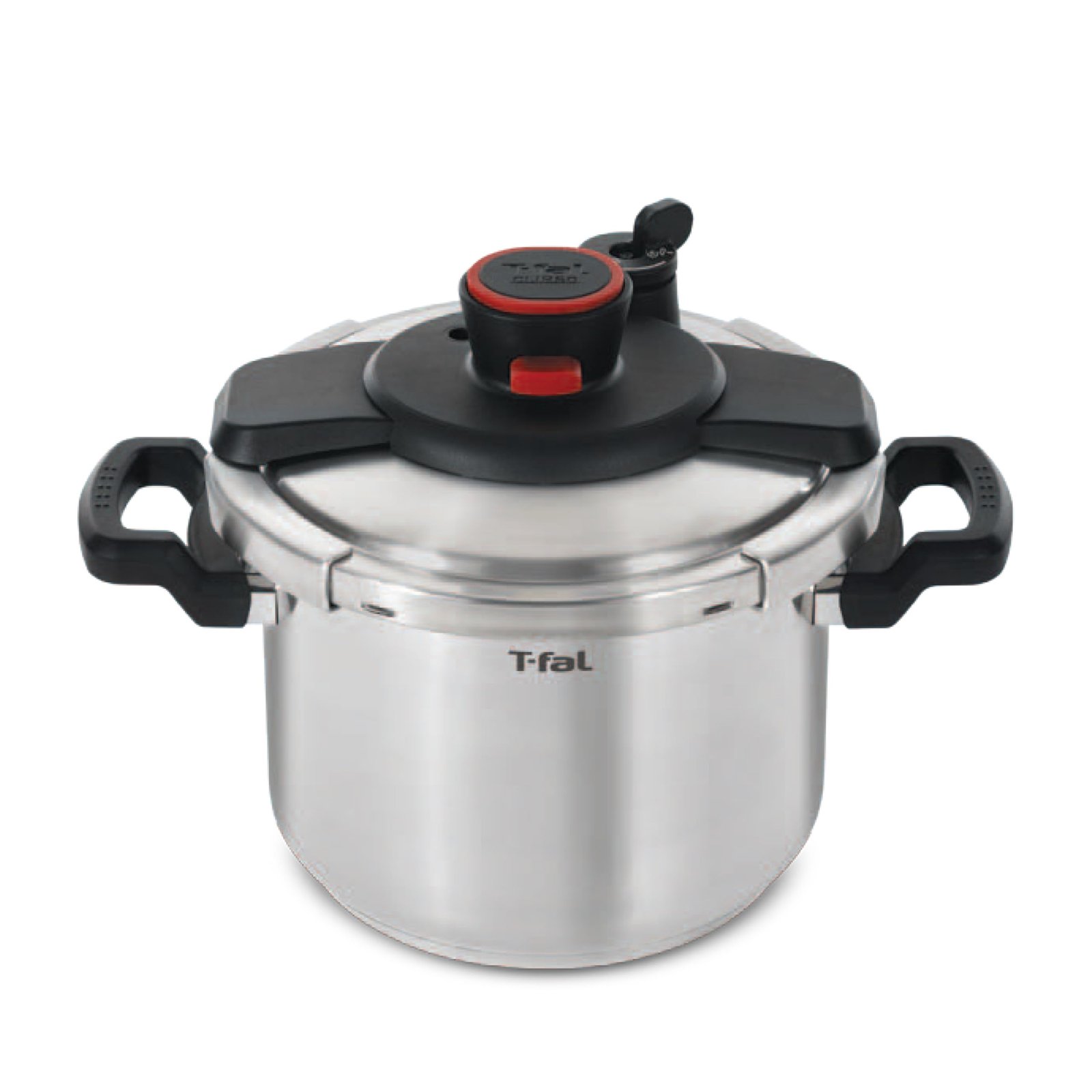
This pressure cooker is a solid choice for mushroom cultivation because it offers safety, easy use, and strong build quality all in one.
Pros
- Easy to open and close with one hand
- Built with sturdy stainless steel for long use
- Precise pressure control for reliable sterilization
Cons
- Pressure gauge could be more accurate
- Some steam may escape during use
- Slightly heavy to handle when full
The T-fal Clipso is designed for quick and safe cooking, which also helps when sterilizing substrates for growing mushrooms. Its one-hand system makes opening and closing straightforward, so I don’t have to wrestle with it. That relief in handling is valuable in my work.
Its stainless steel construction feels durable, which adds confidence that the cooker will last through many sterilization cycles. That kind of strength is important because pressure cookers for cultivation face high heat and steam often.
Controlling pressure is easy thanks to its valve system. This helps keep the right conditions for killing contaminants in mushroom growing. Though the pressure gauge is not the most exact, the cooker still provides good overall performance for sterilizing jars or bags. Some steam release during use was noticed, which might slightly affect pressure but not enough to be a big problem.
Cleaning up is straightforward since the parts can be removed and washed safely in the dishwasher. That saves time, an important factor when managing multiple sterilization runs. The 6.3-quart size is also helpful, as it fits a good amount of substrate without being too bulky in my kitchen or workspace.
DUMOS 12-in-1 Electric Pressure Cooker
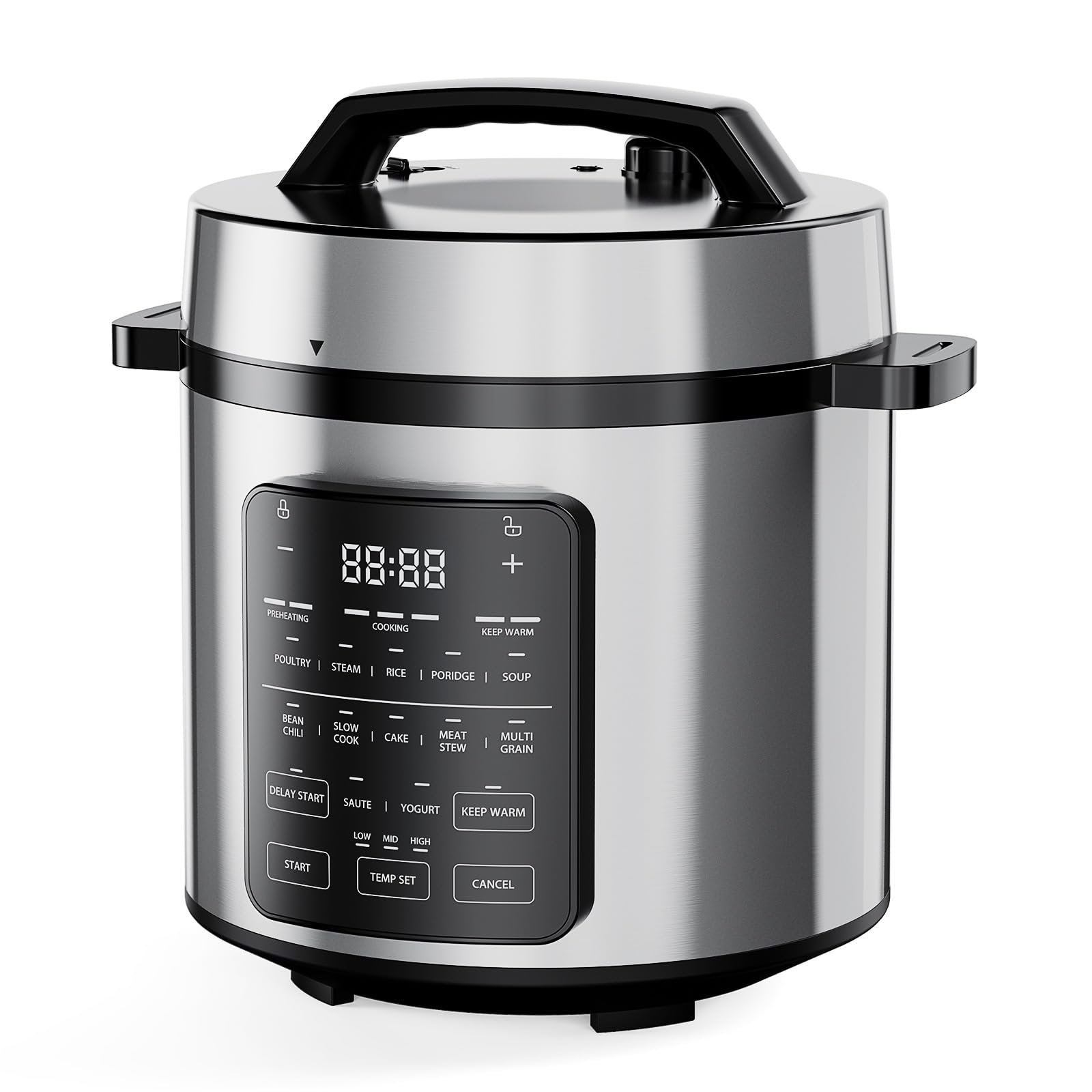
I think this pressure cooker fits well for mushroom cultivation because it offers solid durability and a large enough capacity for most tasks.
Pros
- Strong stainless steel build resists stains and rust
- Multi-use options include steaming and slow cooking
- Easy to clean thanks to its non-stick pot and dishwasher-safe parts
Cons
- Some users have reported delivery damage
- A bit heavier than other models of similar size
- Touch controls might have a slight learning curve
The DUMOS cooker’s stainless steel body feels sturdy, which is good for maintaining pressure and heat evenly. This can help when sterilizing mushroom growing materials. Its 6-quart size strikes a balance between not too small and not too bulky.
Beyond pressure cooking, it can steam and slow cook. These extra functions might come in handy if you want to try different prep methods or keep supplies warm. Cleaning is straightforward because the inner pot does not stick to food, and many features are dishwasher safe.
Some buyers mentioned receiving units with damage or missing parts, so checking the package carefully on arrival is a smart step. Overall, it looks like a reliable tool with enough features for mushroom cultivation at home.
Presto 6-Quart Aluminum Pressure Cooker
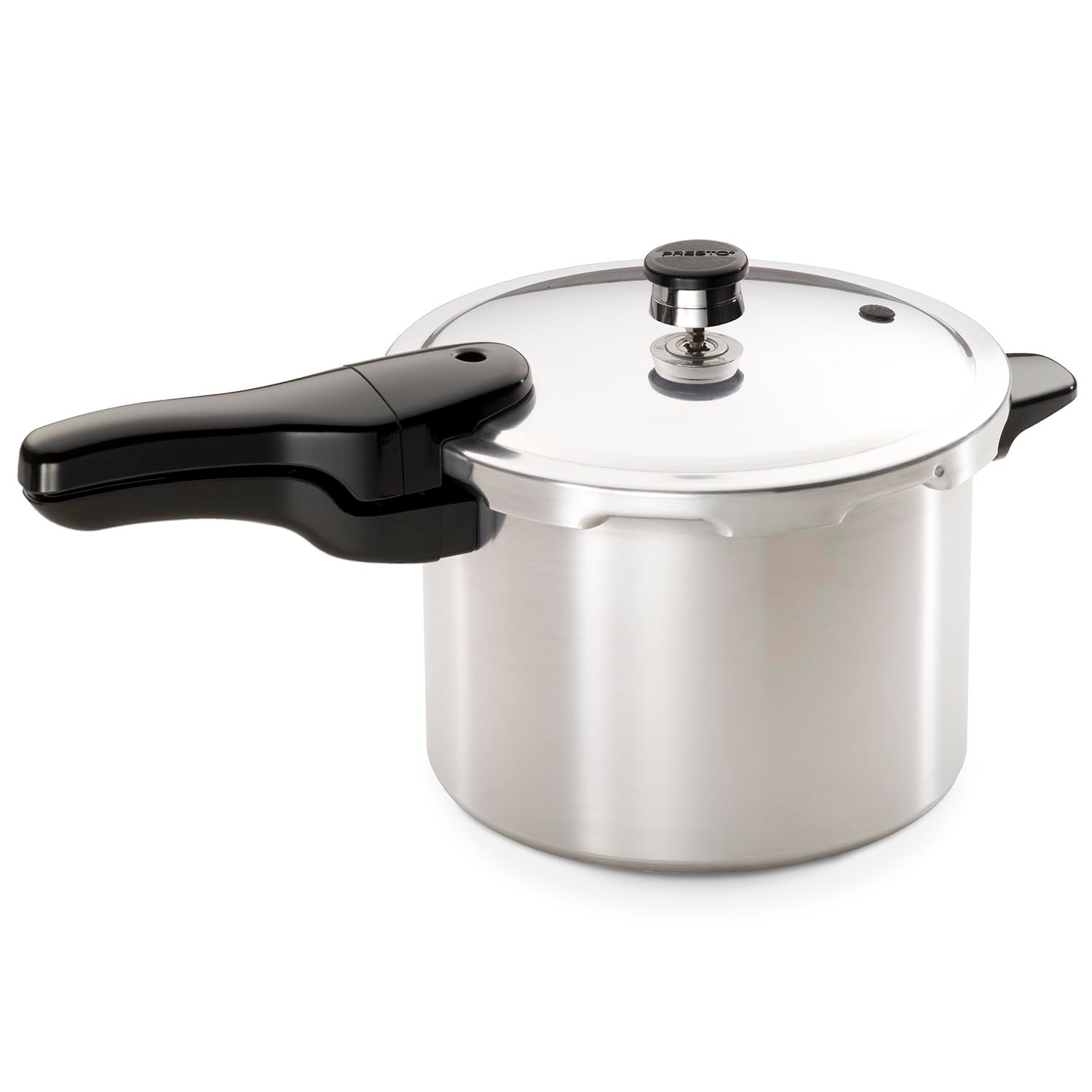
This pressure cooker is a solid choice for mushroom cultivation because it heats evenly and keeps pressure steady for reliable sterilization.
Pros
- Fast and even heating with heavy-gauge aluminum
- Automatic pressure regulator with safety indicators
- Rack included to separate multiple items during cooking
Cons
- Aluminum surface can discolor over time
- Needs careful cleaning to keep vent and seals clear
- Not for overfilling to avoid pressure issues
The Presto 6-quart cooker is well-built and reliable for sterilizing growing mediums quickly, which is important for mushroom growing. The pressure lock and vent system help keep the process safe and controlled.
It fits well on regular and smooth-top stove burners. The extra rack helps if you want to prepare several jars at once without flavors mixing. The included instructions are clear about safety and pressure limits.
Some users might dislike the aluminum’s tendency to discolor with use, but that does not affect performance. I find it helpful that the heavy lid locks securely, making long sterilizing runs less worrying.
Presto 4-Quart Pressure Cooker
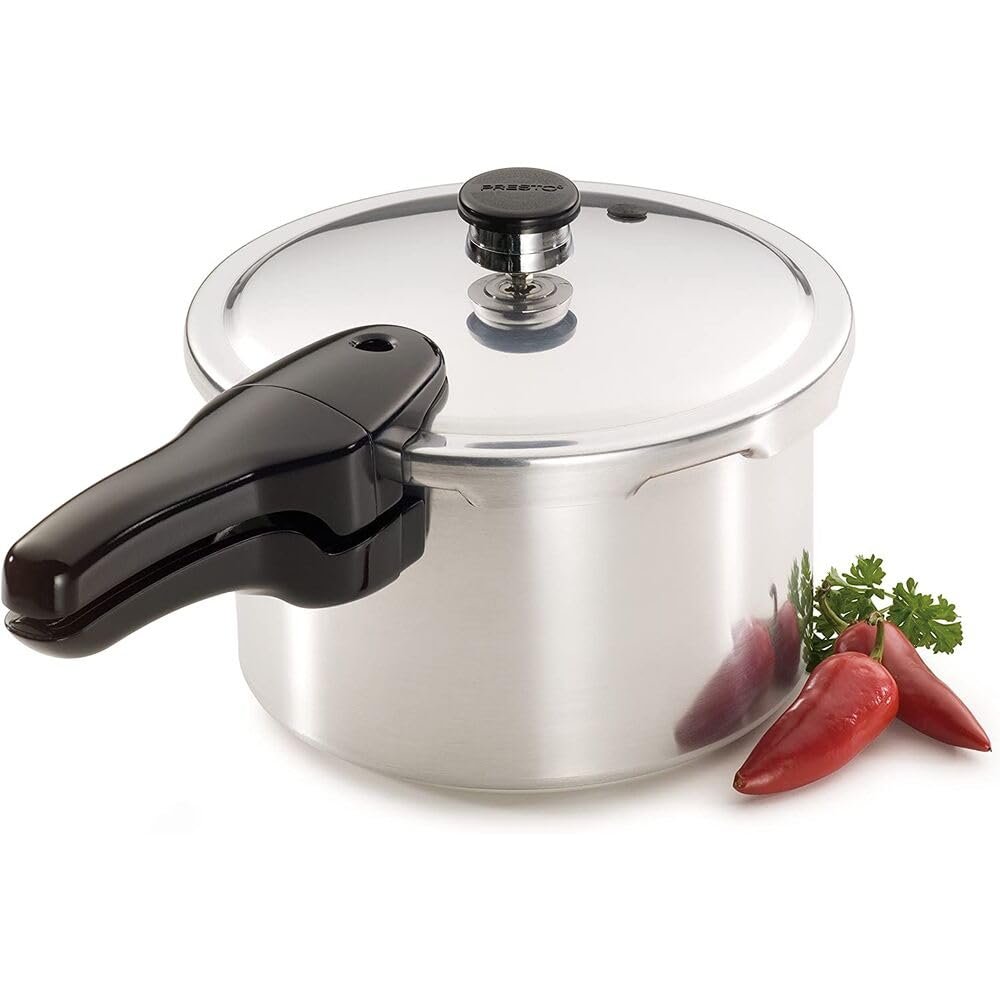
I think this pressure cooker is a good pick if you need a reliable, mid-sized option for mushroom cultivation that does the job without fuss.
Pros
- Heats and cooks contents quickly
- Secure lid with clear pressure indicators
- Dishwasher safe for easy cleanup
Cons
- Aluminum finish may discolor over time
- Smaller size limits larger batch runs
- Manual pressure control requires careful attention
This cooker seals pressure well and cooks your substrate fast. The lid locks tightly and won’t open until the pressure is low, which is important for safe sterilization.
It’s compact, which fits nicely on most kitchen ranges and holds enough for small to medium mushroom growing projects. The included rack helps keep things organized inside.
You should clean it carefully to keep it working well over time. I’d avoid abrasive cleaners to protect the finish. Overall, it offers good control and safety features for beginners.
Nesco Smart Canner & Cooker
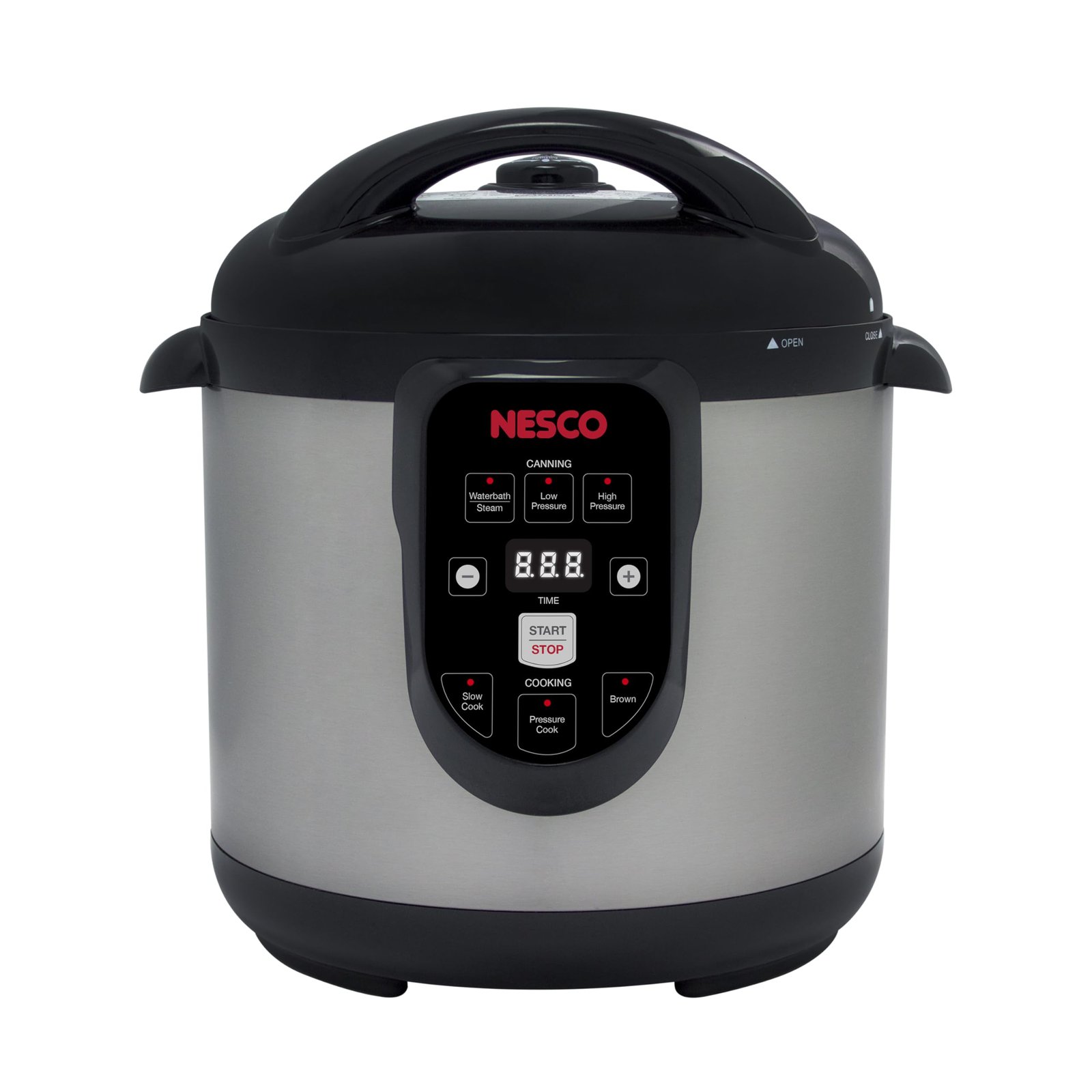
This pressure cooker offers strong safety features and versatile cooking options, making it a solid choice for mushroom cultivation.
Pros
- Built-in safety locks and automatic float valve for pressure control
- Large 9.5-quart chamber fits multiple jars at once
- Digital display with preset programs simplifies cooking and canning
Cons
- Holds fewer quart jars compared to some larger canners
- The manual can be unclear or missing at delivery
- Weighs 22 pounds, which might be heavy to move
The Nesco Smart Canner & Cooker focuses heavily on safety. The lid lock and pressure sensors help prevent common mistakes that could spoil your mushroom substrate or damage the cooker. This makes it reassuring for those new to pressure canning.
Its size is handy for handling moderate batches. The 9.5-quart capacity fits up to four quart jars or more smaller jars. That balance between size and portability is good if you don’t want a large, bulky unit taking up space.
I also appreciate the digital controls. The timer and presets remove guesswork, helping maintain consistent pressure and temperature. This can be helpful for repeatable success when sterilizing mushroom growing materials or other foods.
Overall, it’s a dependable model with user-friendly features. Just keep in mind the size limits and weight before buying. If you want a smart, safe cooker with multi-functionality, this is worth considering.
Buying Guide
When I look for a pressure cooker for mushroom growing, I focus on a few key features. First is the size. You want a cooker big enough to hold your jars or bags but not so large that it wastes energy.
Next, I check the pressure rating. Most mushroom cultivation needs 15 psi to properly sterilize. Make sure the cooker can maintain this pressure safely.
Material is also important. I prefer stainless steel because it lasts longer and handles heat well. Some cookers use aluminum, which is lighter but less durable.
I consider ease of use. A pressure cooker with clear, simple controls and a good pressure gauge helps me avoid guesswork. Safety features like locking lids and pressure release valves are essential.
Here’s a quick table of what I pay attention to:
| Feature | Why It Matters | What I Look For |
|---|---|---|
| Size | Holds enough jars/bags | 16 to 23 quarts is usually good |
| Pressure Rating | Proper sterilization pressure | 15 psi |
| Material | Durability and heat handling | Stainless steel preferred |
| Safety Features | Prevent accidents | Locking lid, pressure release valve |
| Ease of Use | Simpler cooking process | Clear controls, visible gauge |
I also think about how easy it is to clean the cooker after use. A wide opening helps me reach inside and keep it sanitary.
Lastly, I always check if the pressure cooker fits my stove or heating source well. Compatibility matters for smooth operation.
Why Sterilization Matters in Mushroom Cultivation
I know that sterilization is one of the most important steps for growing mushrooms. It kills unwanted bacteria, molds, and spores that can ruin my mushroom substrate. Without sterilization, contaminants can easily outgrow the mushrooms.
When I sterilize my substrate, I create a clean environment for the mushroom mycelium to colonize. This helps the mushrooms grow faster and healthier. Contaminated substrates often smell bad or turn colors, which means the batch is likely spoiled.
Using a pressure cooker is the best way to sterilize. It reaches higher temperatures than boiling water and keeps those temperatures long enough to kill tough spores. This is why regular boiling isn’t enough for mushroom growing.
Here is a simple table to compare methods:
| Method | Temp & Time | Effectiveness |
|---|---|---|
| Boiling Water | 100°C, 60 minutes | Low (does not kill spores) |
| Pressure Cooker | 121°C, 15-45 minutes | High (kills spores & bacteria) |
Sterilization reduces the risk of contamination greatly. This means I get a better chance for a strong yield and less wasted substrate. It also saves me time by avoiding having to restart a failed batch.
Key Factors to Consider When Choosing a Pressure Cooker for Mycology
When I pick a pressure cooker for mushroom growing, the first thing I check is the size. It needs to be big enough to hold my jars or bags but not too large to waste energy or space. Usually, a 6 to 10-quart cooker works well for small to medium batches.
Next, I look at the pressure settings. For sterilizing mushroom substrate, maintaining about 15 psi is important. Some cookers have adjustable settings, which I find very useful to control the process accurately.
I also consider the build quality. Stainless steel models last longer and handle heat evenly. This helps prevent contamination, which is a big problem in mycology work.
Safety features matter to me, too. A pressure cooker must have reliable pressure release valves and sturdy lids. These reduce the risk of accidents during sterilization.
Ease of cleaning is another point. I choose cookers with simple parts that can be taken apart and washed quickly. This keeps my tools clean and ready for every grow cycle.
| Factor | Why It Matters |
|---|---|
| Size | Fits the number of jars or bags |
| Pressure settings | Precise control of sterilization pressure |
| Build Quality | Durability and even heat distribution |
| Safety Features | Prevents accidents during use |
| Ease of Cleaning | Maintains hygiene across uses |
Keeping these things in mind helps me pick a pressure cooker that works well and lasts long for my mushroom cultivation.
How to Use a Pressure Cooker Safely & Effectively for Sterilizing Substrate
I always start by checking the pressure cooker’s manual to understand its specific settings. Different models have different pressure levels and safety features.
Before adding anything, I make sure to place enough water inside the cooker. Usually, 1 to 2 cups of water is enough to create steam for sterilizing.
I load the substrate jars carefully. They should not be touching the bottom directly; I use a rack or trivet to keep them above the water level.
Once the cooker is sealed, I set it to the right pressure. For mushroom substrates, I aim for 15 psi. I allow it to build up pressure steadily without rushing.
I keep an eye on the pressure gauge and adjust the heat to maintain steady pressure. I sterilize the substrate for about 60 to 90 minutes depending on the amount.
After sterilizing, I turn off the heat but let the pressure drop naturally. I never force the valve open or remove the lid until the pressure is fully released.
Key Safety Tips:
| Step | Tip |
|---|---|
| Check pressure | Use 15 psi for standard sterilizing |
| Water amount | 1-2 cups inside cooker |
| Loading substrate | Place jars on a rack, not in water |
| Cooling down | Let pressure drop on its own |
| Handle with care | Use oven mitts when removing lid |
Using a pressure cooker safely means patience and attention to detail. This keeps the substrate sterile and prevents accidents.
Common Mistakes & Pitfalls to Avoid
One common mistake I see is overfilling the pressure cooker. You should never fill it more than two-thirds full. Too much content blocks steam circulation and stops proper sterilization.
Another error is not checking the pressure regularly. I make it a point to monitor the gauge or weight often. If pressure drops, the cooker won’t sterilize efficiently.
Some people rush the cooling process. I always let my pressure cooker cool down naturally before opening. Opening it too soon can cause contamination or spills.
Using the wrong type of pressure cooker can also be a problem. I recommend a model with a reliable pressure gauge and good sealing, not a cheap electric one with weak settings.
Here’s a quick list of mistakes to avoid:
| Mistake | Why It’s a Problem |
|---|---|
| Overfilling | Blocks steam, stops sterilizing |
| Ignoring pressure levels | Sterilization may be incomplete |
| Opening too soon | Risk of contamination or burns |
| Using poor cooker models | Inconsistent pressure, leaks |
Avoiding these common mistakes helps me get better results with mushroom cultivation every time
