



Store oils cool, dark, and sealed tight. Keep away from heat, light, and air.
Most kitchen oils spoil faster than you think. In this guide, I share how to store cooking oils with simple rules, clear examples, and tested tips from years in professional and home kitchens. If you want longer-lasting flavor, fewer wasted bottles, and safer food, keep reading. You will learn how to store cooking oils the right way for every type, every container, and every kitchen setup.
:max_bytes(150000):strip_icc()/how-to-store-cooking-oil-copy-2000-168512a8f9f840518eaf7a6d06c7a009.jpg)
Why proper oil storage matters
Fresh oil makes food taste bright and clean. Old oil turns flat, bitter, and sometimes waxy. That off taste comes from oxidation and light damage. Good storage slows both.
I learned this the hard way. In a hot studio kitchen, a great olive oil went rancid in weeks. That is why knowing how to store cooking oils saves money and flavor. It also protects nutrients that break down in heat and light.
Most oils go bad quietly. They may look fine but smell like crayons or putty. When in doubt, taste a drop. If it tastes stale, it is stale.

Core rules: how to store cooking oils the right way
Think of four enemies: heat, light, oxygen, and time. Your job is to block them.
Follow these simple steps:
- Store oils in a cool, dark place. A pantry or cabinet away from the stove is best.
- Keep caps tight. Oxygen speeds rancidity.
- Choose small bottles for slow use. Large bottles are fine if you decant into a small daily bottle.
- Avoid clear glass by the window. Use dark glass or keep clear glass in a box or cabinet.
- Wipe necks and caps. Residue turns sticky and smelly.
- Buy what you can finish in 2 to 6 months after opening, depending on the oil.
For those asking how to store cooking oils in small kitchens, place a daily-use bottle near the prep zone but shielded from heat. Keep backups in a cool pantry.

Storage by oil type
Not all oils behave the same. The more delicate the oil, the faster it spoils. Use this quick guide when planning how to store cooking oils.
Delicate, high in polyunsaturated fats
These need the most care and often the fridge.
- Flaxseed, walnut, wheat germ, hemp: Refrigerate after opening. Use within 6 to 8 weeks.
- Grapeseed: Pantry if cool; fridge is better for long storage. Expect a mild cloud in the fridge.
Medium-stable, everyday cooking oils
These do well in a cool pantry.
- Canola, sunflower, safflower, corn, soybean: Keep sealed, dark, and cool. Use within 4 to 6 months after opening.
- Peanut: Good in a cool pantry. Great for frying. Use within 6 months after opening.
Flavor oils
These carry bold aromas that fade fast.
- Toasted sesame: Pantry if cool; best used within 3 months. Refrigerate to extend life.
- Hazelnut, almond, pistachio: Refrigerate after opening. Warm to room temp before use.
Olive oils
- Extra-virgin olive oil: Keep in dark glass. Cool pantry is ideal. Use within 2 to 4 months after opening for best flavor.
- Cloudiness in the fridge is normal. It clears at room temperature. This will not harm the oil.
High-stability fats
- Coconut oil: Very stable. Store cool and dark. It solidifies below 76°F. That is normal.
- Avocado oil: Quality varies. Store cool and dark. Use within 3 to 4 months after opening.
If you rely on how to store cooking oils for meal prep, match your buy size to your pace. One bottle for weekly use. One sealed spare in the pantry.
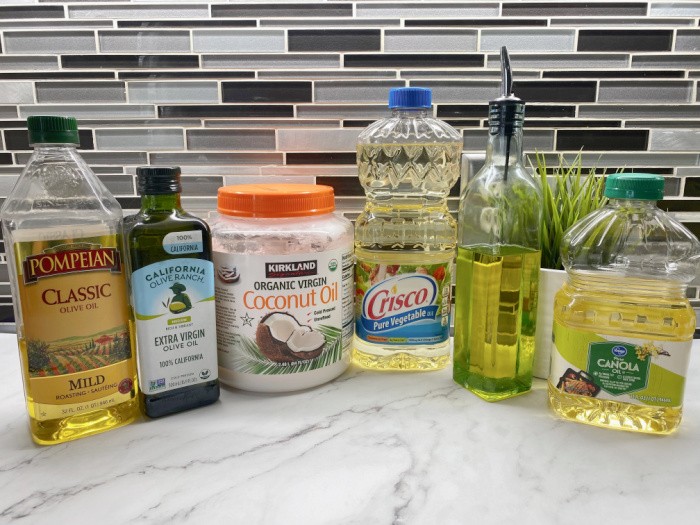
The best containers and closures
The container matters as much as the oil. Light and air sneak in through poor packaging.
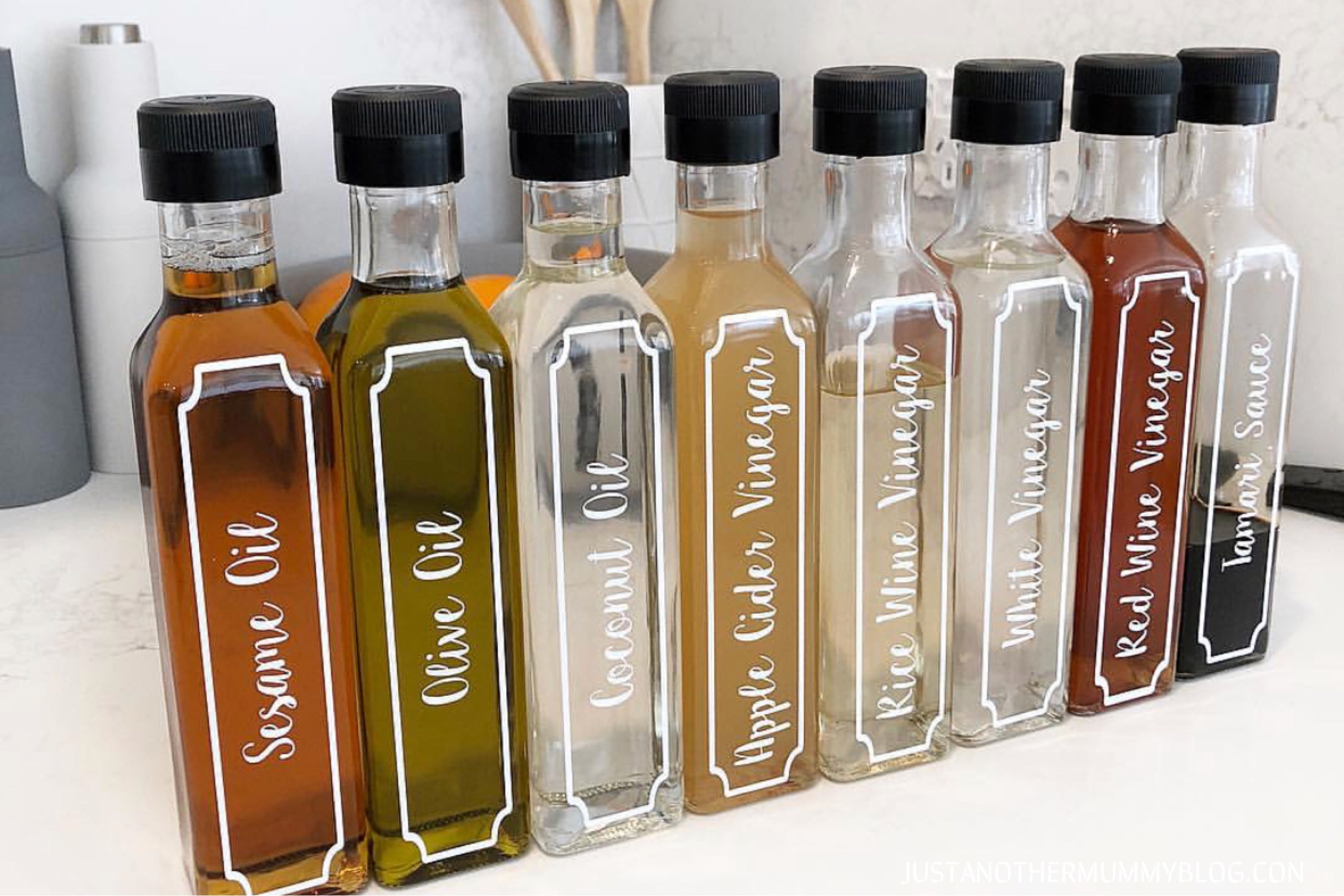
- Dark glass beats clear glass. Clear glass needs a dark cabinet.
- Avoid soft plastic for long-term storage. Oil can pull flavors from plastic over time.
- Choose caps with liners that seal tight. Flip tops and pour spouts are handy but can leak air.
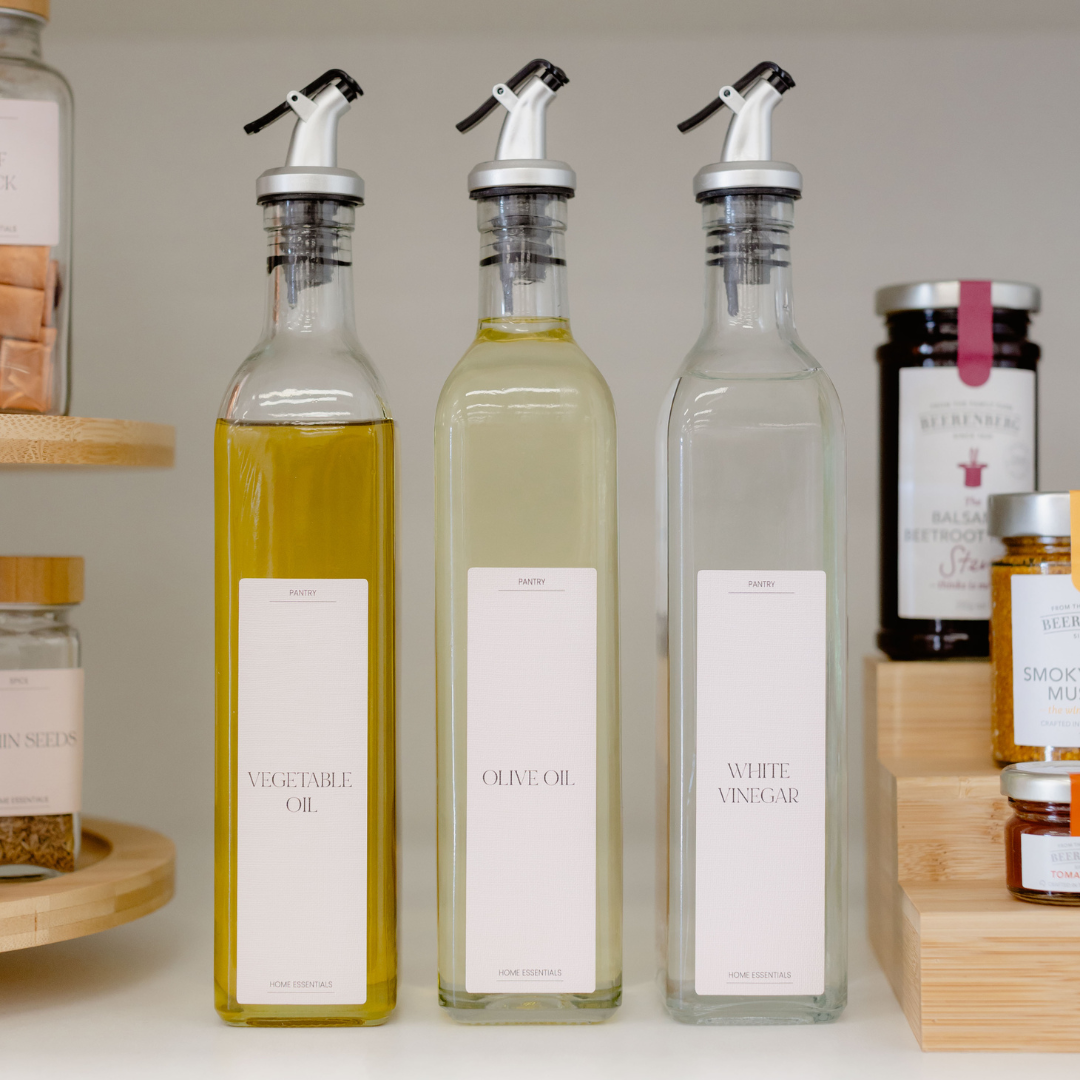
- For daily use, decant into an 8 to 12 ounce bottle. Refill from a larger sealed bottle.
- Label the bottle with the opening date. Rotate oldest to front.
I keep a small, dark glass bottle by the stove and refill weekly. This habit changed how to store cooking oils for me. Less waste. Better taste.

Shelf life, rancidity, and safety
Shelf life depends on the oil and storage. Most refined oils last 12 to 18 months sealed and 4 to 6 months once opened. Extra-virgin olive oil is best within a year of harvest and 2 to 4 months after opening for peak flavor.
Signs of rancidity:
- Smell of crayons, putty, paint, or old nuts
- Bitter, waxy, or stale taste
- Sticky residue around the cap
Food safety note: Never store fresh garlic, herbs, or chili in oil at room temperature. This can allow dangerous bacteria to grow. Keep such infusions refrigerated and use within one week, or buy commercial acidified products.
If you wonder how to store cooking oils for the longest safe use, keep them cool and sealed, and mark the open date. When in doubt, toss it.

Kitchen layout and habits that protect your oils
Little changes protect your bottles from heat and light.
- Keep oils at least a few feet from the oven and stovetop.
- Use a tray or caddy in a lower cabinet for quick access.
- Buy smaller bottles if you cook less often.
- Clean pour spouts weekly. Replace caps right after pouring.
- Plan meals to rotate oils. Fry with stable oils. Finish dishes with fresh flavor oils.
These habits make how to store cooking oils simple and repeatable. They also make cooking faster and cleaner.
Refrigerating and freezing oils
Chilling slows oxidation a lot. Many oils can go in the fridge.
- It is fine if oils turn cloudy or semi-solid in the fridge. Warm gently and they clear.
- Freeze extra-sensitive oils, like flaxseed, in small jars. Thaw only what you need.
If you ask how to store cooking oils for long breaks or travel, freezing in small portions works well. Label and date every jar.
Buying smart and reducing waste
Storage begins at the store.
- Choose recent harvest or roast dates when possible.
- Pick bottles from the back of the shelf, away from lights.
- Skip bulk deals if you will not finish them soon.
- Taste new oils when you open them. Note flavor and date.
For used deep-fry oil, strain when cool. Reuse for similar dishes if it still smells fresh. When done, dispose in a sealed container in the trash or take to a recycling program. Do not pour oil down the drain.
How to store cooking oils is also how to reduce food waste. Fresh oil is money well saved.

Troubleshooting and common mistakes
I see the same storage slips again and again. Here is what to fix fast.
- Keeping oil by the stove: Move it to a cool cabinet. Heat ruins flavor.
- Leaving caps loose: Tighten after each use. Air speeds spoilage.
- Using clear decanters by the window: Switch to dark bottles or hide them from light.
- Buying jumbo bottles for small households: Buy small. Decant only what you need.
- Forgetting dates: Label bottles. Check monthly. Trust your nose and taste.
If you still struggle with how to store cooking oils, build a quick checklist. Where is it? Is it sealed? Is it cool and dark? Answer yes to all three and you are set.
Frequently Asked Questions
How long do cooking oils last after opening?
Most refined oils last 4 to 6 months after opening if stored cool and dark. Extra-virgin olive oil is best within 2 to 4 months for peak flavor.
Should olive oil be refrigerated?
You can refrigerate it, but a cool pantry works for most homes. It may cloud in the fridge, which is harmless and clears at room temperature.
Can I store garlic or herbs in oil on the counter?
No. Fresh garlic or herbs in oil can grow dangerous bacteria at room temperature. Keep them refrigerated and use within one week.
What is the best container for oil?
Dark glass with a tight cap is best. Avoid soft plastic for long-term storage, and always clean the cap and threads.
How do I know if oil is rancid?
Smell and taste it. If it smells like crayons or paint and tastes bitter or stale, discard it.
Does light really make oil go bad faster?
Yes. Light speeds oxidation and breaks down flavor. Store oils away from windows and bright shelves.
How to store cooking oils in a small apartment?
Use small, dark bottles for daily use and keep backup bottles in the coolest cabinet. Label dates and keep caps tight.
Conclusion
Great storage turns every drizzle and sear into better flavor. Keep oils cool, dark, sealed, and sized to your cooking pace. Match the method to the oil, and build simple habits that stick.
Start today. Move your bottles away from heat. Label the open date. If this guide on how to store cooking oils helped, share it, subscribe for more kitchen tips, or leave a question and I will help you dial in your setup.
