


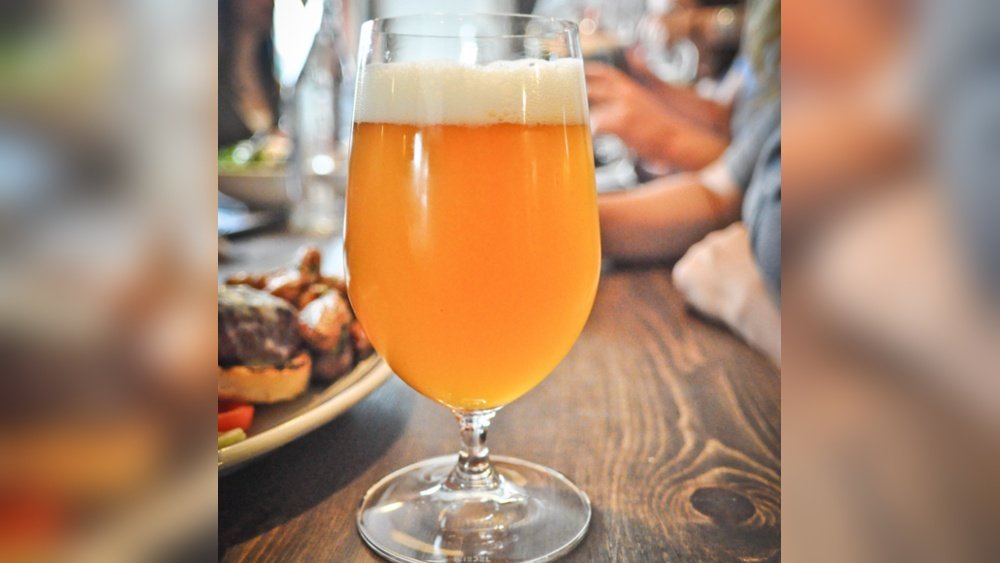
Are you ready to brew a refreshing beer that’s perfect for any season? A wheat ale might be just what your taste buds are craving.
Imagine pouring a glass of smooth, slightly fruity ale with a light, crisp finish—made by your own hands. This wheat ale recipe will guide you step-by-step, so you can create a beer that stands out and impresses your friends. Keep reading, and discover how simple ingredients and easy techniques come together to make your next favorite brew.
Your brewing adventure starts here.
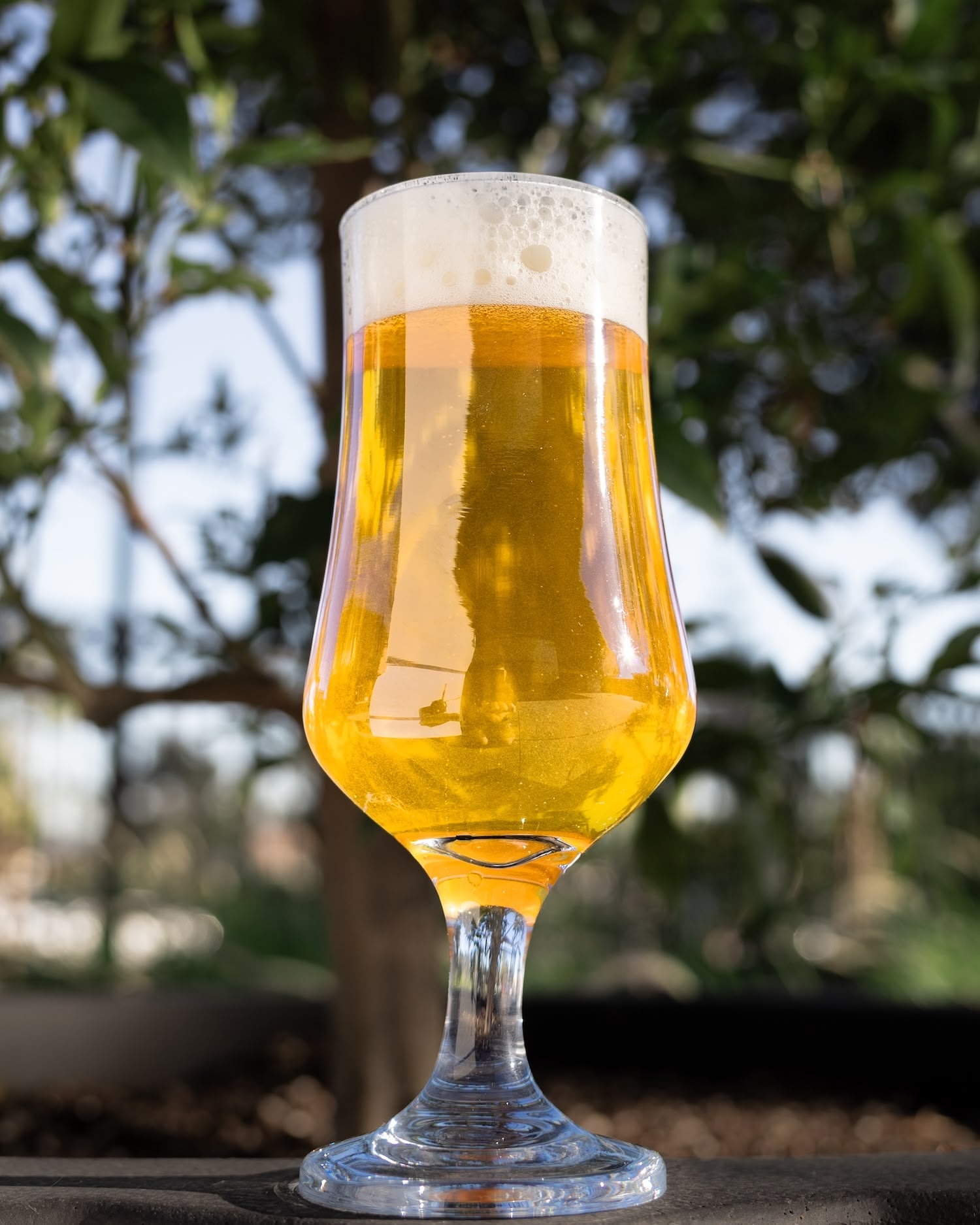
Credit: berkeleyyeast.com
Ingredients Needed
Creating a delicious wheat ale starts with the right ingredients. Each component plays a role in the flavor and texture of the beer. Choosing quality ingredients sets the foundation for a great brew.
Selecting The Right Wheat Malt
Wheat malt gives the ale its signature smooth taste and cloudy look. Use at least 50% wheat malt for an authentic wheat ale. It adds a soft body and helps with head retention. Choose malt that is fresh and lightly kilned to keep flavors bright.
Choosing Hops And Yeast
Pick hops that add mild bitterness and light aromas. Traditional wheat ales often use noble hops like Hallertau or Saaz. Yeast is very important. Use a yeast strain designed for wheat ale. It creates fruity and spicy notes that define the style.
Additional Flavorings
Add spices like coriander or orange peel for extra flavor. These ingredients brighten the beer and add complexity. Use them in small amounts to keep balance. You can also add small amounts of malted barley for sweetness and color.
Equipment Checklist
Before brewing your wheat ale, gather all necessary equipment. This checklist helps ensure a smooth brewing process. Having the right tools makes brewing easier and more enjoyable. Start with the essentials, then consider extras to improve your results.
Essential Brewing Tools
- Fermenter with airlock
- Large brewing pot (at least 5 gallons)
- Stirring spoon, preferably stainless steel
- Thermometer to monitor temperature
- Hydrometer to measure sugar levels
- Sanitizer for cleaning all equipment
- Bottles or kegs for storing the beer
- Capper and caps for sealing bottles
Optional Accessories For Better Results
- Wort chiller to cool the brew quickly
- Grain mill for crushing wheat and malt
- pH meter to check acidity levels
- Auto-siphon for easy transferring
- Brewing scale for precise measurements
- Temperature-controlled fermenter for stable brewing
Preparing The Mash
Preparing the mash is a key step in brewing wheat ale. It shapes the flavor and body of the beer. This process turns starches in the grains into sugars that yeast can use. Careful attention here leads to a smooth, tasty ale.
Grain Crushing Tips
Crushing the grains just right is important. Too fine, and the mash will be hard to drain. Too coarse, and you lose sugar extraction. Use a grain mill with adjustable settings. Aim for cracked grains, not powder. Check the crushed grains’ size before mashing.
Mashing Process And Temperature Control
Start by mixing crushed grains with warm water. Keep the mash at about 150°F (65°C) for 60 minutes. This temperature helps enzymes break down starches into sugars. Stir gently to avoid clumps. Use a thermometer to check the temperature often. If it drops, add small amounts of hot water. Maintaining temperature is key for good sugar extraction and flavor.
:max_bytes(150000):strip_icc()/__opt__aboutcom__coeus__resources__content_migration__serious_eats__seriouseats.com__recipes__images__20110521-153016-Homebrewing-American-Wheat-bc791ac734c14d1cabc20b241459588f.jpg)
Credit: www.seriouseats.com
Boiling And Adding Hops
Boiling and adding hops are key steps in brewing wheat ale. This stage shapes the beer’s flavor, aroma, and bitterness. Careful timing during the boil affects the final taste and character of your ale.
During boiling, the wort sterilizes and extracts flavors from the hops. The length of the boil and the moments when hops are added determine the balance of bitterness and aroma in your wheat ale.
Boil Duration
Typically, boil your wort for 60 minutes. This time fully sterilizes the liquid and extracts bitterness from the hops. Shorter boils may leave off-flavors. Longer boils risk reducing volume and affecting taste.
Keep the boil steady and avoid boiling over. Stir occasionally to prevent scorching at the bottom of the kettle. A clean, controlled boil produces better beer.
Hop Addition Timings
Add hops at different times during the boil for distinct effects. Early additions, around 60 minutes, provide bitterness. Mid-boil additions, about 30 minutes in, add mild bitterness and flavor.
Late additions, within the last 10 minutes, preserve hop aroma. Some brewers add hops after the boil, during cooling, to boost aroma without bitterness. Timing controls the hop profile in your wheat ale.
Cooling And Fermentation
Cooling and fermentation are key steps in making wheat ale. They affect the beer’s taste and quality. Proper cooling stops the cooking process fast. This helps keep flavors fresh and clear. Fermentation turns sugars into alcohol and carbon dioxide. It shapes the beer’s character and strength.
Rapid Cooling Methods
Cooling the wort quickly is important. It prevents unwanted bacteria and off-flavors. Use an immersion chiller. It is a coil of copper tubing that cools wort fast when water runs through it. Another method is a plate chiller. It cools wort by running it past cold water in thin plates. Both methods bring temperature down to yeast-friendly levels quickly.
Fermentation Environment
Keep the fermentation area clean and cool. Ideal temperature for wheat ale yeast is around 65-72°F (18-22°C). Too warm, and the beer may taste fruity or sour. Too cold, and fermentation slows down. Use a temperature-controlled space or a fermentation fridge. Make sure the fermenter is sealed but allows gas to escape. This avoids contamination and keeps yeast healthy.
Bottling And Carbonation
Bottling and carbonation are key steps in brewing wheat ale. Proper techniques ensure good taste and perfect fizz. This part of the process affects the beer’s flavor, texture, and shelf life. Careful handling helps avoid contamination and off-flavors.
Carbonation happens naturally in the bottle by adding sugar. Yeast consumes this sugar and produces carbon dioxide. This gas creates bubbles, giving the beer its refreshing fizz. Controlling sugar amount is important for right carbonation level.
Priming Sugar Calculation
Priming sugar feeds yeast to produce carbon dioxide. Use the right amount for balanced carbonation. Too little sugar leads to flat beer. Too much causes over-carbonation or bottle bursts.
Calculate sugar based on beer volume and desired CO2 level. Common sugars include corn sugar or table sugar. Dissolve sugar in water before adding to beer. Mix gently to avoid oxygen exposure.
Proper Sealing Techniques
Seal bottles tightly to keep carbonation inside. Use clean, sanitized caps or corks. Check bottles for cracks or defects before filling. Fill bottles leaving some space for gas expansion.
Use a good capper or corker for firm seals. Store bottles upright in a cool, dark place. Avoid temperature changes during carbonation. Proper sealing prevents leaks and keeps beer fresh longer.
Tasting And Adjustments
Tasting your wheat ale is a key step in the brewing process. It helps you understand the flavors you created. This step shows what works and what needs change. Be honest with your taste and take notes. This will guide your next brewing adventure.
Flavor Profile Evaluation
Start by smelling the ale. Notice any fruity or spicy notes. Take a small sip and let it cover your tongue. Check for sweetness, bitterness, and sourness. Is the wheat flavor strong or mild? Write down what you like or don’t like. This helps you see the full flavor picture.
Tweaks For Next Batch
Use your notes to adjust the recipe. Add more wheat malt for a fuller body. Reduce hops if the bitterness is too high. Try a different yeast to change the aroma. Adjust fermentation time for better taste balance. Small changes can make a big difference.
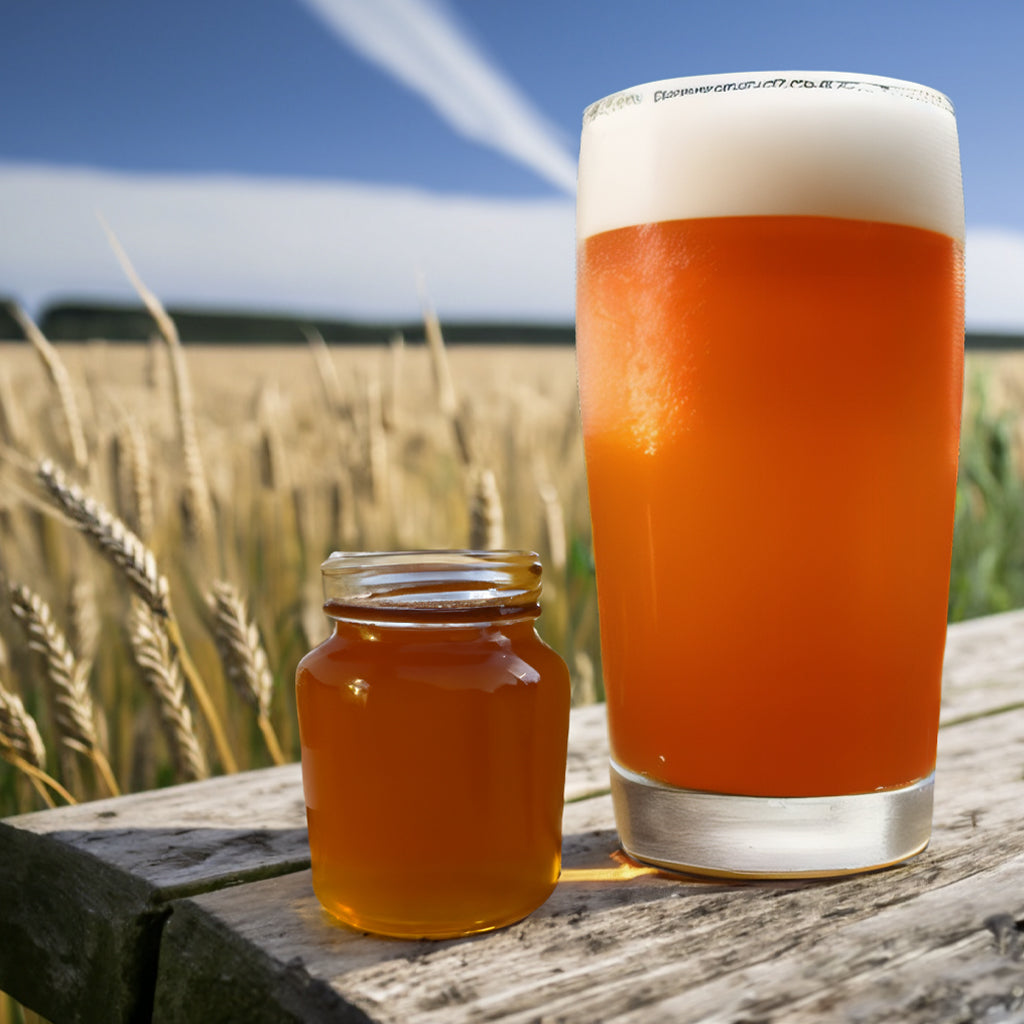
Credit: boomchugalug.com
Frequently Asked Questions
What Ingredients Are Essential For A Wheat Ale Recipe?
A wheat ale recipe requires wheat malt, pale malt, hops, yeast, and water. Wheat malt gives a smooth, creamy texture. Pale malt adds fermentable sugars. Hops provide bitterness and aroma. Yeast ferments sugars into alcohol, and water balances the brew.
How Long Does It Take To Brew Wheat Ale?
Brewing wheat ale usually takes about 4 to 6 weeks. This includes mashing, boiling, fermenting, and conditioning. Fermentation alone lasts around 1 to 2 weeks. Proper conditioning enhances flavor and clarity, ensuring a smooth, refreshing wheat ale.
What Yeast Strain Is Best For Wheat Ale?
Top-fermenting ale yeast, like American Wheat or Belgian yeast, is best. These strains produce fruity, spicy flavors that complement wheat malt. They ferment at warmer temperatures, enhancing the beer’s aroma and taste, making the wheat ale more flavorful and distinctive.
Can I Substitute Wheat Malt With Barley Malt?
Substituting wheat malt with barley malt changes texture and flavor. Wheat malt provides a smooth, creamy mouthfeel and haziness. Barley malt offers a drier, crisper finish and clearer beer. For authentic wheat ale, use at least 50% wheat malt in the grain bill.
Conclusion
Wheat ale brewing can be simple and fun. This recipe guides you step-by-step. Enjoy the fresh, smooth taste you create. Experiment with flavors to find your favorite blend. Home brewing brings pride and joy to many. Start small, learn, and improve each time.
Cheers to your new wheat ale adventure!
