


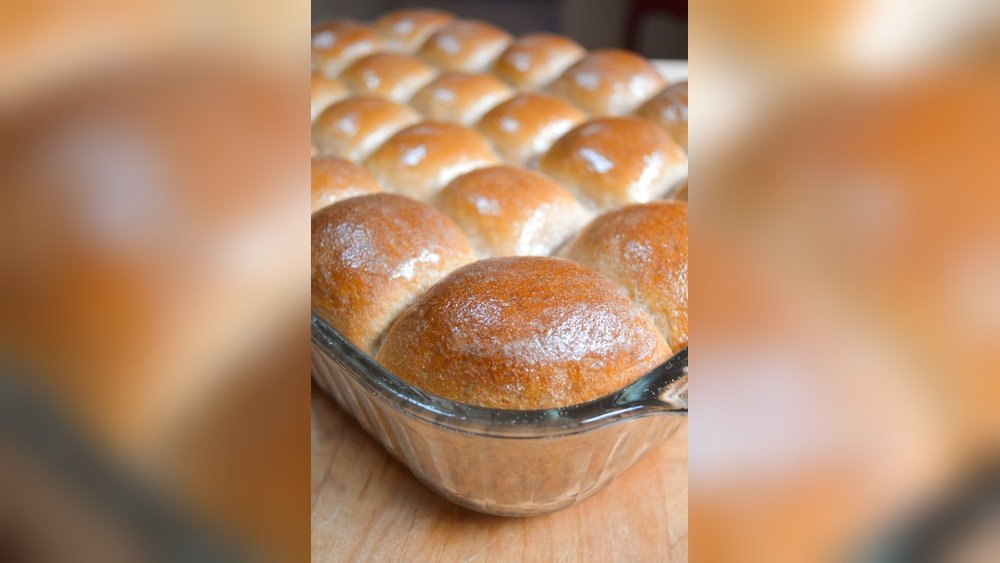
Are you craving a soft, delicious roll that’s both healthy and easy to make? Imagine biting into a warm wheat roll, fresh from your oven, with a perfect balance of fluffiness and wholesome flavor.
This wheat roll recipe is designed just for you—simple enough for beginners but tasty enough to impress your family and friends. Keep reading, and you’ll discover step-by-step how to create these irresistible rolls that will transform your meals and satisfy your taste buds every time.
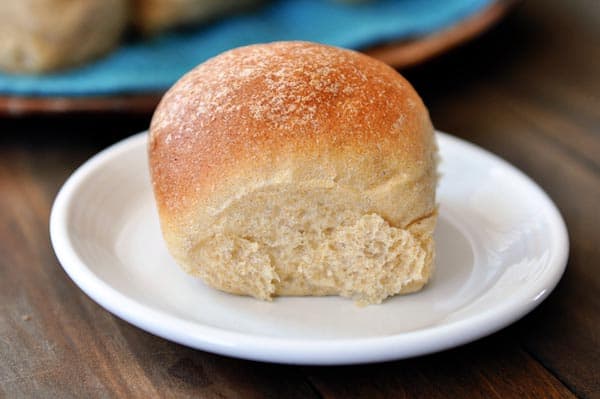
Credit: www.melskitchencafe.com
Ingredients For Wheat Rolls
Making wheat rolls starts with the right ingredients. Each component plays a key role in taste and texture.
Simple, natural ingredients create soft and healthy wheat rolls. These rolls fit well with many meals.
Whole Wheat Flour
Whole wheat flour forms the base of the dough. It gives the rolls a nutty flavor and rich texture. Using fresh flour ensures better taste and nutrition.
Yeast
Yeast helps the dough rise and become fluffy. Active dry yeast is commonly used for wheat rolls. It needs warm water to activate properly.
Warm Water
Warm water activates the yeast and binds the dough. The temperature must be just right—neither too hot nor too cold.
Sugar
Sugar feeds the yeast and adds slight sweetness. It also helps in browning the crust during baking.
Salt
Salt enhances flavor and controls yeast growth. It balances the sweetness and strengthens the dough.
Oil Or Butter
Oil or butter adds softness and moisture to the rolls. It improves the crumb and extends freshness.
Milk (optional)
Milk can replace some water to make rolls richer. It adds tenderness and a gentle flavor to the dough.
Preparing The Dough
Preparing the dough is the first important step in making soft wheat rolls. It sets the texture and flavor for the bread. Careful preparation leads to light, fluffy rolls with a good crumb.
Mixing Dry And Wet Ingredients
Start by combining all dry ingredients in a large bowl. Use wheat flour, yeast, salt, and a little sugar. In another bowl, mix warm water and oil. Pour the wet mix into the dry ingredients. Stir gently until a rough dough forms. Avoid over-mixing at this stage to keep the dough light.
Kneading Techniques
Turn the dough onto a clean surface. Press and fold it with your hands. Use the heel of your palm to push the dough away. Fold it back towards you and repeat. Knead for about 8 to 10 minutes. The dough should become smooth and elastic. Soft but not sticky. Proper kneading helps develop gluten for better texture.
Resting And Rising Time
Place the dough in a greased bowl. Cover it with a clean cloth or plastic wrap. Let it rest in a warm place. The dough will rise and double in size. This usually takes 1 to 2 hours. Rising allows the yeast to create air bubbles. This makes the rolls soft and airy inside.
Shaping The Rolls
Shaping the rolls is an important step in making wheat rolls. It gives the dough its final form and affects how the rolls bake. Proper shaping helps the rolls rise evenly and look appealing. It also creates a soft texture inside with a nice crust outside.
Dividing The Dough
Start by dusting your work surface with flour. This stops the dough from sticking. Use a dough scraper or knife to cut the dough into equal pieces. Each piece should weigh about the same. This helps the rolls bake at the same time. Handle the dough gently to keep air inside.
Forming Perfect Rolls
Take one piece of dough and cup your hand around it. Push the edges under to create a smooth top. Roll it gently on the surface to make a round shape. Make sure the seam is tight underneath. This keeps the roll from opening while baking. Place each roll on a baking tray with space between. Cover the rolls before the next rise to keep them soft.
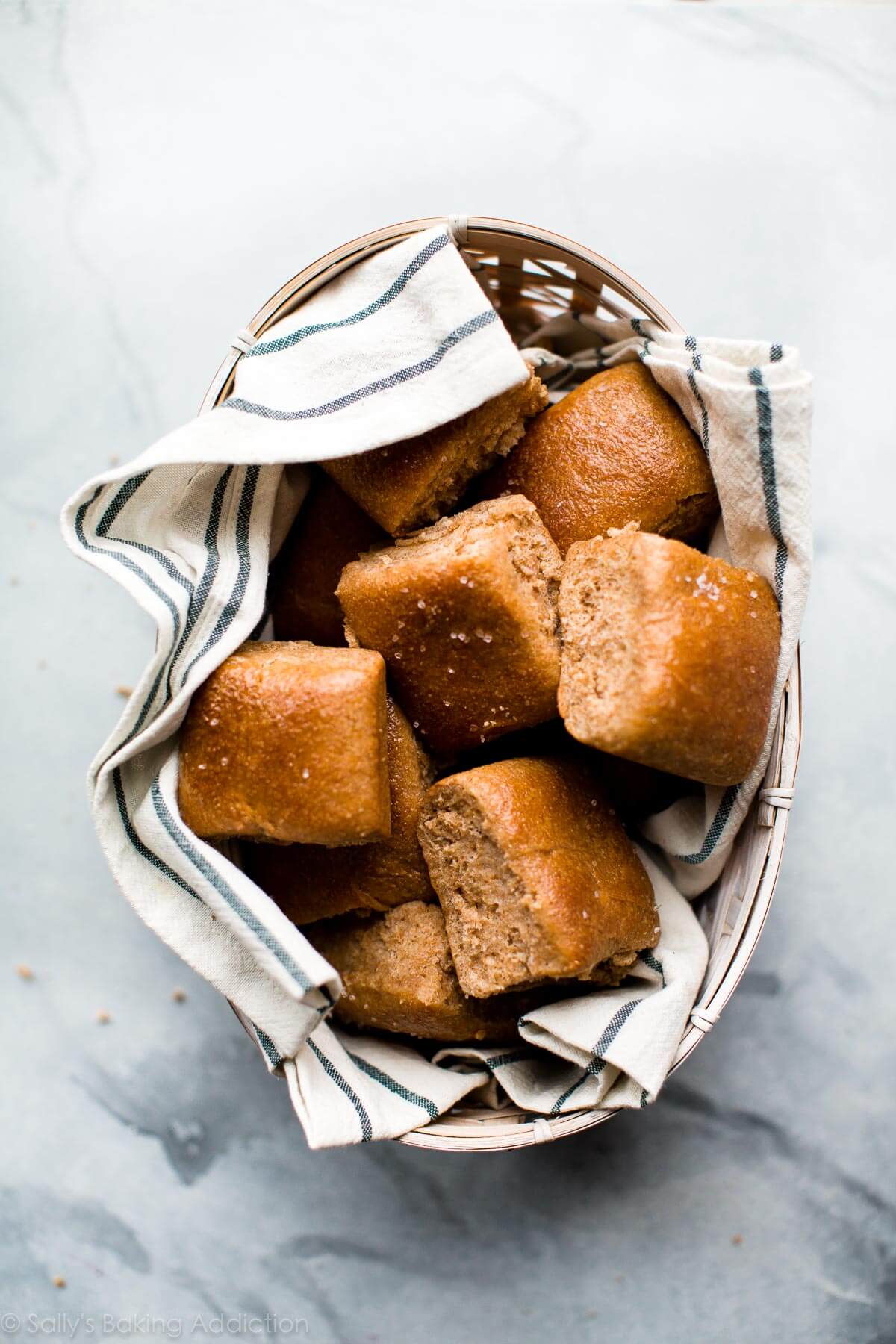
Credit: sallysbakingaddiction.com
Baking Tips
Baking wheat rolls can be simple with the right tips. Small changes make big differences. These tips help you bake rolls that taste fresh and soft every time.
Oven Temperature And Timing
Set the oven to 375°F (190°C) for even baking. Preheat fully before placing rolls inside. Bake for 15 to 20 minutes. Avoid opening the oven too often. It keeps the heat steady and helps rolls rise well.
Achieving Soft Texture
Use warm water to activate yeast properly. Adding a little milk or butter softens the dough. Cover dough while rising to keep moisture. Brush rolls with melted butter right after baking. This keeps the crust soft and tasty.
Checking For Doneness
Look for a golden brown color on top. Tap the roll gently; it should sound hollow. Use a toothpick to check inside. If it comes out clean, the rolls are done. Cool on a wire rack to keep them fresh longer.
Serving Suggestions
Wheat rolls are soft, tasty, and versatile. They pair well with many dishes. Serving them right can make your meal special. Here are some ideas to enjoy your wheat rolls fully.
Best Accompaniments
Wheat rolls go great with soups like tomato or vegetable. They soak up flavors and add texture. Try them with creamy stews or thick curries for a hearty meal. Butter and jam make a simple, sweet topping. Cheese slices or cold cuts turn rolls into quick snacks. Fresh salads and grilled vegetables also complement wheat rolls well.
Storage And Reheating
Store wheat rolls in an airtight container to keep freshness. They stay soft for up to three days at room temperature. Freeze them for longer storage, up to a month. Reheat rolls by warming in an oven at low heat. A quick microwave zap also works but can make them chewy. Wrap in foil to keep moisture during reheating.
Troubleshooting Common Issues
Baking wheat rolls can sometimes be tricky. Problems may arise that affect the texture and taste. Troubleshooting common issues helps make perfect rolls every time.
Understanding what causes these problems makes it easier to fix them. Small changes in the process can bring big improvements.
Dense Or Hard Rolls
Dense rolls happen when the dough is too dry or over-kneaded. Use the right amount of water to keep dough soft. Do not knead the dough for too long. Also, check the flour type; whole wheat flour absorbs more water.
Let the dough rest enough to relax the gluten. This helps the rolls become light and fluffy. Avoid adding too much flour during shaping. It can make the rolls tough.
Dough Not Rising
Dough may not rise if the yeast is old or inactive. Always check the expiration date of your yeast. Warm water helps activate yeast, but water that is too hot can kill it.
Keep the dough in a warm, draft-free place to rise. Cold or windy spots slow down rising. Cover the dough to retain moisture and warmth.
Uneven Baking
Uneven baking causes some rolls to burn while others stay raw. Place rolls evenly spaced on the baking tray. Use the middle rack of the oven for best heat distribution.
Rotate the tray halfway through baking for even color. Check your oven temperature with an oven thermometer. Some ovens run hotter or cooler than the dial shows.
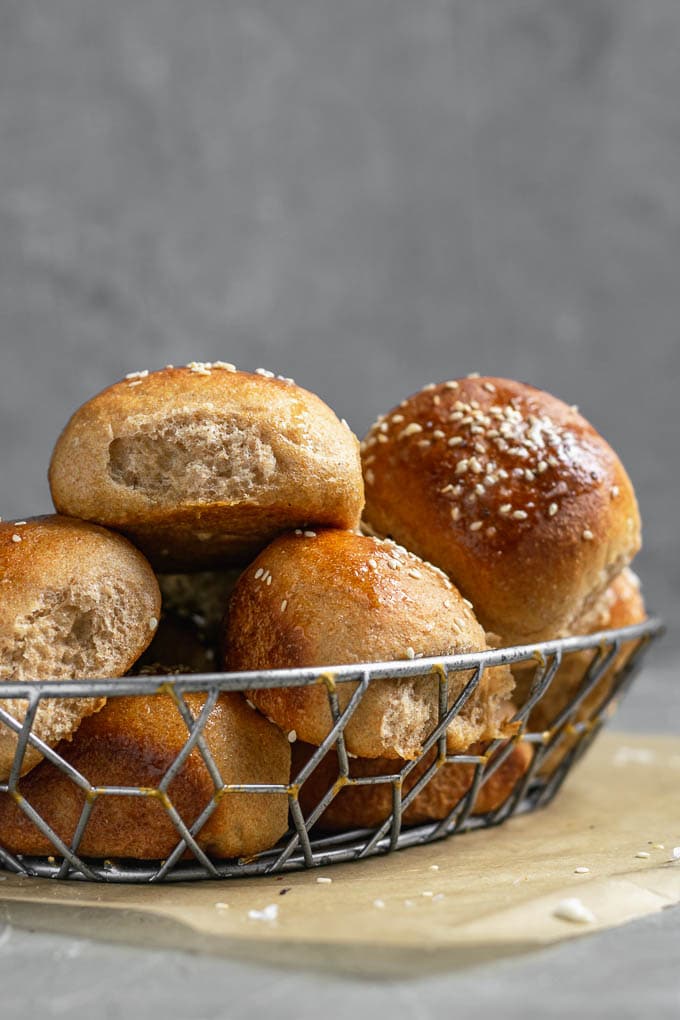
Credit: www.thecuriouschickpea.com
Frequently Asked Questions
What Ingredients Are Needed For Wheat Roll Recipe?
You need whole wheat flour, yeast, sugar, salt, water, and oil. These ingredients create soft, healthy wheat rolls with great texture and flavor.
How Long Does It Take To Make Wheat Rolls?
Preparation and rising take about 1 to 1. 5 hours. Baking takes 15 to 20 minutes until golden brown and cooked through.
Can I Freeze Homemade Wheat Rolls?
Yes, freeze cooled wheat rolls in airtight bags. They stay fresh for up to 3 months and can be reheated easily.
Are Wheat Rolls Healthier Than White Bread Rolls?
Yes, wheat rolls have more fiber, vitamins, and minerals. They support digestion and provide longer-lasting energy than white bread rolls.
Conclusion
Wheat rolls bring a healthy touch to any meal. They are soft, tasty, and easy to make at home. Using simple ingredients keeps the recipe affordable and fresh. You can enjoy them plain or with your favorite fillings. Baking your own rolls gives you control over quality and flavor.
Try this recipe to add wholesome bread to your table today. Fresh wheat rolls can brighten breakfast or dinner time. Give it a go and enjoy the warm, soft taste!
