


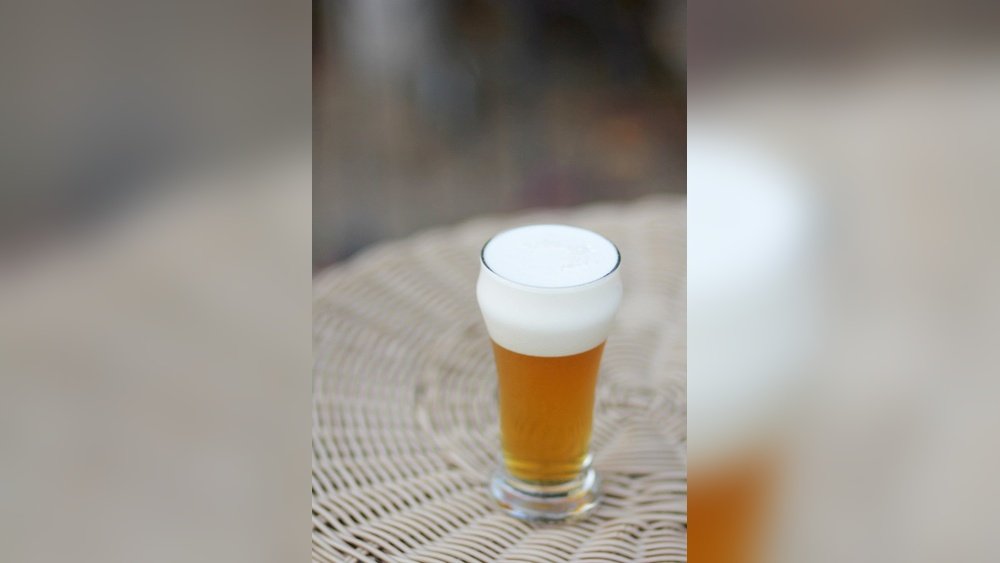
Are you ready to try something truly unique with your brewing skills? A white stout might sound surprising, but it’s a delicious twist on a classic favorite.
Imagine the rich, creamy texture of a stout, without the dark color or heavy bitterness. This white stout recipe will show you how to craft a smooth, flavorful beer that stands out from the crowd. If you want to impress your friends or simply enjoy a fresh take on a beloved style, keep reading—your next favorite brew is just a few steps away.
Ingredients For White Stout
Crafting a white stout starts with choosing the right ingredients. Each component shapes the beer’s taste, color, and aroma. Understanding these ingredients helps you brew a balanced and flavorful white stout.
This section breaks down the essential ingredients needed for a white stout recipe. From malts to yeast, every choice matters.
Base Malts Selection
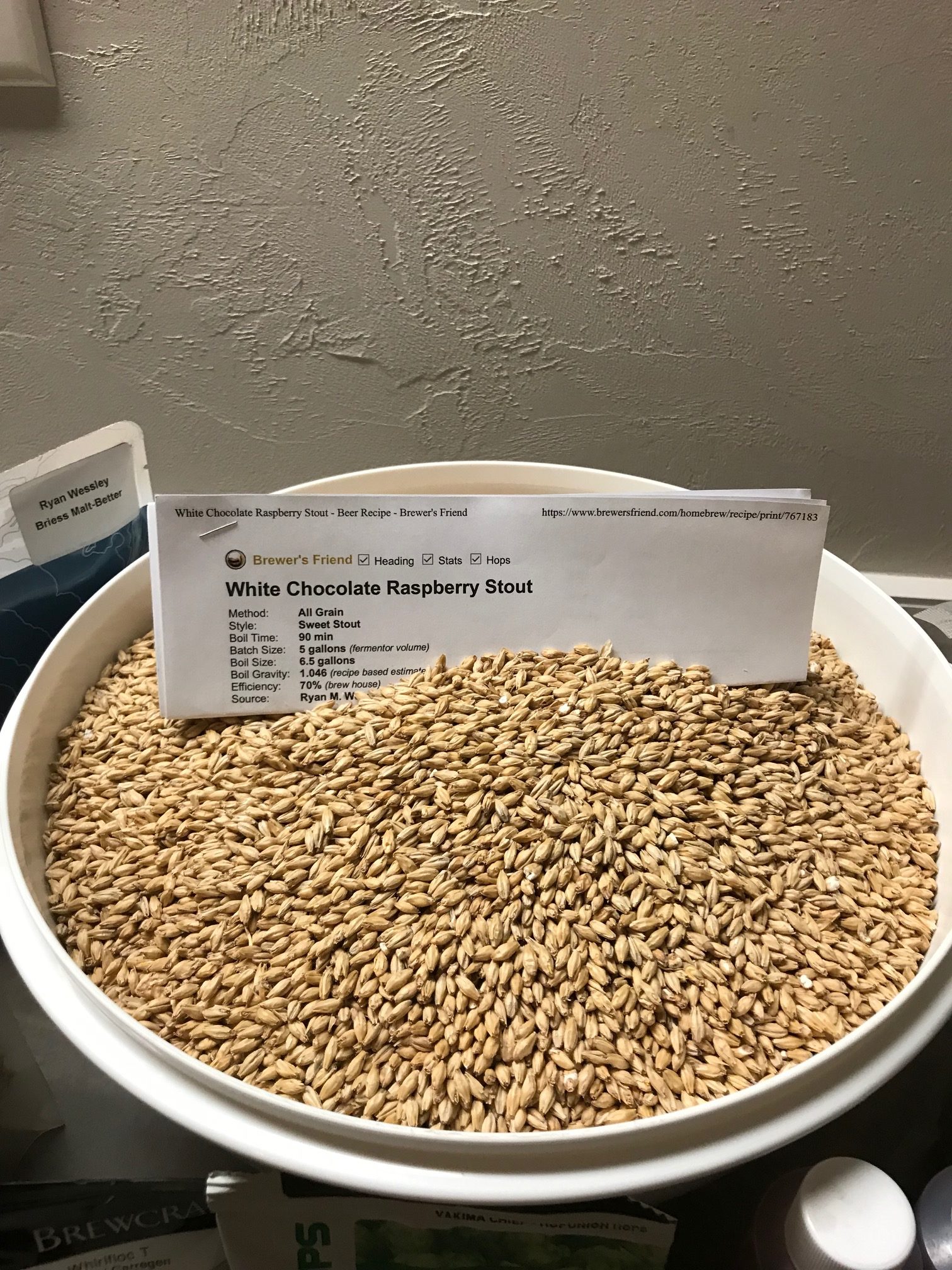
Base malts form the beer’s body and sugar source. Pale malt or pilsner malt is common for white stout. These malts provide a light color and clean flavor. They allow other ingredients to stand out.
Specialty Grains
Specialty grains add depth and complexity. Flaked oats or wheat give smoothness and creaminess. Light roasted malts add subtle coffee or chocolate notes without darkening too much. These grains balance the stout’s character.
Hops Choices
Hops add bitterness and aroma. Soft, floral, or earthy hop varieties suit white stouts best. Avoid strong or resinous hops that overpower. Keep bitterness moderate to complement malt flavors.
Yeast Strains
Yeast affects fermentation and flavor. English ale yeast or clean American strains work well. They produce mild fruity esters and enhance malt sweetness. A healthy yeast helps create a smooth finish.
Additional Flavorings
Extra ingredients can enrich the recipe. Vanilla beans, lactose sugar, or spices like coriander add unique notes. These flavorings should be subtle to keep the stout’s delicate profile. Use them carefully for balance.
Credit: www.brewingwithbriess.com
Brewing Equipment Essentials
Starting a White Stout recipe requires the right tools. Good equipment helps make better beer. It keeps the process clean and easy. Every brewer needs basic tools to get started. These tools help control the brewing well. They protect the flavor and quality of your stout.
Fermenters And Kettles
Fermenters hold the beer while it changes to alcohol. Choose one with a tight lid to stop air entry. Kettles are pots where you boil your ingredients. Use stainless steel for easy cleaning and long use. The right size helps avoid spills during boiling. Both must be sturdy and safe for food use.
Temperature Control Tools
Temperature affects the taste of your White Stout. A good thermometer helps you watch the heat closely. Use a temperature controller to keep it steady. Cooling devices lower the temperature fast after boiling. Keeping the right temperature helps yeast work well. This control makes your stout smooth and rich.
Sanitation Supplies
Cleanliness is key in brewing beer. Use sanitizers to kill germs on all tools. Clean fermenters, kettles, and hoses before use. Avoid strong soaps that leave bad smells or tastes. Sanitation stops bad bacteria from spoiling your stout. Good hygiene helps make safe and tasty beer every time.
Step-by-step Brewing Process
The step-by-step brewing process breaks down the making of white stout into clear, simple parts. Each stage shapes the final taste and texture of your beer. Follow these steps carefully to craft a smooth, rich white stout with creamy notes and subtle coffee flavors.
Mashing Techniques
Start by heating your grains with water in the mash tun. This activates enzymes that turn starches into fermentable sugars. Keep the temperature between 148°F and 158°F for 60 minutes. Stir gently to mix the grains evenly. After mashing, drain the sweet liquid called wort from the grains.
Boiling And Hopping
Bring the wort to a boil for about 60 minutes. Add hops at different times for bitterness and aroma. Early hops give bitterness, while late hops add flavor. Boiling also sterilizes the wort, making it safe for fermentation. Watch the boil carefully to avoid spills or overflows.
Cooling And Fermentation
Cool the boiled wort quickly to around 68°F. Use a wort chiller or an ice bath. Transfer the cooled wort to a fermenter. Add yeast to start fermentation. Keep the fermenter in a dark, stable place. Fermentation usually takes one to two weeks. The yeast turns sugars into alcohol and carbon dioxide.
Conditioning And Bottling
After fermentation, let the beer rest for a few days to clear. Prepare bottles by cleaning and sanitizing them. Add a small amount of sugar to each bottle. This helps create natural carbonation. Fill bottles with beer and seal them tightly. Store bottles in a cool, dark place for two weeks. This time improves flavor and carbonation.
Flavor Profiles And Adjustments
The flavor profile of a white stout is unique and inviting. It blends creamy textures with subtle bitterness and sweet undertones. Adjusting these flavors helps create a balanced and enjoyable beer. Each element plays a key role in the final taste. Small changes can lead to big differences.
Balancing Bitterness And Sweetness
Bitterness in a white stout comes from hops. It adds a sharp, crisp edge to the beer. Sweetness comes from malt and sometimes added sugars. The goal is to balance these two flavors well. Too much bitterness can make the stout harsh. Too much sweetness can make it cloying. Adjust hop amounts and malt types to find the right mix. Taste often during brewing to guide your choices.
Enhancing Creaminess
Creaminess gives a white stout its smooth mouthfeel. Use oats or lactose to add a silky texture. These ingredients make the beer feel fuller and rounder. Controlling fermentation temperature also affects creaminess. A lower temperature can help retain smoothness. Experiment with different grains and sugars to reach the creaminess level you prefer.
Adding Coffee And Chocolate Notes
Traditional stouts often have coffee and chocolate flavors. White stouts use lighter malts but can still carry these notes. Add small amounts of roasted barley or specialty malts. You can also add brewed coffee or cocoa nibs during brewing. These additions give complexity without darkening the beer too much. Use sparingly to avoid overpowering the delicate flavors.
Common Challenges And Fixes
Making a white stout is fun but not without challenges. Knowing common problems helps you fix them fast. This saves time and improves your brew’s taste and look.
Avoiding Off-flavors
Off-flavors ruin the smooth taste of a white stout. They come from poor sanitation or wrong fermentation temperature. Clean all equipment well. Keep fermentation between 65°F and 70°F. Use fresh ingredients and proper yeast. These steps stop sour or metallic tastes.
Preventing Over-carbonation
Too much carbonation can make your beer fizzy and unsafe. Measure sugar carefully before bottling. Use the right amount of priming sugar. Store bottles at room temperature for two weeks. Chill the beer before opening. This controls bubbles and prevents bottle explosions.
Ensuring Clarity
Clear beer looks more inviting and tastes better. Cloudiness comes from yeast or proteins not settling. Use cold crashing to help particles drop. Add fining agents like gelatin if needed. Filter the beer gently. Patience is key for clear, bright white stout.

Credit: www.beerandbrewing.com
Serving And Pairing Tips
Serving and pairing a white stout properly enhances its unique flavor. This beer blends the rich creaminess of a stout with lighter, fruity notes. The right glass, food, and storage help bring out its best qualities. These tips make your white stout experience enjoyable and memorable.
Ideal Glassware
Choose a tulip glass or a snifter for serving white stout. These glasses hold the aroma well. They also help maintain the beer’s head. A proper glass highlights the beer’s creamy texture and subtle flavors. Avoid tall, narrow glasses that reduce aroma release.
Food Pairings
White stout pairs well with spicy dishes. Try it with Thai or Indian food. The beer’s sweetness balances heat and spices. It also complements creamy cheeses like Brie or Camembert. For desserts, go with white chocolate or vanilla-based treats. These pairings enhance the beer’s smooth taste.
Storage Recommendations
Store white stout in a cool, dark place. Keep it between 45-55°F (7-13°C) for best flavor. Avoid temperature swings to prevent spoilage. Once opened, consume within two days for freshness. Proper storage keeps the beer’s taste fresh and vibrant.
Experimenting With Variations
Experimenting with variations in your white stout recipe brings new flavors and excitement. It makes brewing more fun and personal. Small changes can lead to big differences in taste and aroma.
Trying different ingredients or techniques helps you find your favorite version. Each batch becomes a unique creation. This process also improves your brewing skills over time.
Adding Spices
Spices add depth and warmth to white stout. Common choices include cinnamon, nutmeg, and coriander. These spices create cozy and complex flavors. Use small amounts to avoid overpowering the beer. Experiment with different blends to discover what works best.
Using Different Yeast
Yeast shapes the flavor and body of your stout. Try ale yeast for fruity notes or saison yeast for spicy hints. Each yeast strain changes the beer’s character. Some yeasts produce drier finishes, others softer ones. Testing various yeasts helps match the beer to your taste.
Incorporating Barrel Aging
Barrel aging adds rich flavors and smoothness. Oak barrels can give vanilla, caramel, or smoky notes. Aging time affects the strength of these flavors. Use barrels or oak chips depending on your setup. This step adds complexity and a special touch to your stout.
Credit: www.beerandbrewing.com
Frequently Asked Questions
What Ingredients Are Essential For A White Stout Recipe?
A white stout uses pale malts, lactose, oats, and unique hops. These create a creamy, sweet, and smooth beer with stout flavors but a lighter color.
How Long Does It Take To Brew White Stout?
Brewing white stout typically takes 4 to 6 weeks. This includes fermentation and conditioning for optimal flavor development and smoothness.
Can I Use Lactose In White Stout Brewing?
Yes, lactose adds sweetness and body to white stouts. It enhances creaminess and balances bitterness without fermenting into alcohol.
What Yeast Strain Works Best For White Stout?
English ale yeast or Belgian yeast strains are ideal. They provide mild fruity esters and help develop the stout’s rich flavor profile.
Conclusion
This white stout recipe offers a fresh twist on classic beer. You can enjoy a smooth, creamy taste with light flavors. Brewing at home allows you to control ingredients and taste. Experimenting with this recipe makes brewing fun and rewarding.
Try it out and share with friends for great moments. Brewing your own beer brings pride and enjoyment. Give this white stout recipe a chance today.
