


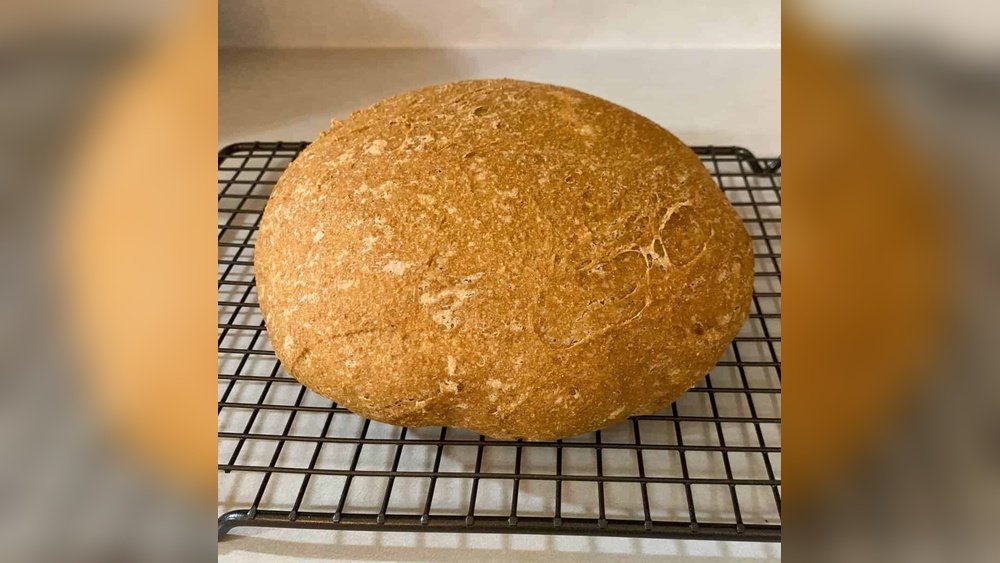
Are you ready to bake bread that’s both delicious and healthy? This whole wheat boule recipe is exactly what you need.
Imagine slicing into a warm, crusty loaf with a soft, nutty center made from simple ingredients you trust. Whether you’re a baking beginner or looking to improve your skills, this recipe will guide you step-by-step to create bread that fills your kitchen with irresistible aroma.
Keep reading, and soon you’ll be enjoying fresh, homemade whole wheat bread that’s perfect for any meal.

Credit: cuisinicity.com
Ingredients For Whole Wheat Boule
Ingredients are the heart of a whole wheat boule. They shape the taste, texture, and rise of the bread. Knowing the right ingredients helps you bake a perfect loaf every time. Let’s explore the key components that make this bread wholesome and delicious.
Choosing The Right Whole Wheat Flour
Select whole wheat flour that is fresh and finely ground. Fresh flour gives a better flavor and texture. Fine grind helps the dough rise and feel soft. Organic or stone-ground options add natural nutrients. Avoid old or coarse flour for best results.
Essential Ingredients And Their Roles
Whole wheat flour forms the base of the boule. Water hydrates the flour and activates yeast. Yeast makes the dough rise and become airy. Salt controls the yeast and enhances flavor. A little sugar or honey can feed the yeast. Olive oil or butter adds moisture and richness.
Optional Add-ins For Flavor
Seeds like flax, sunflower, or sesame add crunch and nutrition. Nuts provide a delightful texture and taste. Herbs such as rosemary or thyme give a fresh aroma. Dried fruits like raisins or cranberries add sweetness. These extras make your boule unique and tasty.
Step-by-step Preparation
Preparing whole wheat boule bread involves clear, simple steps. Follow each stage carefully for the best results. This guide breaks down the process into easy parts.
Mixing The Dough
Start by combining whole wheat flour, water, yeast, and salt. Use a large bowl for better mixing space. Stir gently until all ingredients join together. The dough should feel sticky but not too wet. Let it rest for a few minutes to hydrate the flour.
Kneading Techniques
Transfer dough to a clean surface. Push it with the heel of your hand. Fold it back and repeat. Knead for about 10 minutes. The dough becomes smooth and elastic. Avoid adding too much flour during kneading. It can make bread heavy.
First Rise: Timing And Tips
Place the dough in a lightly oiled bowl. Cover with a damp cloth or plastic wrap. Keep it in a warm, draft-free spot. Let it rise for 1 to 2 hours. The dough should double in size. Check gently without disturbing it too much.
Shaping And Second Rise
The shaping and second rise are key steps in making a whole wheat boule. These steps give the bread its final form and texture. Proper shaping helps the dough hold air. The second rise, also called proofing, allows the dough to expand again. This process creates a light, fluffy crumb inside the crust. Both steps need gentle handling to keep the dough soft and airy.
Forming The Boule Shape
Start by gently pressing the dough to remove large air bubbles. Fold the edges toward the center to create tension. Turn the dough over and use your hands to shape it into a tight ball. Tuck the edges under for a smooth surface. This tension helps the dough rise evenly. A well-shaped boule holds its shape during baking. Use a bench scraper if the dough sticks to the surface.
Proofing For Perfect Texture
Place the shaped dough in a floured banneton or bowl. Cover with a clean towel or plastic wrap to prevent drying. Let the dough rise at room temperature until it almost doubles in size. This usually takes 45 to 90 minutes. The dough should feel light and springy when gently pressed. Avoid letting it overproof, or it will collapse. Proper proofing ensures a soft crumb and a crusty exterior.
Baking The Boule
Baking the boule is the final step that turns dough into delicious bread. Proper baking helps create a golden crust and soft inside. It needs the right oven setup, temperature, and timing. These details make a big difference in your whole wheat boule.
Oven Setup And Temperature
Preheat your oven to 450°F (230°C). A hot oven helps the bread rise quickly. Place a rack in the middle to allow even heat circulation. Avoid opening the oven door often. It can cause the temperature to drop and affect the bake.
Using A Dutch Oven Or Baking Stone
A Dutch oven traps steam, creating a perfect crust. Preheat it inside the oven for 30 minutes before baking. Carefully place the dough inside the hot Dutch oven. If you use a baking stone, place the dough directly on it. Add a pan of water below to create steam for a crispy crust.
Baking Time And Indicators
Bake the boule for 30 to 40 minutes. Remove the lid of the Dutch oven after 20 minutes to brown the crust. The bread is ready when it sounds hollow when tapped. The crust should be firm and golden brown. Use these signs to avoid underbaking or burning.
Serving And Storage
Serving and storing your whole wheat boule properly keeps it fresh and tasty. This section covers easy ways to enjoy your bread and how to store it right. Follow these simple tips to enjoy your homemade bread longer and avoid waste.
Best Ways To Enjoy Your Bread
Slice your whole wheat boule fresh for the best taste. Toast slices lightly for a crispy outside and soft inside. Use it for sandwiches, with butter, or as a side with soups. Warm bread pairs well with cheese or jam. Try dipping slices in olive oil or balsamic vinegar for a simple snack.
Storing To Maintain Freshness
Keep your bread in a cool, dry place away from sunlight. Wrap it in a clean kitchen towel or paper bag to let it breathe. Avoid plastic bags, as they trap moisture and cause sogginess. Store bread at room temperature and use it within three days for best flavor. Check for mold before eating leftover bread.
Freezing And Reheating Tips
Freeze your whole wheat boule to keep it fresh longer. Slice the bread before freezing for easy use. Wrap slices tightly in plastic wrap or foil. Place them in a freezer-safe bag and remove air. Thaw slices at room temperature or toast them directly from frozen. Reheat the whole boule in the oven at 350°F for 10-15 minutes to restore crust crispness.

Credit: thewordybaker.wordpress.com
Health Benefits Of Whole Wheat Bread
Whole wheat bread offers many health benefits. It is a smart choice for daily meals. Its natural ingredients support overall wellness. Choosing whole wheat bread can improve your diet.
Nutritional Advantages
Whole wheat bread contains vitamins and minerals. It has B vitamins like niacin and folate. These help the body make energy. It also provides iron and magnesium. These minerals support healthy blood and bones.
Fiber And Digestive Health
Fiber is high in whole wheat bread. Fiber helps keep the digestive system healthy. It aids regular bowel movements and prevents constipation. Eating fiber-rich bread can also help control weight. Fiber makes you feel full longer after meals.
Whole Wheat Vs. Refined Flour
Whole wheat uses the entire grain. Refined flour removes the bran and germ. This removes many nutrients and fiber. Whole wheat bread keeps natural vitamins and fiber. It is better for blood sugar control. Refined flour can cause quick blood sugar spikes.
Troubleshooting Common Issues
Baking whole wheat boule can sometimes be tricky. Small problems may stop your bread from turning out perfect. Knowing how to fix common issues helps save time and ingredients. This guide explains easy ways to solve common baking problems.
Dough Too Sticky Or Dry
Sticky dough feels wet and hard to handle. Add a little flour, one tablespoon at a time. Mix gently until dough is soft and smooth but not sticky. Dry dough cracks and does not come together well. Add water slowly, one teaspoon at a time. Stop when dough feels elastic and slightly tacky.
Dense Or Heavy Bread
Heavy bread can happen if dough does not rise enough. Check yeast freshness. Warm water helps yeast work better. Let dough rise in a warm spot without drafts. Over kneading can make bread tough. Knead just until dough is smooth and elastic. Use the right flour amount. Too much flour makes bread dense.
Crust Problems
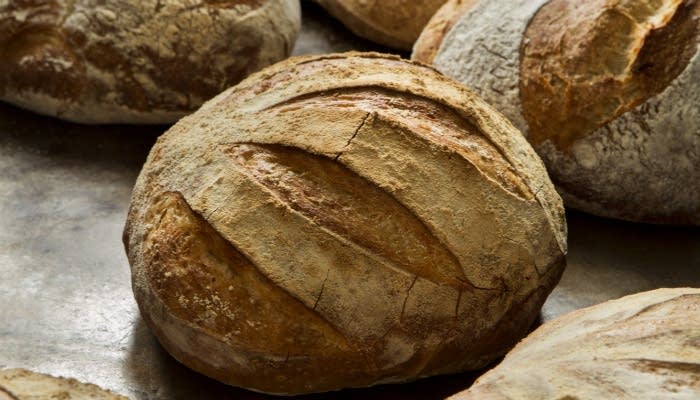
Crust too hard or thick? Try lowering oven temperature slightly. Bake longer if needed for even cooking. For soft crust, brush bread with butter right after baking. Pale crust means oven is not hot enough. Preheat oven fully before baking. Use steam in the oven by placing a pan of water inside. This keeps crust moist and shiny.
Credit: www.splendidtable.org
Frequently Asked Questions
What Ingredients Are Needed For A Whole Wheat Boule?
You need whole wheat flour, water, yeast, salt, and optionally honey or olive oil. These create a wholesome, flavorful bread.
How Long Does It Take To Bake A Whole Wheat Boule?
Baking typically takes 30 to 40 minutes at 425°F (220°C) until the crust is golden and crisp.
Can I Use Whole Wheat Flour Only For Boule?
Yes, 100% whole wheat flour works well but may yield denser bread than mixed flours.
How To Store Whole Wheat Boule For Freshness?
Store in a paper bag at room temperature for 2-3 days or freeze for longer storage.
Conclusion
This whole wheat boule recipe is simple and healthy. It uses basic ingredients you can find easily. Baking your own bread saves money and tastes fresh. The crust turns golden and crunchy, while the inside stays soft. This bread suits sandwiches, toast, or just plain butter.
Baking at home gives you control over what you eat. Try this recipe to enjoy homemade bread anytime. Baking bread can be fun and rewarding. Give it a go and enjoy every bite!
