


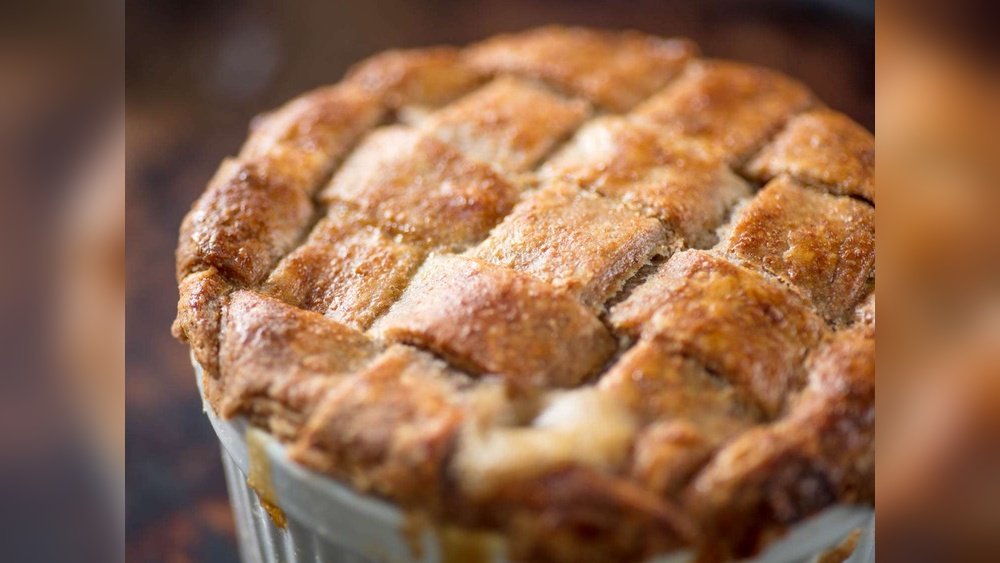
Are you ready to bake a pie that’s not only delicious but also healthier? Using whole wheat flour for your pie dough adds a nutty flavor and extra nutrients without sacrificing taste or texture.
Imagine biting into a flaky, golden crust made with simple ingredients you can trust. In this recipe, you’ll learn how to create perfect whole wheat pie dough that’s easy to handle and bakes beautifully every time. Keep reading, and you’ll discover tips and tricks to make your homemade pie crust the star of your next dessert or savory dish.
Your baking game is about to get a whole lot better!
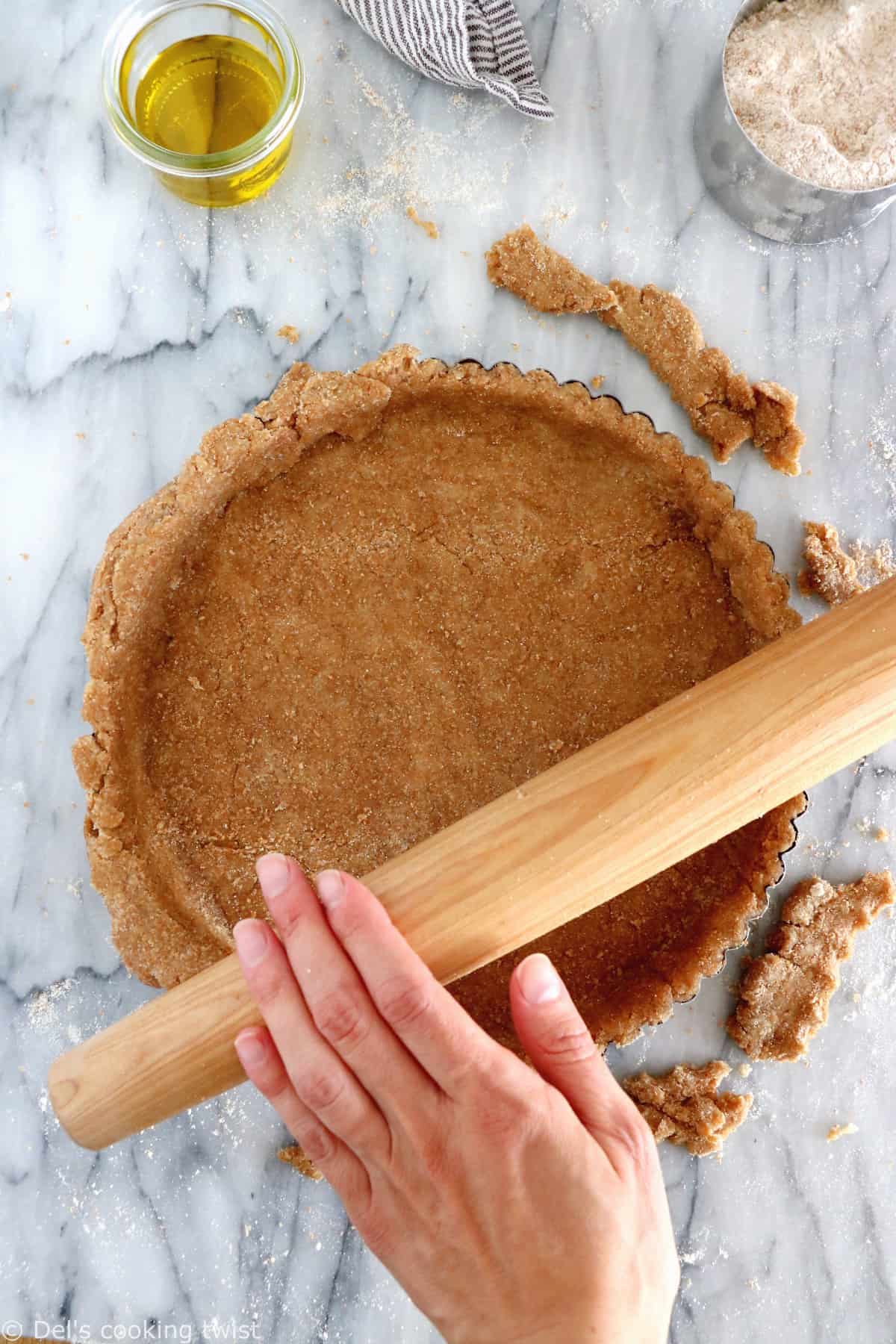
Credit: www.delscookingtwist.com
Benefits Of Whole Wheat Flour
Whole wheat flour is a great choice for pie dough. It offers many benefits that make your baked goods healthier and tastier. Using whole wheat flour adds nutrition and a rich flavor to your pies. It also supports better health by providing important nutrients.
Nutritional Advantages
Whole wheat flour contains more fiber than white flour. Fiber helps digestion and keeps you full longer. It also has vitamins like B vitamins and minerals such as iron and magnesium. These nutrients support energy and overall body function.
Flavor Profile
Whole wheat flour gives a nutty, slightly sweet taste. This flavor adds depth to pie crusts. It makes pies more interesting and satisfying. The texture is a bit denser but still tender when baked well.
Health Impact
Using whole wheat flour may help control blood sugar. It supports heart health by lowering cholesterol levels. The high fiber content aids in weight management. Choosing whole wheat pie dough promotes better long-term health.
:max_bytes(150000):strip_icc()/__opt__aboutcom__coeus__resources__content_migration__serious_eats__seriouseats.com__images__2017__08__20170729-whole-wheat-pie-crust-vicky-wasik-16-980274db9eac44c484490a4c1d402e73.jpg)
Credit: www.seriouseats.com
Ingredients For Pie Dough
Making pie dough with whole wheat flour needs good ingredients. Each part plays a role in taste and texture. Choosing the right ingredients helps create a crust that is both strong and tender. Let’s explore what goes into this simple recipe.
Choosing The Right Flour
Whole wheat flour gives a nutty flavor and a hearty texture. It has more fiber than white flour. Pick a fresh, finely ground flour for best results. Using whole wheat keeps the dough healthy and full of nutrients.
Essential Additives
Butter or shortening adds richness and flakiness to the dough. Cold fat helps make layers in the crust. Water binds the flour and fat together. Use ice-cold water to keep the dough cool and easy to handle. A pinch of salt enhances the dough’s flavor.
Optional Enhancements
Sugar adds a slight sweetness to balance the nuttiness. Some add a splash of vinegar or lemon juice to tenderize the dough. Herbs or spices can create unique flavors. These extras can make your pie crust special and tasty.
Step-by-step Dough Preparation
Preparing whole wheat flour pie dough requires careful steps. Each step shapes the dough’s texture and flavor. Follow this guide for a smooth process and delicious results.
Mixing Ingredients
Start by measuring all ingredients accurately. Combine whole wheat flour, salt, and cold butter in a bowl. Use your fingers or a pastry cutter to blend the butter. Stop when the mixture looks like coarse crumbs. Add cold water slowly, stirring until the dough just holds together. Avoid overmixing. The dough should be slightly crumbly but stick when pressed.
Achieving The Perfect Texture
The dough must be soft yet firm. Press it gently into a ball. Check for any dry spots or overly wet areas. If dry, add a teaspoon of water. If wet, sprinkle a little flour. Handle the dough lightly. Overworking can make it tough. The right texture feels smooth but not sticky.
Chilling And Resting
Wrap the dough ball in plastic wrap. Chill in the refrigerator for at least 30 minutes. Resting lets the flour absorb moisture fully. It also makes rolling easier. Cold dough prevents shrinking during baking. After chilling, let the dough sit briefly at room temperature. This softens it just enough for rolling out.
Tips For Handling Whole Wheat Dough
Handling whole wheat dough can be tricky but rewarding. It needs gentle care to stay soft and easy to work with. Using the right methods helps make your pie crust tender and flaky.
Here are important tips to keep your whole wheat dough in perfect shape. Follow these steps for the best results.
Preventing Toughness
Use cold water and cold ingredients to keep the dough cool. Warm dough can develop tough gluten. Mix ingredients just until combined. Overmixing makes the dough dense. Let the dough rest in the fridge for at least 30 minutes. This relaxes the gluten and softens the dough.
Rolling Techniques
Lightly flour your surface and rolling pin. Roll the dough from the center outward. Turn the dough a quarter turn after each roll. This keeps the thickness even. Avoid pressing too hard. Gentle, smooth strokes work best for whole wheat dough.
Avoiding Cracks
Chill the dough before rolling to reduce cracks. If cracks appear, press them gently with your fingers. Use a small amount of water to patch larger cracks. Roll slowly to avoid tearing. Cover dough with plastic wrap to keep it moist between rolls.
Baking And Storage
Baking and storing whole wheat flour pie dough requires care to keep it fresh and tasty. Proper baking ensures a crisp crust with a rich, nutty flavor. Storing it the right way preserves texture and flavor for later use.
Optimal Baking Temperatures
Preheat the oven to 375°F (190°C) for best results. Bake the pie dough for 20 to 25 minutes. Watch for a golden brown color on the crust edges. Use a pie shield to prevent burning if needed. Avoid baking at too high temperatures to stop burning.
Storage Methods
Wrap leftover dough tightly in plastic wrap. Store it in the refrigerator for up to 3 days. For longer storage, freeze the dough for up to 3 months. Thaw frozen dough in the refrigerator overnight before use. Keep the dough wrapped to avoid drying out.
Reheating Tips
Reheat baked pies in a 350°F (175°C) oven for 10 to 15 minutes. This helps restore crispness without drying out the crust. Avoid microwaving as it can make the crust soggy. Cover the edges with foil to protect from burning. Serve warm for the best taste and texture.

Credit: cooking.nytimes.com
Recipe Variations
Whole wheat flour pie dough is versatile and easy to customize. You can change the dough to fit different tastes and diets. Small tweaks create new flavors and textures for every pie.
Here are some popular variations that keep your pie crust interesting and fresh.
Gluten-free Alternatives
Use gluten-free flour blends to make the dough safe for gluten intolerance. Rice flour or almond flour works well. Add xanthan gum to improve dough texture. The crust will be crumbly but tasty. Chill the dough longer for easier handling.
Adding Seeds Or Nuts
Mix seeds like flax, chia, or sesame into the dough for crunch. Chopped nuts like walnuts or pecans add flavor and texture. Toast seeds or nuts first to boost their aroma. These add nutrition and make the crust more interesting.
Sweet Vs Savory Options
For sweet pies, add a bit of sugar and cinnamon to the dough. It pairs well with fruit fillings. For savory pies, add herbs like rosemary or thyme. A pinch of salt enhances all flavors. Adjust butter or oil to keep the crust flaky.
Frequently Asked Questions
What Are The Benefits Of Whole Wheat Flour Pie Dough?
Whole wheat flour pie dough is nutritious and rich in fiber. It adds a nutty flavor and improves texture. This dough is healthier than white flour versions, offering more vitamins and minerals. It also supports better digestion and provides sustained energy.
How Do You Make Whole Wheat Flour Pie Dough Flaky?
Use cold ingredients and handle dough minimally. Incorporate cold butter or shortening in small pieces. Avoid overmixing to maintain texture. Chill the dough before rolling. These steps help create a tender, flaky whole wheat pie crust.
Can Whole Wheat Flour Pie Dough Be Used For Sweet Pies?
Yes, whole wheat flour pie dough works well for sweet pies. Its nutty taste complements fruit fillings and spices. Adjust sugar in the recipe if needed. This dough pairs perfectly with apple, berry, and pumpkin pies.
How To Prevent Whole Wheat Pie Dough From Being Tough?
Avoid overworking the dough to keep it tender. Use cold water and fat for moisture. Chill the dough before baking to relax gluten. These tips ensure a soft, flaky crust without toughness.
Conclusion
This whole wheat flour pie dough recipe is simple and healthy. It makes crusts that are tasty and firm. You can use it for sweet or savory pies. The dough holds together well and bakes evenly. Try this recipe to add whole grains to your baking.
Enjoy a homemade pie crust that feels fresh and natural. Baking with whole wheat flour brings more fiber and flavor. Give it a try—you might like the nutty taste. Perfect for anyone who wants a wholesome, easy dough.
