


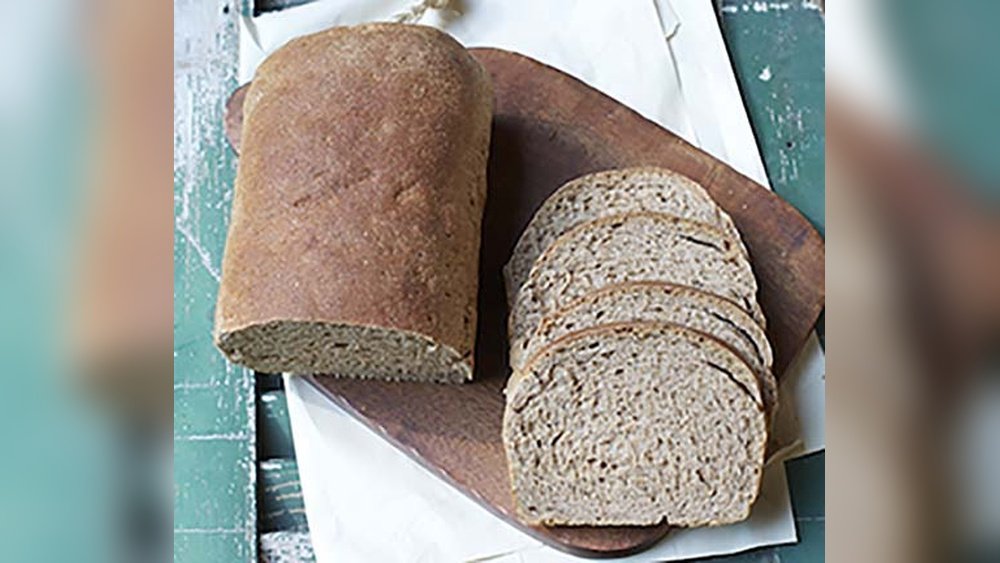
Are you ready to make delicious, healthy bread right at home without any hassle? This whole wheat sourdough bread recipe for your bread machine is exactly what you need.
Imagine the smell of fresh, warm bread filling your kitchen and the taste of wholesome, tangy sourdough that’s soft inside with a perfect crust. Whether you’re new to sourdough or want an easy way to enjoy it, this recipe will guide you step-by-step.
Keep reading to discover how simple it is to create your own nutritious, flavorful bread that your whole family will love.
Benefits Of Whole Wheat Sourdough
Whole wheat sourdough bread offers many benefits beyond just great taste. It combines the wholesomeness of whole grains with the natural fermentation of sourdough. This creates bread that is nutritious, flavorful, and easier to digest.
Baking whole wheat sourdough in a bread machine makes the process simple and consistent. You get the perks of traditional sourdough with modern convenience.
Nutritional Advantages
Whole wheat sourdough contains more fiber than white bread. Fiber helps with digestion and keeps you full longer. It also has vitamins like B and E, plus minerals such as iron and magnesium. The sourdough fermentation helps break down some of the grains, making nutrients easier to absorb.
Flavor And Texture
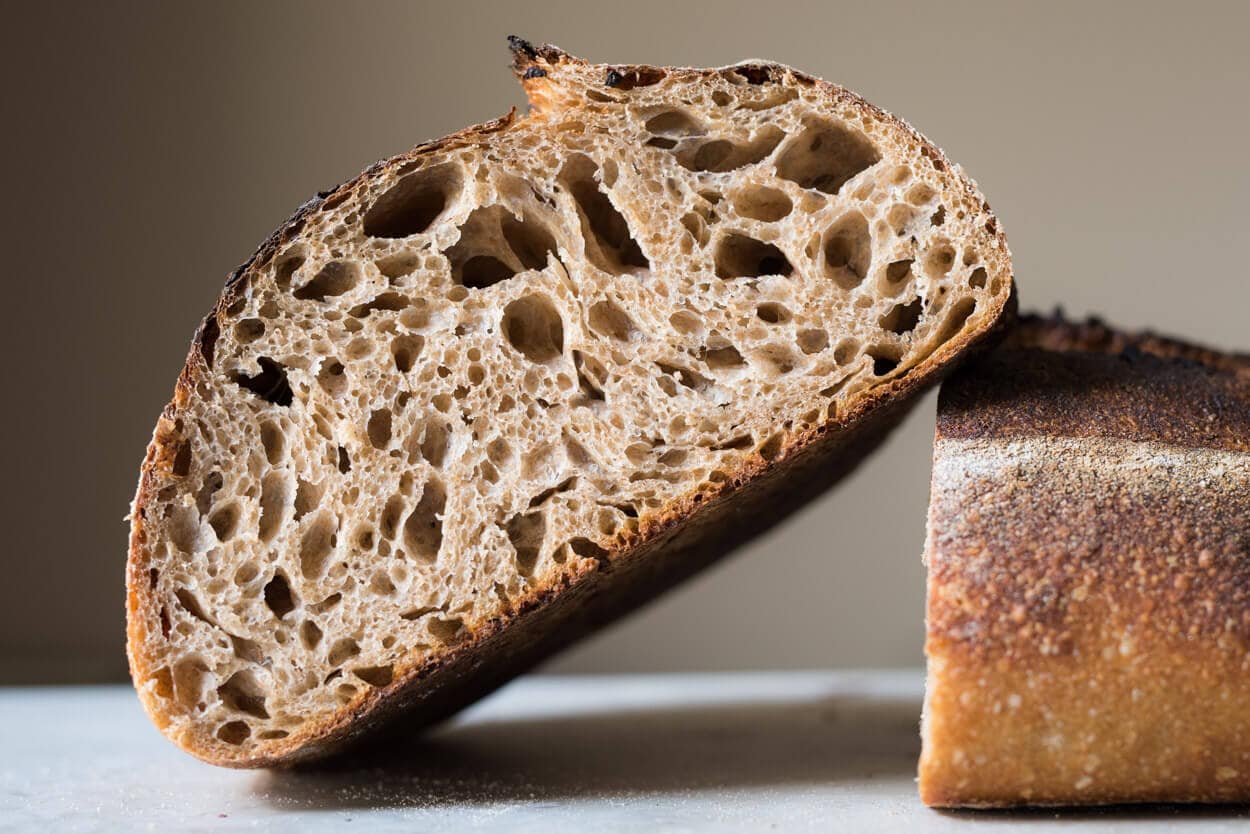
Sourdough gives bread a mild tangy taste that pairs well with the nutty flavor of whole wheat. The fermentation process creates a chewy texture with a crispy crust. This bread is perfect for sandwiches or just enjoying with butter. It has a rich aroma and satisfying bite.
Health Benefits
The natural fermentation lowers the bread’s glycemic index. This means it causes a slower rise in blood sugar. It may help people with blood sugar control. The good bacteria from sourdough improve gut health and support digestion. Whole wheat sourdough is a better choice for overall wellness.
Credit: www.theperfectloaf.com
Choosing Ingredients
Choosing the right ingredients is key to baking whole wheat sourdough bread in a bread machine. Good ingredients create better flavor and texture. Each part plays a role in how the bread turns out. Understanding what to select helps you bake bread that is fresh and tasty.
Focus on quality and freshness. This makes a big difference in every loaf you bake. Use ingredients that work well together for the best results.
Selecting Whole Wheat Flour
Use fresh whole wheat flour for the best taste. It contains natural oils and nutrients. Look for flour that is finely ground. This helps the bread rise and feel soft. Avoid old or stale flour. It can make the bread heavy and dry.
Organic whole wheat flour is a good choice. It has fewer chemicals and more natural flavor. Try different brands to find your favorite.
Sourdough Starter Tips
Your sourdough starter is the heart of the bread. Use a healthy and active starter. It should bubble and smell slightly sour. Feed the starter regularly to keep it strong. Use it at its peak for best rise and flavor.
If your starter is too old or weak, the bread will not rise well. Keep it in a warm place before baking. This helps it become active and ready.
Additional Ingredients
Water is important. Use clean, room temperature water. Avoid chlorinated water as it can harm the starter. Salt adds flavor and controls fermentation. Measure salt carefully to avoid over-salting.
Optional ingredients include honey or sugar for a touch of sweetness. Seeds or nuts add crunch and nutrition. Use small amounts to keep the bread light.
Preparing The Sourdough Starter
Preparing the sourdough starter is the first step in baking delicious whole wheat sourdough bread. This starter acts as a natural yeast that helps the dough rise. It also adds a unique tangy flavor to your bread. Making and caring for your starter takes some time but is very rewarding.
Creating Your Starter From Scratch
Begin with equal parts whole wheat flour and water. Mix them in a clean jar until smooth. Cover the jar loosely to let air in. Keep it at room temperature, about 70°F (21°C). Stir the mixture once or twice a day to add air. After about 5 days, small bubbles will appear. This means natural yeast is growing. Your starter is ready when it smells slightly sour and doubles in size.
Maintaining And Feeding
Feed your starter regularly to keep it active. Remove half of the starter each time before feeding. Add equal parts fresh flour and water to the remaining starter. Mix well and cover again. Feed it every 12 to 24 hours at room temperature. For less frequent feeding, store it in the fridge. Feed it weekly if refrigerated. This keeps the yeast alive and healthy.
Signs Of A Healthy Starter
A healthy starter has bubbles on the surface and throughout. It smells tangy but not unpleasant. It should rise and fall predictably after feeding. A good starter has a thick, pancake-batter-like consistency. Avoid starters with pink or orange colors. These indicate spoilage and should be discarded. A lively starter ensures your bread will rise well and taste great.

Credit: www.youtube.com
Setting Up Your Bread Machine
Setting up your bread machine correctly is key to baking perfect whole wheat sourdough bread. Each step affects the bread’s texture and flavor. Follow these simple instructions to get started.
Recommended Settings
Choose the whole wheat or sourdough setting on your bread machine. This setting controls the kneading and rising time. Select the medium crust option for a nice, golden color. Use the standard loaf size, usually 1.5 to 2 pounds.
Bread Pan Preparation
Make sure the bread pan fits snugly in your machine. Lightly grease the pan with oil or butter. This prevents the dough from sticking. Remove any crumbs or leftover dough before adding new ingredients.
Timing And Temperature
Set the timer to start the baking process at the right time. The dough needs enough time to rise properly. Use the recommended temperature for whole wheat sourdough, usually around 190-200°F for baking. Avoid opening the lid during baking to keep heat stable.
Step-by-step Recipe Guide
Making whole wheat sourdough bread at home is simple with a bread machine. This step-by-step guide helps you prepare the dough, load the machine, and bake the bread perfectly. Follow each step carefully for soft, tasty bread with a nice crust.
Mixing Ingredients
Start by measuring all ingredients precisely. Use whole wheat flour, sourdough starter, water, salt, and a bit of sugar or honey. Add everything to the bread machine pan in the order recommended by your machine’s manual. This usually means adding liquids first, then dry ingredients. Avoid letting salt touch the sourdough starter directly. Proper mixing helps the dough rise well and develop flavor.
Loading The Bread Machine
Place the bread pan securely inside the bread machine. Make sure the paddle is attached properly. Close the lid tightly to keep heat and moisture inside. Select the setting for whole wheat or sourdough bread, if available. Choose the loaf size and crust color you prefer. Press start and let the machine do the work. No need to open the lid during the process to keep the temperature steady.
Baking Process
The bread machine kneads the dough and lets it rise in a warm environment. This process can take several hours depending on your machine. After rising, the machine bakes the bread evenly. The timer will alert you when baking is complete. Remove the bread pan carefully using oven mitts. Let the bread cool on a wire rack before slicing. Cooling helps the bread set and improves texture.
Troubleshooting Common Issues
Troubles with whole wheat sourdough bread in a bread machine can be frustrating. Common problems often have simple solutions. Understanding these fixes helps you bake better bread every time.
Dough Not Rising
Dough may not rise due to weak yeast or old starter. Check the starter’s activity before use. Make sure your bread machine settings match the recipe. Warm water helps yeast activate well. Avoid cold ingredients that slow rising. Proper kneading develops gluten for good rise. Keep the dough in a warm place if your machine has no heat option.
Dense Or Heavy Bread
Dense bread often means too much flour or not enough water. Measure ingredients carefully for the right balance. Overmixing can also make bread heavy. Let the dough rest enough for fermentation. Using fresh, active starter improves texture. Whole wheat flour absorbs more water, so adjust liquid amounts. Check that your bread machine cycle fits sourdough recipes.
Crust Problems
Crust may turn too hard or too soft. Use the crust color setting on your bread machine. Avoid opening the lid during baking to keep heat steady. Too much sugar or oil can affect crust texture. For a softer crust, wrap bread in a cloth after baking. A thick crust means baking time or temperature may be too high. Experiment with settings for your preferred crust.
Storing And Serving Tips
Storing and serving whole wheat sourdough bread from your bread machine helps keep it fresh and tasty. Proper care preserves its flavor and texture. Serving it the right way makes every bite enjoyable. Use these tips to enjoy your bread longer and better.
Best Storage Practices
Store your sourdough bread at room temperature. Wrap it in a clean cloth or paper bag. Avoid plastic bags; they trap moisture and make bread soggy. For longer storage, slice and freeze the bread. Use an airtight container or freezer bag. Thaw slices at room temperature before use.
Reheating Suggestions
Reheat bread to restore its fresh taste. Use a toaster for crisp slices. For whole loaves, warm in the oven at 350°F (175°C) for 10-15 minutes. Cover the bread with foil to keep it moist. Avoid microwaving, which can make bread chewy.
Creative Serving Ideas
Try your sourdough with butter and honey for sweetness. Use it for sandwiches with fresh veggies and cheese. Toast slices and add avocado for a healthy snack. Make bruschetta by topping toasted bread with tomatoes and basil. Serve alongside soups or salads for a filling meal.

Credit: www.youtube.com
Frequently Asked Questions
What Ingredients Are Needed For Whole Wheat Sourdough Bread?
You need whole wheat flour, active sourdough starter, water, salt, and a little sugar. These create a healthy, flavorful bread.
How Long Does Baking Take In A Bread Machine?
The baking cycle typically takes 3 to 4 hours. Time varies by machine settings and recipe specifics.
Can I Use Regular Yeast Instead Of Sourdough Starter?
Using regular yeast changes the flavor and texture. Sourdough starter provides a unique tang and natural rise.
How Do I Maintain My Sourdough Starter For Bread?
Feed your starter weekly with equal parts flour and water. Keep it at room temperature for best results.
Conclusion
Making whole wheat sourdough bread in a bread machine is simple and fun. You can enjoy fresh, healthy bread at home anytime. The recipe uses easy ingredients you likely have. The bread machine does most of the work for you.
This saves time and effort in baking. Fresh bread fills your kitchen with a lovely smell. Share your homemade bread with family and friends. Try this recipe and enjoy warm, wholesome bread daily. Baking bread can be a relaxing and rewarding activity.
Give it a try and taste the difference yourself.
