


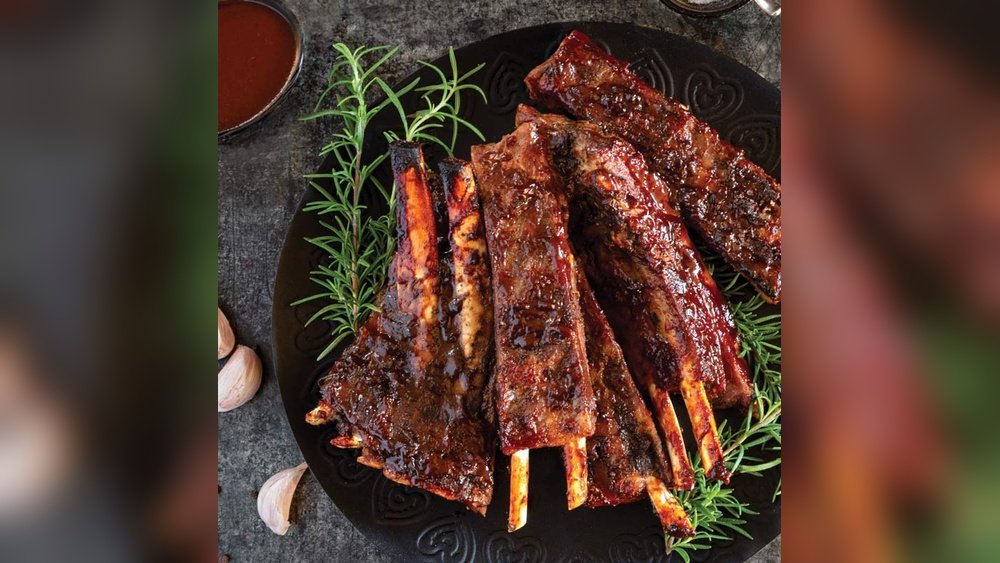
If you’re looking to try something bold and flavorful, wild boar ribs might just be your new favorite dish. Imagine tender, juicy ribs with a smoky, rich taste that’s unlike anything you’ve had before.
This wild boar ribs recipe is simple to follow and will turn your kitchen into a gourmet grill spot. Ready to impress your friends or treat yourself to a unique meal? Keep reading, because you’re about to discover how to make ribs that will have everyone asking for seconds.
Choosing Wild Boar Ribs
Choosing the right wild boar ribs is key to a tasty meal. Fresh ribs bring out the best flavors and textures. Knowing the difference between wild and farmed boar helps make a smart choice. Quality ribs create a rich, natural taste you will enjoy.
Selecting Fresh Ribs
Fresh wild boar ribs should look pinkish-red. Avoid ribs that appear gray or dull. The meat must feel firm, not slimy or sticky. Check for a clean smell; it should not be sour. Fresh ribs have a slight, natural wild scent. Always buy from a trusted source to ensure freshness.
Wild Vs Farmed Boar
Wild boar ribs have a stronger, more intense flavor. Their meat is leaner and has a firmer texture. Farmed boar ribs taste milder and are often fattier. Wild boars eat natural food, giving meat a unique taste. Farmed boars get a controlled diet, which affects flavor. Choose wild ribs for a true, bold experience.
Preparing The Ribs
Preparing wild boar ribs is a key step for a tasty meal. Good preparation makes the ribs tender and full of flavor. It takes time but is worth every minute. Start by cleaning the ribs carefully. Then, remove the membrane for better cooking results.
Trimming And Cleaning
Trim the ribs to remove extra fat and bits of skin. Use a sharp knife for clean cuts. Clean the ribs under cold water. Pat them dry with paper towels. This step helps the ribs cook evenly and taste better.
Removing The Membrane
Look for a thin, silver skin on the back of the ribs. It can make the ribs tough if left on. Slide a knife under the membrane to loosen it. Grab it with a paper towel and pull it off. Removing the membrane lets smoke and spices soak in well.
Marinades And Rubs
Marinades and rubs bring wild boar ribs to life. They add deep flavor and tenderize the meat. Wild boar has a rich taste that benefits from bold spices and herbs. A good marinade or rub can balance its gamey flavor perfectly.
Choosing the right spices and liquids helps create a memorable dish. You can customize the taste to suit your preferences. Below are ideas and tips to get started.
Spice Blend Ideas
Try a mix of smoked paprika, garlic powder, and black pepper. Add brown sugar for sweetness and a touch of chili powder for heat. Cumin and coriander offer an earthy flavor that pairs well with wild boar. Fresh herbs like rosemary and thyme add a fragrant note.
Keep the blend balanced. Not too salty, not too spicy. This lets the meat’s natural flavor shine through.
Marinating Tips For Flavor
Use an acidic base like vinegar or citrus juice to tenderize the ribs. Combine with oil to keep the meat moist during cooking. Marinate the ribs for at least 4 hours. Overnight marinating works best for deep flavor.
Pat the ribs dry before applying a dry rub. This helps the spices stick better. Avoid marinating too long with citrus; it can make the meat mushy.
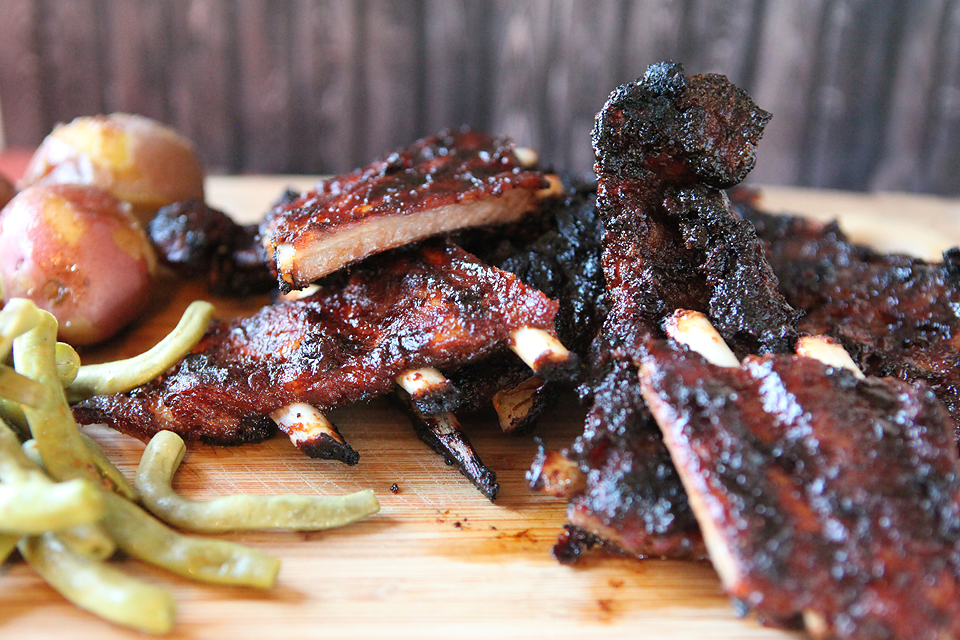
Credit: www.foodbloggersofcanada.com
Smoking Techniques
Smoking wild boar ribs brings out deep flavors and tender texture. This slow cooking method uses smoke to infuse the meat with rich, smoky notes. Controlling smoke and heat is key to perfect ribs.
Understanding the right wood and heat helps create a delicious result. It takes patience and practice but is worth the effort for juicy, flavorful ribs.
Choosing The Right Wood
Wood type affects the flavor of smoked ribs. Fruit woods like apple and cherry add sweet, mild smoke. Hickory and oak give stronger, classic smoky taste. Avoid softwoods like pine; they produce bitter smoke.
Use wood chunks or chips soaked in water for even smoke. Experiment with wood blends to find your favorite flavor. Keep smoke thin and blue, not thick or gray.
Maintaining Consistent Heat
Steady heat is crucial for tender ribs. Aim for 225°F to 250°F for slow cooking. Use a good smoker or grill with a reliable thermometer. Check temperature often and adjust vents to control airflow.
Low and slow heat breaks down tough meat fibers. Avoid opening the smoker too much to keep heat stable. Use water pans inside to keep ribs moist during smoking.
Cooking Methods
Cooking wild boar ribs requires patience and the right methods. These ribs need slow heat to become tender and flavorful. Using proper cooking methods brings out the best taste and texture.
Low And Slow Smoking
Smoking wild boar ribs low and slow makes them tender. Set the smoker to about 225°F (107°C). Place the ribs inside and let the smoke work for 4 to 6 hours. This slow cooking breaks down tough fibers. The smoke adds a rich, deep flavor that matches the gamey taste of wild boar. Keep the temperature steady for best results. Use wood like hickory or apple for a mild smoky flavor.
Wrapping And Resting
Wrapping ribs during cooking keeps them moist. After a few hours of smoking, wrap ribs tightly in foil. This traps heat and steam. It helps soften the meat further. Let the ribs cook wrapped for 1 to 2 hours. After cooking, rest the ribs for at least 30 minutes. Resting lets juices redistribute, making the meat juicy. Cut the ribs after resting to keep them tender and delicious.

Credit: www.fossilfarms.com
Sauces And Glazes
Sauces and glazes bring wild boar ribs to life. They add moisture and flavor. The right sauce can balance the rich taste of the meat. Sauces also give ribs a beautiful shine and texture. Choosing the right sauce depends on your taste. Sweet, tangy, spicy, or smoky options all work well. Experimenting with different sauces makes the meal exciting.
Sweet And Tangy Options
Sweet and tangy sauces suit wild boar ribs perfectly. Ingredients like honey, brown sugar, and maple syrup add sweetness. Vinegar, mustard, or citrus juice bring tanginess. These flavors cut through the meat’s richness. Barbecue sauce with a mix of sweet and sour works great. Try a blend of apple cider vinegar and molasses. Or a honey and mustard glaze for a mild tang. These sauces caramelize nicely on the ribs.
Applying Sauces Properly
Applying sauces at the right time is key. Brush sauce on ribs during the last 15 minutes of cooking. This prevents burning sugar or sticky sauces. Apply several thin layers for a deep flavor. Let each layer dry slightly before adding more. Use a basting brush or spoon to spread sauce evenly. Avoid drowning the ribs in sauce to keep texture. Serve extra sauce on the side for dipping.
Serving Suggestions
Serving wild boar ribs offers a chance to enjoy rich, bold flavors. The right sides and presentation make the meal complete. A thoughtful approach enhances the taste and dining experience. Here are ideas to serve your wild boar ribs with style.
Side Dishes To Pair
Choose sides that balance the ribs’ strong flavor. Creamy mashed potatoes soften the meat’s richness. Roasted vegetables add a smoky, sweet touch. A fresh coleslaw brings crunch and tanginess. Cornbread or garlic bread provides a comforting, warm bite. Pick simple sides to keep focus on the ribs.
Plating And Presentation
Arrange ribs neatly on a large plate. Use fresh herbs like rosemary or parsley for color. Place sides in small, separate bowls or sections. Drizzle a little sauce over the ribs for shine. Wipe the plate edges for a clean look. Serve with a rustic wooden board for charm. Presentation makes the meal feel special and inviting.
Troubleshooting Tips
Wild boar ribs can be tricky to cook perfectly. Problems like dry ribs or tough meat can happen. Knowing how to fix these issues helps you enjoy tender, juicy ribs every time. Use these tips to improve your cooking and get great results.
Avoiding Dry Ribs
Keep ribs moist by cooking low and slow. High heat dries out the meat fast. Wrap ribs in foil to hold in moisture. Baste ribs often with sauce or marinade. Rest ribs after cooking for 10 minutes. This lets juices spread inside the meat. Use a meat thermometer to check doneness. Aim for 190°F to 203°F for tender ribs.
Fixing Tough Meat
Tough ribs need more time or moisture. Cook ribs longer at a low temperature. Add a small amount of liquid to the cooking pan. Use a slow cooker or oven to break down fibers. Slice ribs against the grain to make chewing easier. Marinate ribs overnight to soften the meat. Avoid cutting ribs too soon after cooking.

Credit: www.youtube.com
Frequently Asked Questions
What Is The Best Marinade For Wild Boar Ribs?
A marinade with garlic, rosemary, apple cider vinegar, and olive oil enhances wild boar ribs’ flavor. It tenderizes the meat and adds a savory taste.
How Long Should Wild Boar Ribs Be Cooked?
Cook wild boar ribs low and slow for 2. 5 to 3 hours. This ensures tender, juicy meat that falls off the bone.
Can I Use A Smoker For Wild Boar Ribs?
Yes, smoking wild boar ribs adds a rich, smoky flavor. Use wood like hickory or apple for the best taste.
Are Wild Boar Ribs Tougher Than Pork Ribs?
Yes, wild boar ribs are leaner and tougher. Proper marinating and slow cooking help make them tender and flavorful.
Conclusion
Wild boar ribs bring rich, bold flavors to your table. This recipe is simple and fun to try at home. Cooking ribs slowly makes them tender and juicy. Serve with your favorite sides for a complete meal. Enjoy a unique taste that few get to experience.
Try this dish and share it with friends. Great food creates great memories. Give wild boar ribs a chance today. You won’t regret it.
