


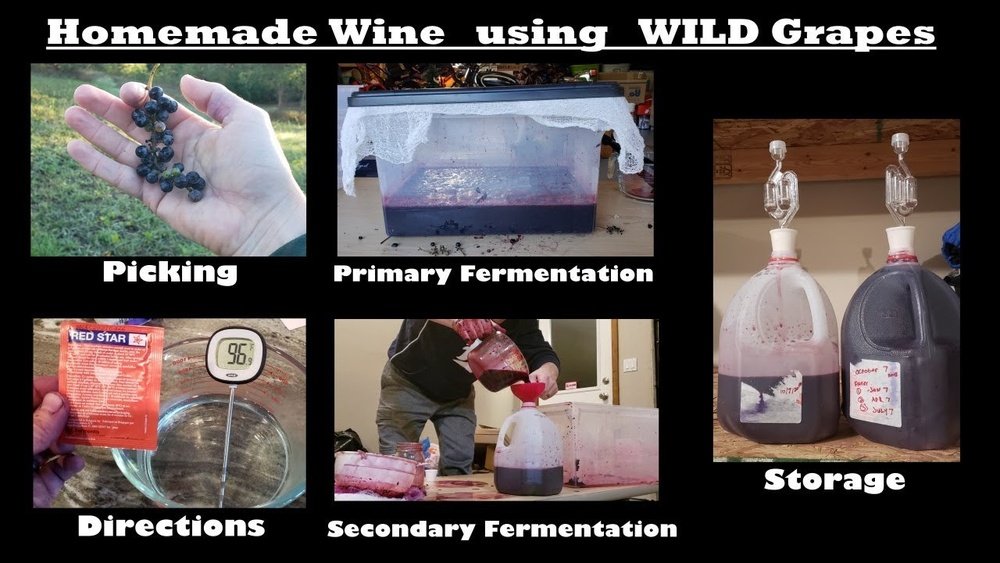
Have you ever wanted to create your own wine at home using wild grapes? Imagine the satisfaction of tasting a rich, natural wine made from fruits you picked yourself.
This wild grape wine recipe is simple, fun, and surprisingly rewarding. By following a few easy steps, you can turn those wild grapes into a delicious drink that will impress your friends and family. Ready to discover how you can make your own unique wine right in your kitchen?
Let’s dive in!
Gathering Wild Grapes
Gathering wild grapes is the first step in making delicious homemade wine. Finding good grapes affects the flavor and quality of your wine. It requires care and attention to pick ripe, edible grapes safely. Understanding which grapes to collect and when helps get the best results.
Identifying Edible Grapes
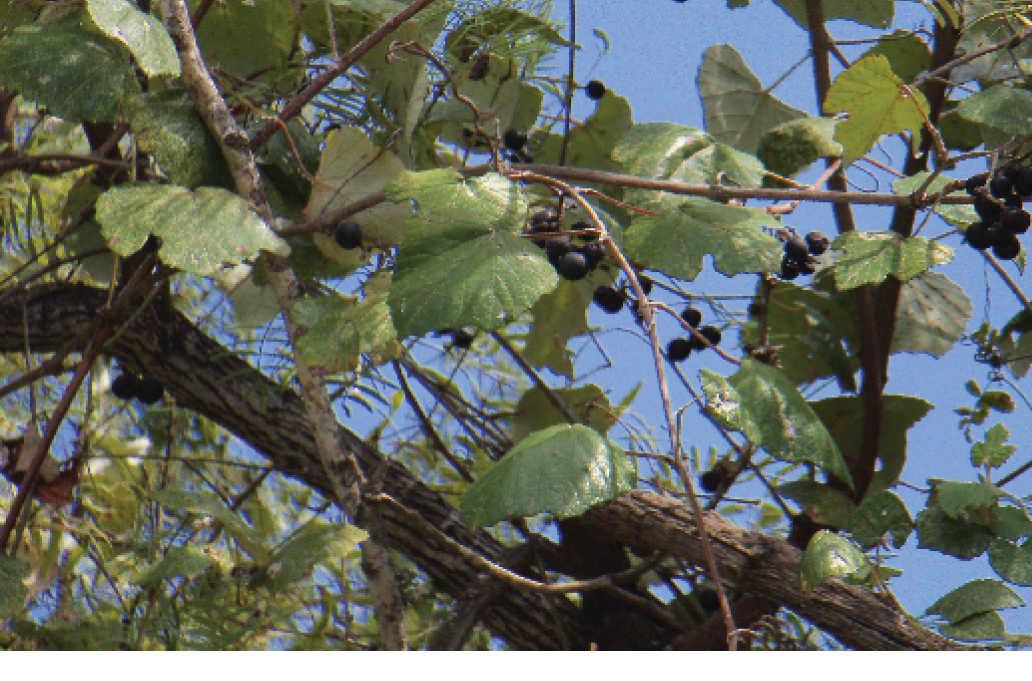
Wild grapes grow in clusters on vines. Look for dark purple or deep blue grapes. Avoid green or pale grapes; they may be sour or unripe. Check the vine leaves; grape leaves are large and heart-shaped. Be sure the grapes are not moldy or damaged. Taste a grape to test sweetness before picking a bunch.
Best Time To Harvest
Harvest grapes in late summer or early fall. Grapes are ripe when they are soft and sweet. Morning harvests keep grapes fresh and cool. Avoid picking grapes after rain to prevent mold. Early picking leads to sour wine. Wait too long, and grapes may spoil or dry out.
Tools For Picking Grapes
Use sharp scissors or small pruning shears to cut clusters. Avoid pulling grapes by hand to protect vines. Carry a basket or container to hold grapes gently. Wear gloves to protect your hands from thorns. Clean tools before use to avoid spreading plant diseases.

Credit: culturahistorica.org
Preparing Grapes For Winemaking
Preparing grapes for winemaking is a key step in crafting wild grape wine. This process ensures the fruit is clean, ripe, and ready to ferment. Proper preparation impacts the flavor and quality of the final wine.
Each step requires care and attention. From cleaning to crushing, every detail matters. Follow these simple steps to prepare your grapes effectively.
Cleaning And Sorting
Start by washing the grapes thoroughly. Remove dirt, dust, and any bugs. Use cool water and gently rinse the fruit.
Sort the grapes next. Pick out any damaged or unripe grapes. Only use healthy, ripe grapes for better taste and fermentation.
Crushing Techniques
Crush the grapes to release their juice. You can use hands or a clean tool for this task. Avoid crushing seeds as they add bitterness.
Crushing breaks the grape skins and helps juice flow. Do this gently to keep seeds intact but allow juice release.
Removing Stems
Remove stems before or after crushing. Stems can add harsh flavors to the wine. Take them out carefully to avoid crushing them.
Removing stems improves the smoothness of your wine. It also prevents unwanted bitterness during fermentation.
Ingredients And Equipment
Making wild grape wine starts with the right ingredients and tools. These are the foundation for a tasty homemade wine. Using fresh, quality items ensures better flavor and fermentation.
Knowing the basic tools helps you prepare and store the wine safely. Some extra items can improve taste but are not required. Let’s explore what you need to begin your winemaking journey.
Essential Ingredients
- Fresh wild grapes, washed and crushed
- Sugar to balance the grape’s natural tartness
- Water for dilution and fermentation
- Wine yeast or natural wild yeast from grapes
- Optional lemon juice to adjust acidity
Basic Winemaking Tools
- Large fermentation bucket or glass carboy
- Airlock to let gases escape
- Siphon tube for transferring wine
- Sanitizer to clean all equipment
- Large spoon or paddle for stirring
- Strainer or cheesecloth for filtering
- Glass bottles and corks for storage
Optional Additions
- Campden tablets to prevent unwanted bacteria
- Tannin powder to add astringency and body
- Acid blend to fine-tune wine flavor
- Yeast nutrient to support fermentation
- Oak chips for enhanced aroma and taste
Fermentation Process
The fermentation process is the heart of making wild grape wine. It changes grape juice into wine by using natural yeast. This process creates alcohol and develops the wine’s flavor. Careful attention during fermentation ensures good taste and quality.
Starting Fermentation
First, crush the wild grapes to release juice. Place the juice and grape skins in a clean container. Add natural or store-bought yeast to start fermentation. Cover the container loosely to let gases escape. Keep it in a dark, clean place. The yeast will feed on sugar and produce alcohol.
Managing Temperature
Temperature control is key during fermentation. Keep the container between 60°F and 75°F (15°C to 24°C). Too hot can kill the yeast. Too cold slows fermentation. Check temperature daily. Adjust by moving the container or using a heater if needed.
Duration And Signs
Fermentation usually takes 7 to 14 days. Watch for bubbles on the surface. This shows yeast is active. When bubbles stop, fermentation is nearly done. The wine will taste less sweet. Sediment will settle at the bottom. These signs mean it is time to move to the next step.
Racking And Aging
Racking and aging are key steps in making wild grape wine taste smooth and rich. These steps help remove sediments and develop flavors. Careful handling during racking keeps the wine clear and fresh. Aging allows the wine to mellow and improves its aroma and color.
Transferring Wine
Transferring wine means moving it from one container to another. This process removes sediment that forms during fermentation. Use a clean siphon tube to avoid disturbing the sediment. Do this gently to keep the wine clear. Racking helps improve the wine’s taste and appearance.
Aging Containers
Choose the right container for aging wild grape wine. Glass carboys are popular because they do not affect flavor. Food-grade plastic containers are another option for short-term aging. Oak barrels add flavor but need more care. Store containers in a cool, dark place to protect the wine.
Ideal Aging Time
Wild grape wine needs time to develop its best taste. Usually, aging for 3 to 6 months works well. Check the wine’s taste every few weeks. Some wines may need longer to improve flavor. Avoid rushing; patience helps produce better wine.
Bottling Your Wine
Bottling your wild grape wine is a key step. It protects the wine and helps it age well. Careful bottling keeps flavors fresh and prevents spoilage. Clean bottles, proper filling, and clear labels make your wine look great and last longer.
Sanitizing Bottles
Clean bottles prevent germs from spoiling your wine. Use hot water and a mild sanitizer made for wine bottles. Rinse well to remove any soap or sanitizer taste. Let bottles air dry on a clean rack before filling.
Filling And Sealing
Fill bottles slowly to avoid bubbles and spills. Leave about one inch of space at the top. Use a clean funnel or wine filler for accuracy. Seal bottles tightly with corks or caps to stop air from entering.
Labeling Tips
Labels help identify your wine and its vintage year. Use waterproof labels to avoid smudging. Write clearly with the wine name, date bottled, and any special notes. Place labels on the smooth part of the bottle for easy reading.
Troubleshooting Common Issues
Making wild grape wine can bring joy and a tasty drink. Sometimes, problems happen during the process. Knowing how to fix these issues saves time and keeps the wine good.
This section helps solve common problems in wild grape wine making. It covers how to stop bad flavors, clear cloudy wine, and deal with stuck fermentation.
Preventing Off-flavors
Off-flavors ruin the taste of your wild grape wine. Clean all tools and containers well before use. Avoid letting the grapes sit too long before pressing. Use fresh yeast to keep the fermentation healthy. Keep the wine at a steady, cool temperature. Avoid strong smells near the wine as it absorbs them easily.
Fixing Cloudy Wine
Cloudy wine looks less appealing and may taste odd. Make sure to filter the wine carefully after fermentation. Use fining agents like bentonite to clear the wine. Let the wine rest in a cool place for several weeks. Avoid shaking the wine during this resting time. Patience helps the particles settle and the wine clear.
Handling Stuck Fermentation
Fermentation may stop before it finishes, causing sweet wine and low alcohol. Check the temperature; cold slows down yeast. Warm the wine slightly to restart fermentation. Add yeast nutrients if the grapes lack minerals. Stir the wine gently to give oxygen to the yeast. If needed, add more yeast to restart the process.
Credit: winemakermag.com
Serving And Enjoying
Serving and enjoying wild grape wine is a special experience. This homemade wine has a rich, fruity flavor that shines when served right. Proper serving brings out the best taste and aroma. It makes your wine moments more delightful and memorable.
Best Serving Temperatures
Wild grape wine tastes best when served cool. Keep red wild grape wine at 55°F to 65°F (13°C to 18°C). White or rosé wild grape wine is better chilled at 45°F to 55°F (7°C to 13°C). Avoid serving wine too warm or too cold. It can hide the flavors or make it taste dull.
Pairing With Food
This wine pairs well with many foods. Try it with cheese, especially sharp or creamy types. It goes well with grilled meats or roasted vegetables. Wild grape wine also matches nicely with fruit-based desserts. Simple meals bring out the wine’s natural sweetness and tang.
Storage Tips
Store wild grape wine in a cool, dark place. Keep bottles lying down to keep corks moist. Avoid heat and light, which spoil the wine. Use wine within a year for the best taste. Once opened, finish the bottle within a few days for freshness.

Credit: vixencomposites.com
Frequently Asked Questions
What Ingredients Are Needed For Wild Grape Wine?
Wild grape wine requires wild grapes, sugar, water, yeast, and sometimes lemon juice. These create a natural, flavorful wine.
How Long Does Wild Grape Wine Fermentation Take?
Fermentation typically lasts 2 to 4 weeks. It depends on temperature and yeast activity for proper flavor development.
Can Wild Grape Wine Be Stored Long-term?
Yes, wild grape wine can be stored for months or years. Store it in a cool, dark place sealed tightly.
Is Wild Grape Wine Safe To Drink?
When properly fermented and sanitized, wild grape wine is safe. Avoid consuming unfinished or contaminated batches to prevent health risks.
Conclusion
Wild grape wine offers a unique taste from nature’s bounty. Making it at home is simple and rewarding. Fresh wild grapes bring a rich flavor to your wine. Patience is key during fermentation for the best result. Enjoy this traditional drink with friends or family.
Try this recipe to experience a natural, homemade wine. Your effort will create a drink full of character. Give wild grape wine a chance to surprise you.
