


Have you ever tasted the sweet, unique flavor of wild persimmon jam? If not, you’re missing out on a delicious treat that’s both natural and easy to make at home.
Imagine spreading this rich, fruity jam on your morning toast or using it to add a burst of flavor to your desserts. In this recipe, you’ll discover how to turn wild persimmons into a homemade jam that’s full of taste and goodness.
Ready to impress your family and friends with something truly special? Keep reading, and you’ll learn all the simple steps to create your own wild persimmon jam.
Credit: plantbasedonabudget.com
Choosing Wild Persimmons
Choosing wild persimmons is the first step to making tasty jam. The right fruit affects the flavor and texture. Wild persimmons grow in many areas. Knowing how to pick the best ones helps your recipe succeed.
Wild persimmons vary in size and color. Some are small and round, others look like small pumpkins. The key is to find ripe fruit that is sweet and soft enough for jam.
Identifying Ripe Persimmons
Ripe persimmons have deep orange or reddish skin. They feel soft when gently pressed. Hard persimmons are usually astringent and bitter. Look for fruit that gives slightly but is not mushy.
Ripe fruit often drops from the tree naturally. Check the ground under persimmon trees for fallen fruit. Avoid green or very firm persimmons. These need more time to ripen before making jam.
Foraging Tips And Safety
Wear gloves to protect your hands from branches and insects. Use a basket or bag to collect persimmons carefully. Avoid fruit with signs of mold, bruises, or insect damage.
Know the local laws about foraging on public and private land. Never pick persimmons from protected areas or private property without permission. Wash the fruit thoroughly before use to remove dirt and bugs.
Preparing Persimmons For Jam
Preparing persimmons is the first step in making delicious wild persimmon jam. This process helps bring out the sweet and rich flavors of the fruit. Proper preparation ensures a smooth texture and better taste in your jam.
Cleaning And Peeling
Start by rinsing the persimmons under cool water. Gently rub the skin to remove dirt and debris. Use a soft brush if needed. Next, dry the fruit with a clean towel. Carefully peel the skin using a sharp knife or vegetable peeler. Take your time to avoid wasting the fruit. The skin can be tough and bitter, so removing it improves the jam’s texture.
Removing Seeds And Pulp
Cut the peeled persimmons in half. Scoop out the seeds with a spoon or your fingers. Persimmons may have many seeds, so check each piece carefully. After removing seeds, scoop out the soft pulp. The pulp is what you will cook into jam. Make sure to remove any hard parts or leftover skin. This step gives your jam a smooth and tasty finish.
Essential Ingredients
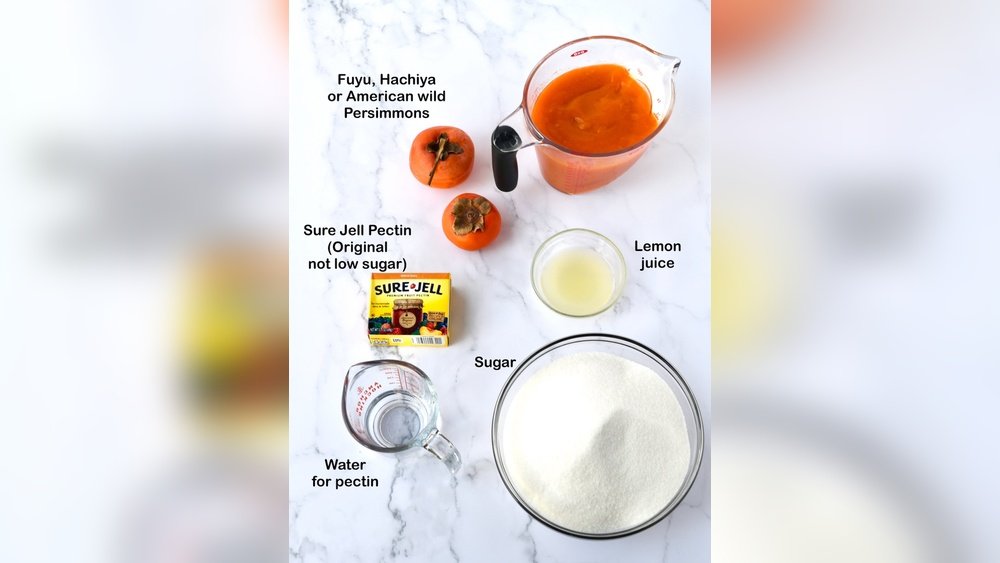
Making wild persimmon jam requires a few key ingredients. Each one helps bring out the fruit’s natural sweetness and texture. Choosing the right components ensures your jam tastes fresh and smooth. These essentials include sweeteners, pectin, and flavor enhancers.
Wild persimmons have a unique taste. They pair well with simple ingredients that do not overpower their flavor. Understanding these ingredients helps you create a delicious jam every time.
Sweeteners And Pectin Options
Sugar is the most common sweetener for persimmon jam. It balances the fruit’s tartness and helps preserve the jam. Honey or maple syrup can also add gentle sweetness and a rich aroma.
Pectin is important for thickening the jam. Wild persimmons may lack enough natural pectin. Use commercial pectin or add apple peels, which contain natural pectin. This step helps the jam set properly without being runny.
Flavor Enhancers And Spices
A pinch of lemon juice brightens the jam’s flavor. It adds a fresh, tangy note that complements persimmons. Vanilla extract creates a warm, inviting taste that pairs well with the fruit.
Spices like cinnamon or nutmeg can add depth. Use them sparingly to avoid masking the persimmon flavor. A small amount enhances the jam’s complexity and aroma.

Credit: www.cooking-therapy.com
Step-by-step Jam Making
Making wild persimmon jam at home is simple and fun. Follow each step carefully to get the best taste and texture. This guide helps you cook and test your jam for perfect results every time.
Cooking Process
Start by washing and peeling the wild persimmons. Cut them into small pieces. Place the fruit in a large pot. Add sugar and a little lemon juice to the pot. Stir the mixture well to combine all ingredients.
Heat the pot on medium. Stir often to prevent burning. Let the mixture boil gently. Cook until the fruit softens and releases juice. This usually takes about 20 to 30 minutes. The jam should thicken and look glossy.
Testing Jam Consistency
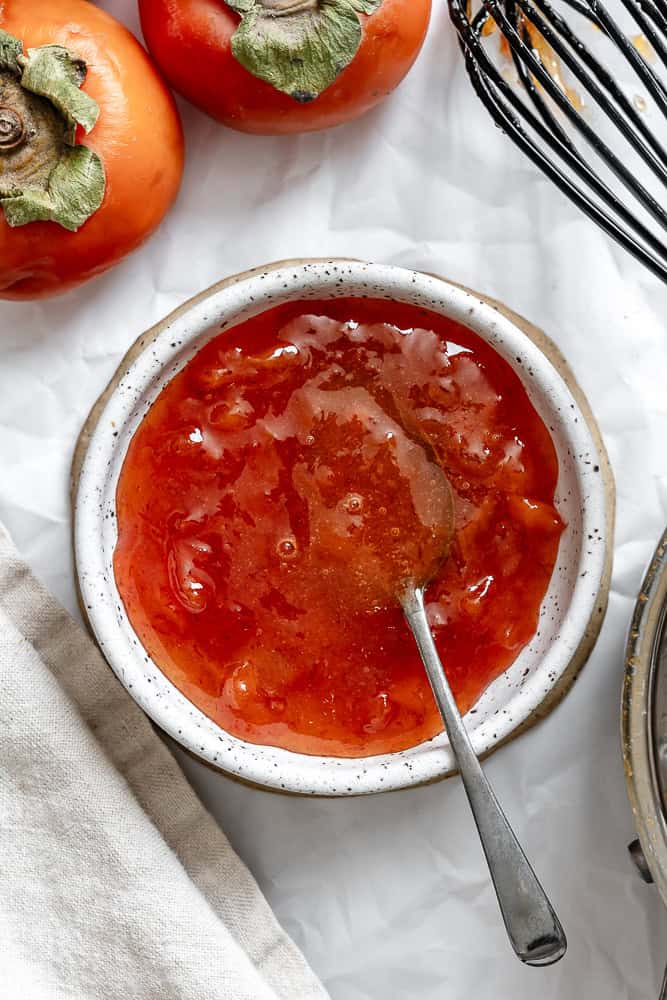
Check if the jam is ready by doing a simple test. Place a small spoon of hot jam on a cold plate. Wait 1 to 2 minutes. Push the jam with your finger. If it wrinkles and does not run, it is done.
If the jam is too runny, cook it longer. Stir often and test again after 5 minutes. Repeat until the jam reaches the right thickness. This step ensures your wild persimmon jam has the perfect spreadable texture.
Canning And Storing
Canning and storing wild persimmon jam keeps its fresh taste for months. Proper techniques ensure safety and flavor. It also prevents spoilage. This section explains how to do it right.
Sterilizing Jars
Clean jars remove bacteria and germs. Wash jars and lids with hot soapy water. Rinse well to remove soap. Boil jars and lids in water for 10 minutes. Let them air dry on a clean towel. Use jars while still hot to avoid cracks.
Safe Preservation Methods
Fill hot jars with hot jam, leaving half an inch space. Wipe jar rims clean to avoid sealing problems. Place lids on jars and screw bands until finger tight. Process jars in a boiling water bath for 10 minutes. Remove jars and cool on a towel. Check seals after 24 hours; lids should not flex up and down. Store sealed jars in a cool, dark place. Opened jars must stay in the fridge and be used quickly.
Creative Serving Ideas
Wild persimmon jam is not just tasty on its own. It can brighten many dishes and snacks. Creative serving ideas make this jam even more fun to eat. Use it in different ways to enjoy its sweet and slightly tangy flavor.
Pairing Suggestions
Spread wild persimmon jam on warm toast for a sweet start. Try it with cream cheese for a smooth, rich taste. Add a spoonful to yogurt or oatmeal for extra flavor. Use it as a topping on pancakes or waffles. Pair it with sharp cheeses like cheddar or gouda. It also works well with roasted meats as a glaze or sauce.
Recipe Variations
Mix wild persimmon jam with nuts for a crunchy snack spread. Stir in a little cinnamon or ginger to add warmth. Blend the jam into salad dressings for a fruity twist. Use it as a filling for pastries or thumbprint cookies. Combine it with lemon juice for a fresh, tangy sauce. Try adding chili flakes for a spicy kick.
Troubleshooting Tips
Making wild persimmon jam can be fun and rewarding. Yet, some common problems might happen. These tips help fix issues fast. They make your jam taste better and look perfect.
Common Mistakes To Avoid
Do not use unripe persimmons. They taste bitter and spoil the jam. Use only ripe, soft fruit for best flavor. Avoid skipping the stirring during cooking. Stirring stops the jam from burning at the bottom. Do not forget to sterilize jars before filling. This prevents mold and keeps jam fresh longer.
Adjusting Sweetness And Texture
Check the sweetness before cooking. Add more sugar if the fruit is sour. Use less sugar for sweeter persimmons. Cook the jam slowly to reach the right thickness. If the jam is too runny, cook it longer. Add a little lemon juice to help jam set and balance sweetness.
Credit: www.thegraciouspantry.com
Frequently Asked Questions
What Are The Best Persimmons For Wild Persimmon Jam?
The best persimmons for wild persimmon jam are ripe, soft, and sweet wild persimmons. These varieties yield rich flavor and natural sweetness, ideal for jam making. Avoid unripe or bitter persimmons as they can affect taste. Harvest during peak ripeness for the best results.
How Long Does Wild Persimmon Jam Last?
Wild persimmon jam lasts up to one year when properly canned and stored. Keep it in a cool, dark place to maintain freshness. After opening, refrigerate and consume within one month to enjoy optimal flavor and safety.
Can I Use Wild Persimmon Jam In Recipes?
Yes, wild persimmon jam is versatile in recipes. Use it as a spread on toast, a topping for desserts, or a glaze for meats. Its sweet and tangy flavor enhances both sweet and savory dishes creatively.
How Do I Prepare Wild Persimmons For Jam?
To prepare wild persimmons for jam, wash and remove any stems or leaves. Scoop out the ripe flesh, discarding seeds and skins if desired. Mash the pulp before cooking with sugar and pectin for a smooth jam texture.
Conclusion
Wild persimmon jam brings a sweet taste of nature to your table. It’s easy to make with simple ingredients and steps. Enjoy it on toast, desserts, or as a gift for friends. Fresh, homemade jam adds a warm, cozy touch to any meal.
Try this recipe soon and savor the rich flavor of wild persimmons. A small jar of this jam can brighten many days. Cooking with seasonal fruits connects you to the earth’s rhythms. Give this recipe a chance and enjoy a natural treat.
