


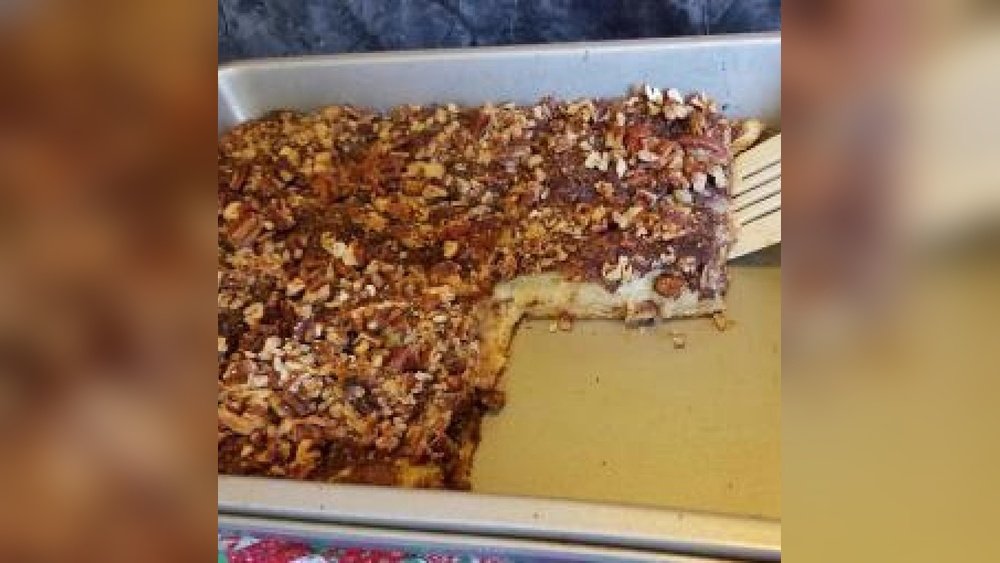
If you’ve ever wanted to bake bread that tastes like it came from a cozy Williamsburg bakery, this recipe is just for you. Imagine the smell of warm, fresh bread filling your kitchen and the satisfying crunch of a golden crust with every bite.
Whether you’re new to baking or have tried before without perfect results, this Williamsburg Bread Recipe will guide you step-by-step to create something truly special. Get ready to impress your family and friends with bread that’s simple to make and impossible to forget.
Keep reading to discover how easy it is to bring that homemade bakery magic into your home.

Credit: bakingbliss94.blogspot.com
History Of Williamsburg Bread
Williamsburg bread has a rich history that traces back centuries. It reflects the traditions and culture of early American settlers. This bread connects us to the past through its unique recipes and baking methods.
Origins And Tradition
Williamsburg bread started in the 1600s with the first European settlers. These settlers brought old-world baking techniques to America. They adapted recipes using local grains and tools. The bread was often baked in wood-fired ovens, giving it a distinct flavor. Recipes passed down through families kept the tradition alive. The slow fermentation process helped the bread stay fresh longer. This method was important before modern preservatives existed.
Cultural Significance
Williamsburg bread represents more than food; it symbolizes community and heritage. It was a staple at many family meals and celebrations. The bread showed resourcefulness, using simple ingredients to create something special. Bakers in Williamsburg became known for their skill and care. Today, the bread reminds people of early American life and its challenges. It also honors the craftsmanship of traditional baking. Sharing this bread keeps history alive in modern kitchens.

Credit: bitefromthepast.wordpress.com
Ingredients You Need
Making Williamsburg bread starts with the right ingredients. Each item plays a key role in the bread’s texture and flavor. Using fresh and quality ingredients gives the best results. Below are the main ingredients needed for this recipe.
Essential Flour Types
Flour is the base of Williamsburg bread. Use bread flour for better gluten development. All-purpose flour can work but may give a softer crumb. Some recipes mix whole wheat flour for a nutty taste. Measure flour carefully to keep dough consistency perfect.
Yeast And Leavening Agents
Yeast makes the bread rise and adds flavor. Active dry yeast or instant yeast both work well. Check the expiration date for freshness. Some Williamsburg bread recipes use sourdough starter for a tangy taste. Use the right amount for proper rising.
Additional Flavorings
Salt enhances the bread’s flavor and controls yeast activity. Sugar or honey adds a touch of sweetness and helps yeast grow. Some recipes include butter or oil for softness. A little milk can make the bread tender. Herbs or seeds add extra texture and taste.
Step-by-step Baking Process
Baking Williamsburg bread starts with a clear, step-by-step process. Each step shapes the dough and builds flavor. Follow these stages carefully for a perfect loaf.
Preparing The Dough
Mix flour, water, yeast, and salt in a large bowl. Use room temperature water for better yeast action. Stir until all ingredients combine into a rough dough. Let it rest for 10 minutes to hydrate the flour fully.
Kneading Techniques
Turn the dough onto a floured surface. Use the heel of your hand to push it away. Fold the dough back over itself and turn it. Repeat this for about 10 minutes. The dough should become smooth and elastic.
First Rise And Proofing
Place the dough in a lightly oiled bowl. Cover it with a clean towel or plastic wrap. Let it rise in a warm spot for 1 to 2 hours. The dough should double in size. This step develops flavor and texture.
Shaping The Loaf
Gently punch down the dough to release air. Shape it into a round or oval loaf. Tuck edges under to create surface tension. Place the shaped dough on a parchment-lined baking tray or in a proofing basket.
Second Rise
Cover the loaf again and let it rise for 45 minutes. The dough will puff up and feel soft to touch. This rise ensures a light crumb and good oven spring. Avoid rushing this step for best results.
Baking Tips
Preheat the oven to 450°F (230°C). Place a pan of water on the oven bottom for steam. Score the loaf with a sharp knife before baking. Bake for 25 to 30 minutes until golden brown. Let the bread cool completely before slicing.
Common Mistakes To Avoid
Baking Williamsburg bread can be simple and fun. But small mistakes can change the bread’s taste and texture. Knowing what to avoid helps you bake better bread every time.
Over Or Under Kneading
Kneading dough is a key step in bread making. Too much kneading makes the dough tough and hard to rise. Too little kneading leaves the dough sticky and uneven. Knead just until the dough feels smooth and elastic.
Incorrect Proofing Times
Proofing allows the dough to rise and develop flavor. Proof too long, and the dough will collapse. Proof too short, and the bread will be dense. Watch the dough, not the clock. It should double in size before baking.
Baking Temperature Issues
Oven temperature affects the bread’s crust and inside texture. Too hot, the crust burns and the inside stays raw. Too cool, the bread cooks slowly and dries out. Preheat the oven and use an oven thermometer for best results.
Serving Suggestions
Serving Williamsburg bread brings a warm, homemade touch to any meal. Its soft inside and crispy crust make it perfect for many dishes. This bread pairs well with both simple and rich flavors.
Try different ways to enjoy it. Each bite offers a comforting, hearty experience.
Best Pairings
Williamsburg bread tastes great with butter and jam. Try honey or fruit preserves for a sweet touch. It also goes well with creamy cheeses like brie or cheddar.
Use it to make sandwiches with fresh vegetables and deli meats. It complements soups and stews perfectly, soaking up flavors. Toast slices add a nice crunch to your breakfast table.
Storage Tips
Keep Williamsburg bread fresh by storing it in a paper bag. Avoid plastic bags as they make the crust soft. Store bread at room temperature for up to three days.
For longer storage, freeze the bread wrapped in foil or plastic wrap. Thaw it slowly to keep its texture. Toast or warm frozen slices before serving for best taste.

Credit: bakingbliss94.blogspot.com
Variations To Try
Williamsburg bread is a classic recipe with many ways to change it. These variations help you enjoy new flavors and textures. They keep the baking fun and fresh. Try these ideas to find your favorite version.
Whole Wheat Williamsburg Bread
Use whole wheat flour instead of white flour. It adds a nutty taste and more fiber. The bread becomes denser but still soft. You may need a bit more water for the dough. Bake a little longer to get the crust just right.
Gluten-free Adaptations
Replace regular flour with gluten-free flour blends. Choose blends made for bread baking. Add xanthan gum to help the dough hold together. The texture will be different but still tasty. Let the dough rise slowly for better results.
Adding Herbs And Seeds
Mix in fresh or dried herbs like rosemary or thyme. Seeds such as sunflower, flax, or sesame add crunch and flavor. Stir them into the dough before baking. These additions make the bread more aromatic and healthy. They also create a beautiful crust.
Frequently Asked Questions
What Ingredients Are Needed For Williamsburg Bread?
Williamsburg bread requires flour, water, yeast, salt, and sometimes sugar or honey. These simple ingredients create its classic taste and texture.
How Long Does Williamsburg Bread Take To Bake?
Baking Williamsburg bread typically takes 25 to 30 minutes at 375°F (190°C). Preparation and rising add extra time.
Can I Use Whole Wheat Flour For Williamsburg Bread?
Yes, whole wheat flour can be used. It adds a nuttier flavor and denser texture but may require more water.
What Makes Williamsburg Bread Unique?
Williamsburg bread is known for its crusty exterior and soft, airy crumb. It reflects traditional colonial baking methods.
Conclusion
This Williamsburg bread recipe brings old flavors to your kitchen. Fresh, warm bread makes meals better. Baking at home feels rewarding and fun. Follow the steps, enjoy the process, and share the bread. Simple ingredients create a tasty, soft loaf.
Give this recipe a try and taste history. Warm bread, fresh from the oven—just like Williamsburg.
