


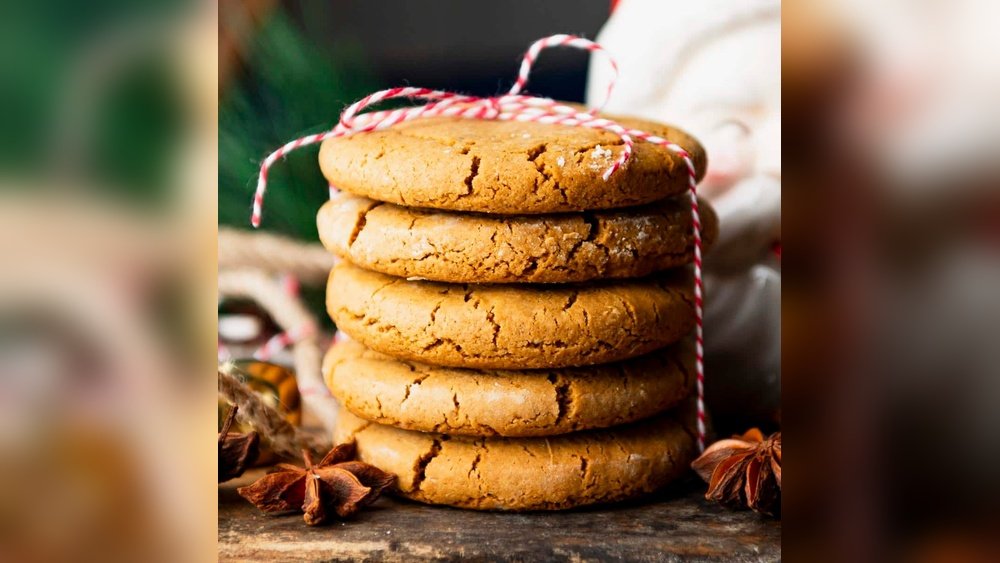
Are you ready to bring a taste of history into your kitchen? The Williamsburg Gingerbread Recipe is more than just a sweet treat—it’s a delicious way to connect with the past.
Imagine biting into soft, spiced gingerbread that fills your home with warm, comforting aromas. This recipe is simple, authentic, and perfect for sharing with family and friends. Keep reading, and you’ll discover how easy it is to create this classic dessert that everyone will love.
Your next favorite gingerbread experience is just a few steps away!
Credit: williamsburgvisitor.com
History Of Williamsburg Gingerbread
Williamsburg gingerbread is a sweet treat with a rich past. It dates back to the early days of America. The recipe and tradition have deep roots in the colonial era. This gingerbread is more than just a dessert. It tells a story of culture, tradition, and change. Let’s explore its history in detail.
Origins In Colonial America
Williamsburg gingerbread began in the 18th century. Colonists used local ingredients and spices. Ginger, molasses, and honey were common. The recipe reflected the available foods of the time. It was a favorite in Williamsburg, Virginia, a key colonial town. This gingerbread often appeared at holiday feasts and special events.
Cultural Significance
This gingerbread holds cultural importance in Williamsburg. It represents colonial life and cooking styles. The recipe was passed down through generations. It symbolizes celebration and community. People still bake it during holidays. It connects modern cooks with America’s past. Each bite offers a taste of history.
Evolution Over Time
The recipe changed as time moved on. New ingredients and techniques were added. Sugar replaced some honey and molasses in later versions. The texture and flavor adapted to modern tastes. Bakers today mix old and new methods. Williamsburg gingerbread remains a beloved treat. Its history lives on in every batch.
Credit: thesweetcucina.com
Key Ingredients
The key ingredients in a Williamsburg gingerbread recipe create its unique taste and texture. Each element plays a vital role. Together, they form the classic gingerbread flavor loved by many. Understanding these ingredients helps you appreciate this traditional treat better.
Spices And Flavorings
Ginger is the star spice in this recipe. It gives a warm, slightly spicy kick. Cinnamon adds a sweet, woody aroma. Cloves bring a strong, earthy taste. Nutmeg offers a subtle, nutty flavor. These spices blend perfectly for a rich, comforting taste.
Sweeteners And Binders
Molasses is the main sweetener. It provides deep color and a robust flavor. Brown sugar adds mild sweetness and moisture. Eggs act as binders, holding the dough together. Flour forms the base and gives structure. Together, they create the perfect texture.
Special Additions
Butter adds richness and a smooth mouthfeel. A pinch of salt balances the sweetness and spices. Baking soda helps the gingerbread rise and become soft. Some recipes include a splash of milk for extra moisture. These extras enhance the taste and texture subtly.
Step-by-step Baking Process
The Williamsburg gingerbread recipe is a delight to bake. The process is simple and fun. Follow these clear steps to create delicious gingerbread cookies. Each step guides you to make perfect dough, shape the cookies, and bake them just right.
Let’s start with preparing the dough, then move to shaping and decorating, and finish with baking tips for the best results.
Preparing The Dough
Begin by mixing dry ingredients like flour, ginger, cinnamon, and cloves. Add baking soda to help the dough rise slightly. In another bowl, cream butter and brown sugar until soft.
Slowly add molasses and eggs to the butter mixture. Stir well to combine. Gradually mix dry ingredients into the wet mix. Knead the dough gently until smooth.
Wrap the dough in plastic wrap. Chill it for at least one hour. This step helps the dough firm up for easy rolling.
Shaping And Decorating
Roll the dough on a floured surface to about a quarter-inch thick. Use gingerbread man cutters to cut shapes. Place the cookies on a baking sheet lined with parchment paper.
Decorate with icing or candy before baking if you prefer. Add details like eyes, buttons, and smiles. Be creative but keep decorations light to avoid burning.
Baking Tips
Preheat the oven to 350°F (175°C). Bake cookies for 8 to 10 minutes until edges are firm. Watch closely to prevent burning.
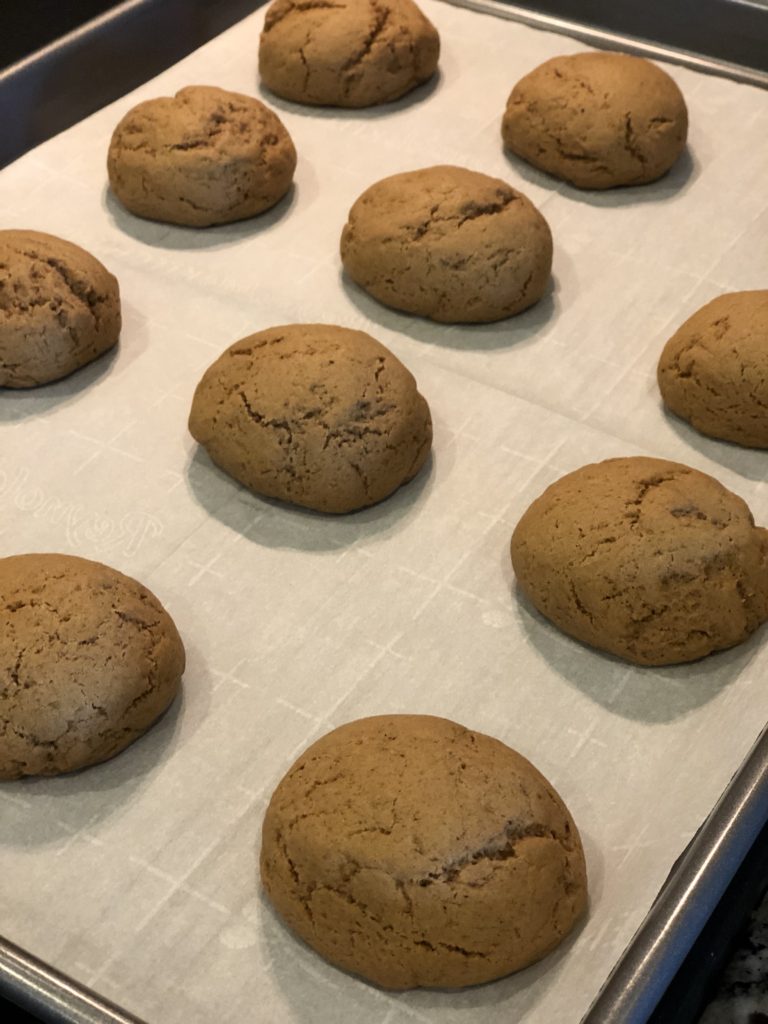
Let cookies cool on the baking sheet for a few minutes. Then transfer to a wire rack to cool completely. Store in an airtight container to keep freshness.

Credit: www.theseasonedmom.com
Serving Suggestions
Serving Williamsburg gingerbread offers a chance to enjoy its warm, spicy flavors fully. How you serve it can change the experience. Simple ideas can make your gingerbread even more delightful.
Pairing With Beverages
Warm drinks match gingerbread well. Try a cup of hot tea, like chai or black tea. The spices in tea complement the gingerbread spices.
Coffee, especially with a touch of cream, also pairs nicely. For a cold option, milk is a classic choice. It softens the gingerbread’s rich taste.
Presentation Ideas
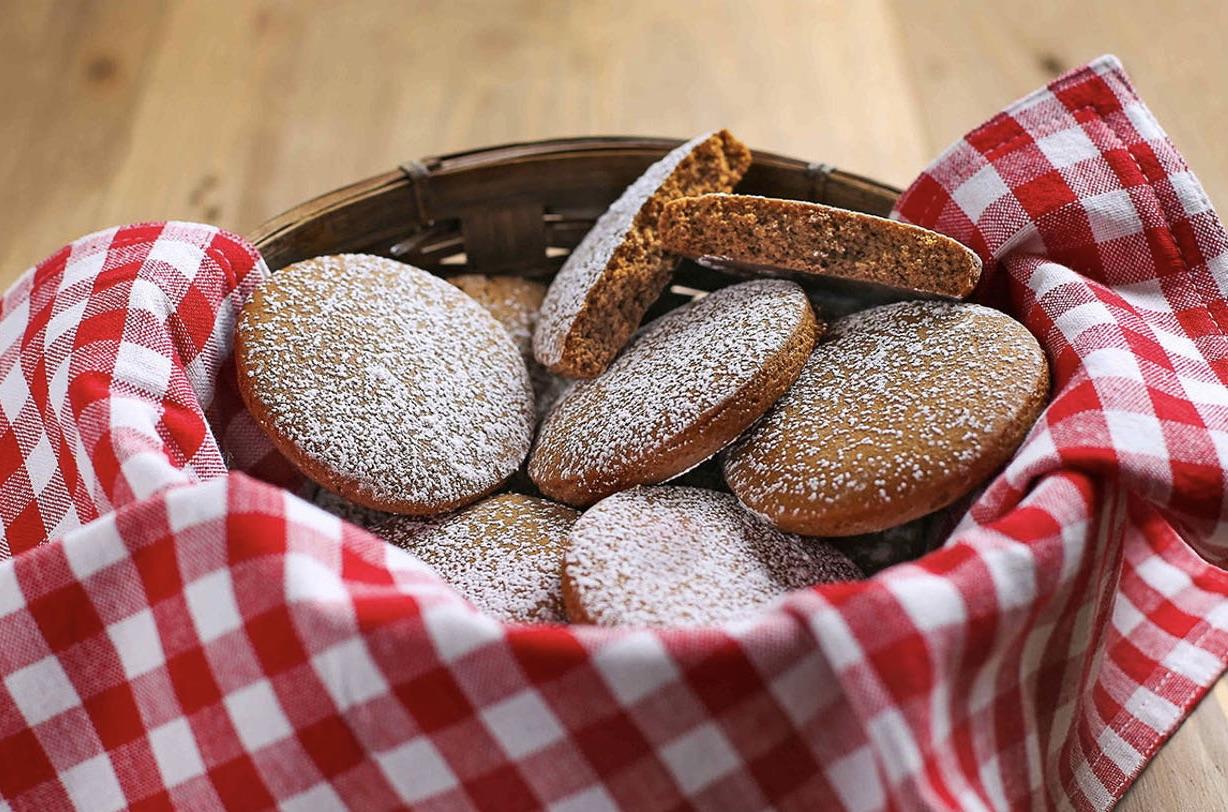
Serve gingerbread slices on a wooden board for a rustic look. Dust with powdered sugar for a snowy effect. Add fresh berries for a pop of color and freshness.
Use small plates with a dollop of whipped cream or a scoop of vanilla ice cream. This adds creaminess to each bite and makes the dessert feel special.
Storage And Shelf Life
Store gingerbread in an airtight container at room temperature. It stays fresh for up to five days. For longer storage, wrap tightly and freeze.
When frozen, gingerbread keeps well for up to three months. Thaw at room temperature before serving. Proper storage keeps the gingerbread moist and tasty.
Variations And Twists
The Williamsburg Gingerbread recipe is a classic treat loved by many. It has a rich history and a warm, spicy flavor. Over time, cooks have created many versions to suit different needs and tastes. These variations keep the recipe fresh and exciting.
Try these twists to enjoy gingerbread in new ways. Each option offers something special while staying true to the original spirit of Williamsburg Gingerbread.
Gluten-free Options
Gluten-free versions make gingerbread safe for those with gluten intolerance. Use almond flour or a gluten-free flour mix instead of wheat flour. Add a bit more moisture, like applesauce, to keep the texture soft. These changes keep the gingerbread tasty and easy to eat.
Vegan Adaptations
Vegan gingerbread replaces eggs and butter with plant-based ingredients. Use flaxseed or chia seeds mixed with water as egg substitutes. Coconut oil or vegan margarine works well instead of butter. This version keeps the spice and sweetness without animal products.
Modern Flavor Enhancements
Try adding new flavors to update the classic recipe. Orange zest or lemon peel adds bright citrus notes. A pinch of cardamom or cloves gives a deeper spice flavor. Some bakers add chopped nuts or dried fruit for texture and sweetness. These changes create a fresh twist on old favorites.
Troubleshooting Common Issues
Making Williamsburg gingerbread can be a fun experience. But sometimes, small problems happen. These issues can change the final taste and texture of your gingerbread. Understanding common problems helps you fix them fast. This way, your gingerbread turns out just right every time.
Texture Problems
Gingerbread can be too hard or too soft. Overbaking dries it out, making it tough. Underbaking leaves it doughy inside. Use a toothpick to check. It should come out clean or with a few crumbs. Also, too much flour makes the dough dense. Measure flour carefully. The dough should feel soft and slightly sticky.
Flavor Imbalances
Sometimes, the gingerbread tastes too spicy or too bland. Too much ginger or cloves can overpower the flavor. Too little sugar or molasses makes it dull. Follow the recipe amounts closely. Taste the dough before baking to adjust spices. Balance sweet, spicy, and warm flavors for a perfect bite.
Baking Mistakes To Avoid
Not preheating the oven changes baking time and texture. Always heat the oven first. Using expired baking soda or baking powder can stop the gingerbread from rising. Check the freshness of leavening agents. Mixing the dough too much makes it tough. Stir just until all ingredients join together.
Frequently Asked Questions
What Is Williamsburg Gingerbread Recipe?
Williamsburg gingerbread is a traditional colonial American cookie made with molasses and warm spices. It has a rich, deep flavor and a soft, chewy texture. This recipe preserves the historic taste from Williamsburg, Virginia, offering an authentic experience of early American baking.
How Do You Make Williamsburg Gingerbread Soft?
To keep Williamsburg gingerbread soft, use molasses and brown sugar in the recipe. Avoid overbaking by checking cookies a few minutes early. Store cooled cookies in an airtight container with a slice of bread to maintain moisture and softness.
What Spices Are In Williamsburg Gingerbread?
The key spices in Williamsburg gingerbread include ginger, cinnamon, cloves, and nutmeg. These spices create a warm, aromatic flavor profile typical of colonial gingerbread. Freshly ground spices enhance the taste and authenticity of the recipe.
Can Williamsburg Gingerbread Be Made Gluten-free?
Yes, Williamsburg gingerbread can be made gluten-free by substituting all-purpose flour with a gluten-free flour blend. Ensure the blend includes xanthan gum for texture. This adaptation retains the original flavor while accommodating gluten-free diets.
Conclusion
This Williamsburg gingerbread recipe brings warm, rich flavors to your kitchen. Baking it fills your home with a sweet, spicy aroma. Each bite offers a soft, delicious taste that everyone will enjoy. It’s a simple, fun recipe to try with family or friends.
Give it a chance and create tasty memories today. This classic treat fits well for holidays or everyday snacks. Enjoy the cozy feeling that gingerbread always brings.
