


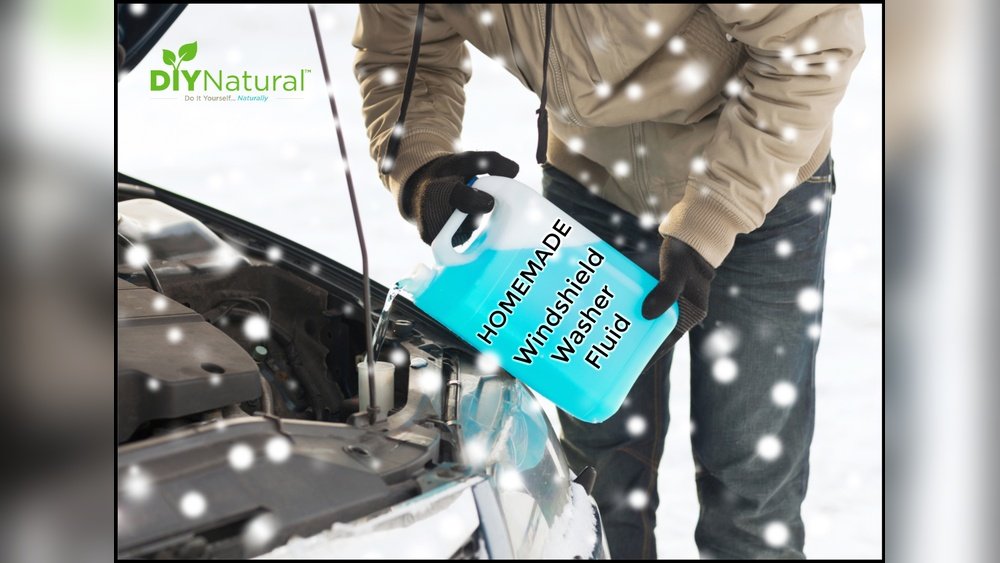
Your windshield is your clear view to the road, and keeping it spotless is key to safe driving. But have you ever thought about what’s really in that windshield washing fluid you buy?
Making your own windshield washing fluid at home is easier and cheaper than you might think. Plus, you can customize it to work better for your car and local weather. You’ll discover a simple, effective recipe that saves you money and keeps your windshield sparkling clean every time you drive.
Ready to learn how? Keep reading!
Why Make Your Own Windshield Fluid
Making your own windshield washing fluid is a smart choice for many drivers. It saves money, lets you control what goes in it, and helps the environment. Store-bought fluids can be costly and contain harsh chemicals. Homemade fluid is simple and effective.
Cost Savings
Buying windshield fluid often adds up over time. Making your own costs much less. Basic ingredients like water, vinegar, and a bit of soap are cheap. You can make large batches for a fraction of store prices. Saving money is easy with a homemade mix.
Customizable Ingredients
Store fluids have fixed formulas. Making your own lets you choose ingredients. You can add antifreeze for winter or extra soap for dirt. Use natural or mild ingredients if you have sensitive skin. Adjust the recipe to fit your needs perfectly.
Environmental Benefits
Many commercial fluids contain chemicals that harm nature. Homemade fluid uses simple, eco-friendly ingredients. It reduces plastic waste since you can reuse containers. This choice helps protect water and soil from pollution. A small step for you but better for the planet.
Credit: chrisduke.tv
Essential Ingredients For Diy Fluid
Making your own windshield washing fluid is simple and cost-effective. Knowing the right ingredients helps you create a solution that cleans well and protects your car. Each component plays a key role in clearing dirt and grime from your windshield. Below are the essential ingredients needed for a DIY windshield washing fluid.
Water
Water is the main ingredient in any windshield washing fluid. Use clean, distilled water to avoid minerals that can leave spots. It dilutes the other ingredients and helps spread the solution evenly across the glass.
Rubbing Alcohol
Rubbing alcohol helps the fluid dry quickly and prevents freezing in cold weather. It also dissolves grease and grime better than water alone. Use isopropyl alcohol with at least 70% concentration for best results.
Dish Soap
Dish soap acts as a gentle cleaner. It breaks down dirt, bugs, and road oils on your windshield. Use a few drops of a mild, non-abrasive dish soap to avoid streaks or damage to your car’s finish.
Optional Additives
Some people add a few drops of ammonia for extra cleaning power. Others include a small amount of vinegar to help remove hard water stains. Be careful with additives; too much can harm your car’s paint or rubber seals.
Step-by-step Mixing Guide
Making your own windshield washing fluid is simple and saves money. Follow this step-by-step mixing guide to prepare a safe and effective solution. Clear instructions help you get the best results.
Measuring Ingredients
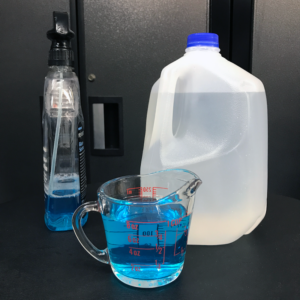
Start by gathering all ingredients. Use a clean measuring cup for accuracy. Measure the right amount of water first. Add rubbing alcohol next. Then add a small amount of dish soap. Use precise measurements to avoid damage to your car.
Mixing Process
Pour water into a clean container. Slowly add rubbing alcohol while stirring. Mix gently to avoid bubbles. Add dish soap last and stir again. Make sure all ingredients blend well. Avoid shaking too hard to keep the mix clear.
Storage Tips
Store the fluid in a sealed container. Use a clean bottle with a tight lid. Keep it in a cool, dry place. Label the bottle with the date and contents. Avoid direct sunlight to keep the fluid fresh. Always check before use for any changes in color or smell.
Safety Tips For Homemade Fluid
Making your own windshield washing fluid can save money and give you control over the ingredients. Safety is important when handling homemade fluids. Proper care keeps you and your car safe.
Handling Chemicals
Use gloves to protect your skin from chemicals. Work in a well-ventilated area to avoid breathing fumes. Keep chemicals away from children and pets. Measure ingredients carefully to avoid harmful mixes. Wash your hands after handling any chemicals.
Labeling Containers
Always label containers clearly with the contents inside. Include the date when you made the fluid. Use waterproof labels or permanent markers. Clear labels prevent confusion and accidental misuse. Store the fluid in its original or a safe container only.
Avoiding Freezing
Store your fluid where temperatures stay above freezing. Freezing can damage the mixture and your car’s system. Add antifreeze ingredients if needed to prevent ice. Check the weather and move containers indoors during cold spells. Proper storage keeps the fluid effective and safe.
Troubleshooting Common Issues
Troubleshooting common problems with windshield washing fluid can save time and improve driving safety. Many issues are easy to fix with simple steps. Knowing these fixes helps keep your windshield clear and your fluid effective.
Streaks On Glass
Streaks make it hard to see clearly. This happens when the fluid is too strong or too weak. Use the right mix of water and cleaning agent. Clean the windshield with a soft cloth before using the fluid. Replace old or dirty wiper blades. Streaks often come from dirt or bad fluid.
Clogged Nozzles
Nozzles can block from dirt or thick fluid. Clear them with a thin needle or pin. Use clean fluid to avoid clogs. Check nozzles regularly to keep spray even. Avoid using homemade mixes that are too thick. Proper fluid flow improves cleaning power.
Strong Odors
Strong smells can come from harsh chemicals or bad fluid mix. Use mild, non-toxic ingredients in your recipe. Ventilate your car after filling the tank. If the odor stays, flush the system with clean water. Safe fluid means fresh air and safe driving.
Seasonal Recipe Adjustments
Seasonal changes affect the performance of windshield washing fluid. Adjusting your recipe for different seasons keeps your windshield clean and clear. Different weather conditions need different fluid properties for best results.
Winter Formulas
Winter weather demands fluid that resists freezing. Use more rubbing alcohol or antifreeze agents in your mixture. This prevents the fluid from turning to ice on cold days. Add a small amount of dish soap to remove road salt and grime. Avoid water-heavy recipes that freeze easily in low temperatures.
Summer Variations
Summer fluid needs strong cleaning power for bugs and dust. Use more water and less alcohol to prevent quick evaporation. Add a bit of vinegar or lemon juice for extra grease cutting. Avoid antifreeze agents, as they are not necessary in warm weather. Keep the fluid fresh to avoid mold growth in hot conditions.
Benefits Of Crystal Clear Glass
Crystal clear glass on your windshield makes a big difference. It helps you see the road better and drives safer. Clean glass also keeps your car in good shape for longer. Using the right windshield washing fluid can keep your glass spotless every day.
Improved Visibility
Clear glass lets light pass without obstacles. Dirt and grime block your view and cause glare. Washing your windshield removes these problems. You see road signs and other cars easily. Driving feels more comfortable and less tiring.
Enhanced Safety
Good visibility reduces accidents. You spot hazards faster and react quickly. Rain or dust won’t blur your vision. Clean glass helps you drive with confidence. It protects you and others on the road.
Long-term Maintenance
Regular cleaning stops dirt from building up. It prevents scratches and damage to the glass. Proper washing fluid protects the glass surface. Your windshield lasts longer and stays clear. Saving money on repairs and replacements.
Credit: diynatural.com
Credit: www.walmart.com
Frequently Asked Questions
What Ingredients Are Needed For Windshield Washing Fluid?
The basic ingredients include distilled water, rubbing alcohol, and liquid dish soap. Optional additives like vinegar help remove tough grime. These ingredients are safe and effective for cleaning windshields without damaging glass or vehicle paint.
How Do I Make Windshield Washing Fluid At Home?
Mix 3 cups distilled water with 1 cup rubbing alcohol and a few drops of dish soap. Stir gently until combined. Pour the solution into your car’s washer fluid reservoir. This homemade fluid cleans well and prevents freezing in cold weather.
Can Homemade Windshield Fluid Prevent Freezing In Winter?
Yes, adding rubbing alcohol lowers the fluid’s freezing point. This helps keep the windshield clear even in subzero temperatures. For extra protection, increase alcohol concentration but avoid damaging rubber parts by using moderate amounts.
Is Homemade Windshield Fluid Safe For Car Paint?
When made with recommended ingredients, homemade fluid is safe for paint and glass. Avoid harsh chemicals or strong detergents that can cause damage. Using mild dish soap and alcohol ensures effective cleaning without harm.
Conclusion
Making your own windshield washing fluid saves money and time. It uses simple ingredients found at home. This mix cleans your windshield well and keeps it clear. Always store the fluid safely and label it clearly. Try this easy recipe and see the difference.
Clear vision means safer driving every day. Keep your windshield clean, drive with confidence. Simple steps lead to better car care.
