



Have you ever run out of windshield wiper fluid at the worst possible moment? It’s frustrating and can even be dangerous when your view gets blurry on the road.
What if you could make your own windshield wiper fluid quickly, easily, and cheaply right at home? You’ll discover a simple, effective recipe that keeps your windshield crystal clear without breaking the bank. Keep reading to learn how to take control of your car’s cleanliness and safety with just a few common ingredients.
Ingredients Needed
Essential items for making windshield wiper fluid include water, rubbing alcohol, and dish soap. These simple ingredients help clean your windshield effectively. Mixing them correctly keeps your wipers working well in all weather.
Water
Water is the main ingredient for windshield wiper fluid. Use clean, distilled water to avoid dirt and minerals. Tap water can leave spots on your windshield.
Rubbing Alcohol
Rubbing alcohol helps the fluid dry quickly and prevents freezing in cold weather. It also cleans grime and bugs effectively.
Dish Soap
Dish soap acts as a gentle cleaner. Use a few drops to remove dirt without harming the car’s paint or wiper blades.
White Vinegar
White vinegar helps break down tough grime and prevents the fluid from freezing. It also keeps your windshield clear.
Optional: Essential Oils
Add a few drops of essential oils for a fresh scent. This is not necessary but can improve the fluid’s smell.
Credit: www.walmart.com
Step-by-step Mixing Guide
Start with basic ingredients like water and dish soap for a simple windshield wiper fluid mix. Follow clear steps to combine them safely and effectively for clean, streak-free windshields. Keep the process easy to save money and ensure good visibility while driving.
Gather Your Ingredients And Tools
Start by collecting all needed ingredients. You will need water, rubbing alcohol, and liquid dish soap. Also, get a clean container and a measuring cup. These tools help you mix accurately and safely.
Measure And Mix Water And Alcohol
Pour two cups of water into the container. Add one cup of rubbing alcohol to the water. Stir gently to mix both liquids well. Alcohol prevents the fluid from freezing in cold weather.
Add Dish Soap For Cleaning Power
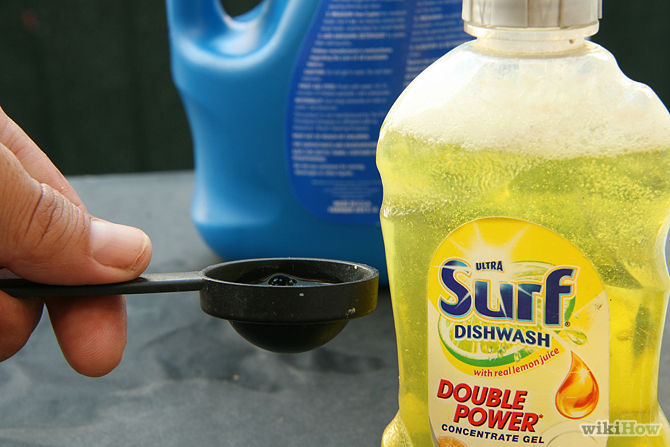
Measure two teaspoons of liquid dish soap. Pour the soap into the mixture carefully. Stir the mixture slowly to avoid making bubbles. Soap helps remove dirt and grime from your windshield.
Transfer The Fluid To Your Car
Use a funnel to pour the fluid into your car’s windshield washer reservoir. Fill it up to the recommended level. Close the reservoir cap tightly to avoid spills. Now, your wiper fluid is ready to use.
Choosing The Right Container
Choosing the right container for your windshield wiper fluid is important. The container keeps the fluid safe and easy to use. It also helps to store the fluid without leaks or spills. Picking a suitable container can save time and effort during refills.
Material Matters
Plastic containers are common and lightweight. They do not break easily if dropped. Look for containers made of high-density polyethylene (HDPE). This material resists chemicals and sunlight well. Avoid containers that crack or degrade quickly.
Size And Shape
Choose a size that fits your needs. Smaller containers are easy to handle and store. Larger containers reduce the number of refills. The shape should allow easy pouring. Narrow openings help to avoid spills.
Sealing And Safety
Use containers with tight-fitting caps. This prevents leaks and evaporation. A seal also keeps dirt and insects out. Child-proof caps add extra safety. Avoid containers with loose or broken lids.
Labeling And Storage
Label your container clearly with the fluid type. This helps avoid confusion with other liquids. Store the container in a cool, dry place. Keep it away from direct sunlight and heat sources. Proper storage extends fluid life and quality.
Storage Tips
Proper storage of windshield wiper fluid keeps it effective and safe. Storing the fluid correctly prevents contamination and extends its life. Avoiding extreme temperatures protects the mixture’s quality. Follow these tips to store your homemade windshield wiper fluid well.
Store In A Cool, Dry Place
Keep the fluid away from heat sources. A cool, dry place prevents evaporation and chemical changes. Avoid storing near windows or heaters. A basement or garage shelf works well.
Use A Sealed Container
Choose a container with a tight lid. This stops dirt and dust from entering. A sealed container also stops spills and leaks. Clean, reusable bottles or jugs are best for storage.
Label The Container Clearly
Mark the container with the date and contents. Clear labels prevent confusion and misuse. It helps you track the fluid’s freshness. Use a permanent marker or waterproof label.
Keep Away From Children And Pets
Store the fluid out of reach of children and pets. The ingredients can be harmful if swallowed. Place containers on high shelves or locked cabinets. Safety first to avoid accidents.
Safety Precautions
Safety is key when making windshield wiper fluid at home. Handling ingredients with care protects you and your vehicle. A few simple rules keep the process safe and easy.
Wear Protective Gloves And Eyewear
Some ingredients can irritate skin or eyes. Gloves stop chemicals from touching your skin. Goggles prevent splashes from reaching your eyes. Always use both when mixing the fluid.
Work In A Well-ventilated Area
Fumes from ingredients may cause dizziness or headaches. Open windows or work outside for fresh air. Good ventilation helps keep the air safe and clear.
Keep Ingredients Away From Children And Pets
Many chemicals in wiper fluid are toxic if swallowed. Store all ingredients out of reach of kids and animals. Use child-proof containers to prevent accidents.
Label Your Homemade Fluid Clearly
Mark the container with its contents and date made. Clear labels avoid confusion with other liquids. This step helps prevent accidental use or spills.
Dispose Of Waste Properly
Do not pour leftover fluid or chemicals down drains. Follow local rules for hazardous waste disposal. Proper disposal protects the environment and water supply.
Credit: diynatural.com
Benefits Of Homemade Fluid
Making your own windshield wiper fluid has many benefits. It saves money and lets you control what goes into the fluid. You can avoid harsh chemicals and make a safer product for your car and the environment.
Homemade fluid works well in different weather. You can adjust the recipe for summer or winter. It also helps keep your windshield clean and clear for better driving safety.
Cost Savings
Store-bought fluid can be expensive. Homemade fluid costs less because it uses simple ingredients. You can make a large amount for a small price. This saves money over time.
Control Over Ingredients
You choose what goes in your fluid. No harsh chemicals or strong smells. This makes it safer for your car’s paint and rubber parts. It also reduces pollution.
Customizable For Weather
Change the recipe to fit the season. Add antifreeze in winter to stop freezing. Make a lighter mix for summer cleaning. This keeps your windshield clear all year.
Environmentally Friendly
Homemade fluid uses natural or less harmful ingredients. It reduces plastic waste by reusing containers. This helps protect nature and wildlife.
Improved Cleaning Power
Mix ingredients that clean better than some store fluids. Vinegar or dish soap can remove dirt and bugs well. Clear glass means safer driving.
Troubleshooting Common Issues
Troubleshooting common issues with windshield wiper fluid helps keep your windshield clean and clear. Problems can occur even with the best homemade recipes. Simple fixes often solve these issues quickly. Understanding the cause helps you apply the right solution.
Clogged Nozzles
Clogged nozzles stop fluid from spraying properly. Dirt or debris blocks the tiny holes. Use a pin or needle to clear the blockage. Regular cleaning prevents build-up. Avoid harsh chemicals that can damage the nozzles.
Fluid Not Spraying
If fluid does not spray, check the fluid level first. The reservoir might be empty. The pump could also fail. Listen for the pump sound when pressing the spray button. Replace the pump if no sound comes from it.
Freezing Fluid
Fluid that freezes on cold days loses effectiveness. Use a recipe with alcohol or antifreeze agents. Store extra fluid in a warm place. Avoid water-only mixtures in winter. This keeps the fluid flowing smoothly.
Streaking Or Smearing
Streaks happen when the fluid lacks cleaning power. Add mild detergent or vinegar to the recipe for better cleaning. Check wiper blades for wear and replace if needed. Clean blades improve streak-free wiping.
Credit: 106sttire.com
Seasonal Recipe Variations
Windshield wiper fluid needs to change with the seasons. Different weather affects how well the fluid works. Using the right recipe helps keep your windshield clear and safe. Try these simple variations for winter and summer.
Winter Formula
Winter requires fluid that won’t freeze. Mix 3 parts water with 1 part rubbing alcohol. Add a few drops of dish soap for cleaning power. This mix stops ice from forming on your windshield. It also removes salt and grime from winter roads.
Summer Formula
Summer needs a gentle but effective fluid. Use 4 parts water with 1 part white vinegar. Add a few drops of mild dish soap. This recipe cleans bugs and dirt easily. It also prevents streaks on hot, sunny days.
Budget Comparison
Comparing costs helps you decide the best option for windshield wiper fluid. Making your own fluid at home can save money. Store-bought fluids cost more but are ready to use. Examining both choices shows clear price differences.
Consider the price per use, not just the container cost. Homemade fluid needs simple ingredients that last long. Buying small bottles often adds up quickly. Budget comparison reveals which method fits your wallet better.
Cost Of Store-bought Windshield Wiper Fluid
Store-bought fluid usually costs between $3 and $7 per gallon. Smaller bottles are less, but they run out fast. You pay for convenience and brand reputation. Some formulas include additives that may raise the price.
Cost Of Homemade Windshield Wiper Fluid
Homemade fluid uses water, vinegar, and dish soap. These ingredients cost only a few dollars. One batch can fill several gallons. The price per gallon is much lower than store-bought fluid.
Long-term Savings Comparison
Making your own fluid saves money over time. Repeated purchases of store fluid add up quickly. Homemade fluid reduces waste and packaging costs. Savings increase the more fluid you use.
Frequently Asked Questions
What Ingredients Are Needed For Windshield Wiper Fluid?
Common ingredients include water, isopropyl alcohol, and a small amount of dish soap. Some recipes add vinegar or antifreeze for extra cleaning power and freeze protection.
How Do I Make Homemade Windshield Wiper Fluid?
Mix 3 cups water, 1 cup isopropyl alcohol, and a teaspoon of dish soap. Stir well and pour into the wiper fluid reservoir.
Can Homemade Wiper Fluid Prevent Freezing In Winter?
Yes, adding isopropyl alcohol or antifreeze helps prevent freezing. Adjust the alcohol amount based on your local winter temperatures.
Is Homemade Wiper Fluid Safe For All Vehicles?
Generally yes, but avoid harsh chemicals like bleach. Homemade fluid is safe if ingredients are mild and used in proper amounts.
Conclusion
Making your own windshield wiper fluid saves money and effort. It cleans your windshield well and keeps it clear. Using simple ingredients means no harsh chemicals harm your car. You can mix the fluid at home anytime you need. This easy recipe helps you stay safe while driving.
Try it once and see the difference yourself. Clear vision matters, especially on rainy days. Keep this recipe handy for quick refills. Your car and wallet will thank you.
