


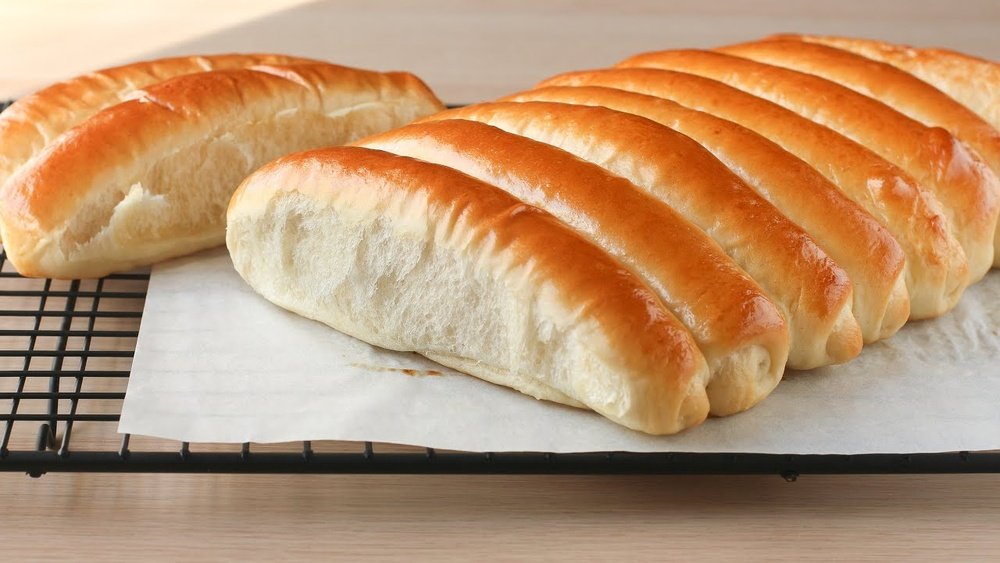
Are you ready to bake a bread that’s soft, flavorful, and perfect for any meal? The Windsor Bread Recipe is just what you need.
It’s simple to make, uses everyday ingredients, and fills your kitchen with an irresistible aroma. Whether you’re new to baking or looking for a reliable favorite, this recipe will guide you step-by-step to create a loaf that feels like a warm hug.
Keep reading, and soon you’ll be slicing into fresh, homemade Windsor bread that everyone will love.
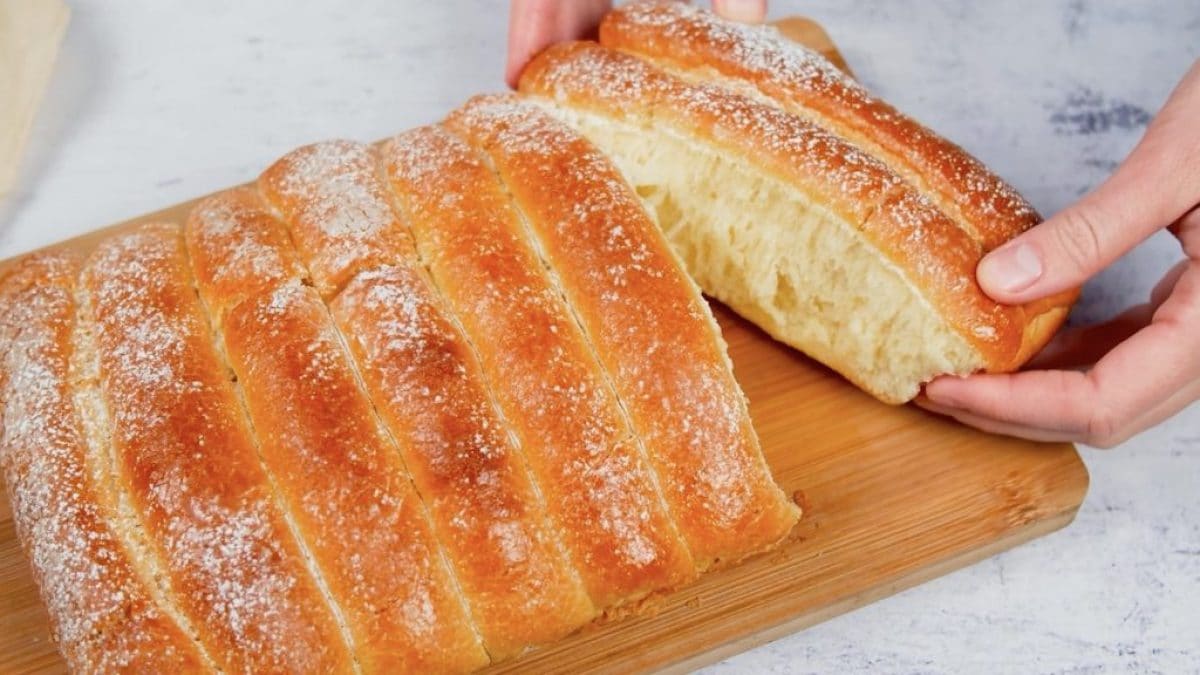
Credit: www.cookist.com
Ingredients For Windsor Bread
The ingredients for Windsor Bread create its unique texture and flavor. Each component plays a key role in the baking process. Using the right ingredients ensures soft, tasty bread every time.
Gathering these ingredients before you start makes baking easier. Let’s explore what you need to make Windsor Bread from scratch.
Essential Dry Ingredients
Flour forms the base of Windsor Bread. Use all-purpose flour for best results. Yeast helps the bread rise and become fluffy. Sugar feeds the yeast and adds slight sweetness. Salt balances the flavors and controls yeast activity.
Wet Ingredients Needed
Warm water activates the yeast and hydrates the flour. Milk makes the bread soft and gives a richer taste. Butter adds moisture and a tender crumb. Eggs provide structure and help the bread rise well.
Optional Add-ins
Add seeds like sesame or poppy for crunch and extra flavor. Herbs such as rosemary or thyme give a fresh aroma. Honey can replace sugar for a natural sweetness. Nuts add texture and make the bread more filling.
Preparing The Dough
Preparing the dough is the first step to making Windsor bread. It sets the base for soft, fluffy bread with a perfect crust. Careful preparation ensures good texture and flavor. Follow these simple steps to get your dough ready for baking.
Mixing Ingredients
Start by measuring all ingredients accurately. Use fresh yeast for better rise. Combine flour, yeast, salt, sugar, and water in a large bowl. Stir gently until all ingredients come together. Avoid over-mixing. The dough should look rough but moist.
Kneading Techniques
Turn the dough onto a clean surface. Use the heels of your hands to push and fold the dough. Rotate it slightly after each fold. Knead for about 10 minutes until the dough feels smooth and elastic. Proper kneading develops gluten for a good structure.
First Rise Tips
Place the dough in a lightly oiled bowl. Cover it with a clean cloth or plastic wrap. Keep it in a warm, draft-free area. Let the dough rise until it doubles in size. This usually takes about 1 to 2 hours. Patience here improves bread softness and taste.
Shaping And Second Rise
The shaping and second rise stage is key to baking Windsor bread. This step helps create the bread’s shape and texture. It also prepares the dough for the final bake. Taking care during this phase leads to a better loaf with a nice crust and soft inside.
Paying attention to shaping and proofing ensures the bread looks good and bakes evenly. Let’s explore how to form the loaf and the best proofing guidelines.
Forming The Loaf
Start by gently pressing the dough to remove air bubbles. Shape it into a tight ball or oval. Use your hands to fold the edges under the dough. This creates tension on the surface. The dough should feel smooth and firm but not hard.
Place the shaped dough seam-side down in a floured bread pan or on parchment paper. This helps keep the loaf’s form during baking. Avoid over-handling the dough as it can deflate.
Proofing Guidelines
Let the dough rise for the second time in a warm, draft-free place. The ideal temperature is around 75°F (24°C). Cover the dough with a clean cloth to keep moisture in.
The dough should double in size during this rise. This usually takes 45 minutes to 1 hour. Check it by gently pressing a finger into the dough. If the indentation stays, the dough is ready to bake.
Proper proofing helps develop flavor and gives the bread a light texture. Avoid rushing this step for the best results.

Credit: www.youtube.com
Baking Process
Baking Windsor bread is a careful process that shapes its unique texture and flavor. Each step affects the final result. The baking process is where dough transforms into a golden, aromatic loaf. Attention to oven settings, baking time, and cooling methods ensures the best bread.
Oven Settings
Set the oven to 375°F (190°C) for even baking. Preheat the oven fully before placing the bread inside. Use the middle rack for balanced heat distribution. Avoid opening the oven door too often. This keeps the temperature steady and the bread rising properly.
Baking Time
Bake the bread for 25 to 30 minutes. Watch for a golden-brown crust as a sign of readiness. Tap the bottom of the loaf; it should sound hollow. Baking longer dries the bread out. Baking less leaves it doughy inside. Timing is key for perfect texture.
Cooling Methods
Remove the bread from the oven carefully. Let it cool on a wire rack for 1 hour. This stops the baking process and keeps the crust crisp. Avoid wrapping the bread while hot. Trapped steam makes the crust soft. Proper cooling preserves the bread’s fresh taste.
Serving Suggestions
Serving Windsor Bread offers many delicious options. This bread pairs well with various dishes. It adds a cozy, fresh touch to any meal. Simple ideas make your Windsor Bread experience better.
Best Accompaniments
Try Windsor Bread with soups like tomato or chicken noodle. It soaks up flavors and adds texture. Spread butter or herb cream cheese for a quick snack. Use it for sandwiches with fresh vegetables and deli meats. Pair with cheese and olives for a light appetizer. The bread’s soft crumb and crusty outside balance rich and creamy foods well.
Storage Tips
Keep Windsor Bread fresh by storing it properly. Wrap it in a clean cloth or paper bag. Store at room temperature for up to three days. For longer storage, freeze the bread in a plastic bag. Slice before freezing to thaw only what you need. Avoid storing bread in the fridge to keep it soft. Proper storage keeps the bread tasty and fresh longer.

Credit: whattocooktoday.com
Troubleshooting Common Issues
Baking Windsor bread is rewarding but can have challenges. Common problems may arise during baking. This guide helps fix typical issues fast. Understanding these tips improves your bread results every time.
Dense Or Heavy Bread
Dense bread often means too much flour or not enough water. Check your measuring methods carefully. Overmixing the dough can also cause heaviness. Mix just until ingredients combine. Make sure your yeast is fresh and active. Warm water helps yeast grow well. Let the dough rise enough before baking. Patience makes your bread light and fluffy.
Uneven Crust
Uneven crust may come from uneven oven heat. Use an oven thermometer to check temperature. Place the bread in the center of the oven. Avoid opening the oven door too soon. Steam helps create a nice crust. Place a pan with water inside the oven. This keeps the crust soft during baking. Remove the water pan near the end for a crisp crust.
Flavor Adjustments
Taste can change with ingredient quality. Use fresh flour and good salt. Try adding herbs or seeds for extra flavor. A small amount of sugar boosts yeast activity and taste. Letting dough rise longer can improve flavor. Experiment with different rising times for the best taste. Adjust ingredients slowly to find your perfect mix.
Frequently Asked Questions
What Ingredients Are Needed For Windsor Bread?
Windsor bread requires flour, yeast, water, salt, sugar, and butter. These ingredients combine to create a soft, flavorful loaf. Using fresh yeast and quality flour ensures better texture and taste.
How Long Does Windsor Bread Take To Bake?
Baking Windsor bread usually takes 25 to 30 minutes. The oven should be preheated to 375°F (190°C). Baking time may vary depending on your oven and loaf size.
Can I Use Whole Wheat Flour For Windsor Bread?
Yes, you can substitute whole wheat flour partially or fully. It adds fiber and a nutty flavor but may affect bread’s softness. Adjust water quantity as whole wheat absorbs more moisture.
How Do I Store Windsor Bread For Freshness?
Store Windsor bread in an airtight container or bread box. Keep it at room temperature for up to 3 days. For longer storage, freeze it wrapped tightly to maintain freshness.
Conclusion
Baking Windsor bread at home brings joy and warmth. This simple recipe fits any skill level. Fresh bread smells and tastes much better than store-bought. You can share it with family or friends. Try different toppings or fillings to suit your taste.
Baking bread helps you learn patience and care. Enjoy the process as much as the result. Give this recipe a chance and savor homemade goodness.
