



When the cold winds blow and the days grow shorter, nothing beats a warm, comforting drink to lift your spirits. Imagine sipping a rich, flavorful beer that warms you from the inside out.
That’s exactly what a Winter Warmer Beer offers. You’ll discover a simple recipe to create your own cozy brew at home. Whether you’re new to brewing or looking to try something new this season, this guide will help you craft a beer that’s perfect for chilly evenings.
Ready to make your winter nights more enjoyable? Let’s dive in!
Choosing Ingredients
Choosing the right ingredients shapes the heart of your Winter Warmer beer. Each component adds depth and character. Careful selection brings out cozy, rich flavors perfect for cold nights. Focus on malts, spices, and yeast to craft a smooth, warming brew.
Selecting Malts For Richness
Malts provide the base flavor and color. Use darker malts like caramel or chocolate for richness. These malts add sweetness and a toasty taste. They create a full body that feels warm in every sip. Balance is key—too many dark malts can make it bitter.
Spices And Additives For Warmth
Spices give Winter Warmer its cozy, festive feel. Cinnamon, cloves, and nutmeg bring gentle heat and aroma. Orange peel adds a bright, citrus note. Use spices sparingly to avoid overpowering the malt flavors. Experiment with small amounts to find the perfect blend.
Picking The Right Yeast
Yeast controls fermentation and impacts the beer’s flavor. Choose a yeast strain that enhances malt sweetness and spice notes. English ale yeasts work well for Winter Warmer beers. They produce smooth, mild flavors and a clean finish. Avoid yeasts that create too much fruitiness or sharpness.
Brewing Process
The brewing process for a Winter Warmer beer is both fun and rewarding. It involves several key steps that help develop rich flavors perfect for cold days. Careful attention to each stage ensures a smooth, tasty brew with the right warmth and spice.
Mashing Techniques
Mashing converts grains into fermentable sugars. Use warm water, around 150°F (65°C), to soak the malted barley. Keep the temperature steady for 60 minutes. Stir gently to avoid clumps and ensure even heating. This step creates the beer’s body and sweetness.
Boiling And Adding Spices
Boil the wort for 60 to 90 minutes. This kills bacteria and extracts bitterness from hops. Add spices like cinnamon, cloves, or nutmeg in the last 15 minutes of boiling. These spices give the Winter Warmer its signature cozy flavor. Use fresh spices for best aroma.
Fermentation Tips
Cool the wort quickly after boiling to about 70°F (21°C). Transfer it to a clean fermenter and add yeast. Keep the fermenter in a dark, warm place between 65-70°F (18-21°C). Let fermentation last 1 to 2 weeks. Avoid shaking the fermenter to prevent off-flavors.
Flavor Profiles
The flavor profile of a Winter Warmer beer is rich and inviting. This style blends sweet maltiness with warm spices. It creates a cozy drink perfect for cold days. Understanding these flavors helps craft a balanced and tasty brew.
Balancing Sweetness And Spice
Sweetness comes from the malt and sometimes added sugars. It gives the beer a smooth and full taste. Spices like cinnamon, clove, or nutmeg add warmth and complexity. Balance is key. Too much sweetness makes it heavy. Too much spice can overpower the malt flavors.
Enhancing Body And Mouthfeel
The body of Winter Warmer beer feels thick and creamy. Using malts like caramel or chocolate adds depth. These malts also improve the beer’s color. A fuller mouthfeel makes the beer more satisfying. Adjust malt types and amounts to find the right weight.
Adjusting Bitterness Levels
Bitterness comes from hops and balances sweetness. A low to medium bitterness suits this style best. It keeps the beer smooth and drinkable. Too much bitterness can clash with spices. Careful hop selection and timing control bitterness perfectly.
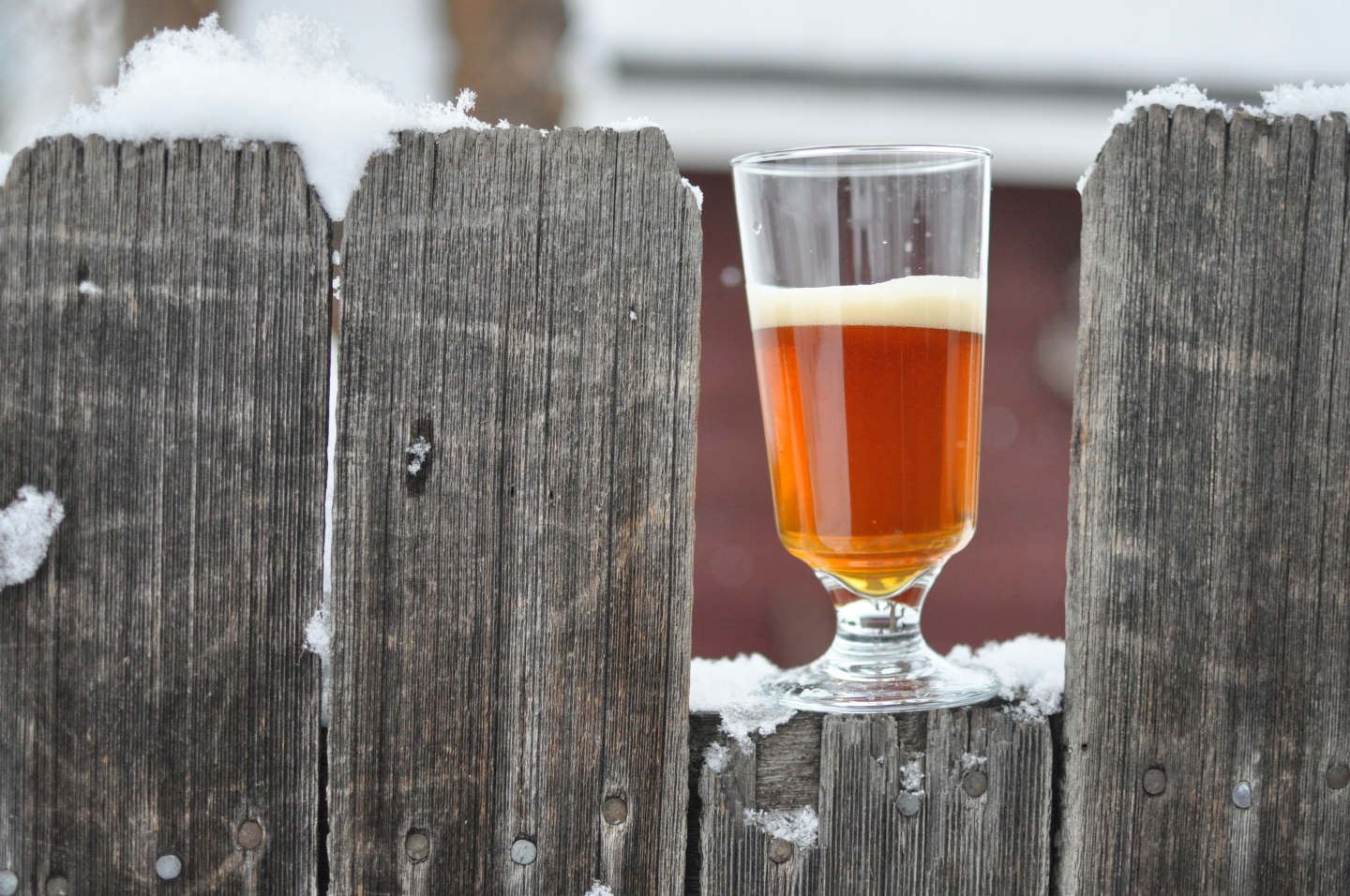
Credit: homebrewersassociation.org
Packaging And Aging
Packaging and aging are key steps in making Winter Warmer beer taste its best. Proper handling after brewing helps develop rich flavors and smooth textures. Careful storage also protects the beer from spoilage and keeps it fresh longer.
Bottling Best Practices
Clean bottles thoroughly before use. Sanitize all equipment to avoid contamination. Fill bottles slowly to reduce foam and loss. Leave some space at the top for carbonation. Seal bottles tightly with caps or corks. Store them upright to keep sediment at the bottom.
Ideal Aging Conditions
Store bottles in a cool, dark place. Aim for temperatures around 50-60°F (10-15°C). Avoid light and heat, which damage flavor. Let the beer age for at least four weeks. Longer aging can soften harsh spices and malt flavors. Check bottles occasionally for any signs of spoilage.
Serving Suggestions
Chill the beer slightly before serving, about 45-55°F (7-13°C). Pour gently to keep sediment in the bottle. Use a tulip or pint glass to enjoy aromas. Pair with hearty winter foods like stews or roasted meats. Sip slowly to appreciate warming spices and malt depth.
Troubleshooting Common Issues
Making a Winter Warmer beer can bring some challenges. Small problems might change the taste or texture. Knowing how to solve these issues helps keep your beer delicious. This guide covers common issues and easy fixes.
Fixing Off-flavors
Off-flavors can spoil your beer’s taste. They often come from poor ingredients or wrong temperatures. Clean all equipment before brewing. Keep fermentation at the right temperature. Avoid using old or bad ingredients. Off-flavors like sourness or bitterness need quick attention.
Managing Fermentation Problems
Fermentation is key to good beer. Slow or stuck fermentation causes low alcohol and strange taste. Check yeast health before starting. Keep the fermenter in a stable, warm place. Stir or gently shake the fermenter to restart fermentation. Proper oxygen levels help yeast work well.
Adjusting Carbonation
Carbonation gives beer its sparkle. Too much or too little affects enjoyment. Measure sugar carefully for bottling. Use a carbonation calculator to get the right amount. Store bottles at room temperature until carbonation is done. Chill beer before drinking for best fizz.

Credit: boomchugalug.com

Credit: homebrewersassociation.org
Frequently Asked Questions
What Ingredients Make A Perfect Winter Warmer Beer?
A winter warmer beer typically includes malts, spices like cinnamon and cloves, dark sugars, and rich hops. These ingredients create a full-bodied, warming flavor ideal for cold weather.
How Long Should Winter Warmer Beer Be Brewed?
Winter warmer beer usually requires a longer fermentation period of 3 to 4 weeks. This allows flavors to mature fully and develop a smooth, rich taste.
Can I Add Spices To Enhance Winter Warmer Beer?
Yes, adding spices such as cinnamon, nutmeg, and cloves enhances warmth and complexity. Use them sparingly to balance flavor without overpowering the beer.
What Alcohol Content Suits A Winter Warmer Beer?
Winter warmers generally have a higher alcohol content, around 6-9% ABV. This higher ABV provides warmth and richness, perfect for chilly winter evenings.
Conclusion
This winter warmer beer recipe brings cozy flavors to cold nights. Brewing it at home is simple and fun. The spices and malt create a rich, warm taste. Share it with friends or enjoy it alone. This beer helps you relax after a long day.
Try this recipe to add warmth to your winter. Enjoy the comfort and flavor in every sip. Perfect for chilly evenings by the fire. Give your winter a tasty, homemade touch.
