


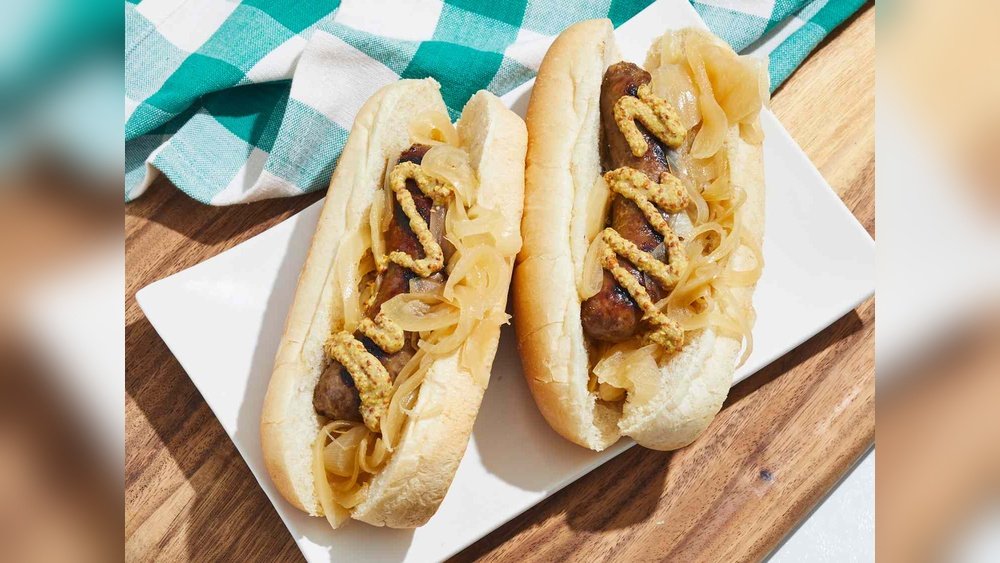
If you love hearty, flavorful food that brings people together, this Wisconsin Bratwurst Recipe is just for you. Imagine biting into a juicy, perfectly seasoned bratwurst, cooked to golden perfection.
Whether you’re grilling for a backyard party or just craving a classic comfort meal, this recipe will make your taste buds sing. Keep reading, and you’ll discover the secrets to making authentic Wisconsin bratwurst right at home—easy, delicious, and sure to impress everyone at your table.
Your next favorite meal is waiting.

Credit: playswellwithbutter.com
Origins Of Wisconsin Bratwurst
Wisconsin bratwurst has a rich and unique history. It is a sausage that many people love. This sausage is more than just food. It tells a story of culture and tradition.
The bratwurst came to Wisconsin with German immigrants in the 19th century. These settlers brought their recipes and cooking skills. They made bratwurst a part of their new home.
Over time, Wisconsin developed its own style of bratwurst. The sausage became a symbol of local pride. It is now a key part of Wisconsin’s food culture.
German Roots And Early Immigrants
German immigrants brought bratwurst recipes to Wisconsin. They arrived in large numbers in the mid-1800s. These settlers settled mostly in rural areas.
They made bratwurst using pork, spices, and natural casings. This sausage reminded them of home. It helped keep their culture alive.
Adapting To Wisconsin Ingredients
Immigrants adapted bratwurst recipes using local ingredients. Wisconsin’s farms provided high-quality pork. This made the bratwurst tastier and unique.
Spices and seasonings changed slightly with available herbs. The result was a bratwurst distinct from those in Germany. It reflected Wisconsin’s environment and tastes.
Bratwurst And Wisconsin’s Food Culture
Bratwurst became popular at fairs, markets, and family gatherings. It grew to be a staple at sports events and barbecues. Many Wisconsin residents consider it their favorite sausage.
This sausage represents community and tradition. It brings people together for celebrations and meals. The bratwurst is a proud part of Wisconsin’s heritage.
Key Ingredients For Authentic Flavor
Authentic Wisconsin bratwurst has a distinct taste that comes from its key ingredients. Each component plays a vital role in creating the classic flavor. Using the right meat, spices, and fresh items ensures a rich and satisfying bratwurst. This section explains the essential ingredients for an authentic Wisconsin bratwurst recipe.
Selecting The Right Meat
Quality meat is the foundation of great bratwurst. Traditional recipes use a mix of pork shoulder and veal. Pork shoulder adds juiciness and fat, while veal gives a tender texture. Avoid lean cuts as they make the sausage dry and tough. A good fat-to-meat ratio is about 70% meat to 30% fat. This balance creates juicy and flavorful bratwurst.
Essential Spices And Herbs
Simple spices bring out the classic bratwurst flavor. Ground white pepper is a must for a mild heat. Nutmeg and mace add a warm, nutty taste. Fresh garlic or garlic powder gives depth. Some recipes also use marjoram, which adds a subtle herb flavor. Use spices in moderation for a balanced, authentic taste.
Importance Of Freshness
Fresh ingredients make a big difference in taste. Fresh meat and spices enhance flavor and texture. Old or stale spices lose their aroma and impact. Fresh garlic and herbs add brightness. Freshness also affects the sausage’s juiciness and mouthfeel. Always choose fresh, high-quality ingredients for the best bratwurst.
Step-by-step Preparation
Preparing Wisconsin bratwurst at home is simple and fun. Follow these clear steps to make tasty brats. Each step helps create the perfect flavor and texture. Take your time and enjoy the process.
Mixing The Meat And Spices
Start by choosing fresh pork and veal for the best taste. Use cold meat to keep the mixture firm. Add salt, pepper, garlic, and nutmeg for classic bratwurst flavor. Mix all ingredients well until evenly combined. Avoid overmixing to keep the meat tender.
Stuffing The Sausage Casings
Soak natural casings in warm water before use. Attach the casing to the sausage stuffer or funnel. Fill the casing slowly, avoiding air pockets inside. Twist sausages into 6-inch links for easy cooking. Keep the casings moist to prevent tearing.
Chilling And Resting The Brats
Place the stuffed brats in the fridge for several hours. This helps the flavors blend and the meat firm up. Resting also makes the sausage easier to cook evenly. Chill brats on a tray, covered with plastic wrap. Ready to grill or cook after resting.
Credit: www.culinaryhill.com
Cooking Techniques For Juicy Brats
Cooking juicy Wisconsin bratwurst takes the right technique. Each method brings out unique flavors. The goal is a brat that is tender, flavorful, and perfectly cooked.
Choosing the right cooking style affects the texture and taste. Some like a smoky grilled brat, while others prefer a pan-fried crust or a gently simmered sausage. Each way delivers a delicious meal.
Grilling Tips And Tricks
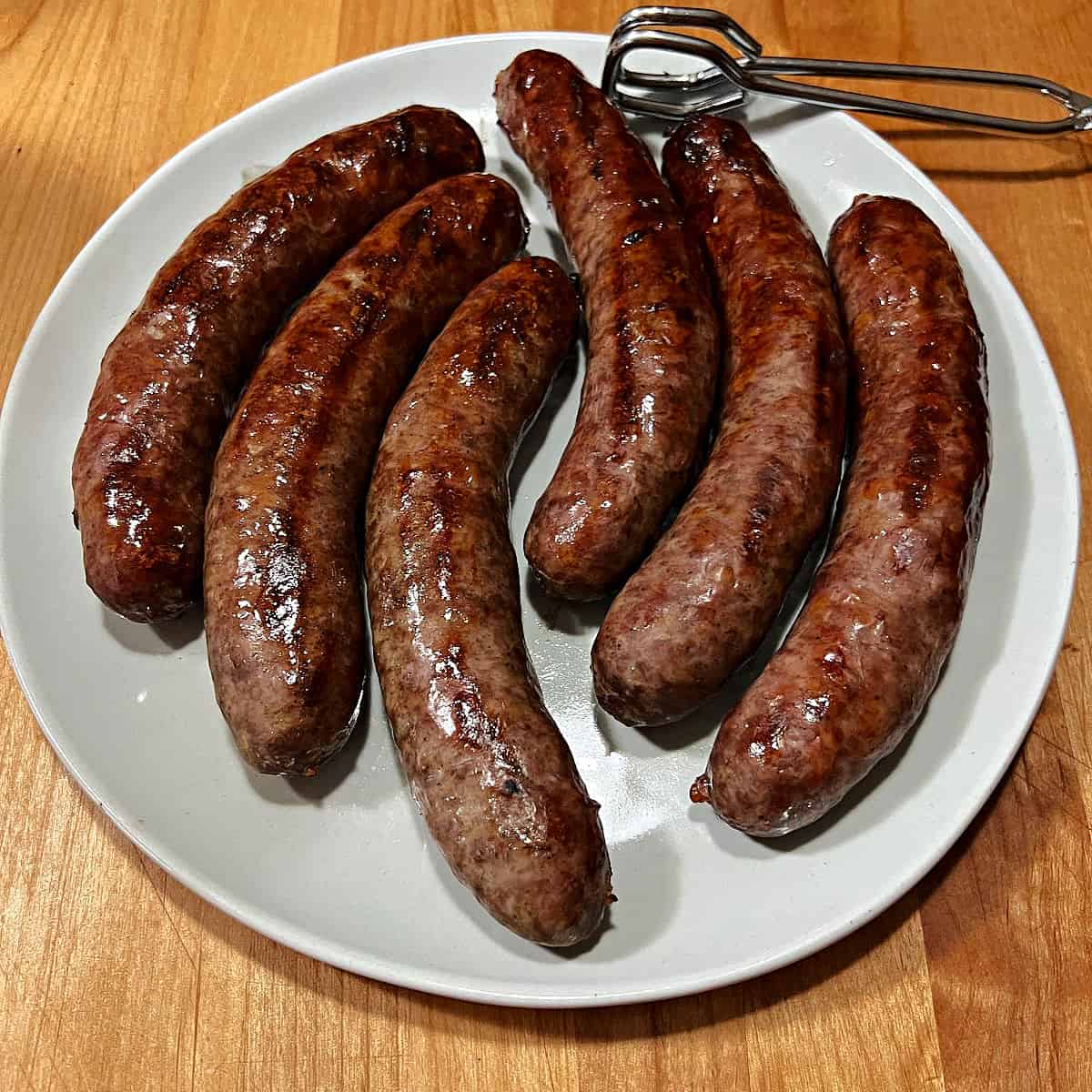
Grilling adds a smoky flavor to brats. Use medium heat to cook evenly without burning. Turn brats often for uniform browning. Avoid piercing the sausage to keep juices inside. Grill with the lid closed to trap heat and cook faster.
Pan-frying Method
Pan-frying gives brats a crispy outside and juicy inside. Heat a skillet with a little oil over medium heat. Cook the brats slowly, turning every few minutes. This method keeps the brat moist and seals in flavors. A cast-iron pan works best for even heat.
Simmering Before Grilling
Simmering brats in liquid before grilling adds moisture. Use beer, broth, or water to simmer gently. Cook brats for 10-15 minutes without boiling. This step cooks the brat inside and keeps it juicy. Finish by grilling to add color and smoky flavor.
Serving Suggestions And Pairings
Serving Wisconsin bratwurst is an important part of the meal. The right sides and drinks make the bratwurst taste even better. Simple pairings bring out the flavors and create a great meal experience.
Classic Buns And Toppings
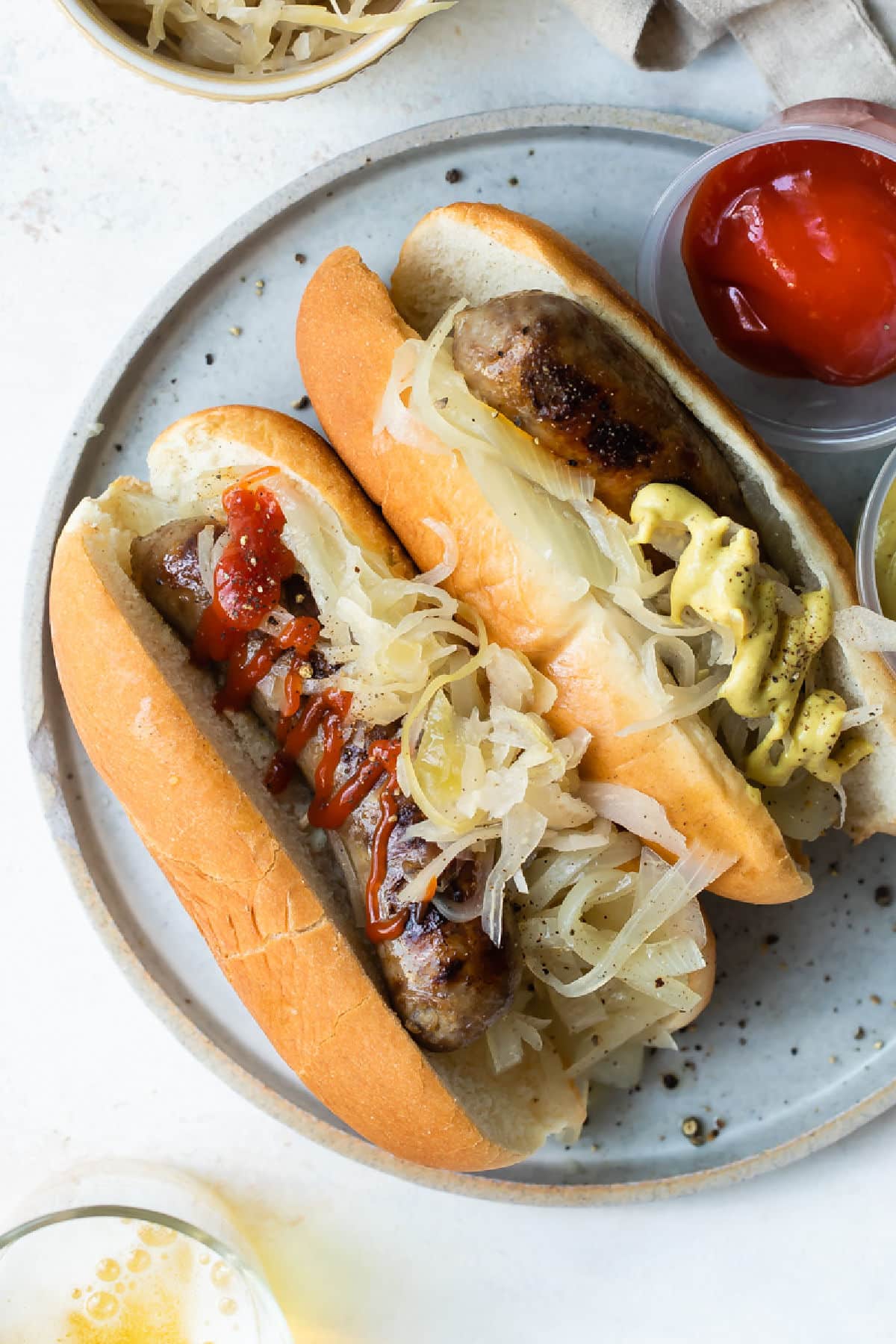
Soft buns are perfect for holding bratwurst. Choose fresh, slightly toasted buns to keep them firm. Traditional toppings include sauerkraut, mustard, and grilled onions. These toppings add tang and crunch. Some like to add pickles or shredded cheese for extra flavor.
Traditional Side Dishes
Bratwurst pairs well with many classic sides. Potato salad is a favorite choice with its creamy texture. Sauerkraut adds a sour bite that cuts the richness of the brat. Roasted or grilled vegetables bring a healthy touch. Pretzels or chips add a salty crunch to the meal.
Beverage Pairings
Cold drinks balance the warm flavors of bratwurst. Beer, especially lager or pilsner, is a popular match. It refreshes the palate and enhances the spices. For non-alcoholic options, lemonade or iced tea work well. These drinks offer a sweet contrast and cool the mouth.
Storing And Reheating Leftovers
Storing and reheating leftover Wisconsin bratwurst keeps the flavors fresh. Proper storage helps prevent spoilage. Reheating the bratwurst correctly preserves its juicy taste and texture.
Use airtight containers to store leftover bratwurst. Cool the sausages before placing them in the fridge. Keep them in the coldest part of your fridge. Leftovers last up to four days when stored well.
Storing Leftover Bratwurst Safely
Wrap bratwurst tightly in plastic wrap or foil. Place the wrapped bratwurst inside a sealed container. Store in the refrigerator at or below 40°F (4°C). Avoid leaving bratwurst out at room temperature too long.
Reheating Bratwurst On The Stove
Heat a skillet over medium heat. Add a small amount of oil or butter. Place bratwurst in the skillet and cook for 3-4 minutes. Turn sausages often for even heating and browning.
Reheating Bratwurst In The Oven
Preheat oven to 350°F (175°C). Place bratwurst on a baking sheet. Cover with foil to keep moisture in. Heat for 10-15 minutes until warmed through.
Microwave Method For Quick Reheating
Place bratwurst on a microwave-safe plate. Cover with a damp paper towel. Heat on medium power for 1-2 minutes. Check and heat more if needed, in 30-second intervals.
Variations And Customizations
Wisconsin bratwurst offers a tasty base for many variations and customizations. These changes let you enjoy different flavors and textures. Simple tweaks can turn a classic brat into a unique treat. Explore how to personalize your bratwurst for every meal.
Adding Cheese Or Jalapeños
Cheese brings a creamy, rich flavor to bratwurst. Try stuffing the sausage with cheddar or mozzarella. Jalapeños add a spicy kick and a crunchy bite. Mix diced jalapeños into the meat or place slices inside the casing. These ingredients enhance taste and add excitement to each bite.
Using Different Meats
Traditional bratwurst uses pork, but other meats work well too. Beef offers a bolder, beefier taste. Turkey creates a lighter, leaner option. Mixing pork with veal gives a tender, smooth texture. Try different combinations to find your favorite blend.
Spicy Vs. Mild Versions
Spicy bratwurst features hot spices like cayenne, black pepper, or chili flakes. It wakes up your taste buds with warmth and heat. Mild versions use gentler spices like nutmeg or white pepper. Mild brats suit those who prefer soft, subtle flavors. Choose your spice level to match your mood and meal.
Credit: sulaandspice.com
Frequently Asked Questions
What Ingredients Are Needed For Wisconsin Bratwurst?
Wisconsin bratwurst requires pork, veal, or beef, plus spices like salt, pepper, nutmeg, and marjoram. Fresh sausages use natural casings for authenticity. Adding beer enhances the flavor, a popular choice in Wisconsin recipes.
How Do You Cook Authentic Wisconsin Bratwurst?
Simmer bratwurst in beer or water for 15-20 minutes to cook through. Then grill or pan-fry until browned. This method keeps the brat juicy and adds a smoky flavor typical in Wisconsin.
Can I Freeze Homemade Bratwurst?
Yes, freeze bratwurst tightly wrapped or in airtight containers. Freeze for up to 3 months. Thaw in the refrigerator before cooking to maintain texture and flavor.
What Side Dishes Pair Well With Wisconsin Bratwurst?
Classic sides include sauerkraut, German potato salad, and grilled onions. Soft pretzels and mustard also complement bratwurst perfectly. These sides enhance the authentic Wisconsin bratwurst experience.
Conclusion
This Wisconsin bratwurst recipe brings classic flavor to your table. Simple steps make cooking fun and easy for everyone. Enjoy juicy, tasty brats with friends or family anytime. Perfect for barbecues, picnics, or a quick meal at home. Give this recipe a try and savor authentic Wisconsin taste.
Great food, happy moments—what more do you need?
