


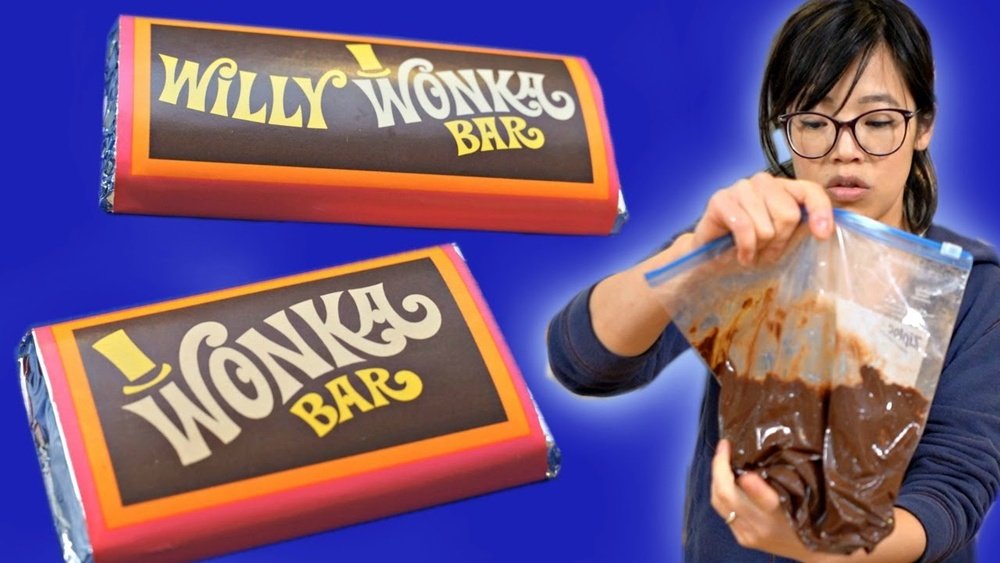
Have you ever wished you could bite into a rich, chocolatey Wonka Bar just like in the movies? Imagine the sweet, creamy taste melting in your mouth, crafted by your own hands right at home.
This Wonka Bar recipe is exactly what you need to turn that craving into reality. Whether you want to surprise your friends, treat your family, or simply enjoy a delicious homemade chocolate bar, this recipe makes it easy and fun.
Keep reading, and you’ll discover simple steps that bring magic to your kitchen and delight to your taste buds. Your perfect Wonka Bar is just a few ingredients away!
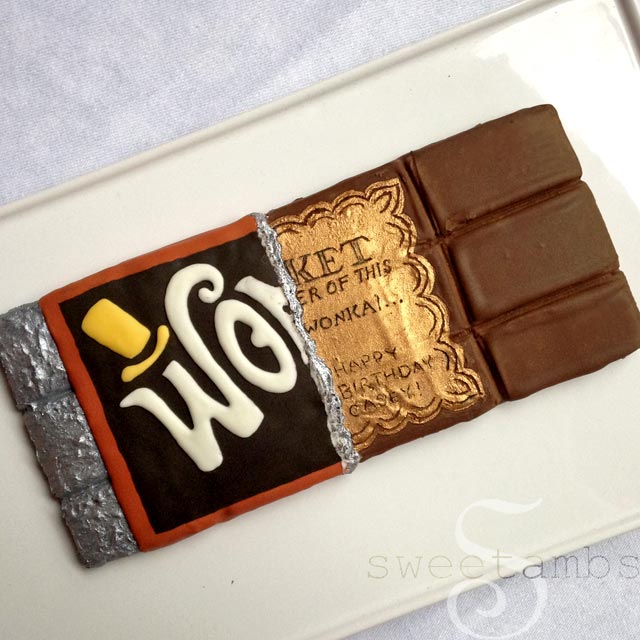
Credit: www.sweetambs.com
Ingredients For Wonka Bar
The ingredients for a Wonka Bar make all the difference in taste and texture. Each component plays a key role in creating the perfect chocolate bar. Using the right ingredients ensures a delicious, smooth, and rich result. Below are the main ingredients you need for your homemade Wonka Bar.
Choosing Quality Chocolate
Start with good chocolate. Dark, milk, or white chocolate all work well. Look for chocolate with at least 30% cocoa content for a richer flavor. Avoid chocolate with many additives or low cocoa percentage. Quality chocolate melts smoothly and tastes fresh. Using real chocolate enhances the overall taste of your Wonka Bar.
Essential Add-ins
Add-ins bring texture and excitement. Crushed nuts like almonds or hazelnuts add crunch. Mini marshmallows create a soft, chewy bite. Small candy pieces or crispy rice add fun and surprise. These ingredients make each bite interesting. Choose add-ins that you enjoy and mix well with chocolate.
Optional Flavor Enhancers
Flavor enhancers give your Wonka Bar a unique twist. A pinch of sea salt brings out chocolate’s sweetness. Vanilla extract adds a smooth, warm flavor. A dash of cinnamon or chili powder can add a subtle spicy kick. These extras help customize your bar to your taste. Use them sparingly to avoid overpowering the chocolate.

Credit: oneandahalfslices.com
Tools And Equipment
Making a Wonka Bar at home is fun and simple. The right tools make the process smooth. Using proper equipment helps you get the best shape and texture. It also saves time and reduces mess.
Below, find the essential kitchen tools and some tips on molding techniques. These will help you create a delicious and beautiful Wonka Bar.
Necessary Kitchen Tools
Start with a heat-safe bowl for melting chocolate. A double boiler or microwave works well. Use a silicone spatula to stir the chocolate smoothly.
A candy thermometer is helpful. It ensures the chocolate reaches the right temperature. This prevents burning or grainy texture.
Have a clean mold ready for shaping the bar. Silicone molds work best for easy release. A baking sheet lined with parchment paper can hold the mold steady.
Measuring cups and spoons keep your recipe accurate. Small bowls help organize ingredients before mixing. A sharp knife or bench scraper is useful for cutting the bar if needed.
Molding Techniques
Pour the melted chocolate slowly into the mold. Tap the mold gently on the counter to remove air bubbles. This creates a smooth surface on your Wonka Bar.
Use a spatula to spread chocolate evenly in the mold. Fill all corners to avoid empty spaces. Chill the mold in the fridge for at least 30 minutes.
After hardening, carefully remove the chocolate from the mold. Warm the mold slightly if the bar sticks. Handle the bar gently to keep its shape intact.
Practice makes perfect. Try different molds and cooling times. This helps find the best results for your homemade Wonka Bar.
Preparing The Chocolate Base
Preparing the chocolate base is the first step in making a perfect Wonka Bar. It sets the foundation for taste and texture. The chocolate must be smooth and glossy. Careful handling ensures the best results. Two key parts are melting and tempering.
Both need attention to detail. They help create a bar that looks and feels like real chocolate. Follow these steps to get the best chocolate base for your Wonka Bar recipe.
Melting Chocolate Properly
Use a double boiler to melt chocolate gently. Avoid direct heat. Stir often for even melting. Watch closely to stop it from burning. Melt chocolate until smooth and soft. This helps the chocolate mix well with other ingredients.
Tempering For Shine And Snap
Tempering cools and heats chocolate to stabilize it. This process gives the bar a nice shine and firm snap. Cool melted chocolate to about 80°F (27°C). Then warm it to 88-90°F (31-32°C) for dark chocolate. This makes the chocolate harden with a smooth finish. Proper tempering stops the bar from looking dull or melting too fast.
Adding Unique Flavors
Adding unique flavors to your Wonka Bar recipe can make it truly special. Small changes bring big taste differences. Experimenting with different ingredients can create new and exciting treats. These flavors add texture, aroma, and depth to your chocolate.
Incorporating Nuts And Fruits
Nuts add crunch and a rich, nutty flavor. Almonds, hazelnuts, or pecans work well. Chop them small or leave them whole for different textures. Fruits bring natural sweetness and a chewy bite. Dried fruits like raisins, cranberries, or apricots blend perfectly with chocolate. Fresh fruit pieces add freshness but may change texture faster. Mixing nuts and fruits offers a balance of sweet and crunchy.
Infusing Spices And Extracts
Spices add warmth and complexity to your Wonka Bar. Cinnamon, nutmeg, or chili powder give a unique twist. Use small amounts to avoid overpowering the chocolate. Extracts like vanilla, almond, or mint enhance flavor subtly. Add extracts during melting for even distribution. These simple additions bring new layers to your chocolate experience.
Shaping And Setting Bars
Shaping and setting the Wonka Bar is a key step in making your chocolate look and taste perfect. This process gives the bars their classic shape and firm texture. Careful shaping ensures a smooth finish. Proper setting helps the chocolate hold together well.
Using Molds Effectively
Choose molds that suit the Wonka Bar size you want. Clean molds well to avoid spots on chocolate. Pour melted chocolate slowly into each mold cavity. Tap the mold gently to remove air bubbles. This prevents holes and uneven surfaces. Use a spatula to level the chocolate. This creates smooth tops and sharp edges.
Cooling And Hardening Tips
Cool the bars at room temperature for a few minutes first. Then, place molds in the fridge to harden. Avoid freezing, which can cause cracks or sweating. Let bars set fully before removing from molds. Warm your hands slightly to release bars easily. Patience here results in shiny, firm Wonka Bars.

Credit: www.sweetambs.com
Packaging And Presentation
Packaging and presentation make your homemade Wonka bars stand out. They create excitement before the first bite. A neat, fun wrap adds charm and shows care. Presentation turns a simple treat into a special gift. It also keeps the chocolate fresh and safe. Creative and thoughtful packaging makes your Wonka bars unforgettable.
Creative Wrapping Ideas
Use colorful foil paper to mimic real candy bars. Bright colors catch the eye and feel festive. Wrap each bar tightly for a clean look. Add a custom label with fun fonts and the bar’s name. Use parchment paper inside for a classic touch. Tie a thin ribbon around the bar to hold the wrap. Small stickers with candy themes add extra charm. Try using brown kraft paper for a rustic style. Personalize with hand-drawn doodles or stamps. These simple touches make your bars unique and fun.
Gift-worthy Displays
Arrange your Wonka bars in a decorative box or basket. Use shredded paper or colored tissue to cushion them. Group bars by flavors or colors for a neat look. Place a small card with a sweet message on top. Use clear plastic wrap to keep the display fresh. Tie the box with a bright ribbon for a polished finish. Display bars on a wooden tray for a natural feel. A well-made display invites sharing and adds joy. Thoughtful presentation makes your gift memorable and special.
Troubleshooting Common Issues
Making a Wonka Bar at home can be fun but also tricky. Some common problems can happen during the process. Knowing how to fix these issues helps you get a smooth, tasty bar every time.
Many problems come from chocolate texture and appearance. These problems can make your bar look less shiny or feel rough. Understanding these issues saves time and ingredients.
Avoiding Bloom And Cracks
Bloom appears as a white, powdery layer on chocolate. It happens when fat or sugar rises to the surface. This makes the bar look dull and less fresh.
To stop bloom, keep the chocolate at a steady cool temperature. Avoid quick changes from hot to cold. Store your bars in a dry place, away from sunlight.
Cracks happen when chocolate cools too fast or is handled roughly. Cool the chocolate slowly at room temperature. Use gentle movements to prevent breaking the bar.
Fixing Texture Problems
Grainy or rough texture often comes from poor melting or mixing. Melt chocolate slowly over low heat. Stir gently but often to keep it smooth.
Adding a little fat, like cocoa butter, can improve smoothness. Make sure all ingredients are at room temperature before mixing.
If the chocolate is too thick, warm it slightly to make it flow better. Avoid overheating, which can ruin texture and flavor.
Variations To Try
Trying different versions of the Wonka Bar recipe makes the experience exciting. Small changes can create new flavors and textures. These variations can suit different diets and taste preferences. Explore these ideas to make your Wonka Bar unique and delicious.
Vegan And Dairy-free Options
Use plant-based milk like almond or oat milk. Replace butter with coconut oil or vegan margarine. Choose dark chocolate without milk for the base. Add nuts or dried fruits for texture and taste. These swaps keep the bar creamy and rich.
Sweet And Savory Twists
Mix in sea salt or crushed pretzels for a salty crunch. Add caramel bits or toffee pieces for extra sweetness. Try chili powder or cinnamon for a spicy hint. Use peanut butter or hazelnut spread for a nutty flavor. These twists make each bite surprising and fun.
Frequently Asked Questions
What Ingredients Are Needed For A Wonka Bar Recipe?
A Wonka Bar recipe typically requires chocolate, cocoa butter, sugar, milk powder, and vanilla extract. Optional ingredients include nuts or caramel for added flavor.
How Can I Make Homemade Wonka Bars?
Melt chocolate and mix with cocoa butter and sugar. Pour into molds, chill until solid, then unwrap and enjoy your homemade Wonka Bars.
Is The Wonka Bar Recipe Gluten-free?
Yes, the basic Wonka Bar recipe is gluten-free if you use gluten-free ingredients like pure chocolate and avoid additives containing gluten.
Can I Customize The Wonka Bar Flavors?
Absolutely! You can add nuts, caramel, or fruit pieces to customize your Wonka Bars to suit your taste preferences.
Conclusion
Making your own Wonka Bar is fun and rewarding. You control the ingredients and taste. It’s a great treat to share with friends. This recipe brings a little magic to your kitchen. Try it today and enjoy a sweet, homemade delight.
Simple steps, tasty results, and happy smiles await. Give it a go and see how easy it is!
