


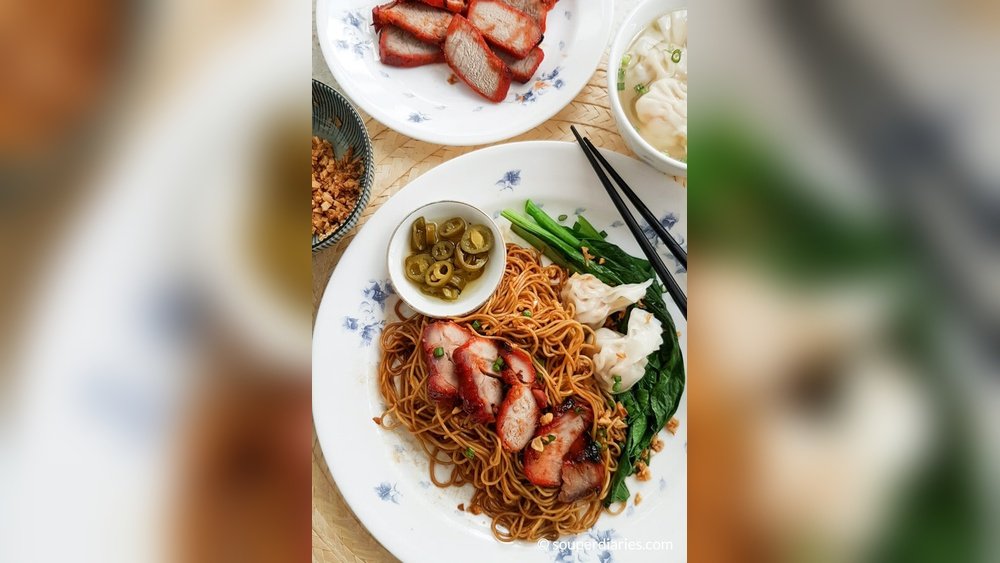
Are you craving a simple, tasty meal that feels like a warm hug? Wonton dry noodles could be just what you need.
This dish combines soft wontons with flavorful noodles, creating a perfect balance of taste and texture. Whether you want a quick lunch or a comforting dinner, this recipe will show you how to make it at home easily. Keep reading, and you’ll discover the secrets to making your own delicious wonton dry noodles that will impress your family and friends.

Credit: woonheng.com
Ingredients For Wonton Dry Noodles
Wonton dry noodles combine simple ingredients to create a tasty dish. Each element plays a key role in the final flavor and texture. Choosing fresh and quality ingredients makes a big difference.
Choosing The Right Noodles
Pick thin wheat noodles or egg noodles for a chewy texture. Fresh noodles work best for this dish. They cook quickly and hold sauce well. Avoid thick or overly soft noodles. They can make the dish heavy and mushy.
Making Fresh Wontons
Fresh wontons add a delicate touch to dry noodles. Use ground pork or shrimp for the filling. Add minced garlic, ginger, and a dash of soy sauce. Wrap the filling in wonton wrappers tightly. Freshly made wontons cook fast and taste better than store-bought ones.
Essential Sauces And Seasonings
Sauces bring the dish together with rich flavors. Soy sauce, sesame oil, and oyster sauce are essentials. Add a little sugar to balance the taste. Garlic and white pepper add a nice kick. These simple seasonings create a savory and aromatic dish.
Preparing The Wontons
Preparing the wontons is the first step to making delicious Wonton Dry Noodles. This process includes choosing the right filling, wrapping the wontons properly, and cooking them with care. Each step affects the final taste and texture. Follow these simple instructions for perfect wontons every time.
Filling Selection And Preparation
Choose fresh ingredients for the filling. Ground pork is a popular choice. Combine it with chopped shrimp for extra flavor. Add finely chopped garlic and green onions. Season with soy sauce, sesame oil, salt, and pepper. Mix the filling well. Make sure it is sticky but not too wet. This helps the wontons hold their shape.
Wrapping Techniques
Place a small spoon of filling in the center of each wonton wrapper. Use water to wet the edges. Fold the wrapper in half to form a triangle. Press the edges firmly to seal. For a classic shape, bring the two corners of the triangle together. Pinch them to close. Avoid overfilling to prevent breaking during cooking.
Cooking Methods For Wontons
Boiling is the easiest way to cook wontons. Use a pot of boiling water. Drop the wontons gently into the water. Cook for 3 to 5 minutes until they float. You can also steam wontons for a softer texture. Place them in a steamer lined with parchment paper. Steam for about 6 minutes. Both methods work well for Wonton Dry Noodles.
Cooking Dry Noodles Perfectly
Cooking dry noodles perfectly is key to a delicious wonton dry noodle dish. The right texture makes every bite enjoyable. Follow simple steps to boil, drain, and handle noodles well.
Boiling Tips
Use plenty of water to avoid noodles sticking together. Wait until water boils vigorously before adding noodles. Stir noodles gently during the first minute. Cook noodles until just tender but still firm. Test a noodle by biting to check doneness.
Draining And Cooling
Drain noodles immediately in a colander. Do not rinse with cold water unless the recipe says so. For some dishes, rinsing cools noodles and stops cooking. For wonton dry noodles, avoid rinsing to keep flavor. Let noodles drain well to remove excess water.
Avoiding Stickiness
Toss noodles with a little oil after draining. Use sesame or vegetable oil for best taste. Stir noodles gently to spread oil evenly. Serve noodles quickly to prevent clumping. Keep noodles warm but not wet before plating.

Credit: www.fussfreecooking.com
Creating The Flavorful Sauce
Creating the flavorful sauce is the heart of a perfect wonton dry noodle dish. The sauce blends key ingredients to bring out rich, savory tastes. It enhances the noodles and wontons, making every bite delightful.
Simple steps help build a sauce that is both tasty and balanced. Each element plays a role in deepening the flavor and aroma. Let’s explore how to create this sauce step by step.
Balancing Soy And Oyster Sauce
Soy sauce offers saltiness and a dark color. Oyster sauce adds sweetness and a rich, umami flavor. Mixing these two sauces creates a smooth, balanced taste.
Use equal parts of soy and oyster sauce for a start. Adjust the ratio based on your preference. Too much soy sauce makes the sauce too salty. Too much oyster sauce can make it overly sweet.
Adding Aromatics And Spices
Fresh garlic and ginger bring warmth and sharpness to the sauce. Mince them finely to release their aroma. A small pinch of white pepper adds mild heat without overpowering.
Chopped green onions add freshness and a slight crunch. Toasted sesame oil gives a nutty and fragrant finish. These simple additions lift the sauce to the next level.
Adjusting For Taste
Taste the sauce before mixing with noodles. Add a little sugar if it tastes too salty. For more depth, add a splash of rice vinegar or lime juice.
Make sure the sauce is not too thick or too runny. Thin it with a bit of water if needed. Keep tasting and adjusting until it feels just right.
Assembling Wonton Dry Noodles
Assembling wonton dry noodles is a simple and fun step. It brings all the flavors together in one bowl. The process starts with mixing noodles and sauce. Then, placing the wontons on the plate. Finally, adding fresh garnishes to make the dish look and taste great.
Mixing Noodles With Sauce
Cooked noodles need to be drained well. Pour the sauce over the noodles evenly. Toss the noodles gently to coat every strand. Make sure no part is left dry. This step gives the noodles a rich, savory flavor. Use chopsticks or tongs for easy mixing.
Plating With Wontons
Place the sauced noodles neatly on a serving plate. Arrange the cooked wontons on top or beside the noodles. Wontons add texture and taste to the dish. Use a slotted spoon to handle wontons carefully. This keeps them intact and prevents breaking.
Garnishing Ideas
Fresh garnishes add color and extra flavor. Try chopped green onions for a mild bite. Sprinkle toasted sesame seeds for crunch. Thin slices of cucumber add freshness and crispness. A small drizzle of chili oil can add mild heat. Garnishes make the dish inviting and tasty.

Credit: www.myplantifulcooking.com
Tips For Authentic Taste
Creating an authentic wonton dry noodle dish requires attention to detail. Small choices make a big difference. Use fresh ingredients, respect regional styles, and pick the right serving style. These tips bring out true flavors and textures.
Using Fresh Ingredients
Fresh ingredients give the dish its best taste. Use fresh wontons made from quality pork or shrimp. Fresh noodles have a better texture and absorb sauces well. Fresh vegetables add crunch and color. Fresh garlic and ginger provide strong, natural aroma. Avoid frozen or old ingredients for the best result.
Regional Variations
Different regions have unique ways to prepare wonton dry noodles. Cantonese style uses light soy sauce and clear broth. Shanghai style adds a bit of sweetness and thicker sauce. Some places add chili oil for heat. Explore these styles to find your favorite version. Respect regional flavors for an authentic feel.
Serving Suggestions
Serve wonton dry noodles hot for best taste. Add a side of pickled vegetables to cut richness. Fresh green onions and cilantro on top add freshness. A small bowl of clear broth on the side helps balance flavors. Use chopsticks to enjoy noodles and wontons fully. These small touches improve the eating experience.
Storing And Reheating Leftovers
Storing and reheating leftover wonton dry noodles properly keeps the flavors fresh. It also preserves the noodle’s texture and the tender wontons. Knowing the right way to store and reheat prevents sogginess and loss of taste. This section explains how to handle your leftovers with care.
Proper Storage Methods
Use an airtight container to store leftover wonton dry noodles. Keep the noodles and wontons separate if possible. This stops the noodles from soaking up too much moisture. Refrigerate leftovers within two hours after cooking. Store them at a temperature below 40°F (4°C). Consume leftovers within 2-3 days for best quality and safety.
Reheating Without Losing Texture
Reheat wonton dry noodles gently to keep their texture firm. Use a microwave-safe dish and cover it loosely to avoid drying out. Heat in short bursts, stirring in between. For better results, warm the noodles in a hot pan with a few drops of oil. Add a splash of water or broth to stop noodles from sticking. Heat the wontons separately in warm water or steam them to keep their softness.
Frequently Asked Questions
What Ingredients Are Needed For Wonton Dry Noodles?
You need wonton wrappers, ground pork, shrimp, noodles, soy sauce, sesame oil, garlic, and green onions. Fresh ingredients ensure the best taste and texture for this recipe.
How Do You Make Wonton Dry Noodle Sauce?
Mix soy sauce, sesame oil, garlic, and a bit of sugar. Heat briefly to blend flavors. Pour over cooked noodles before serving.
Can I Use Frozen Wontons For This Recipe?
Yes, frozen wontons work well. Just boil them until they float before adding to noodles. This saves preparation time without compromising taste.
What Type Of Noodles Is Best For Wonton Dry Noodles?
Thin egg noodles or fresh Chinese wheat noodles are ideal. They absorb the sauce well and maintain a pleasant chewiness.
Conclusion
This Wonton Dry Noodle recipe brings tasty flavors to your table. It is easy to cook and perfect for any meal. You can enjoy the soft wontons and chewy noodles together. Try adding your favorite vegetables or sauces to make it yours.
This dish is simple but full of flavor. A great way to enjoy a classic Asian meal at home. Give it a try and share it with family and friends. Cooking can be fun and delicious with this recipe.
