


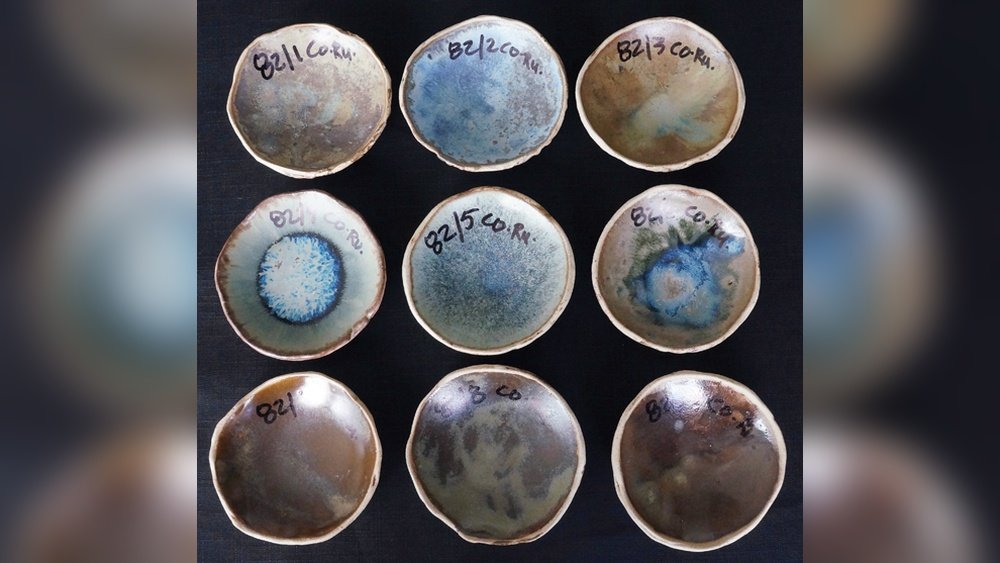
Have you ever wanted to create pottery with a natural, rustic finish that’s truly one of a kind? Wood ash glaze might be exactly what you need.
This simple, traditional recipe transforms ordinary wood ash into a beautiful glaze that adds character and depth to your ceramics. If you’re looking to bring your art to life with something unique and eco-friendly, keep reading. You’ll discover how easy it is to make your own wood ash glaze and why it could become your new favorite technique.

Credit: potsandpaint.blogspot.com
Wood Ash Basics
Wood ash is a natural material used in pottery and glazing for centuries. It contains minerals that create unique textures and colors in ceramic glazes. Understanding wood ash basics helps you make better glaze recipes and achieve desired results.
Wood ash varies depending on the type of wood burned and how you prepare it. Knowing these details improves glaze quality and consistency.
Types Of Wood Ash
Different woods produce different ashes. Hardwood ash comes from trees like oak and maple. It is rich in calcium and potassium, which help create smooth glaze surfaces.
Softwood ash, from pine or fir, has more resin content. It can make the glaze texture rough or bubbly. Mixed wood ash combines ashes from various trees, creating a balanced mineral mix.
Ash Preparation Tips
Start by collecting clean, dry wood ash. Avoid ashes with charcoal or other debris. Sift the ash to remove large particles and impurities.
Soak the ash in water to dissolve soluble salts. Then strain and dry it before use. This step reduces the risk of glaze defects and improves texture.
Essential Ingredients
Wood ash glaze creates beautiful, natural finishes on pottery. Knowing the essential ingredients helps you prepare a good glaze. These ingredients influence the texture, color, and durability of the glaze. Understanding each component makes it easier to adjust the recipe to your taste.
Primary Components
The main ingredient is wood ash. It contains minerals like calcium and potassium. These act as natural fluxes, helping the glaze melt at high temperatures. Clay is another key component. It adds structure and helps the glaze stick to pottery. Silica is also important. It gives the glaze a glassy, smooth surface after firing. Water is needed to mix all dry ingredients into a thick, spreadable paste.
Optional Additives
Some potters add feldspar to improve melting. It helps the glaze flow better and makes it shiny. Adding small amounts of ball clay can increase glaze strength. Other minerals, like iron oxide, add color and texture. Using bentonite can improve glaze suspension, preventing settling. These extras change the glaze’s look and feel. Experimenting with additives lets you create unique finishes.
Mixing The Glaze
Mixing the wood ash glaze is a key step in pottery making. It affects the texture and finish of your ceramic piece. Proper mixing helps the glaze spread evenly during firing. Follow simple steps for best results and consistent quality.
Measuring Ingredients
Start by measuring your wood ash carefully. Use a kitchen scale for accuracy. Combine ash with other materials like clay and silica. Keep the ratio balanced to avoid glaze defects. Write down measurements for repeatable results.
Blending Techniques
Mix the dry ingredients thoroughly before adding water. Use a whisk or spoon to blend evenly. Add water slowly to reach a smooth, creamy texture. Avoid lumps by stirring gently but consistently. Let the mixture sit to settle any bubbles.
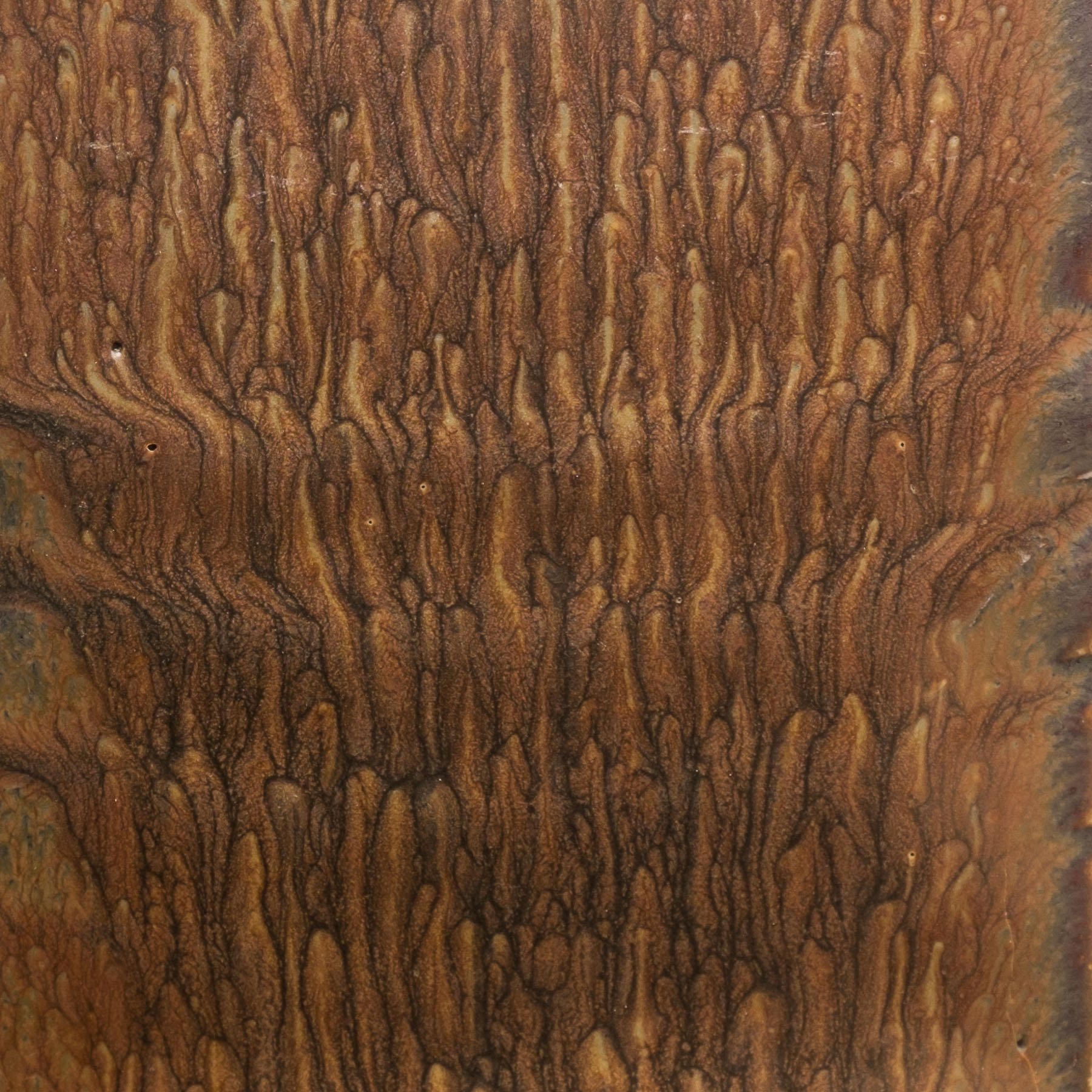
Credit: www.derekau.net
Application Methods
Applying wood ash glaze correctly changes the final look of your pottery. Each method affects texture and color differently. Choose a method that suits your style and project size.
Brushing
Brushing is a simple way to apply wood ash glaze. Use a soft brush to spread the glaze evenly. This method gives you control over thickness and coverage. Brush in one direction for a smooth finish. Let each layer dry before adding another.
Dipping
Dipping involves submerging your pottery into the glaze. It creates a uniform coating on the surface. Dip quickly for a thin layer or slowly for a thicker glaze. After dipping, let excess glaze drip off. This method works well for large batches.
Spraying
Spraying uses a spray gun or airbrush to apply glaze. It produces a fine, even coat without brush marks. Spray in light, steady passes to avoid drips. This method is perfect for detailed or textured pieces. Ensure good ventilation when spraying.
Firing Process
The firing process plays a key role in creating the perfect wood ash glaze. It transforms raw materials into a smooth, glass-like surface. Control over firing helps bring out the best colors and textures in your pottery.
During firing, temperature and atmosphere shape the glaze’s final look. Small changes can create big effects. Understanding these factors leads to better results and fewer surprises.
Kiln Temperature Guide
Wood ash glaze usually fires between 1200°C and 1300°C (2192°F to 2372°F). This range allows the ash to melt and form a shiny surface. Too low a temperature leaves the glaze rough and dull.
High temperatures help ash interact with clay and other glaze materials. This creates smooth textures and unique patterns. Control your kiln to heat slowly and evenly for the best finish.
Firing Atmosphere Effects
The atmosphere inside the kiln affects the glaze color and texture. Oxidation firing uses plenty of oxygen, producing brighter, cleaner colors. It keeps the ash glaze looking natural and light.
Reduction firing limits oxygen, causing deeper colors and varied textures. This atmosphere can turn the glaze darker or create interesting spots and runs. Experiment with atmosphere to find your favorite look.
Troubleshooting Glaze Issues
Troubleshooting glaze issues is an important part of working with wood ash glaze. Problems can happen during mixing, application, or firing. Identifying the cause helps fix the problem faster. This section covers common problems and practical solutions for your wood ash glaze.
Common Problems
Cracking is a frequent issue with wood ash glaze. It happens when the glaze layer is too thick or dries unevenly. Another problem is pinholes, tiny holes that appear on the surface after firing. This can be due to trapped air or impurities in the glaze.
Blistering appears as raised bubbles on the glaze surface. It usually occurs when the glaze melts unevenly. Crazing, a network of fine cracks, happens when the glaze and clay body expand differently during cooling. The glaze may also be dull or lack shine, often from underfiring or poor glaze composition.
Solutions And Tips
Thin the glaze mixture to avoid thick layers that crack. Stir the glaze well to remove air bubbles before applying. Use a fine sieve to strain the glaze and remove impurities.
Fire the pottery slowly to reduce blistering. Test different firing temperatures to find the right balance for your glaze. Match the glaze and clay body by testing small samples for crazing.
Adjust the glaze recipe by adding fluxes to improve melting and shine. Clean the kiln and pottery surface before firing to avoid contamination. Always test new batches in small amounts to catch issues early.
Creative Variations
Exploring creative variations of wood ash glaze brings new life to pottery. Small changes in ingredients or firing can produce unique effects. Experimenting allows artists to personalize their work and discover exciting finishes. These variations can alter color, texture, and overall appearance.
Color Enhancements
Adding metal oxides like copper or cobalt changes the glaze color. Copper creates green or turquoise shades, while cobalt adds blue tones. Mixing small amounts of iron oxide gives warm brown or red hues. These color tweaks make each piece stand out.
Adjusting wood ash amount also affects color depth. More ash often lightens the glaze, while less ash deepens it. Firing temperature influences color too. Higher heat can brighten or dull the finish depending on the glaze mix.
Texture Experiments
Changing the glaze thickness affects surface texture. Thin layers produce smooth, glass-like finishes. Thick layers create rough, crackled, or bubbly textures. Adding materials like sand or grog introduces grit and variation.
Firing atmosphere impacts texture as well. A reduction atmosphere can cause the glaze to become matte or satin. Oxidation usually results in shiny surfaces. Testing different firing styles reveals new textures and effects.

Credit: digitalfire.com
Frequently Asked Questions
What Is Wood Ash Glaze Used For In Pottery?
Wood ash glaze adds a natural, rustic finish to pottery. It creates unique textures and colors. This glaze enhances the piece’s durability and aesthetic appeal while being eco-friendly and cost-effective.
How Do You Make Wood Ash Glaze At Home?
To make wood ash glaze, mix sifted wood ash with water and clay. Adjust the ratio for desired texture. Fire the pottery at high temperatures to fuse the glaze properly.
What Types Of Wood Are Best For Ash Glaze?
Hardwoods like oak, maple, and hickory produce the best ash for glaze. They create smoother, more consistent glazes. Avoid softwoods, as they contain resin which can cause defects.
Can Wood Ash Glaze Be Used On Food-safe Pottery?
Yes, wood ash glaze can be food-safe if properly formulated and fired. Ensure the glaze matures fully and contains no harmful chemicals. Testing is recommended before using it with food items.
Conclusion
Wood ash glaze offers a natural, simple way to finish pottery. This recipe uses common ingredients you can find easily. It creates unique textures and colors on your ceramics. Experimenting with the glaze helps you learn and improve your skills.
Keep notes on each batch to track results. Enjoy the creative process and the beautiful pieces you make. Wood ash glaze connects tradition with your own artistic touch. Try it today and see the difference it brings.
