

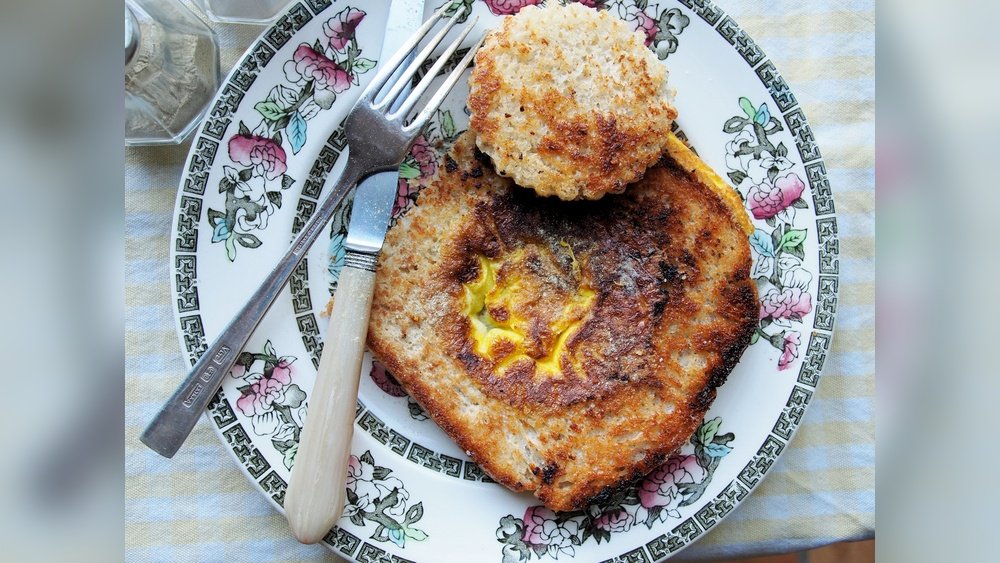
Have you ever wondered how people made simple meals during tough times like World War II? The WW2 Fried Egg Recipe is more than just a way to cook eggs—it’s a glimpse into history and survival.
If you want to try something quick, easy, and packed with a story, this recipe is perfect for you. Keep reading, and you’ll discover how to make this classic dish that kept many going during difficult days. Ready to bring a bit of the past to your kitchen?
Let’s get started!
Origins Of The Ww2 Fried Egg
The origins of the WW2 fried egg recipe trace back to a time of scarcity and survival. During World War II, food supplies were limited, and soldiers needed simple, quick meals. The fried egg became a staple due to its ease and nutritional value. It was not just food but a small comfort amid the chaos of war.
Understanding the background helps appreciate why this recipe is still remembered today. It reflects the resilience and resourcefulness of people during difficult times.
Historical Context
World War II lasted from 1939 to 1945. Food shortages affected many countries involved in the war. Governments imposed rationing to ensure everyone received basic supplies. Soldiers on the front lines had limited access to fresh food. Eggs were among the few items that remained accessible. They provided essential protein and energy. The fried egg recipe emerged as a practical meal option. It required minimal ingredients and cooking tools.
Role In Military Rations
Military rations focused on nutrition and ease of preparation. Eggs could be fried quickly with little fuel. They paired well with other ration items like bread or canned goods. Soldiers often used fried eggs to boost their strength. The recipe became popular in army camps and field kitchens. It helped maintain morale during tough times. The simple fried egg was more than food; it was a symbol of endurance.
Credit: www.lavenderandlovage.com
Ingredients Used During The War
During World War II, food supplies were limited and tightly controlled. People had to use simple ingredients to make everyday meals. The fried egg recipe from that time reflects the challenges of wartime cooking. Ingredients had to be basic and easy to find.
Many households relied on staple foods that could last long. Fresh foods were often scarce. This influenced the way people cooked and ate during the war.
Common Supplies
Eggs were a key ingredient but not always easy to get. People also used margarine instead of butter. Salt and pepper were common seasonings to add flavor.
Potatoes, bread, and canned vegetables often accompanied meals. Milk was limited but used when available. Sugar and oil were rationed, so they appeared in recipes less often.
Substitutions And Alternatives
Butter was replaced with margarine or dripping from meat. When eggs were scarce, people used powdered eggs. Sometimes, water or broth replaced milk in recipes.
Salt was used carefully, and herbs grew in home gardens to add taste. People made do with what they had. Creativity helped stretch limited ingredients into filling meals.
Cooking Techniques Of The Era
Cooking during World War II was simple and practical. People used basic tools and easy methods to prepare meals. The fried egg recipe from that time shows how cooks made the best with limited resources.
Understanding the cooking techniques of the era helps us appreciate the skill behind everyday meals. It reveals how cooks adapted to shortages and still made tasty food.
Equipment Available
Most kitchens had very basic tools. Cast iron skillets and simple frying pans were common. These pans held heat well and lasted a long time. Stoves were often wood or coal burning. Gas and electric stoves existed but were less common in some areas.
Without modern gadgets, cooks relied on simple utensils. Wooden spoons, metal spatulas, and basic knives were all they needed. Pots and pans were multipurpose, used for many types of cooking. The equipment was sturdy, easy to clean, and practical for daily use.
Frying Methods
Frying eggs was straightforward and quick. Cooks heated the pan over medium heat to avoid burning. They used small amounts of lard, butter, or oil to prevent sticking. Eggs were cracked directly into the pan without extra bowls.
Controlling heat was important. Too hot, and eggs would burn. Too cool, and they took too long to cook. Many preferred sunny-side-up eggs, cooked gently until whites set and yolks stayed runny. Flipping eggs was common for over-easy or over-hard styles.
Stir-frying or scrambling eggs was also popular. Eggs were beaten in a bowl and poured into the pan. Stirring constantly created soft, fluffy eggs. These methods saved fuel and time, important during rationing and busy days.
Step-by-step Ww2 Fried Egg Recipe
Discover a simple way to make a classic WW2 fried egg. This recipe is easy and quick. It uses few ingredients, like cooks did during the war. Perfect for a quick breakfast or snack.
Follow each step carefully for best results. This will help you cook eggs just like in the 1940s. Ready to start cooking?
Preparation
First, gather your ingredients. You need eggs, a small amount of butter or oil, salt, and pepper. Use fresh eggs for better taste. Crack the eggs gently into a bowl to avoid shell pieces. Prepare your cooking pan by heating it on medium heat.
Cooking Process
Put butter or oil in the pan. Let it melt or heat until hot but not smoking. Slowly pour the eggs from the bowl into the pan. Cook the eggs without stirring. Wait until the edges turn golden and the whites are set. Sprinkle salt and pepper on top. Carefully flip the eggs to cook the other side if you want them over-easy. Cook for one more minute, then remove from heat.
Serving Suggestions
Serve the fried eggs hot. They go well with bread or toast. Add a side of canned tomatoes or peas for a wartime feel. A cup of tea or coffee completes the meal. Simple, filling, and true to WW2 style.
Tips For Authentic Flavor
Getting the authentic flavor of a WW2 fried egg recipe means paying attention to small details. The right spices and the correct texture make a big difference. These tips help you cook eggs that taste just like they did during the war.
Spices And Seasonings
Use simple spices to keep the flavor true. Salt and black pepper are key. A pinch of dried herbs like thyme or parsley adds a nice touch. Avoid using too many strong spices that change the original taste. A little butter or lard helps enhance the egg’s flavor too.
Texture And Presentation
Cook the egg slowly over low heat. This keeps the white soft and the yolk runny. Avoid overcooking, which makes the yolk hard and dry. Serve the egg on plain bread or a simple plate. The look should be simple, just like in wartime kitchens.

Credit: www.youtube.com
Cultural Impact Of Ww2 Food
World War 2 changed many parts of life, including how people ate. Food was limited, and people had to be creative. This led to new recipes and ways to cook. These changes shaped food culture for years.
Rationing made simple foods like eggs very important. Recipes like the WW2 fried egg became symbols of survival. They remind us of tough times and how people adapted. These foods carry stories and history that still matter today.
Legacy In Modern Cooking
WW2 food habits still affect cooking today. Many recipes from that time are still popular. The fried egg recipe shows how simple ingredients can make a meal special. Chefs use these ideas to create new dishes. It shows respect for the past and keeps history alive.
Memories From Veterans
Veterans often share stories about food during the war. They remember meals that gave comfort and strength. The fried egg was a small but important part of their day. These memories keep history personal and real. Listening to them helps us understand the war better.

Credit: www.lavenderandlovage.com
Frequently Asked Questions
What Is The Ww2 Fried Egg Recipe?
The WW2 Fried Egg recipe is a simple, classic dish from World War II. It uses basic ingredients like eggs and minimal oil, reflecting food rationing during the war. This recipe focuses on quick, easy cooking with limited resources.
How Do You Fry Eggs The Ww2 Way?
To fry eggs the WW2 way, use minimal oil or butter and cook on medium heat. Avoid overcooking to keep the yolk soft. This method saves fat and fuel, aligning with wartime rationing and simplicity.
Why Is The Ww2 Fried Egg Recipe Important?
This recipe highlights how people adapted to food shortages during WW2. It shows resourcefulness and simplicity in cooking. It also preserves historical culinary traditions and offers a nostalgic taste of the past.
Can I Use Modern Ingredients In Ww2 Fried Egg?
Yes, you can use modern ingredients but keep it simple. Use fresh eggs and minimal butter or oil. Avoid adding extra spices or toppings to maintain authenticity and the original flavor of the WW2 era.
Conclusion
This WW2 fried egg recipe brings history to your kitchen. It uses simple ingredients and easy steps. You can enjoy a taste from the past today. Cooking this dish connects you to old times. Try it for a quick and tasty meal.
Everyone can make it with little effort. A small dish with a big story. Give it a chance and see how good it tastes. Simple food, rich in history. What could be better?
