


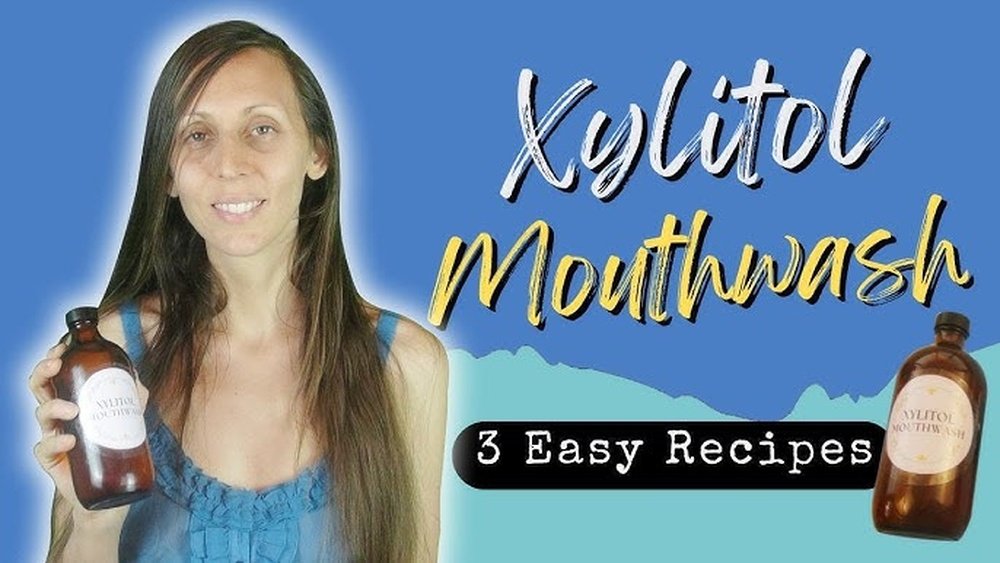
Are you looking for a simple way to boost your oral health naturally? A xylitol rinse might be just what you need.
This easy-to-make rinse can help reduce bacteria in your mouth, freshen your breath, and support stronger teeth. Imagine a quick daily habit that fits seamlessly into your routine and gives your smile a healthier glow. Keep reading, and you’ll discover a straightforward recipe and tips to make the most of this powerful rinse.
Your mouth will thank you!

Credit: www.amazon.com
Benefits Of Xylitol For Oral Health
Xylitol is a natural sweetener that offers many benefits for oral health. It helps keep your teeth strong and reduces the risk of common dental problems. Using xylitol in a mouth rinse can improve your dental hygiene routine easily.
Fighting Cavities
Xylitol stops the growth of bacteria that cause cavities. It makes it hard for these bacteria to stick to your teeth. Without bacteria, fewer cavities form. Regular use of xylitol rinse lowers the chance of tooth decay.
Reducing Plaque
Plaque is a sticky film that builds up on teeth. Xylitol helps reduce plaque by preventing bacteria from growing. Less plaque means a cleaner mouth and healthier gums. This also lowers the risk of gum disease.
Neutralizing Acids
Bacteria produce acids that damage tooth enamel. Xylitol helps neutralize these harmful acids. It keeps the mouth’s pH balanced and protects teeth from erosion. This action supports a stronger and healthier smile.
Ingredients Needed For Xylitol Rinse
Creating a xylitol rinse requires a few simple ingredients. Each ingredient plays a role in making the rinse effective and safe for your mouth. Choosing the right components ensures the best results.
Choosing Quality Xylitol
Select pure xylitol powder for the rinse. Avoid products with additives or fillers. Food-grade xylitol is safe and tastes better. Using quality xylitol supports oral health effectively.
Additional Ingredients
Clean water is essential for mixing the rinse. Use filtered or distilled water to avoid impurities. A pinch of salt can help balance the rinse. Some recipes use a few drops of essential oils for freshness. Keep ingredients natural and simple for safety.
Tools And Containers
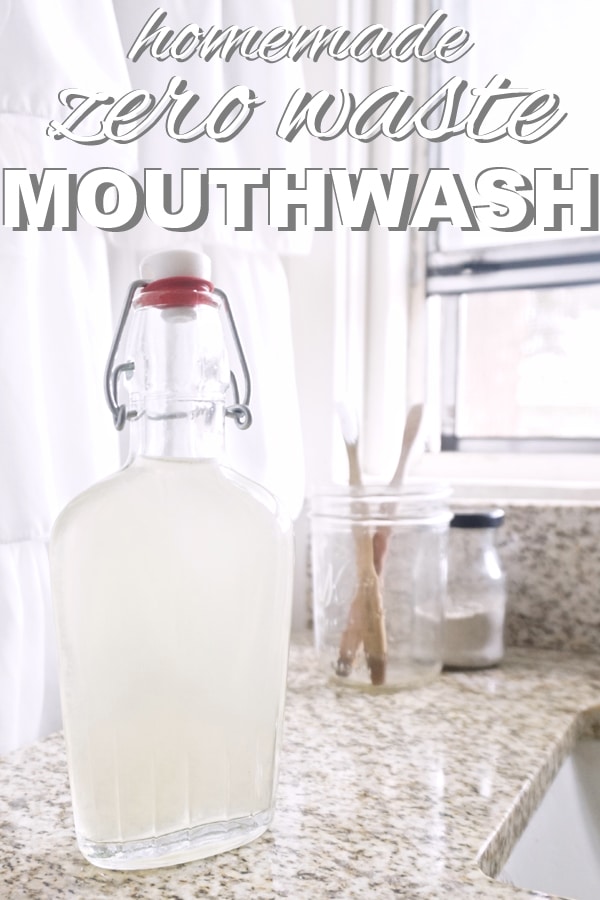
Use a clean measuring spoon for accuracy. A small bowl or cup helps mix the rinse well. Store the rinse in a clean, airtight container. Glass bottles work best to keep the rinse fresh. Label your container to avoid confusion.
Step-by-step Xylitol Rinse Recipe
Making a xylitol rinse at home is simple and effective. This guide breaks down the process into clear steps. Follow these instructions for a fresh and healthy mouth rinse.
Measuring Ingredients
Start by gathering the ingredients. You will need xylitol powder and clean water. Use two teaspoons of xylitol for every cup of water. Accurate measuring helps keep the rinse safe and effective.
Mixing Process
Pour the water into a clean container. Add the xylitol powder slowly. Stir well until the powder completely dissolves. The mixture should be clear with no crystals left.
Storage Tips
Store the rinse in a sealed bottle. Keep it in a cool, dry place. Use the rinse within two weeks for best freshness. Shake gently before each use to mix any settled powder.
How To Use Xylitol Rinse Effectively
Using xylitol rinse the right way helps keep your mouth healthy. It fights bacteria and freshens breath. Following simple steps makes the rinse more effective. Read on to learn how to use it well.
Recommended Frequency
Rinse with xylitol two to three times a day. Use it after meals for best results. Avoid rinsing more than four times daily. Consistency helps maintain oral health over time.
Rinsing Technique
Take a small amount of rinse in your mouth. Swish it around for 30 seconds to one minute. Make sure the liquid reaches all areas, including gums and teeth. Spit out the rinse; do not swallow.
Precautions
Do not use xylitol rinse if allergic to any ingredients. Keep the rinse away from children under three years old. Store it in a cool, dry place. Stop use if irritation or discomfort occurs.
Comparing Xylitol Rinse With Commercial Mouthwashes
Choosing a mouth rinse can be confusing. Many people use commercial mouthwashes for fresh breath and oral care. Xylitol rinse is a natural alternative gaining attention. Comparing both helps understand their benefits and differences. This guide looks at ingredients, cost, and effectiveness.
Natural Vs Chemical Ingredients
Xylitol rinse uses natural sweetener from plants. It often contains water and essential oils. Commercial mouthwashes have chemicals like alcohol, fluoride, and artificial flavors. Some chemicals can cause dry mouth or irritation. Natural ingredients tend to be gentler on gums and teeth. People with sensitive mouths may prefer xylitol rinse.
Cost Benefits
Xylitol rinse can be made at home using simple ingredients. This often costs less than buying commercial mouthwash. One bottle of commercial mouthwash may last a few weeks. Xylitol powder or syrup can make larger amounts for less money. Saving money is easy with DIY rinses. It also reduces trips to the store.
Effectiveness
Commercial mouthwashes kill many bacteria quickly. They freshen breath fast and reduce plaque. Xylitol rinse works differently. It helps stop harmful bacteria from sticking to teeth. Over time, it can reduce cavities and improve oral health. Xylitol rinse may not give instant freshness but supports long-term care. Both have benefits, depending on your needs.
Credit: www.goingzerowaste.com
Potential Side Effects And Safety
Xylitol rinse is a popular natural option for oral care. It can help reduce bacteria and freshen breath. Like any product, it has some possible side effects. Knowing these helps you use it safely and avoid problems.
Allergic Reactions
Some people may have allergies to xylitol. Symptoms include itching, redness, or swelling in the mouth. If you notice any unusual signs, stop using the rinse. Seek medical advice to ensure it is safe for you.
Overuse Concerns
Using xylitol rinse too often can cause stomach upset. This may include gas, bloating, or diarrhea. Stick to the recommended amount and frequency. Overuse does not improve benefits but may cause discomfort.
Consulting A Dentist
Before starting xylitol rinse, talk to your dentist. They can advise if it fits your oral health needs. Your dentist can also guide you on the proper use. Regular dental check-ups help monitor your oral health progress.
Tips For Maintaining Fresh Breath Naturally
Maintaining fresh breath naturally is simple with the right habits. Small changes in daily routine keep your mouth clean and smell pleasant. Natural methods avoid harsh chemicals and support overall oral health.
Using a xylitol rinse is helpful, but combining it with other tips makes a bigger difference. These easy steps fit into any lifestyle and improve breath all day long.
Diet And Hydration
Drink plenty of water to wash away food particles. Water keeps your mouth moist and stops bad breath. Avoid sugary snacks that feed bacteria causing odor. Fresh fruits and vegetables help clean teeth naturally. Crunchy foods like apples or carrots boost saliva flow.
Oral Hygiene Habits
Brush your teeth at least twice daily. Use fluoride toothpaste to protect enamel and fight germs. Floss once a day to remove trapped food between teeth. Rinse with xylitol rinse to reduce bacteria and freshen breath. Clean your tongue gently with a scraper or brush to remove odor-causing buildup.
Herbal Additions
Mint leaves add a fresh, natural scent to your mouth. Chewing on parsley or fennel seeds helps mask bad odors. Use herbal teas like chamomile or green tea as mouth rinses. These herbs fight bacteria and soothe your mouth. They make breath fresher without harsh chemicals.

Credit: auraglow.com
Frequently Asked Questions
What Is The Best Xylitol Rinse Recipe?
The best xylitol rinse combines 1 teaspoon of xylitol with 1 cup of warm water. Stir well until dissolved. Use it twice daily for effective oral care and cavity prevention.
How Does Xylitol Rinse Benefit Oral Health?
Xylitol rinse helps reduce harmful bacteria in the mouth. It prevents tooth decay and promotes saliva production. Regular use supports healthier teeth and fresher breath naturally.
Can I Use Xylitol Rinse Daily?
Yes, using xylitol rinse daily is safe and effective. It strengthens teeth and lowers cavity risk when used twice a day. Always follow recommended amounts for best results.
Is Xylitol Rinse Safe For Children?
Xylitol rinse is generally safe for children over age 3. Use a smaller amount and supervise rinsing to avoid swallowing. Consult a dentist if unsure about use.
Conclusion
Xylitol rinse is simple to make and gentle on your mouth. It helps keep teeth healthy and freshens breath naturally. Using this rinse regularly can reduce harmful bacteria and support good oral care. You only need a few ingredients and a few minutes.
Try this easy recipe and enjoy a cleaner, healthier smile every day. Small steps like this make a big difference in dental health. Give it a chance and see how your mouth feels.
